
🌲 Sentinels & Summits: A Journey Through Saguaro National Park
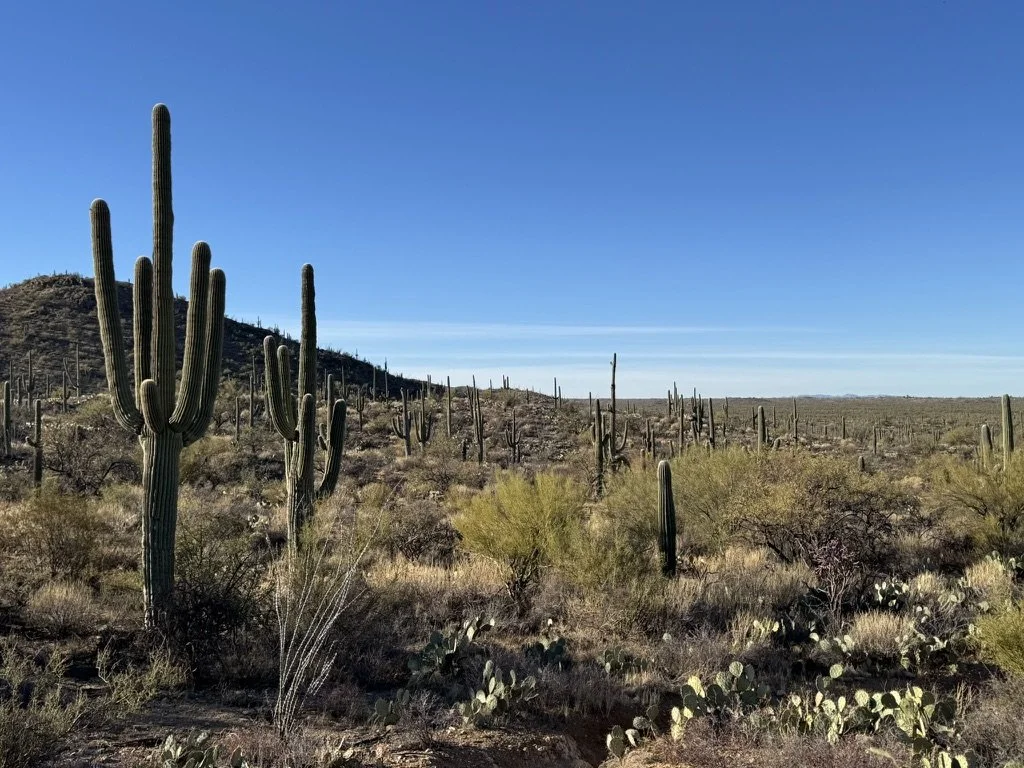
Rincon Mountain District, Saguaro National Park, Arizona
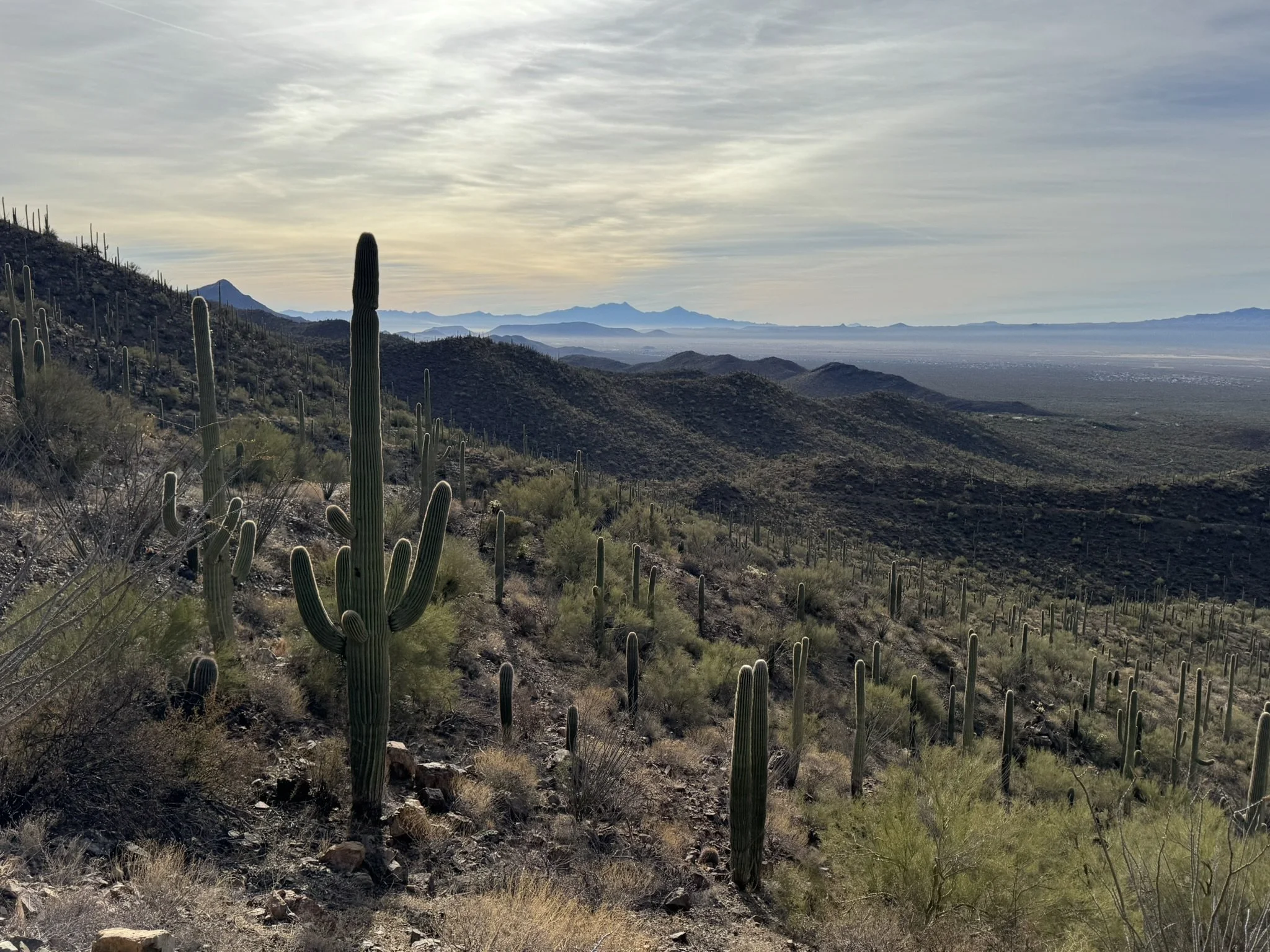
Tuscon Mountain District, Saguaro National Park, Arizona
Saguaro National Park is split into two districts, separated by the city of Tucson: the Rincon Mountain District (East) and the Tucson Mountain District (West). Visiting in January provided the perfect climate for long desert treks without the intense summer heat. It is a place where the landscape feels both ancient and alive, guarded by the giant cacti that give the park its name. The winter light in the Sonoran Desert is soft and golden, making the giant saguaros look as if they were standing "silent sentinels.”
🧭 At a Glance
Park: Saguaro National Park
Official Site: www.nps.gov/sagu
Month of Visit: January
Duration: 3 Days
Crowd Level: Moderate
Park Film 🎥: Voices of the Desert (Shown at the Red Hills Visitor Center)
Vibe: Vibrant, expansive, and quintessentially "Old West."
🥾 The Journey
Because the park is divided, we spent our time navigating between the rugged mountain foothills of the East and the dense cactus forests of the West. We stayed at The Leo Kent in downtown Tucson. While this meant a bit of a drive to reach the park boundaries each morning, it gave us the perfect home base to explore the city’s botanical gardens and local restaurant scene in the evenings.
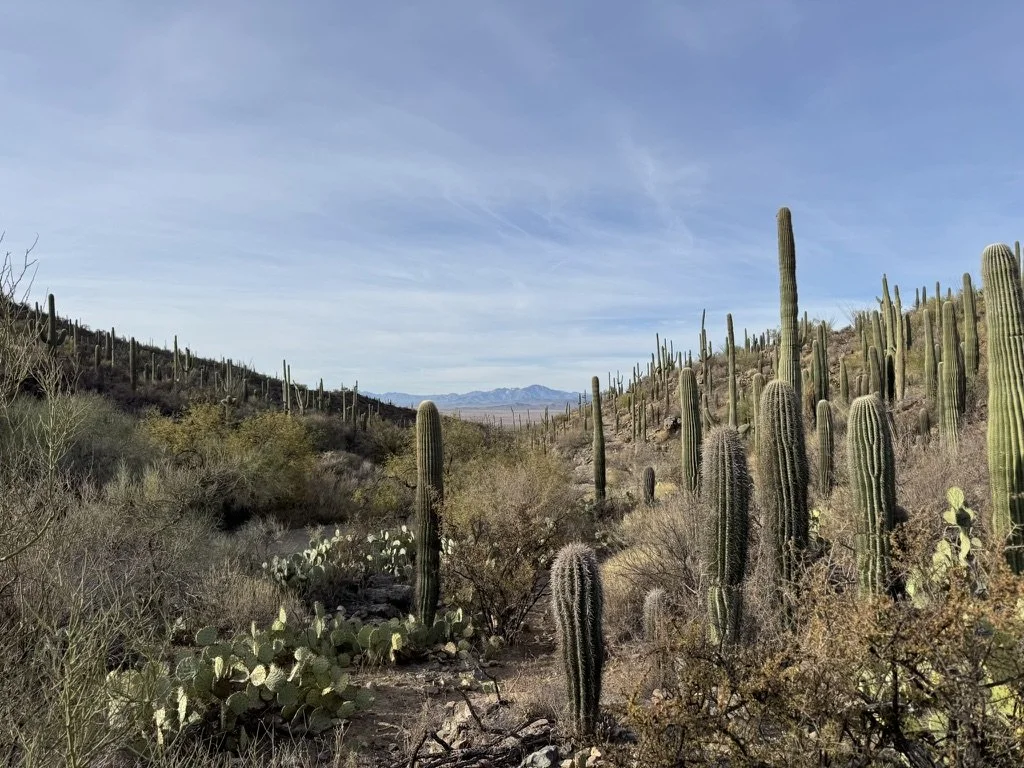
Exploring Saguaro East (Rincon Mountain District): The East side feels vast and mountainous. We began with a scenic drive and a stop at the Desert Ecology Trail, a short, paved loop that provided a great introduction to the plant life of the Sonoran Desert. For a deeper immersion, the next morning, we hiked a loop connecting the Wild Horse, Garwood, and Douglas Spring trails. This route took us through some of the densest cactus forests in the district, where the saguaros stand so thick they almost feel like a crowd.
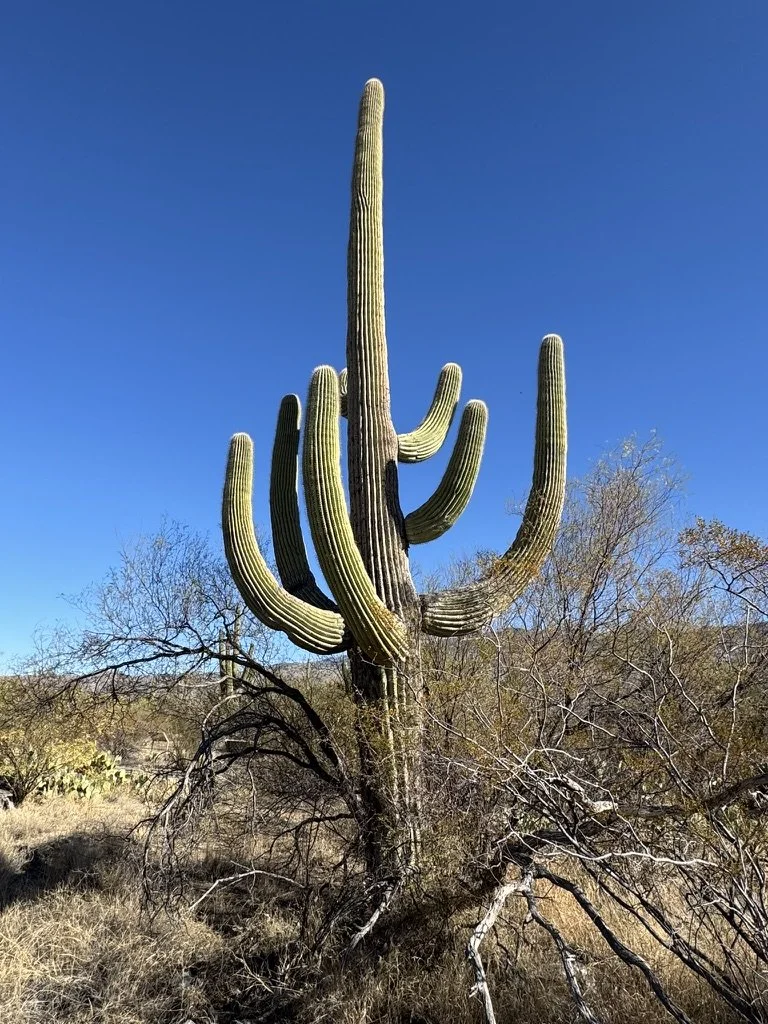
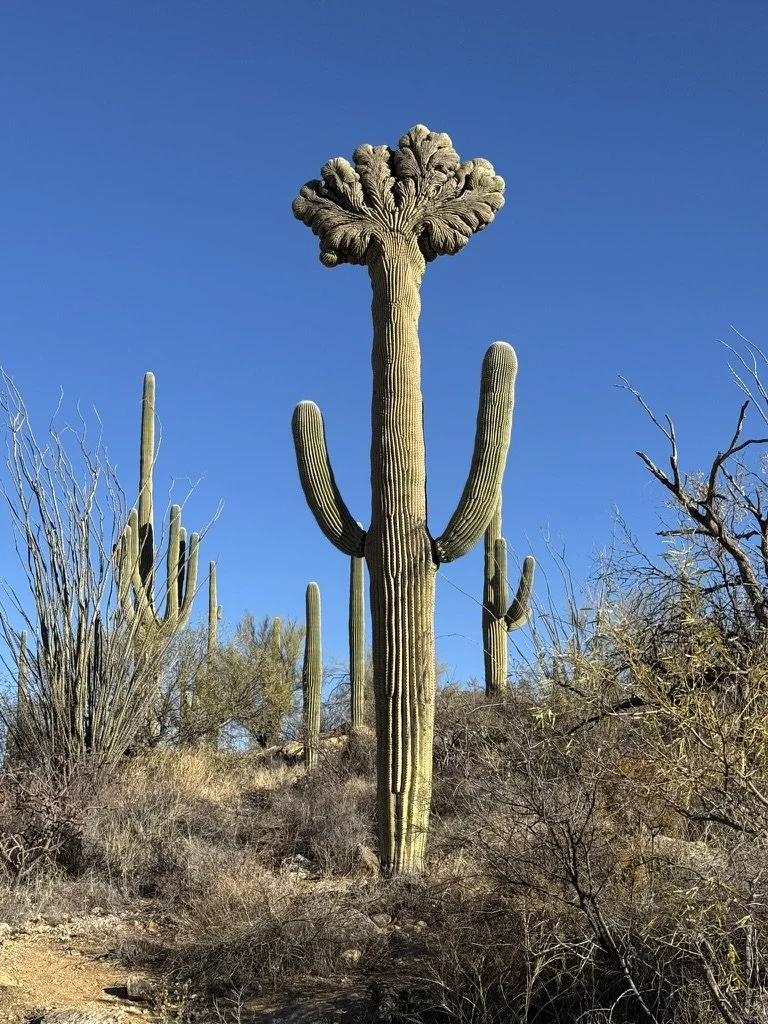
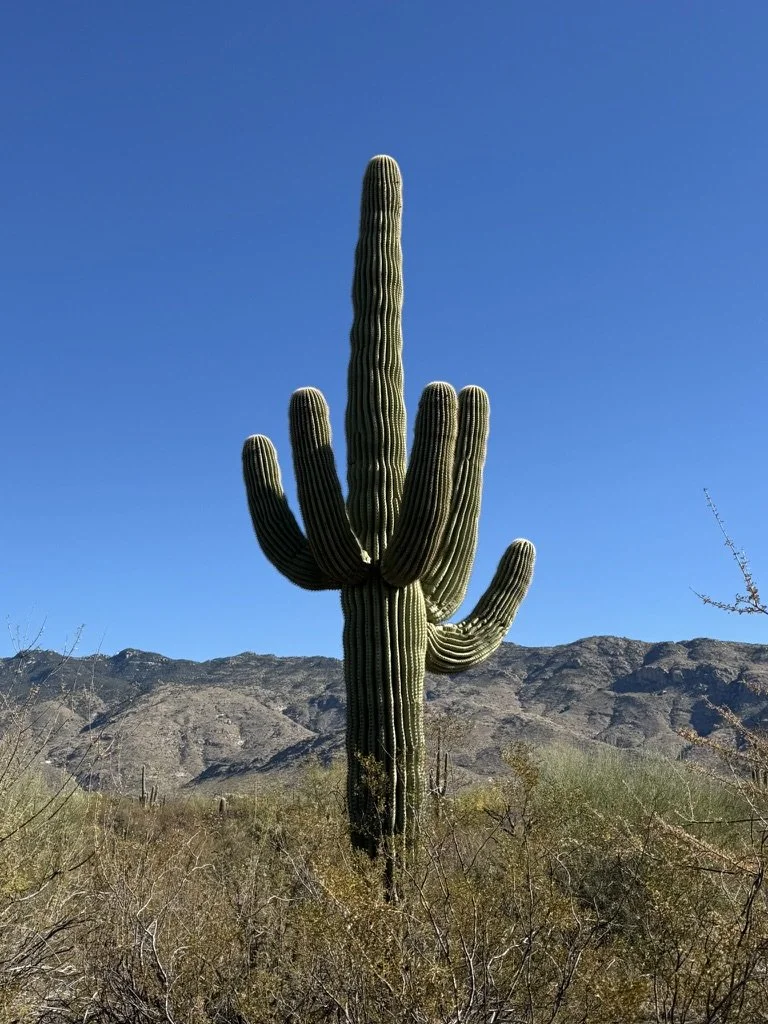
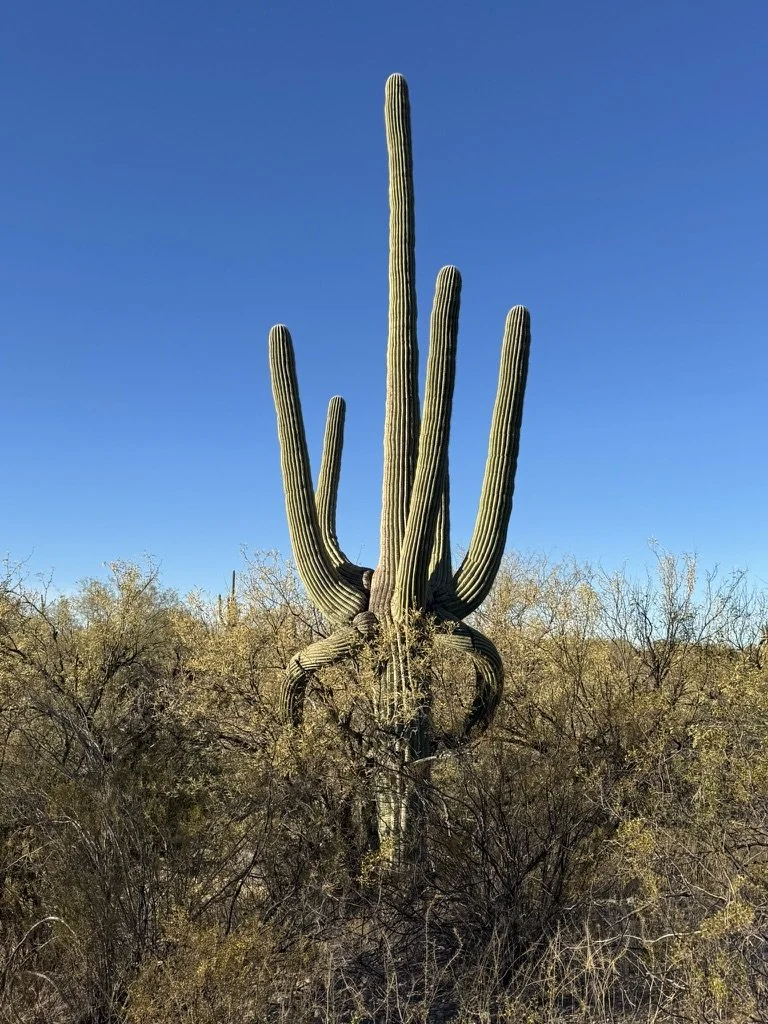
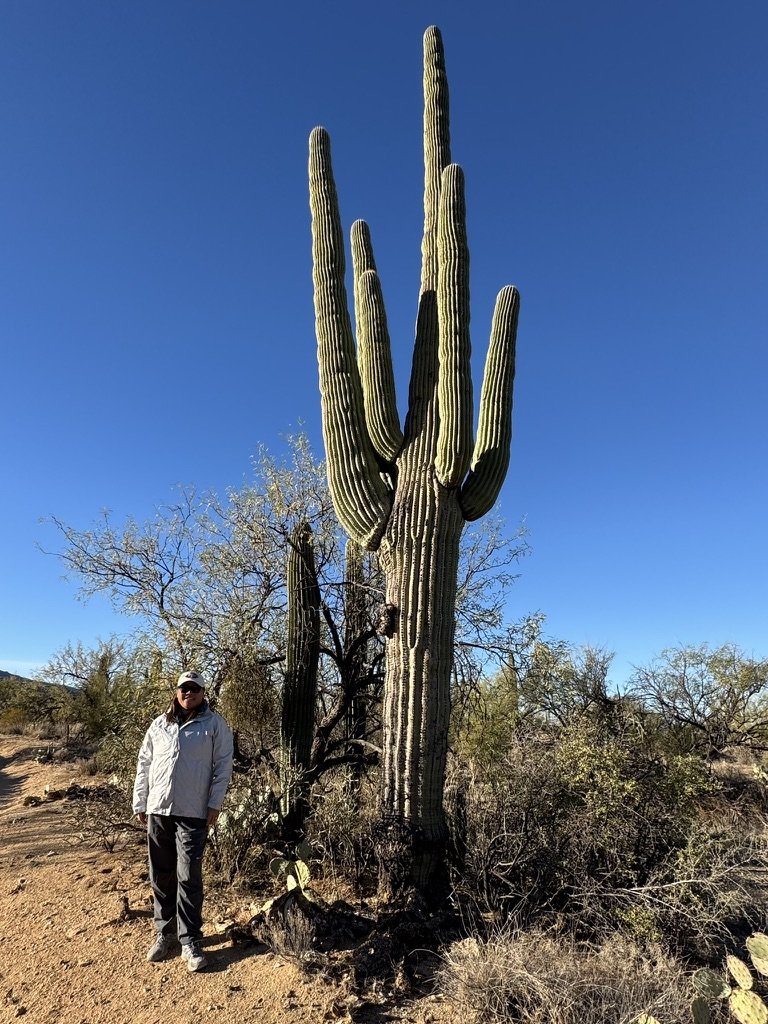
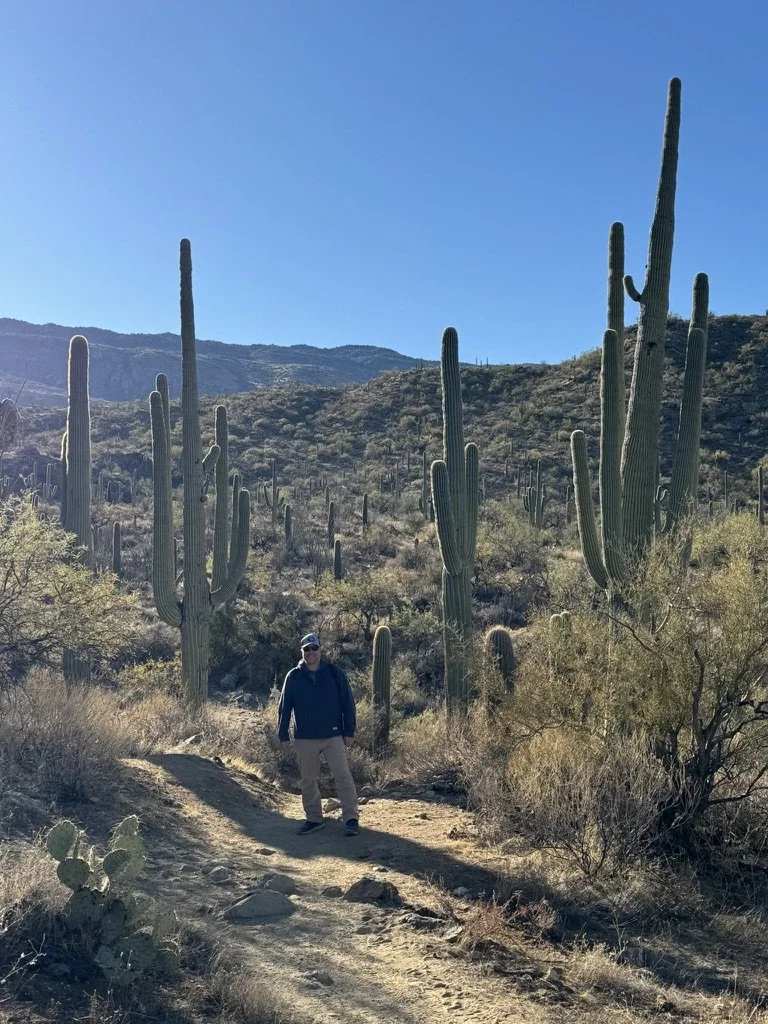
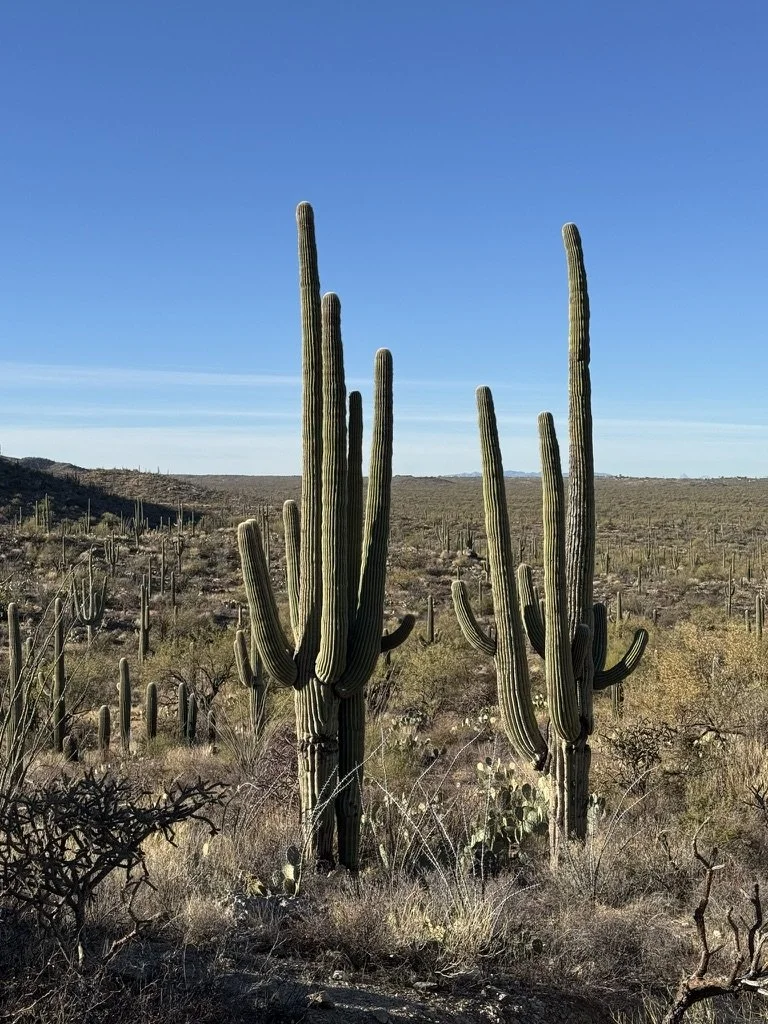
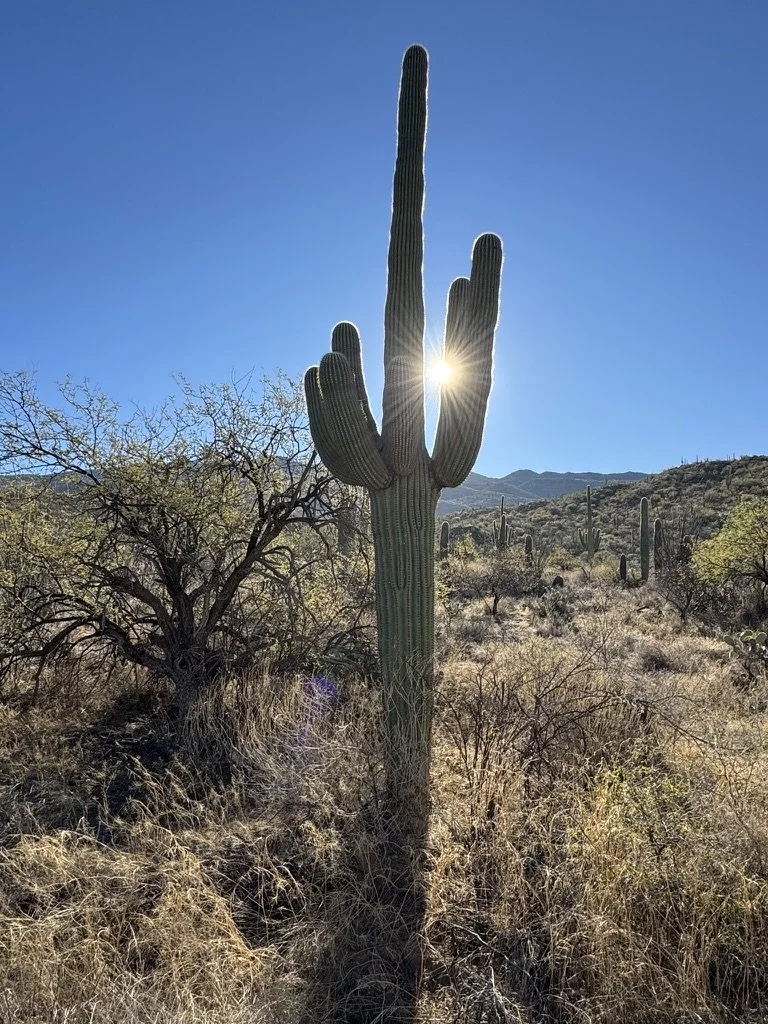
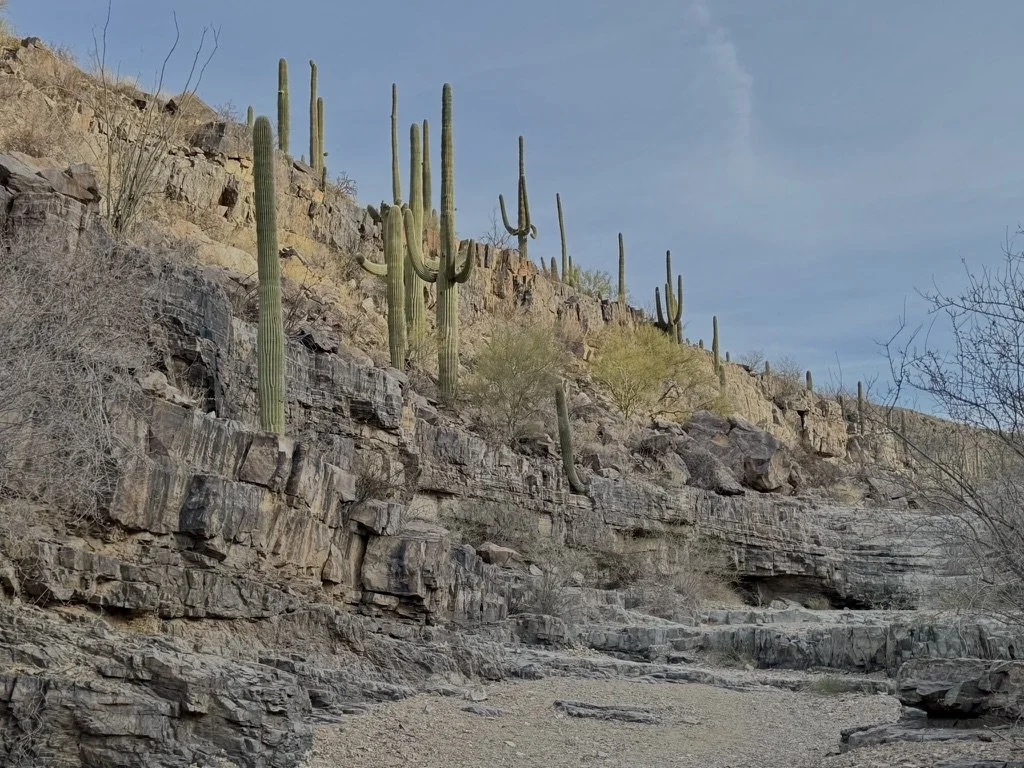
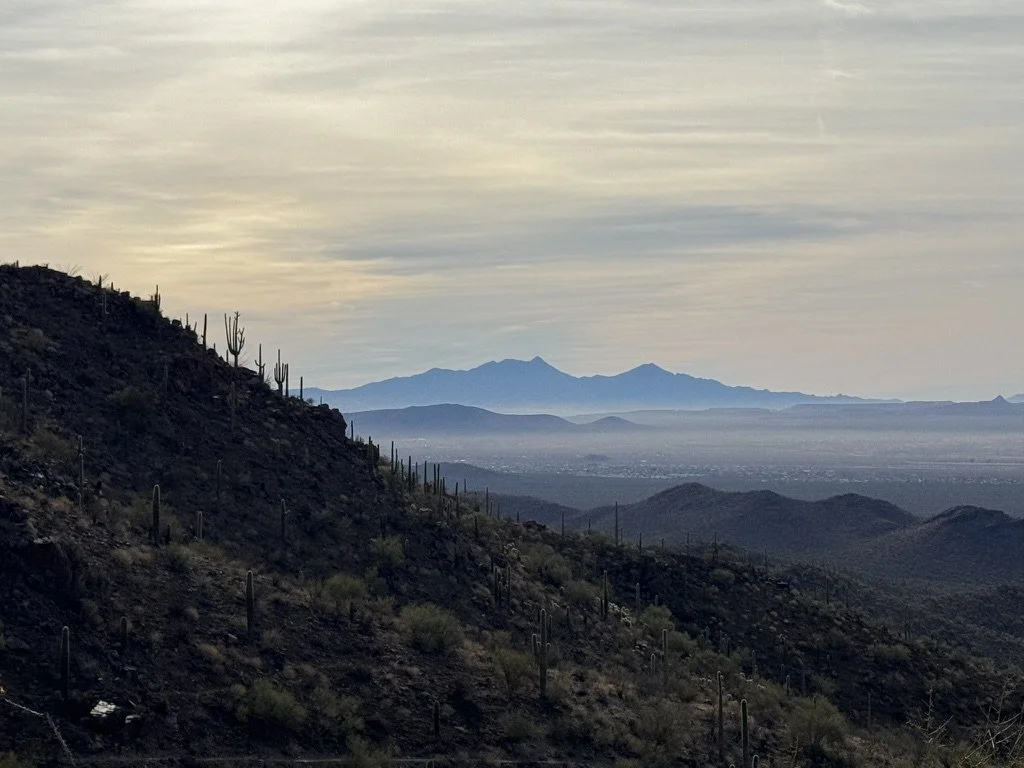
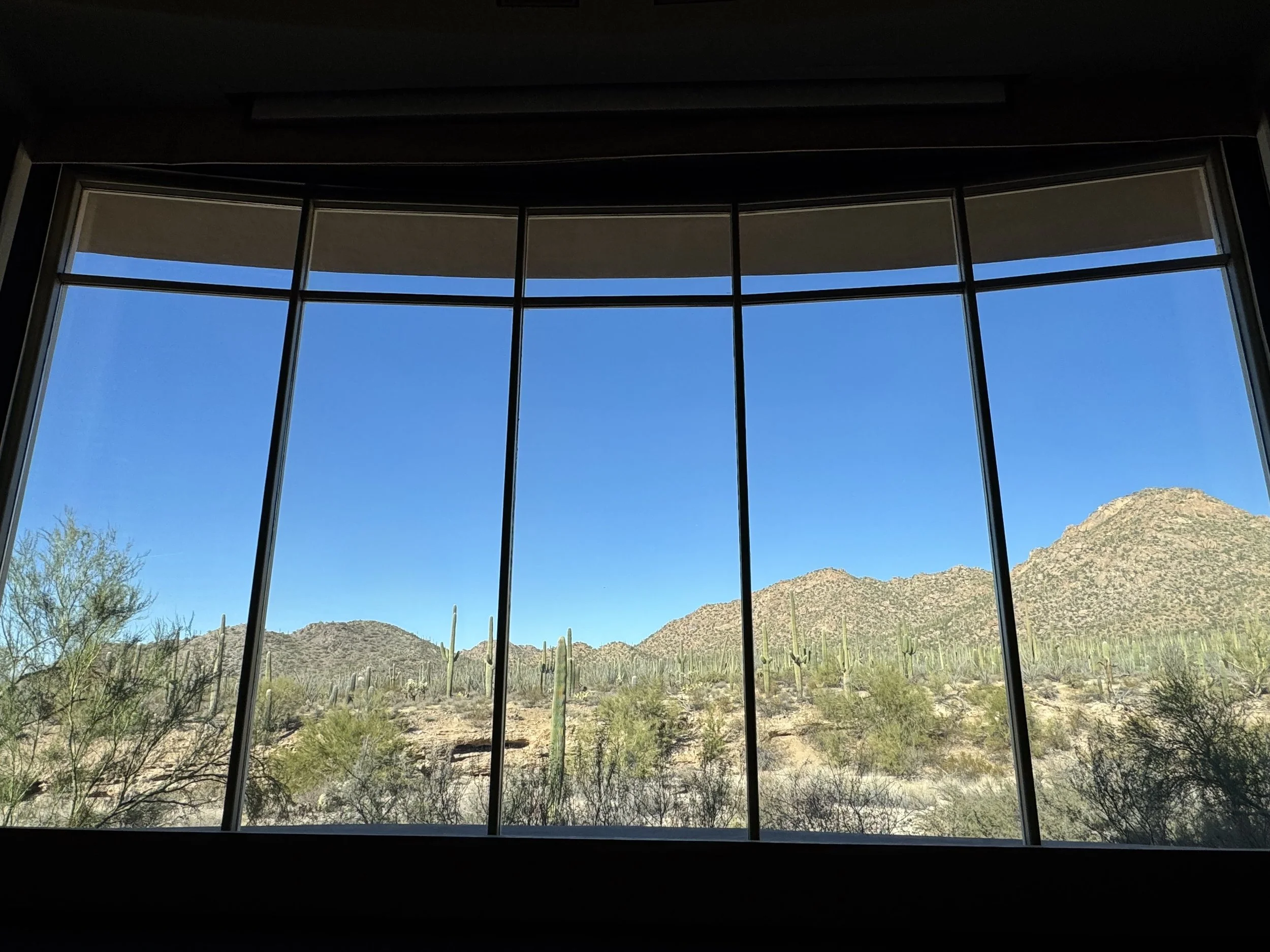
Exploring Saguaro West (Tucson Mountain District): The West side is home to the Red Hills Visitor Center, where we watched the park film, Voices of the Desert. The film provides a beautiful Native American perspective on the landscape. The highlight is the finish: as the credits roll, the screen retracts to reveal a massive floor-to-ceiling window looking out over the desert. Our primary hike on the West side was a loop through Kings Canyon, Sendero Esperanza, and the Gould Mine trail, which showcased the rugged volcanic history and mining heritage of the Tucson Mountains.
✨ Must Experience Perspectives
Cactus Forest Drive (East): A beautiful 8-mile paved loop that offers numerous overlooks and trailheads.
Garwood Trail (East): This section of the park feels like the quintessential "cactus forest" that inspired the park's creation in 1933.
Red Hills Visitor Center Film: A must-do for the surprise reveal at the end. It is the perfect bridge between the cinematic story and the real landscape.
Bajada Loop Drive (West): A graded 6-mile dirt road that gets you up close to some of the most impressive saguaro stands in the park.
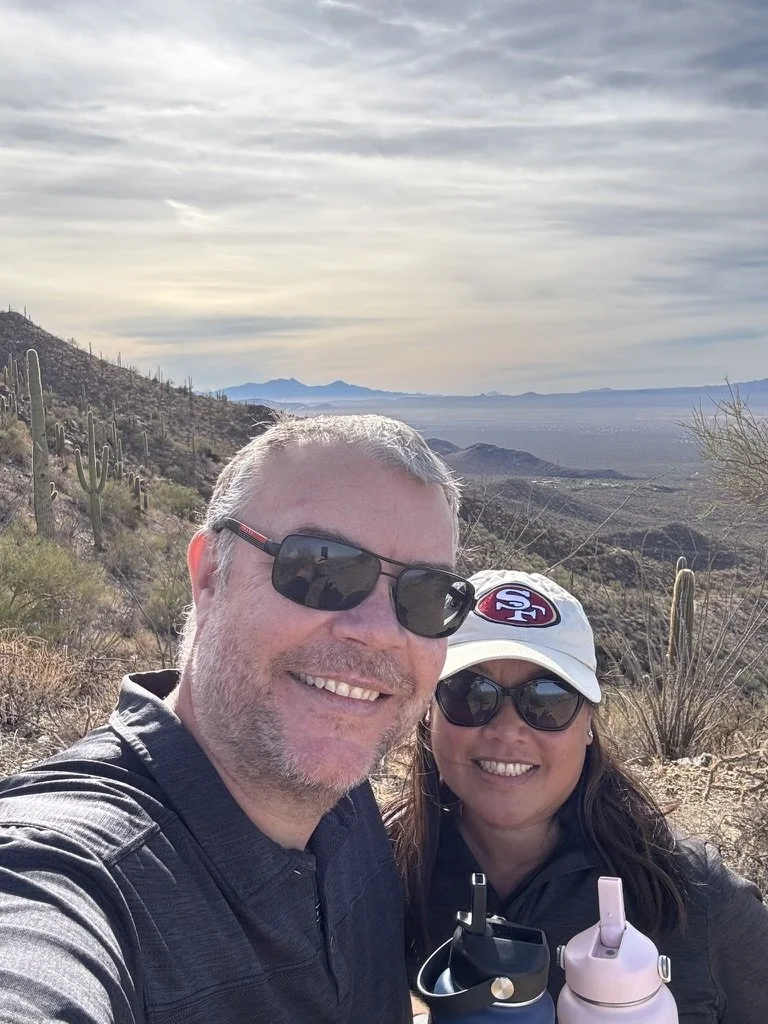
Sendero Esperanza Ridge (West): This was the highest point we reached on the West Side. Standing on the ridge provided an incredible vantage point, looking out over the vast valley of cacti we had just hiked through.
Red Hills Visitor Center, Saguaro National Park, Arizona
🎒 The Logistics
Lodging: The Leo Kent, Tucson. A modern, stylish stay in the heart of the city.
Food: Tucson is a UNESCO City of Gastronomy. Being based downtown meant we could easily pivot from desert hiking to world-class Mexican cuisine.
Park Access: The two districts are about a 45-60 minute drive apart. Plan your days to focus on one side at a time to minimize transit.
📝 Pro-Tips and Lessons Learned
The "Reveal" Moment: At the Red Hills Visitor Center, try to sit in the middle of the theater for the best view when the screen rises at the end of the film.
January Hiking: Even in winter, the desert sun is strong. Wear layers and bring more water than you think you need.
Tucson Botanical Gardens: If you have some extra time, these gardens in town are a wonderful supplement to the park, offering a more manicured look at the diverse flora you see in the wild.
💡 Final Thoughts
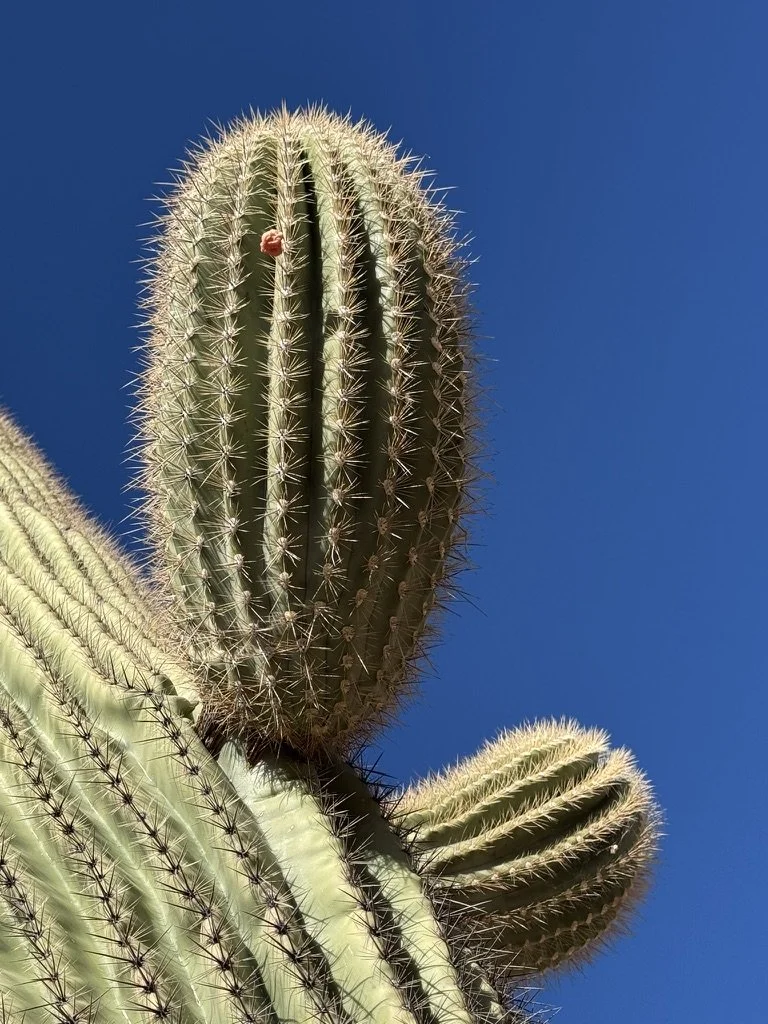
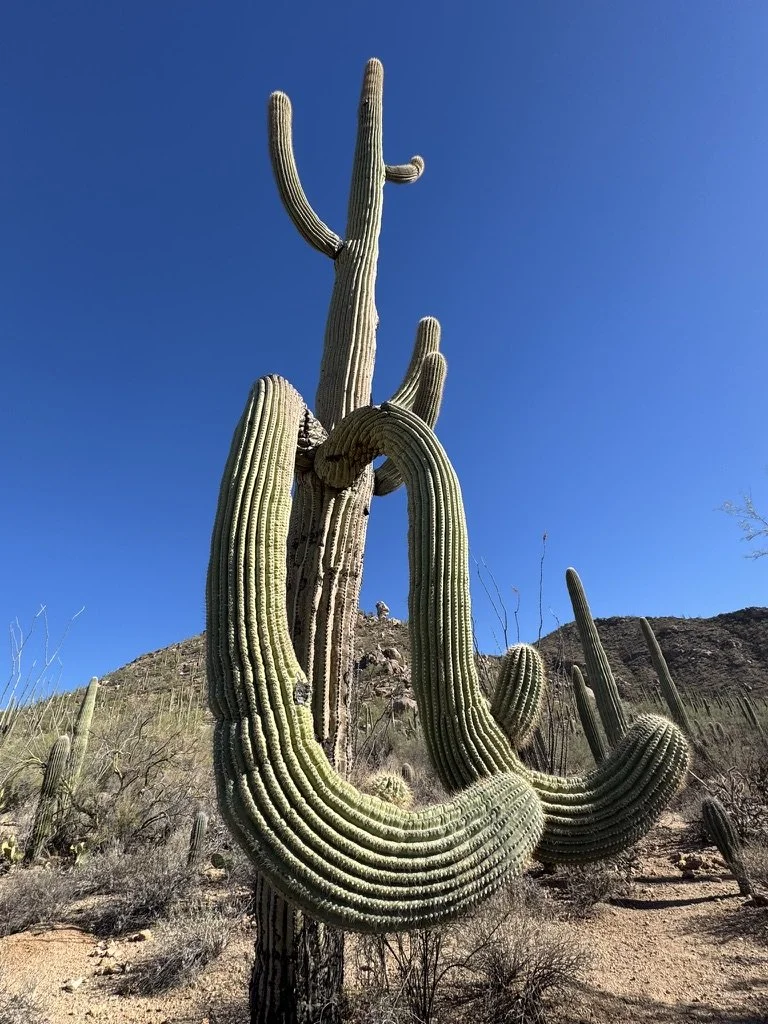
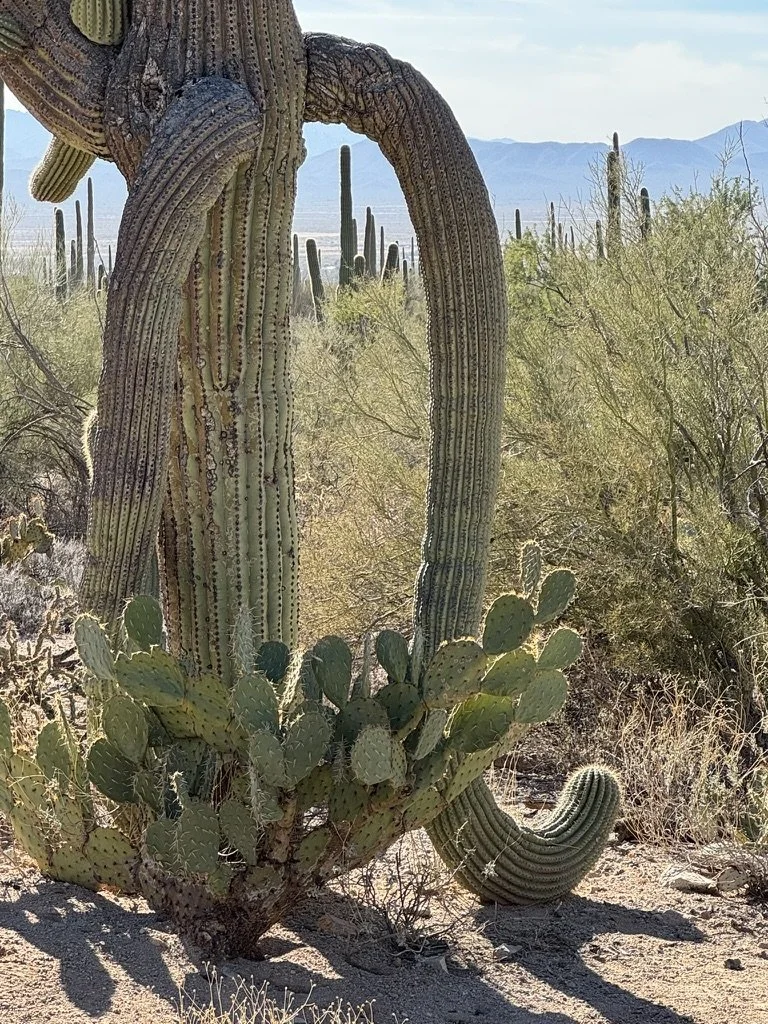
Saguaro National Park proves that the desert is anything but empty. The giant saguaros have a way of commanding your attention, standing as witnesses to centuries of history. There is a human-like quality to the saguaro that you don’t find in other flora. Standing among them, you start to see personalities in their reaching arms and scarred trunks.
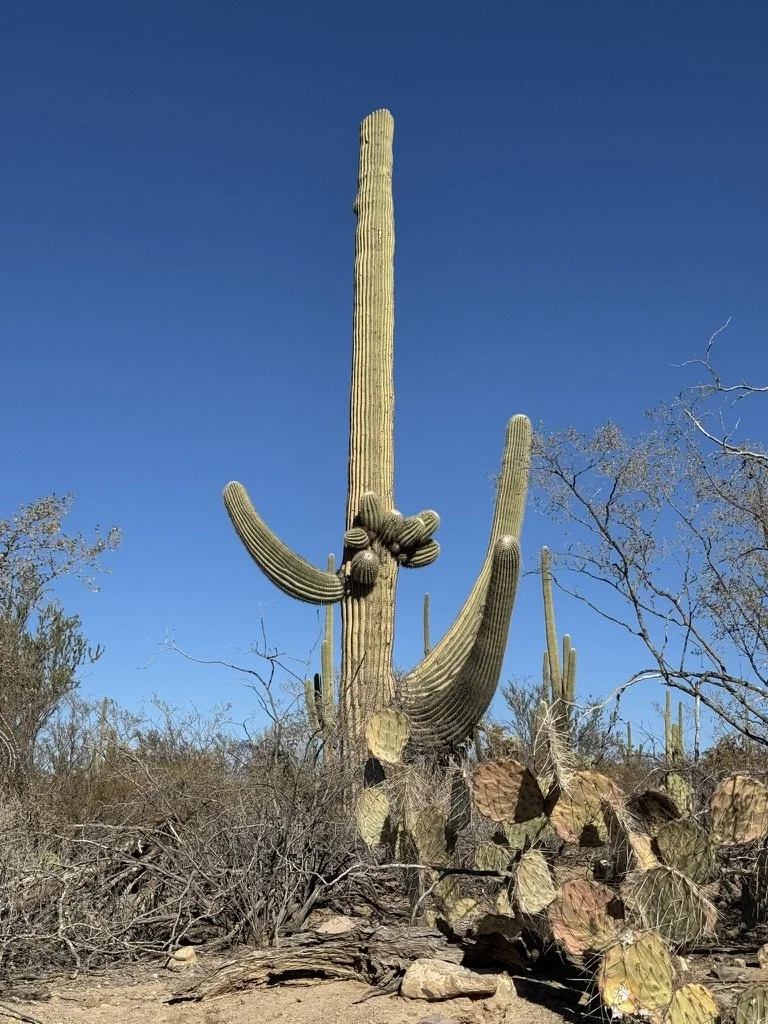
It is humbling to realize that these "monarchs of the desert" grow so slowly. A saguaro often doesn't sprout its first arm until it is 75 to 100 years old, and many of the tallest ones we saw have been standing for nearly two centuries. They aren't just plants; they are historians of the Sonoran Desert, having stood through a century of sun before they even grow a single limb. Walking among them feels like moving through a crowd of ancient, silent sentinels that have endured the harsh Sonoran sun for generations.
💬 The saguaro cactus only grows in the Sonoran Desert. Have you ever visited a place that featured a plant or animal found nowhere else on Earth? Let us know in the comments. Stay curious, leave no trace, and always watch the park film! See you on the trail!
