
🌲 Painted Canyons & Bison: A Journey Through the North Dakota Wilds
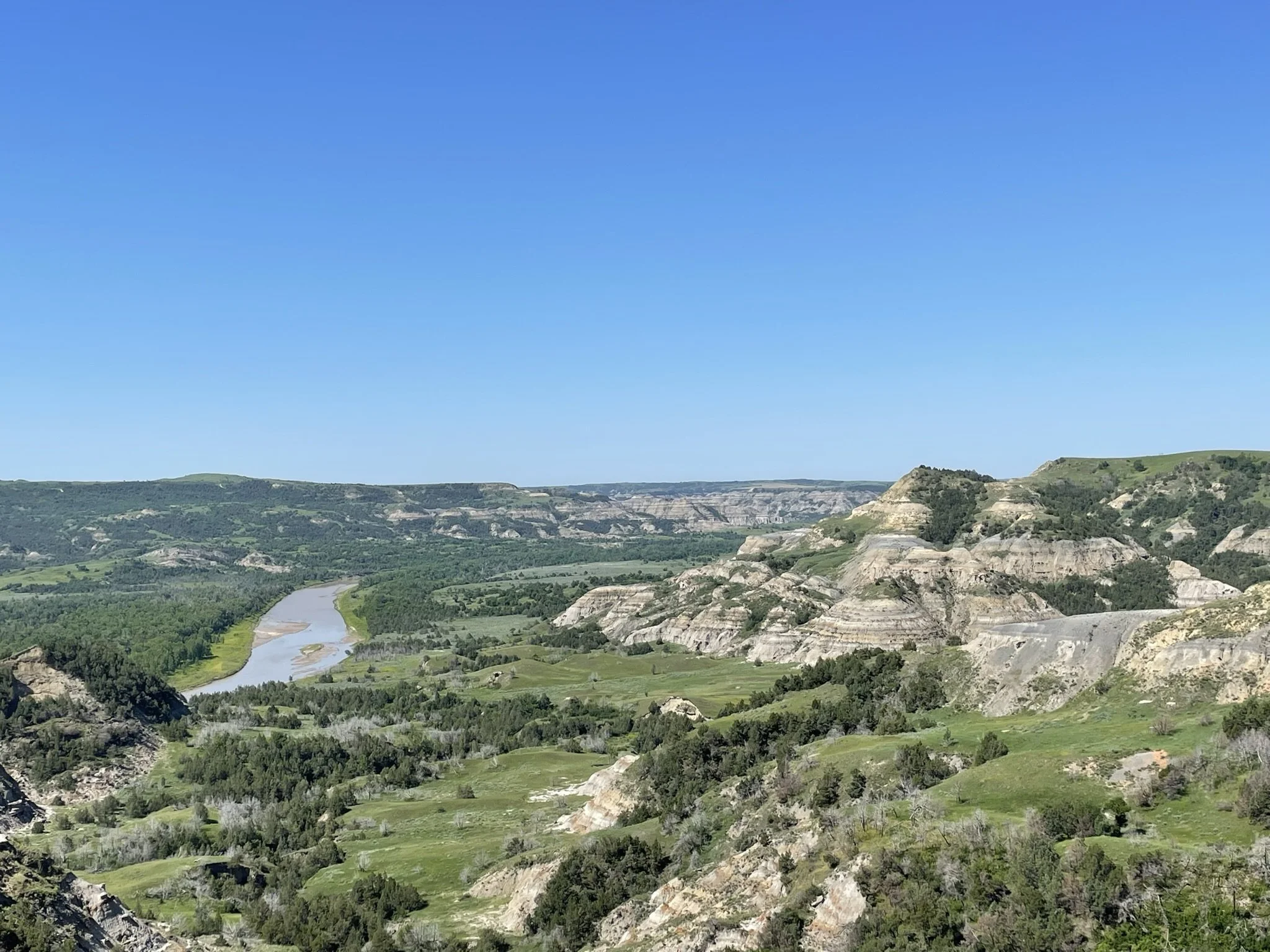
River Bend Overlook, North Unit, Theodore Roosevelt National Park, North Dakota
Often overlooked in favor of the towering peaks further west, Theodore Roosevelt National Park is a hidden gem of the Great Plains. It’s a place where the horizon feels infinite, and the history of American conservation began. Walking through the same rugged canyons that transformed a young, grief-stricken Theodore Roosevelt into "The Conservation President" is a powerful experience. It’s raw, rustic, and unexpectedly vibrant.
🧭 At a Glance
Park: Theodore Roosevelt National Park
Official Site: www.nps.gov/thro
Month of Visit: June
Duration: 3 Days
Crowd Level: Low to Moderate (one of the least-visited parks in the system)
Park Film 🎥: Refuge of the American Spirit has a dedicated theater in the South Unit Visitor Center. The North Unit Visitor Theater is much smaller, but it does show the film if requested.
Vibe: Rustic, expansive, and steeped in frontier history.
🥾 The Journey
Approaching the park from the flat North Dakota grasslands is a lesson in perspective. You drive through miles of level prairie until, suddenly, the earth drops away. We focused our time on the North and South Units, which are separated by about 70 miles of open highway. Unfortunately, we were unable to visit the Elkhorn Ranch Unit, which preserves the site of Theodore Roosevelt’s ranch. Reaching this isolated spot requires navigating a network of unpaved dirt and gravel roads through the National Grassland. A 4-wheel drive vehicle is recommended, and we did not have the proper vehicle or the necessary time to reach this remote part of the park.
Our home base was the town of Medora, which felt like stepping onto a 19th-century film set. We stayed at the Rough Riders Hotel, which perfectly matched the park's history with its 1880s-period design. Between driving the loop roads and watching the sunset at the Medora Musical, the journey felt like a true escape into the Old West.
Day 1: The Great Reveal
We spent the morning driving through the North Dakota grasslands, wondering when the "park" would actually begin. The terrain is famously flat—until it isn't. We arrived at the Painted Canyon Overlook just before the earth dropped away into a spectacular vista of clay and sandstone. After a quick photo stop to catch the afternoon light hitting the canyon walls, we headed into the town of Medora. Walking the small, 1880s-style streets before dinner at the Rough Riders Hotel was the perfect way to settle into the "Old West" pace.
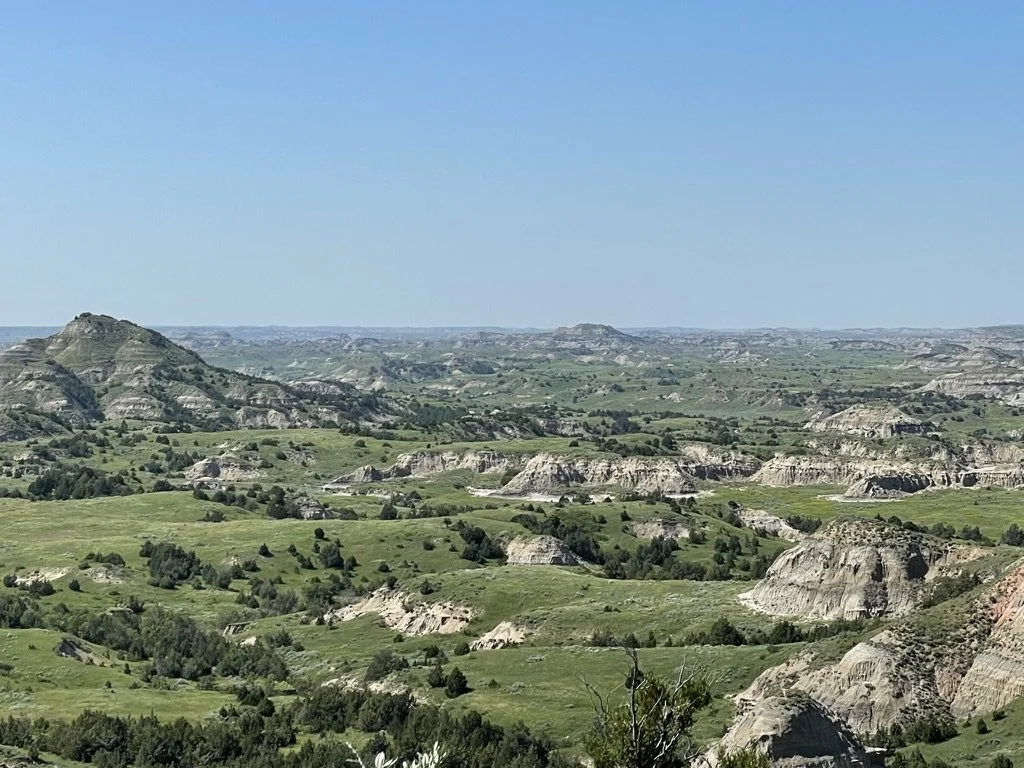
Painted Canyon Overlook, Theodore Roosevelt National Park, North Dakota
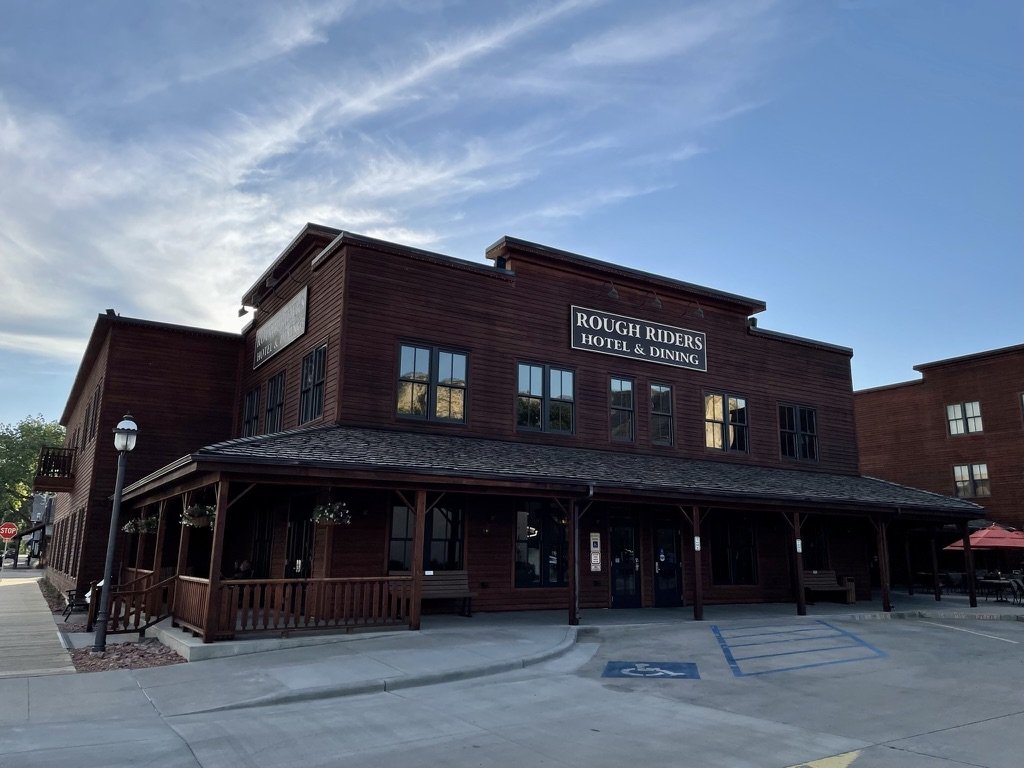
Rough Riders Hotel, Medora, North Dakota
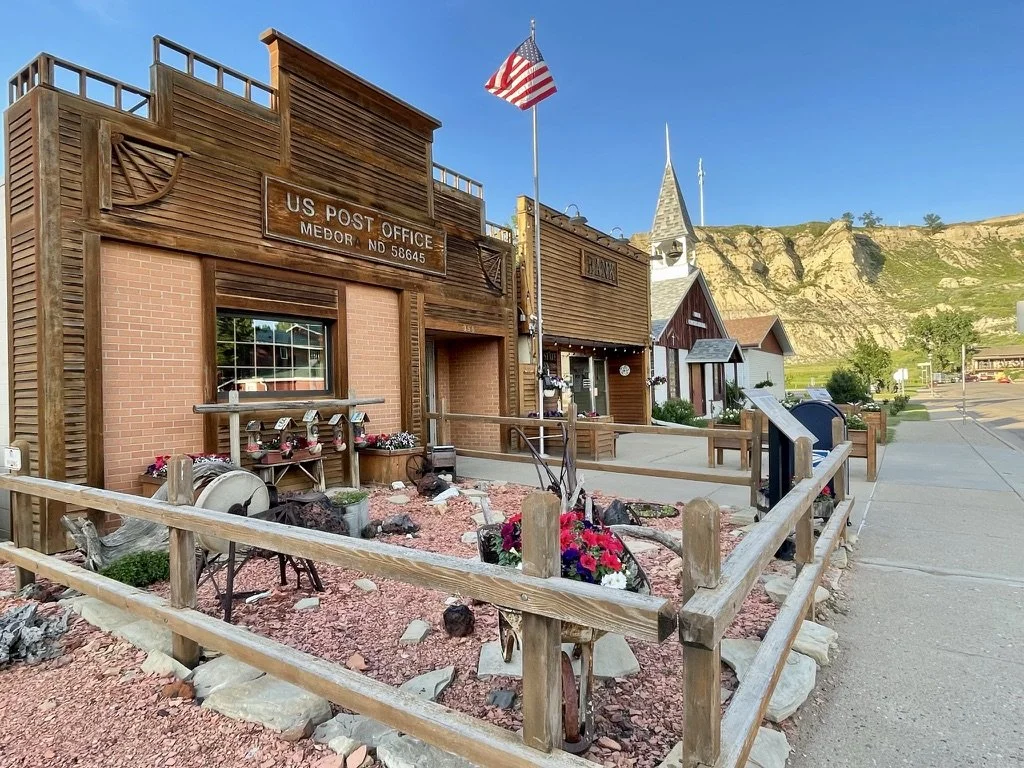
U.S. Post Office, Medora, North Dakota
Day 2: Remote Wilds
We started early for the 70-mile drive to the North Unit. It felt significantly more remote; the 14-mile out-and-back drive let us take in the sights mostly from our car, but we stepped out for the iconic River Bend Overlook, the Oxbow Overlook, and to marvel at the strange, spherical Cannonball Concretions. By the afternoon, we were back in the South Unit to watch the park film and walk through the Maltese Cross Cabin. We ended the day back at Painted Canyon, this time hiking into the landscape we had only looked at from above the day before.
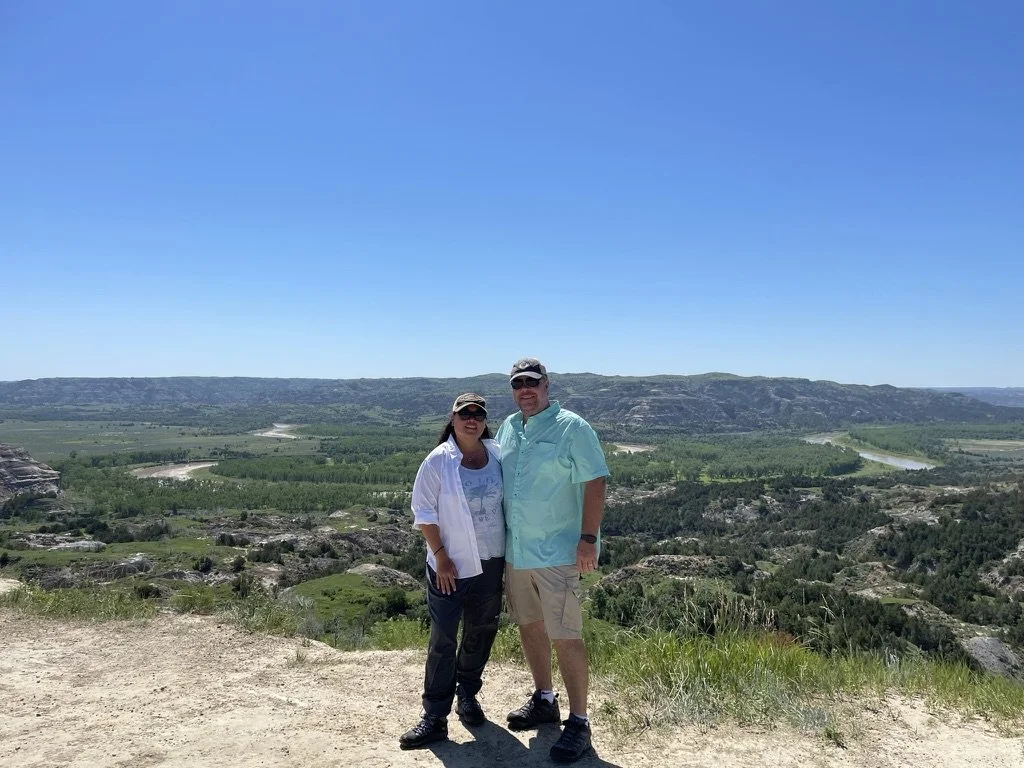
Oxbow Overlook, North Unit
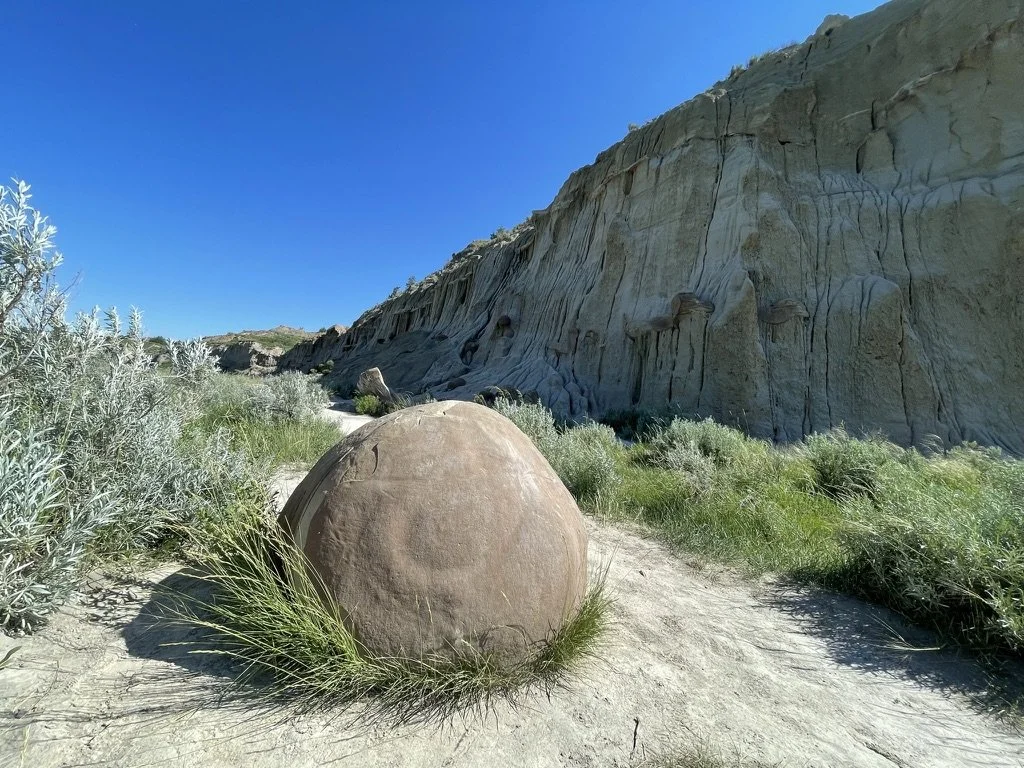
Cannonball Concretions, North Unit
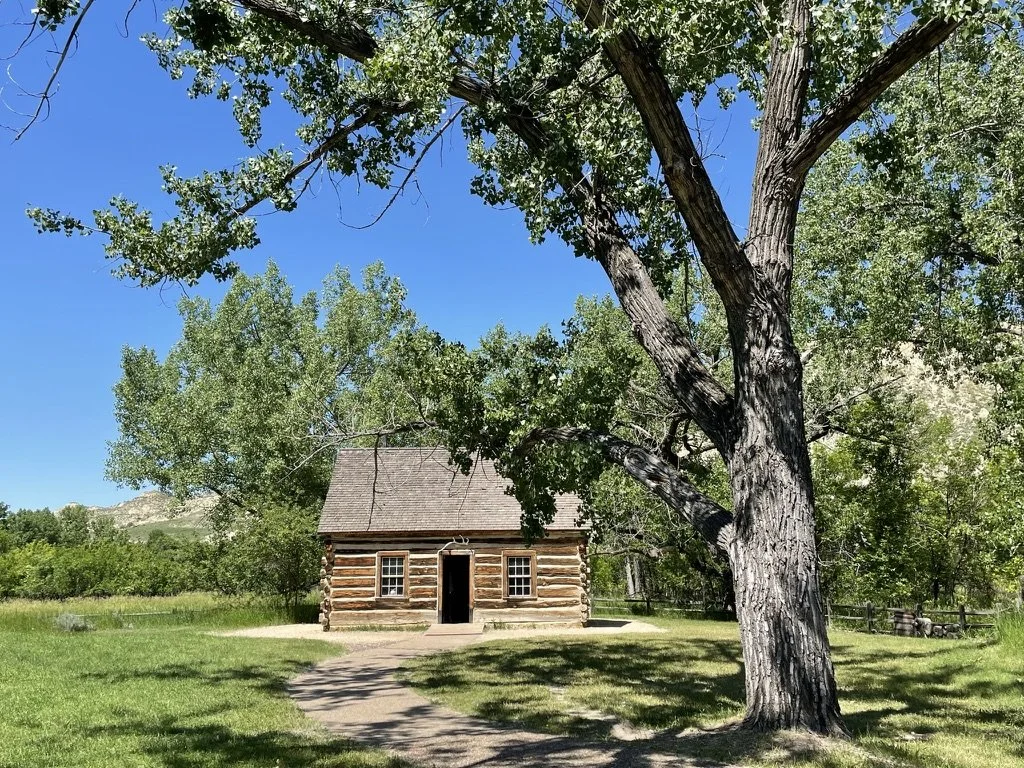
Maltese Cross Cabin, South Unit
Day 3: Loop Drive and Wildlife
Our final day was dedicated to exploring the 36-mile South Unit Loop Drive. This was our prime wildlife day, as we watched bison and wild horses roam freely across the badlands. We also drove and walked through the massive Prairie Dog Towns, where the residents chirped and scurried among their mounds.
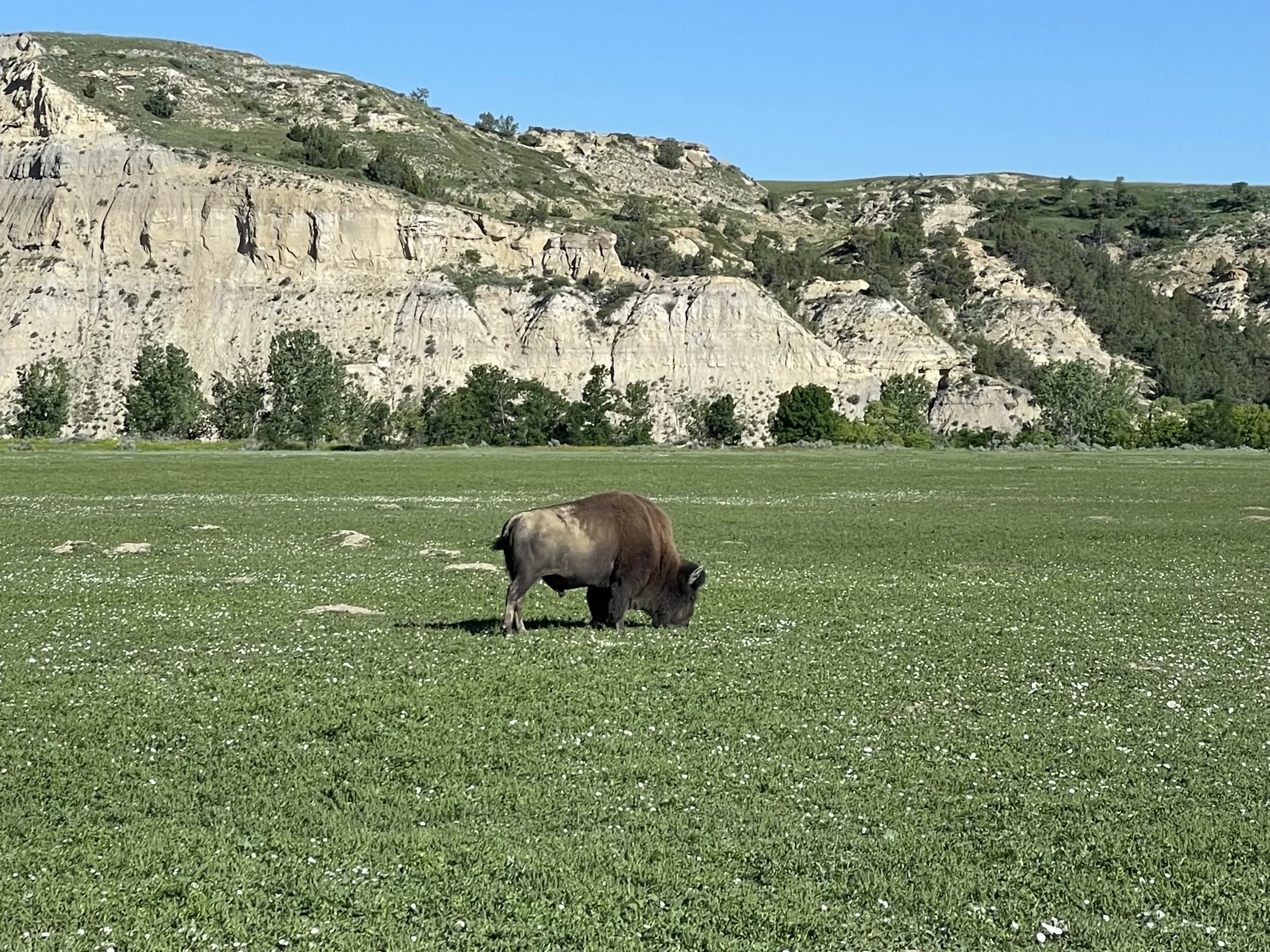
Bison, Theodore Roosevelt National Park
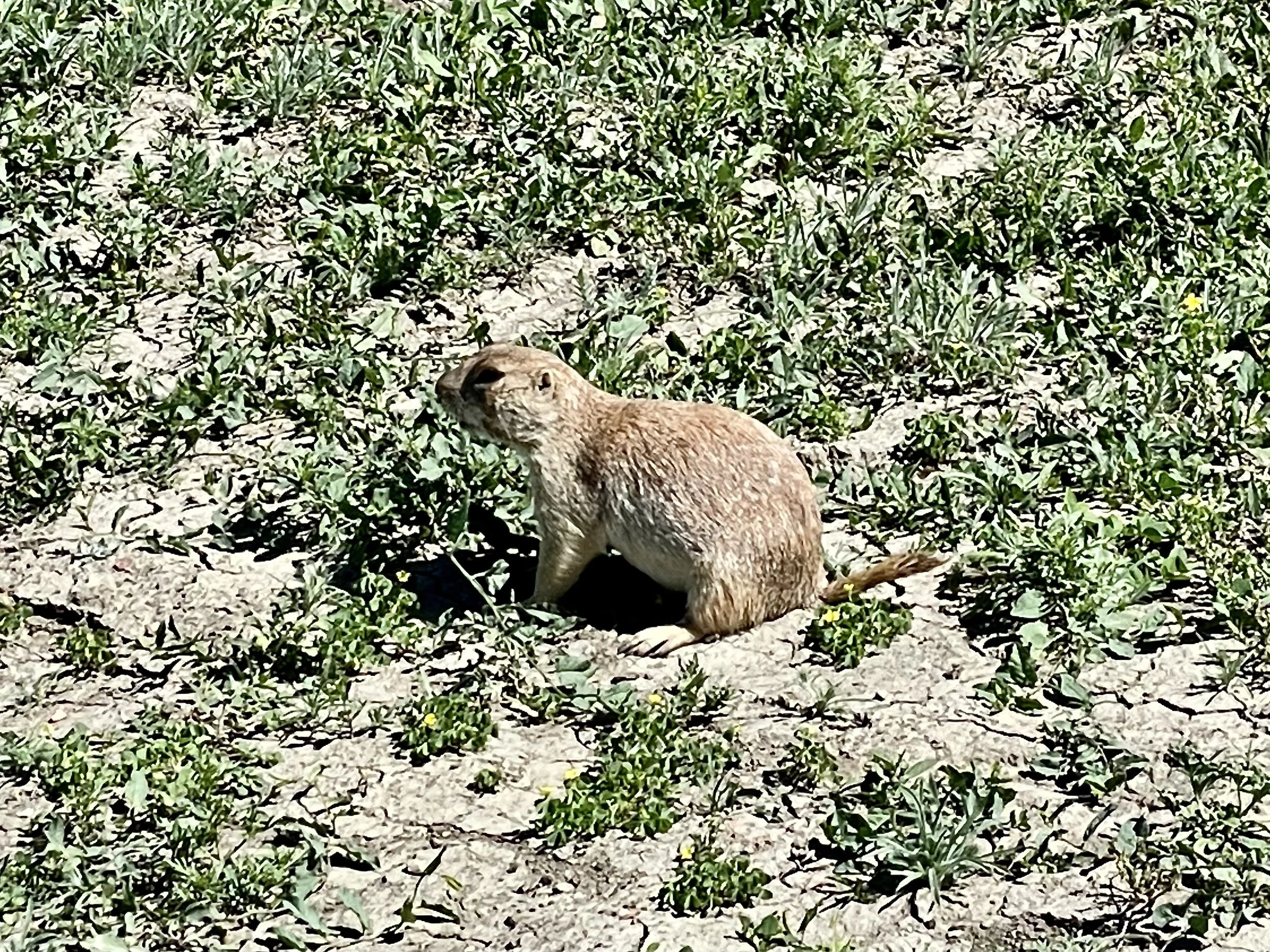
Prairie Dog, Theodore Roosevelt National Park
As we navigated the loop, we made time for several short walks to get a closer look at the unique geology and history of the park:
Ridgeline Trail: A short walk along the ridge that provided an expansive view of the badlands and a first-hand look at the unique desert-like ecology of the area.
Badlands Overlook: One of the most dramatic vistas in the park, offering a panoramic view of the broken, rolling terrain that gives the park its name.
Old East Entrance Trail: A 0.8-mile round-trip walk to the park's original hand-hewn stone entrance station from 1938. It felt like a quiet step back into history.
Coal Vein Trail: This 0.8-mile loop was geologically different from our other hikes, featuring views of an actual exposed coal vein. It was fascinating to see the exposed coal vein and learn how a lightning strike once ignited an underground fire that burned for years, altering the surrounding rock colors and changing the landscape.
Buck Hill: We climbed to the highest accessible point in the park for a full 360-degree view. On a clear day, you can see for miles in every direction.
Wind Canyon: To soak in some final views, we walked this short trail along wind-sculpted cliffs. It offered a breathtaking look at the Little Missouri River curving through the valley below.
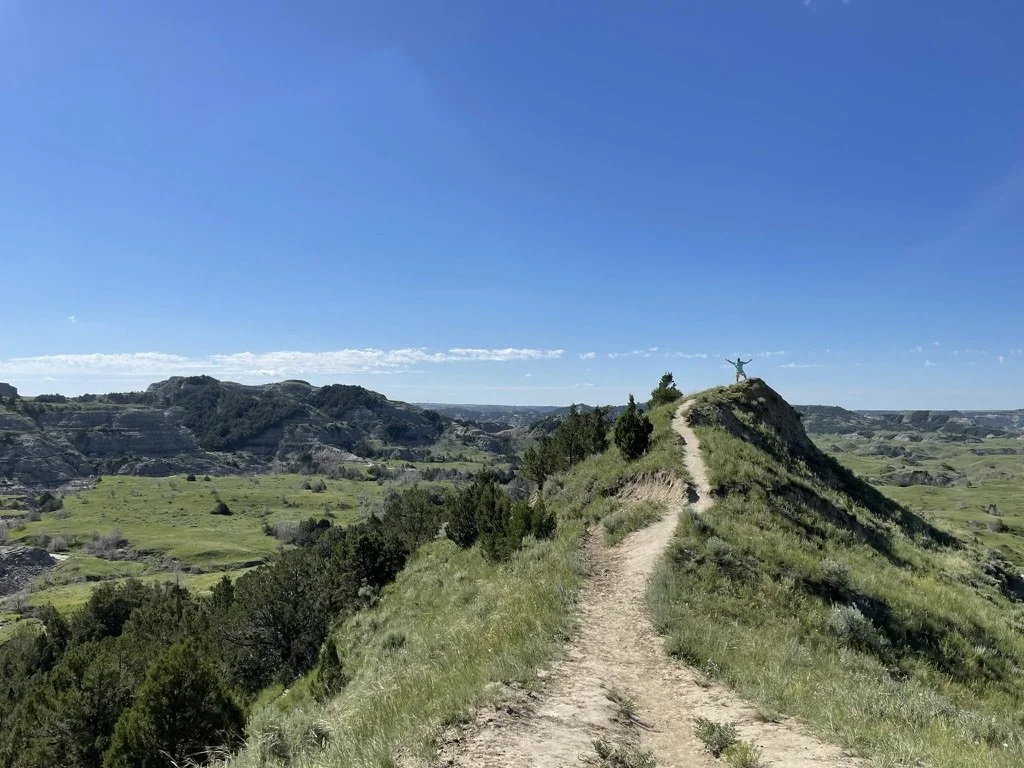
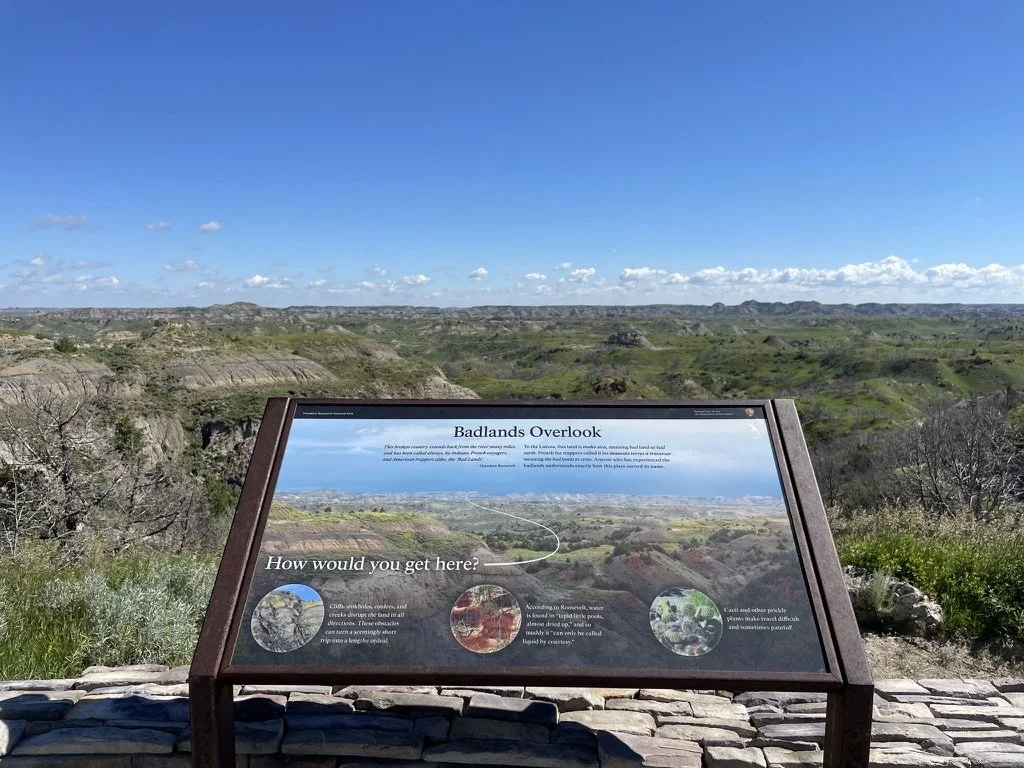
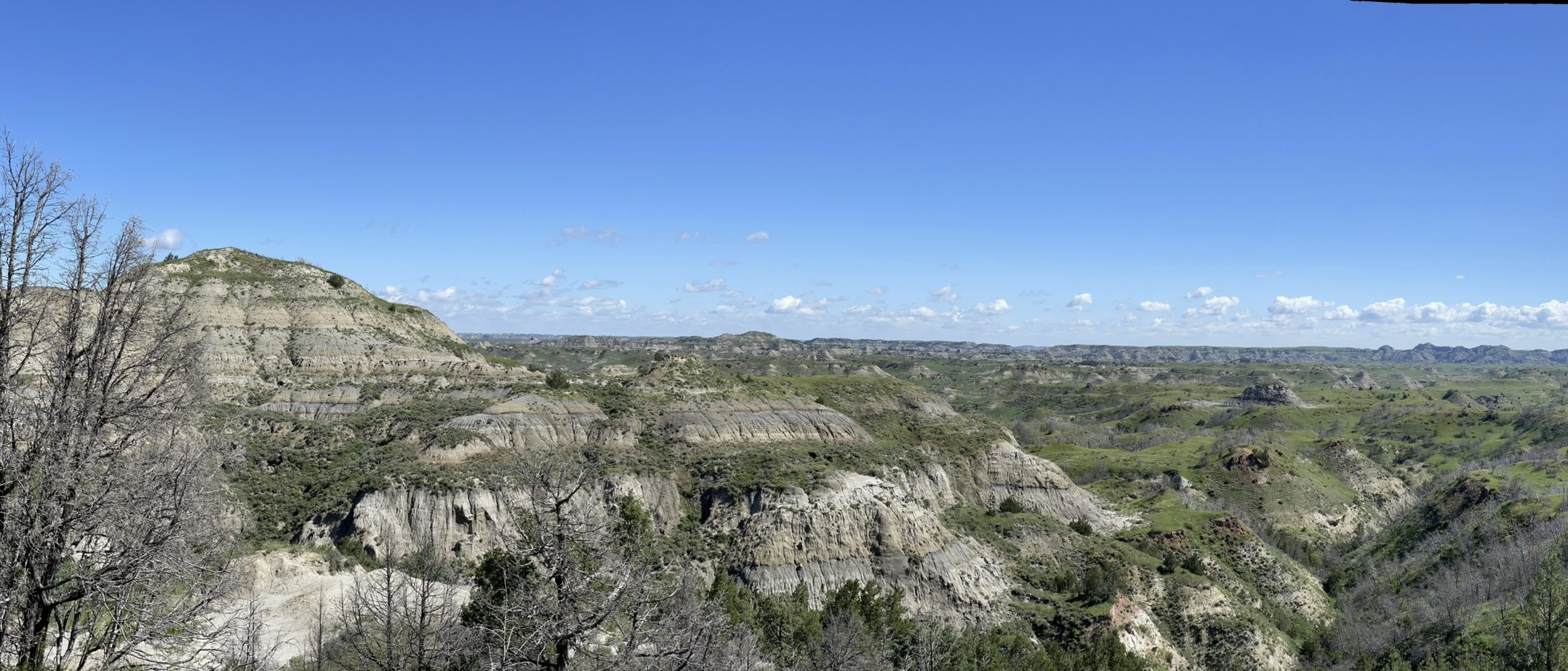
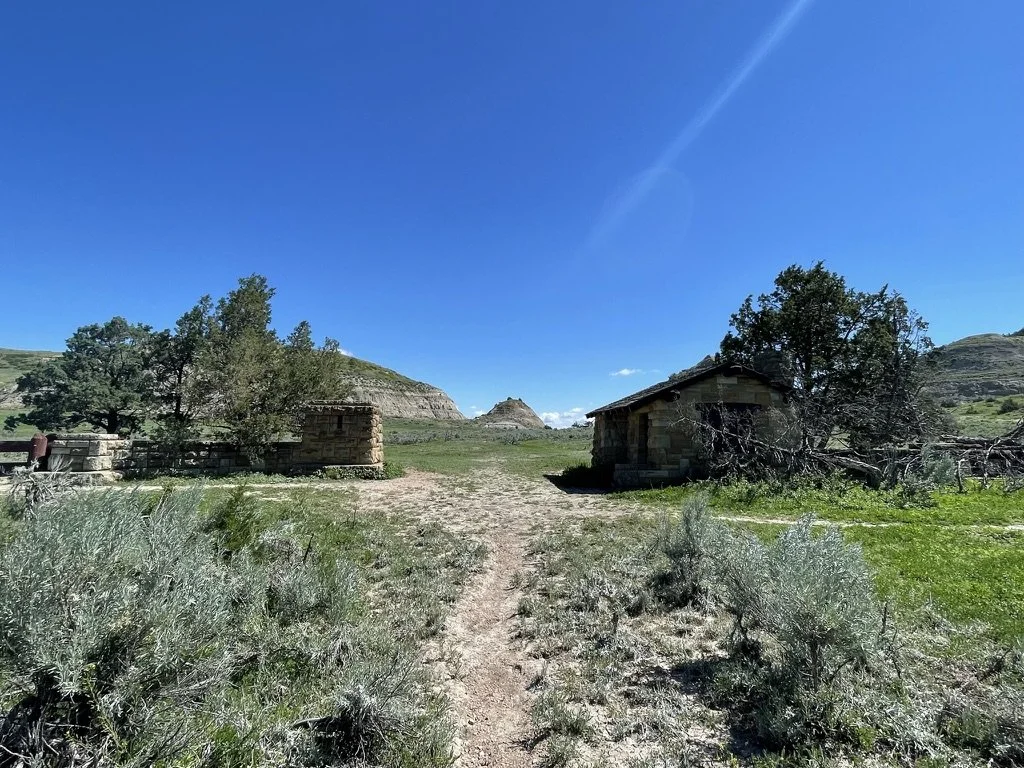
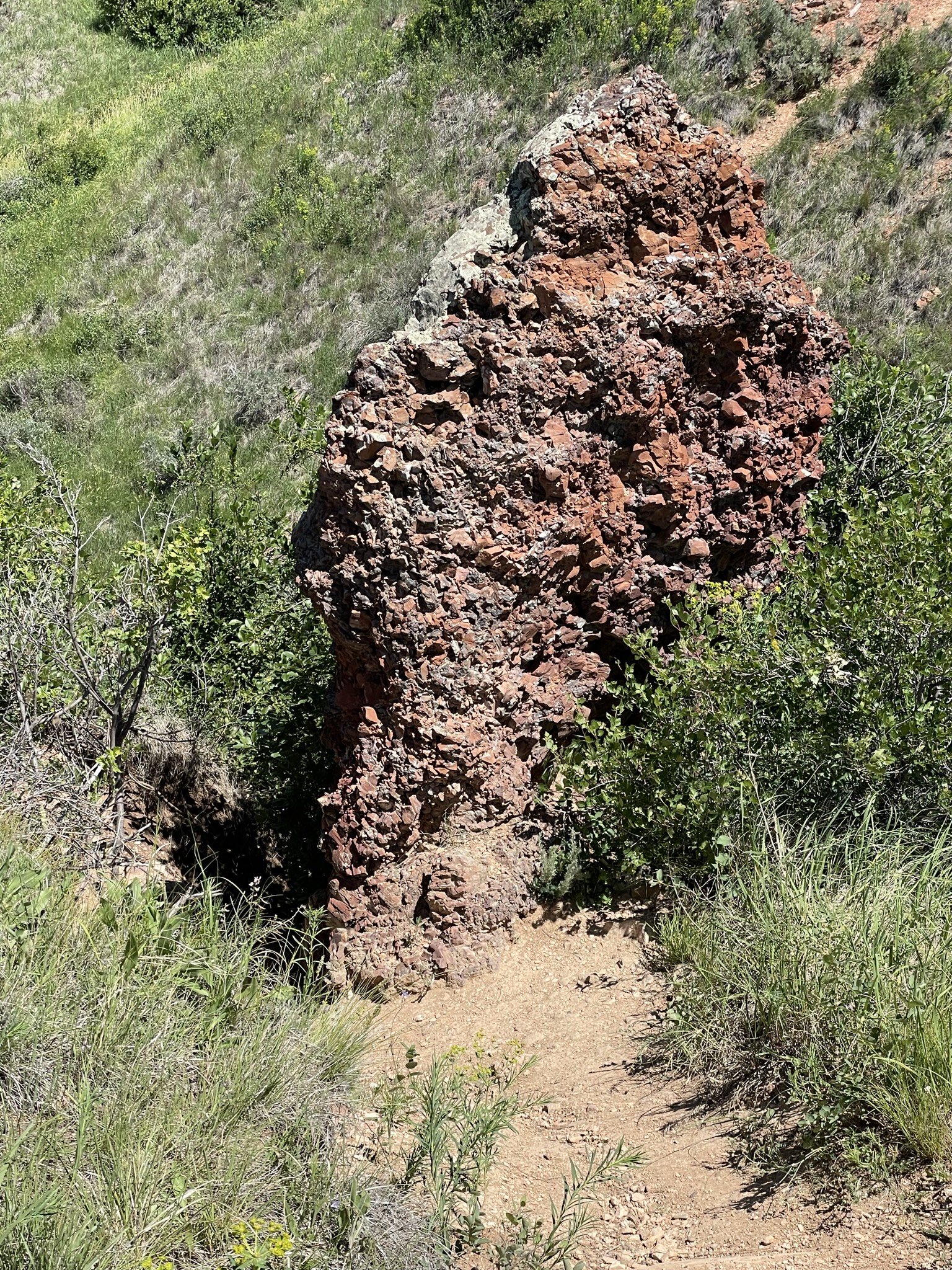
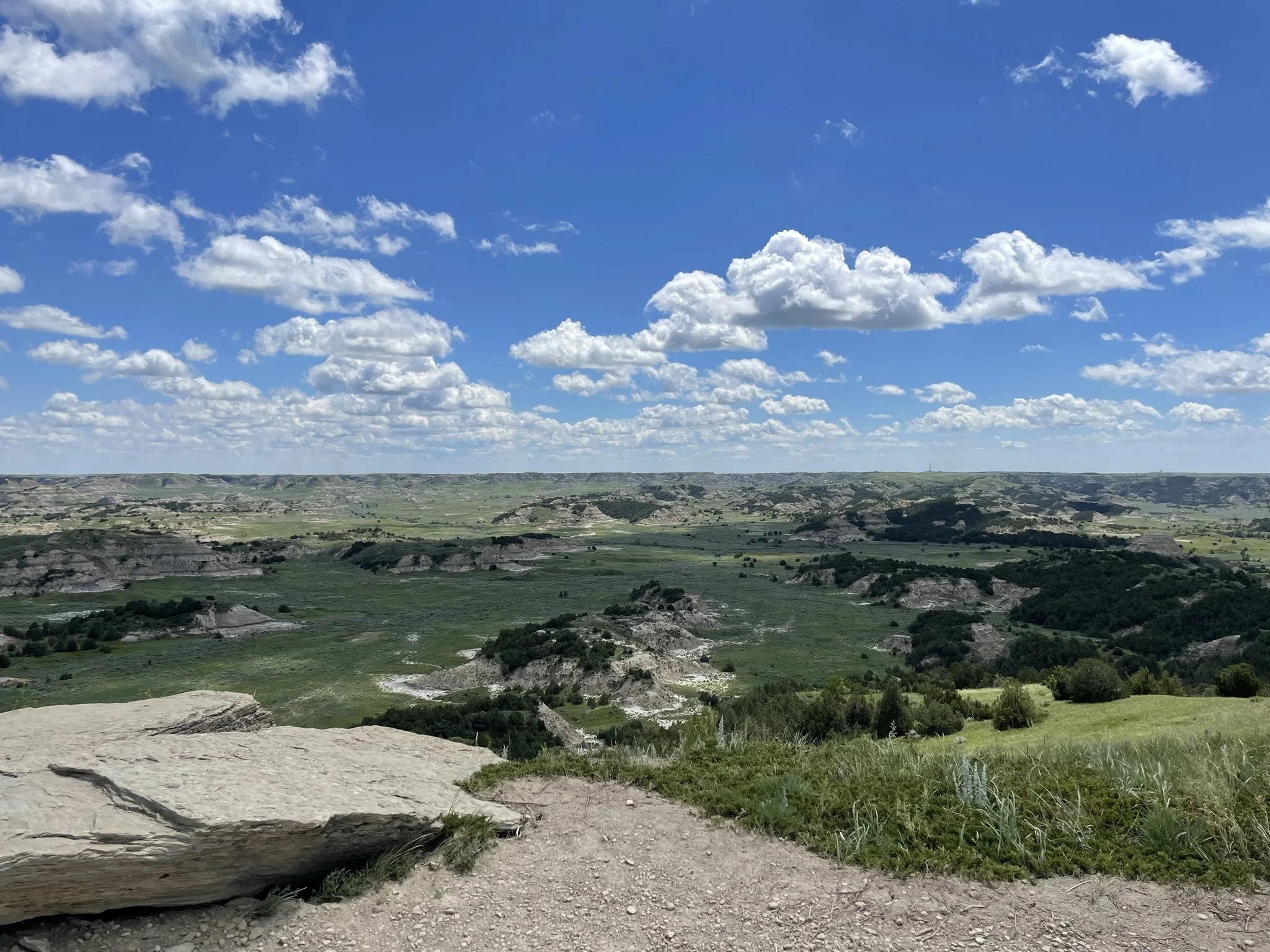
We capped off the entire experience with the quintessential Medora evening. The Pitchfork Steak Fondue (steak cooked on a pitchfork!) followed by the Medora Musical, where the sunset over the canyon serves as the ultimate stage backdrop.
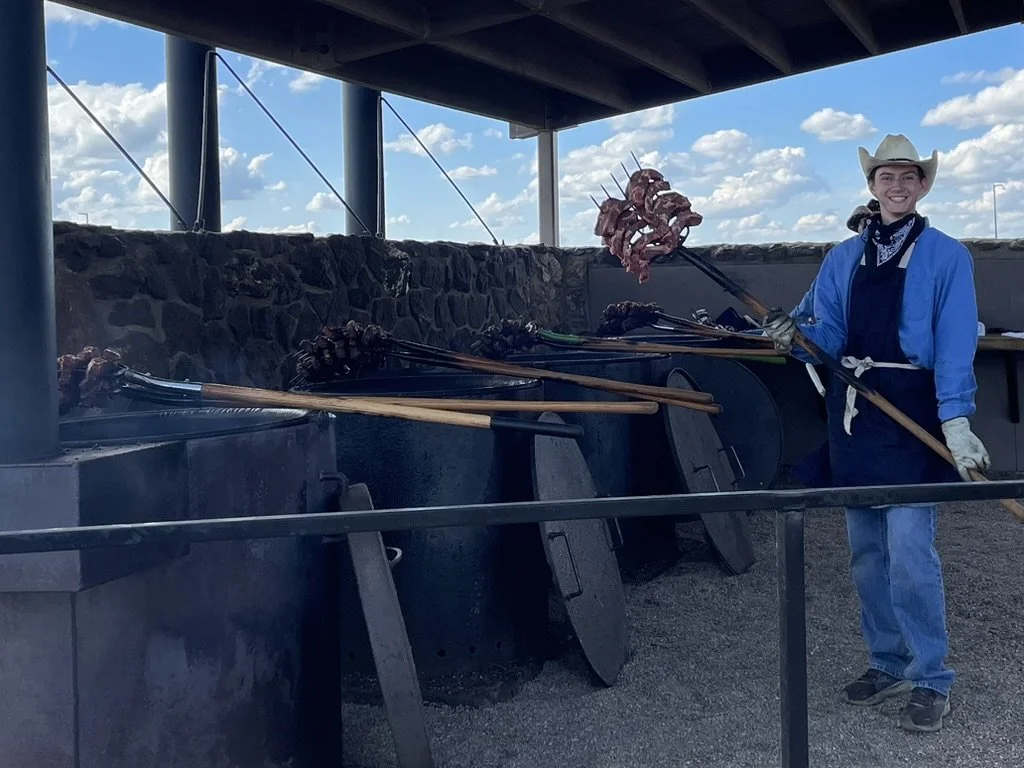
Pitchfork Fondue, Medora, North Dakota
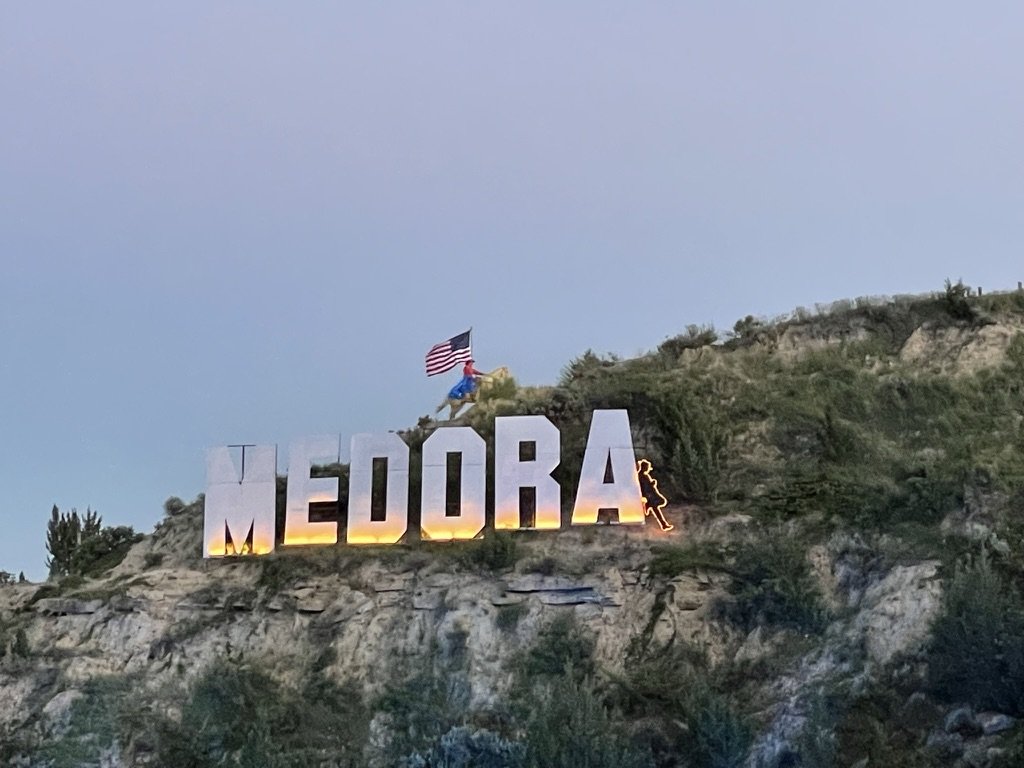
Medora Musical, Medora, North Dakota
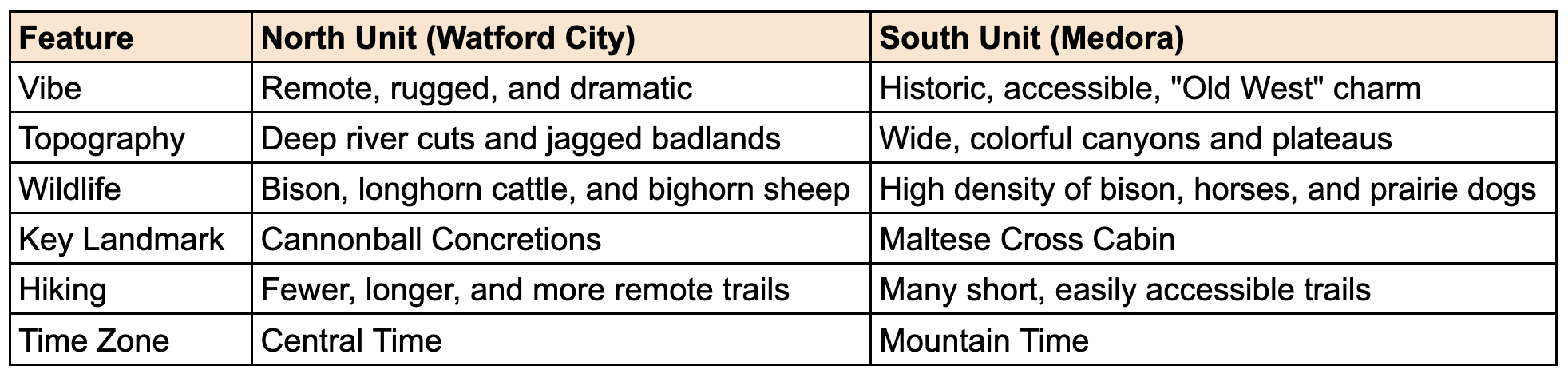
Theodore Roosevelt National Park: Understanding the Units
Because the park is split into distinct sections separated by 70 miles of highway, it can be helpful to see how they differ before you plan your route. Here is a quick breakdown of the unique personalities of the North and South Units.
✨ Must Experience Perspectives
Painted Canyon Overlook: This was our "welcome to the park" moment. The clay and sandstone walls change colors as the sun moves, creating a brilliant, layered vista.
Buck Hill (South Unit): The highest point in the park accessible by car. It provides a staggering 360-degree view of the badlands that seems to stretch on forever.
Maltese Cross Cabin (South Unit): Located right behind the South Unit Visitor Center, this humble cabin was Roosevelt’s first home in the badlands and holds several of his original belongings.
River Bend Overlook (North Unit): This provides the most iconic view of the North Unit’s remote landscape—a wide-angle look at the river valley that feels completely untouched by time.
Cannonball Concretions (North Unit): These strange, perfectly spherical boulders in the North Unit look like they were dropped by giants, but they were actually formed by mineral concentrations over millennia.
🎒 The Logistics
Lodging: The Rough Riders Hotel in Medora. Centrally located, clean, and beautifully themed.
Food: Bring snacks and a packed lunch for the loop drives, but there are restaurants in Medora. The Pitchfork Steak Fondue in Medora is a must-do for the experience alone. Watching steaks cooked on pitchforks in hot oil is pure North Dakota charm.
Park Access: The park is remote and spread out. Each unit has a scenic loop road (about 90 minutes to drive without stops), so a car is essential. Note that the Elkhorn Ranch Unit is very remote and requires a 4-wheel drive.
📝 Pro-Tips and Lessons Learned
Wildlife Awareness: This is a "living" park. You will see bison, wild horses, and prairie dogs. Keep a respectful distance—bison are much faster than they look!
Beat the Heat & Bugs: Summer is beautiful, but also hot and buggy. Bring a hat, high-SPF sunblock, and bug spray.
Start Early: To avoid peak-season traffic on the loop roads, get into the park by 8:00 AM. You’ll have the overlooks to yourself and a better chance of spotting wildlife in the cooler morning hours.
The "Two-Unit" Strategy: Don't skip the North Unit! It’s more remote and rugged than the South Unit, offering a quieter, more "wild" experience.
Mind the Time Zones: The South Unit is on Mountain Time, and the North Unit is on Central Time. Keep this in mind when planning your drives.
4WD Requirement: If you plan to visit the Elkhorn Ranch Unit, a high-clearance, 4-wheel drive vehicle is highly recommended. The final stretch consists of dirt roads that can become impassable with a little rain. Check in with a ranger at the South Unit Visitor Center for the latest road conditions before attempting the drive.
💡 Final Thoughts
Theodore Roosevelt National Park is a place that proves you don’t need mountain peaks to be moved by a landscape. It lives up to its namesake—bold, rugged, and full of character. Whether you are watching the sunset at the Medora Musical or watching a bison cross the road, it's a park that stays with you long after you’ve left the plains.
💬 Theodore Roosevelt National Park is often overlooked. What is the most underrated or surprising National Park you have visited or would like to visit in the U.S.? Let me know in the comments below! Stay curious, leave no trace, and always watch the park film! See you on the trail!
