
🚧 What To Do When the Journey Stalls
There is magic in the open road, the thrill of watching a new horizon open up, and the deep satisfaction that comes from meticulous planning. We map out the scenic overlooks, secure the necessary park passes, and mentally place ourselves in the landscape weeks before the suitcases are even zipped. There is a specific kind of momentum that builds when a long-anticipated journey finally begins.
But what happens when that momentum hits a wall?
Recently, we set out on a highly anticipated road trip through the dramatic canyons of Utah, red rock dunes of Northern Arizona, and the vibrant landscapes of New Mexico. The excitement was tangible, the itinerary was set, and we were already in California, physically on the road and mentally checked into travel mode. Then, an unpredictable medical issue brought everything to a sudden, grinding halt.
In an instant, the conversation shifted from "Which trailhead are we hitting first?" to "How quickly can we get back home?"
Every traveler fears the detour, especially the one that forces one to turn around completely. It is a jarring, frustrating experience that tests patience, finances, and relationships. Yet, true travel resilience is not measured by how perfectly we execute the original travel plan. It is measured by how we handle the forced pit stop, manage the heavy sigh of disappointment, and safely navigate the route back to baseline.
The Emergency Exit: Prioritizing the Pivot Home
When a crisis hits on the road, the initial instinct can be a mix of denial and stubbornness. We wonder if we can push through, or if a night of rest will magically clear the runway. But when health is on the line, clarity comes fast. The most critical skill in the travel toolkit becomes knowing exactly when to pull the plug and how to execute an efficient exit strategy.
Getting back to home base quickly and safely requires stripping away the noise of the canceled itinerary and focusing entirely on immediate logistics. It means assessing physical limits, understanding the transportation options, and choosing the path of least resistance back to the safety zone to address the issue.
When the rails fall off, there is no room for hesitation or ego. Accepting that the trip is over for now and clearing the path to return home is the first and most important step in managing a travel crisis. It is not a failure. It is a necessary, smart tactical retreat.
Protecting the Investment: The Financial Safety Net
The only thing worse than the medical emergency cutting a trip short is the lingering sting of financial loss compounding the stress. When sitting in a hotel room or an airport terminal trying to sort out a crisis, the last thing anyone wants to worry about is a cascading waterfall of non-refundable fees.
This is where the invisible infrastructure of travel planning pays off. Minimizing the financial impact of a sudden cancellation requires two essential shields: cancellable reservations and/or robust trip insurance.
When booking, it is easy to opt for the non-refundable, lower rate because there is the assumption that nothing will go wrong. But building flexibility into the bookings, from rental cars to accommodations, provides an immediate out when life throws a curveball. For everything else, a comprehensive travel insurance policy or a credit card with excellent trip interruption protection acts as a financial shock absorber.
Knowing that the travel investments are protected allows one to focus 100% on what actually matters in that moment: health and recovery. It transforms a potential financial disaster into a minor administrative hurdle, keeping hard-earned travel funds intact for when it’s time to hit the road again.
The Relationship Stress Test: Traveling with the Right Crew
Travel mishaps have a unique way of magnifying tension. When plans collapse, it is easy for a group dynamic to slide into a blame loop, where frustration over missed experiences bubbles to the surface. A crisis will instantly reveal the true strength of a travel circle.
One of the greatest assets of traveling is a crew of good friends who truly understand the predicament. There is an immense sense of relief when, instead of dealing with passive-aggressive sighs or resentment over altered itineraries, the group response is immediate empathy, flexibility, and grace.
When the unexpected happens, protecting relationships from the fallout of disappointment is vital. It requires a shared understanding that separates bad luck from bad intent. No one chose for the trip to derail, and being surrounded by people who lift the burden rather than adding to it changes the entire experience. It turns a stressful detour into a moment of shared resilience, proving that the company kept is always more important than the destination on the map.
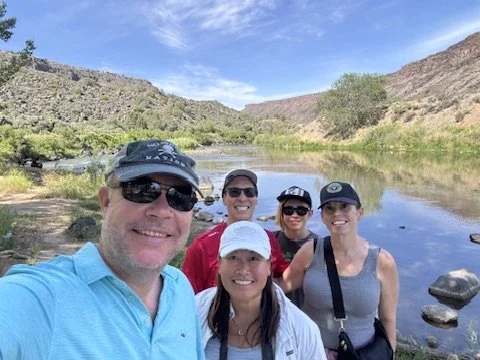
Resilient Travel Crew at Taos Junction Bridge, New Mexico

Back on the Road, Rio Grande Overlook, New Mexico
Managing the Forced Pit Stop: Coping with the Disappointment
Once the logistics are sorted, the refunds are initiated, and the return home is safely made, the mental shift begins. The immediate adrenaline of managing the crisis fades, leaving behind the heavy weight of disappointment. Though physically back, the mind still wants to be out west, watching the sun drop below a red rock canyon.
Dealing with the loss of a highly anticipated trip requires its own specific toolkit. It is completely natural to feel a wave of frustration or the urge to shut down and ignore anything travel-related for a while.
To navigate that post-cancellation funk, we executed a couple of gentle strategies:
The 48-Hour Decompression: Explicit self-permission to be disappointed and not force a silver lining or immediately hunt for a "Plan B" alternative. Allow a solid day or two to wish we were somewhere else and process the frustration of a halted journey.
Cultivating the Travel Feeling: When we were ready to shake off stagnation but still physically recovering or grounded, we sought out that "travel feeling" locally. Flights across the country are not required to experience a sense of discovery. A beach day, a few hours at a peaceful local botanical garden, or a meal at an untried restaurant can offer a tiny dose of that expansive, curious mindset without any of the logistical stress.
A canceled trip is a pause, not a permanent full stop. Giving oneself the space to feel the disappointment without letting it harden into bitterness is how we kept our travel spirit intact.
Looking Toward the Horizon: The Revised Path
The most effective remedy for a cut-short journey is simple: start looking forward again. A disrupted itinerary does not mean those destinations vanish from the bucket list. It just means they turn into a postponed destination.
Our revised path is already underway as we resume our journey to New Mexico to reconnect with the friends who supported us through the pivot, proving that relationships are indeed the most vital part of the itinerary. As for the red rocks of Moab and the hoodoos of Bryce, we are already discussing our return to Utah’s Mighty Five for next spring.
The landscapes are not going anywhere. They are waiting exactly where they have been for millennia, indifferent to our timeline. When the time comes to pivot back to those plans, the anticipation will be even sweeter for the wait. True travel resilience is keeping the eyes fixed on the horizon, no matter the delays. The detour was merely a brief pause on a much larger map, and the journey is far from over.
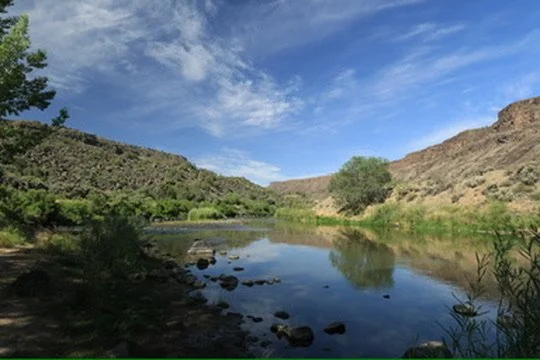
Rio Grande, New Mexico
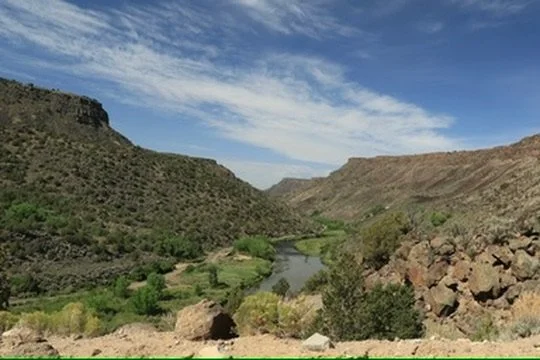
Rio Grande, New Mexico
💬 Have you ever had to manage a trip interruption? Share how you handled the detour in the comments.
