⛰️ 7 Days in the Western Highlands: A Scotland Road Trip to Loch Lomond, the Isle of Skye, and the Isle of Mull
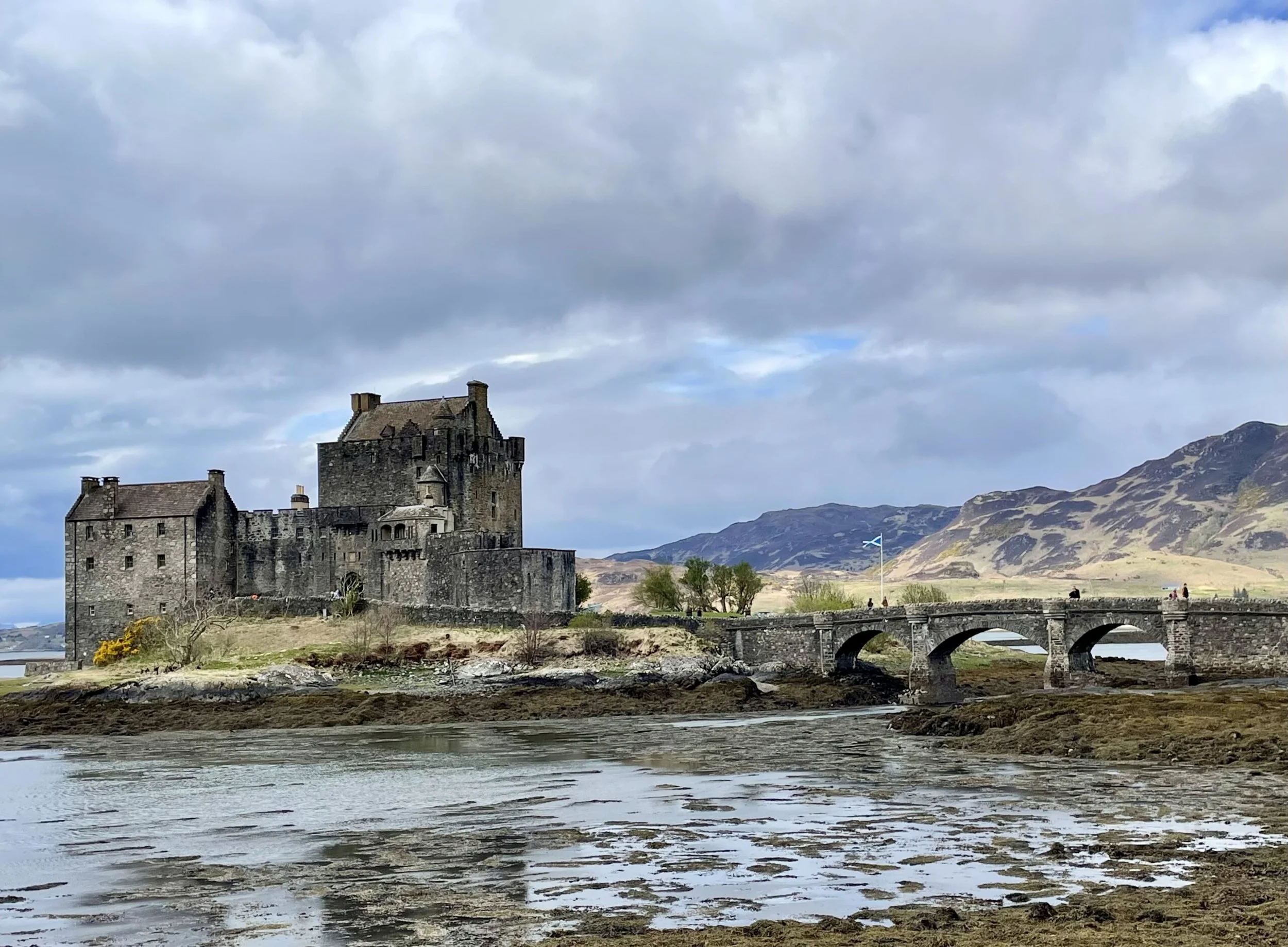
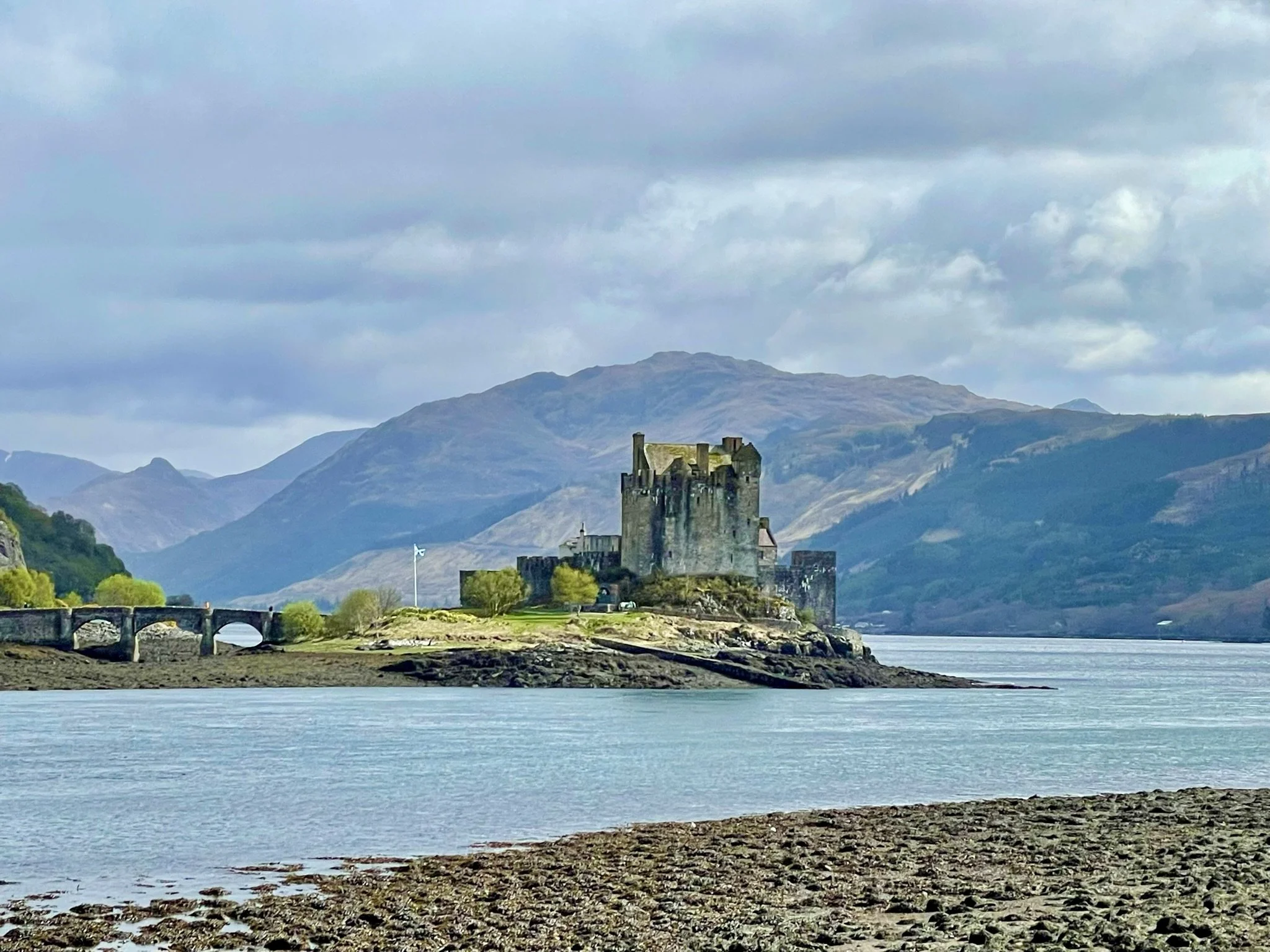
Eilean Donan Castle, Scotland
With only 7 days, we are barely scratching the surface of what the Western Highlands has to offer. As such, we had to be selective about where we would stay and which sites to visit.
The tourist season in the Western Highlands is from April to October. If you travel outside of that window, you’ll find many places closed or operating at minimal capacity. And during the season, accommodations, restaurants, and activities will get booked up quickly. We travelled in April, the start of the season, and it was a mixed bag on getting the reservations we wanted, specifically for accommodations and restaurants.
Our road trip itinerary included the following:
Loch Lomond: Gateway to the Highlands
Fort William: The Outdoor Capital
Loch Ness: Legend of the Great Glen
Isle of Skye: The Misty Isle
Oban: Seafood & Stone
Isle of Mull: Wild and Remote
Leaving the Highlands: Castles and Oysters
Loch Lomond: Gateway to the Highlands (1 Day)
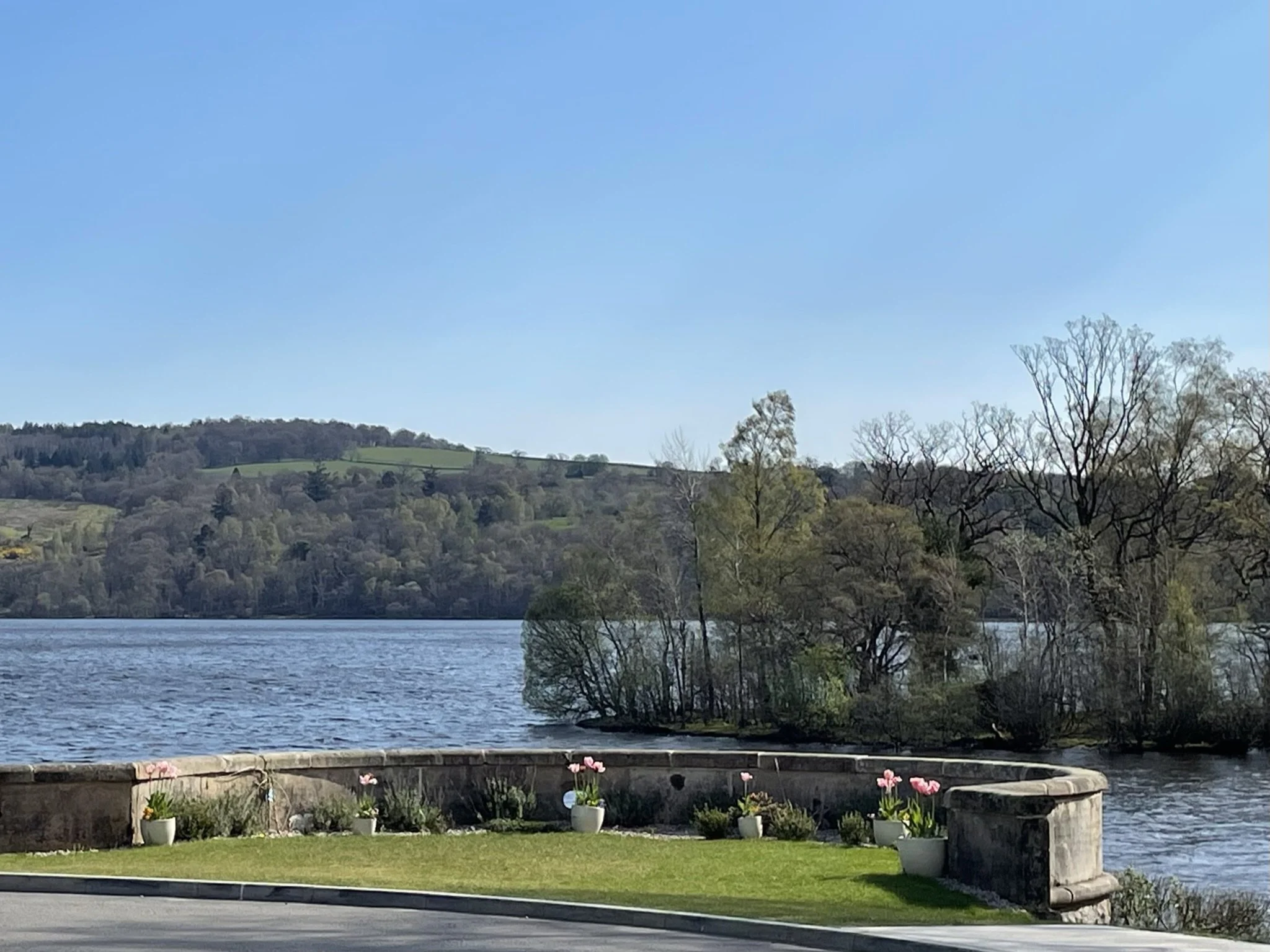
Loch Lomond is a loch (Scottish lake) on the boundary between the Highlands and Lowlands of Scotland, and a stunning introduction to the Scottish landscape, where the rolling hills of the Lowlands transform into the rugged peaks of the Highlands. We stayed here for one night after traveling from Edinburgh to break up the drive.
On our way to Loch Lomond from Edinburgh, our stops included:
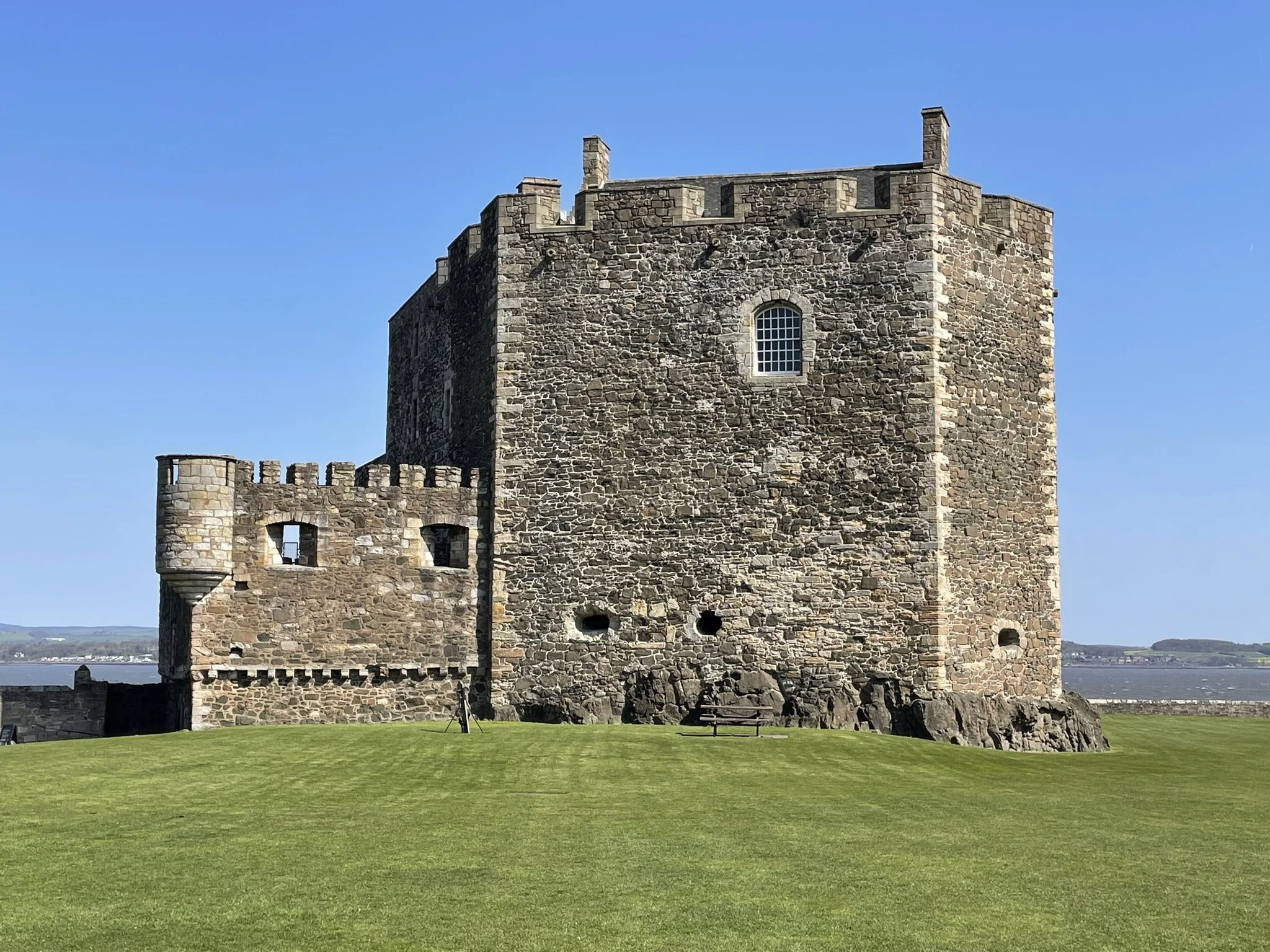
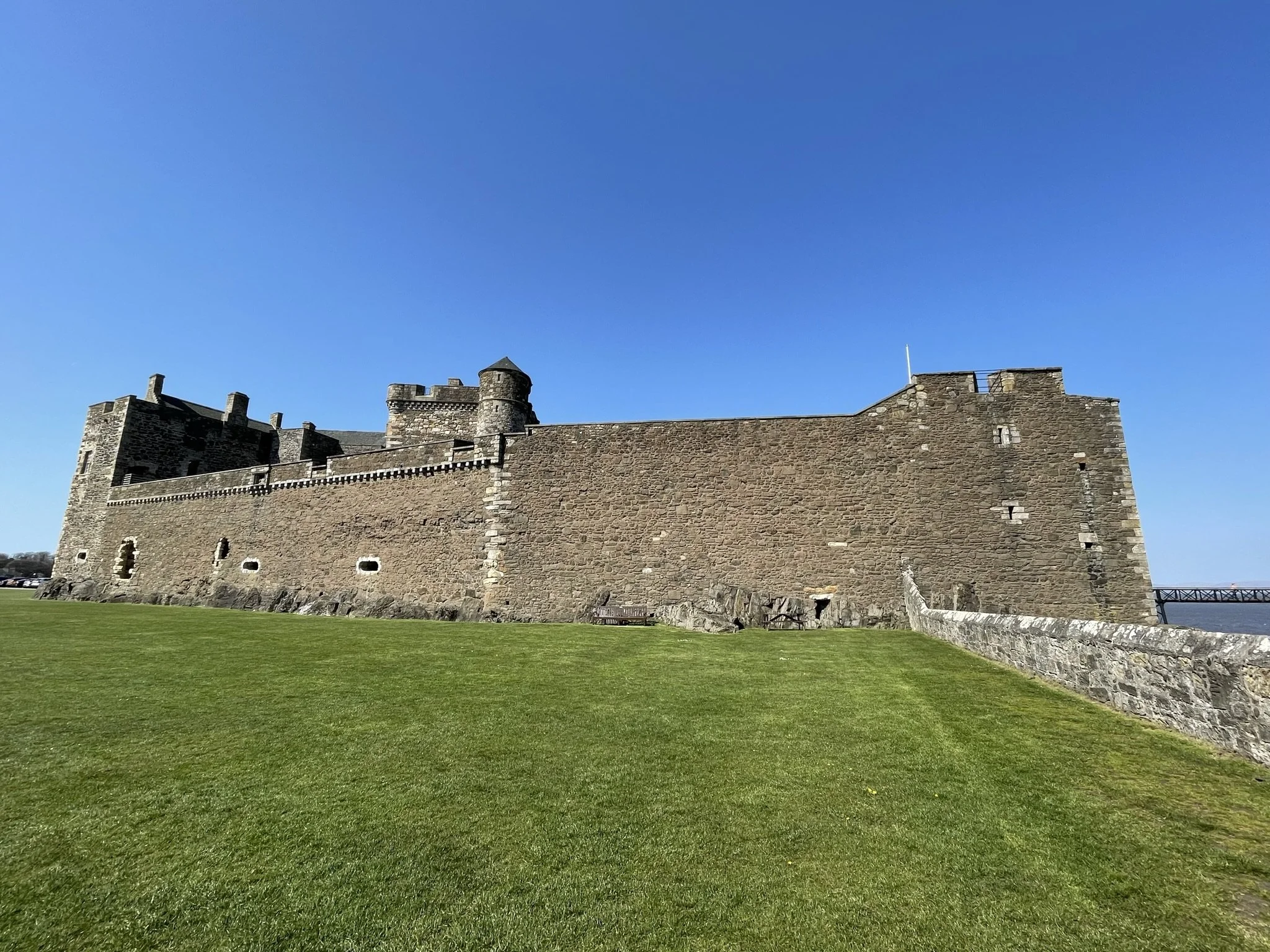
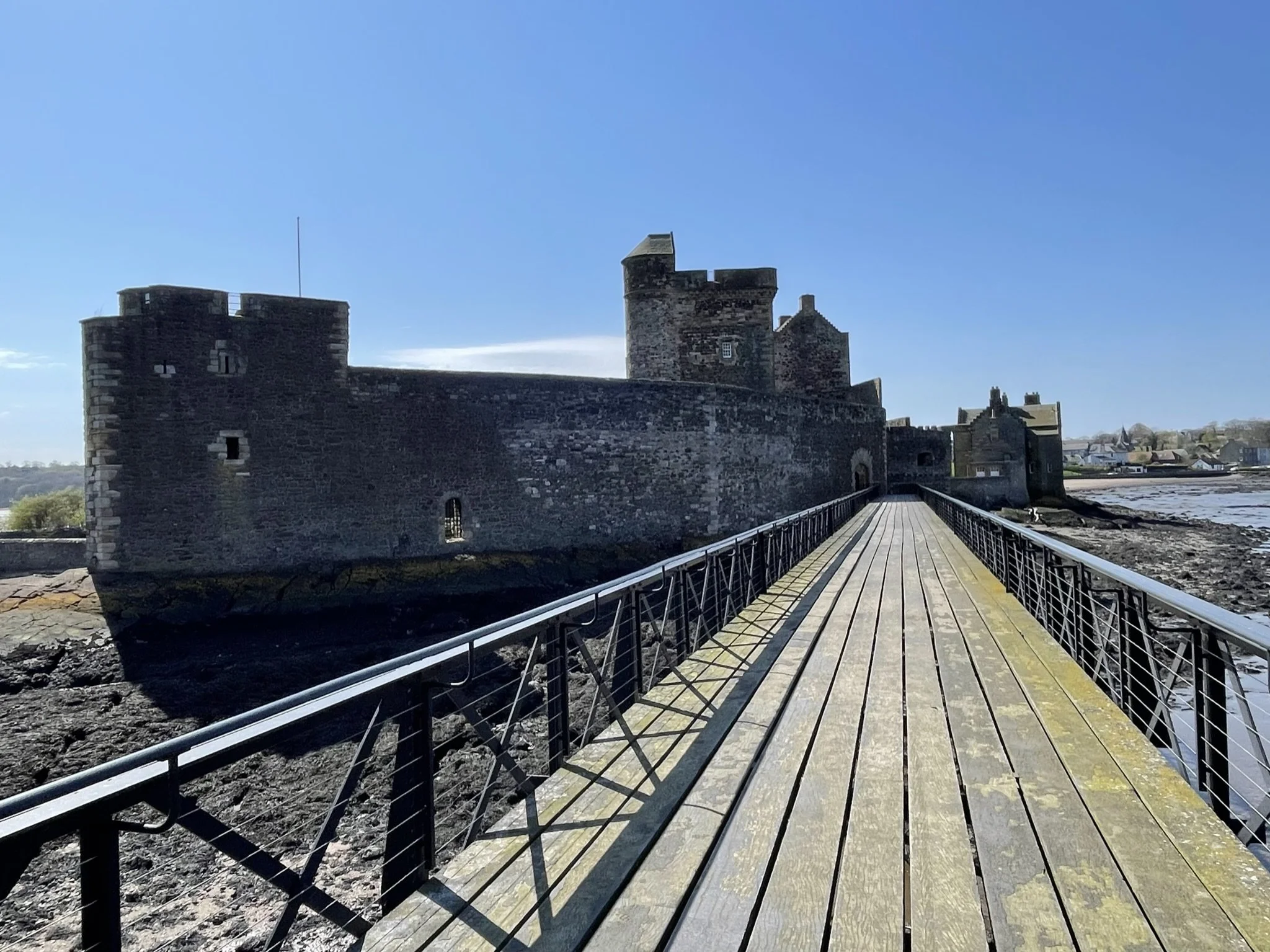
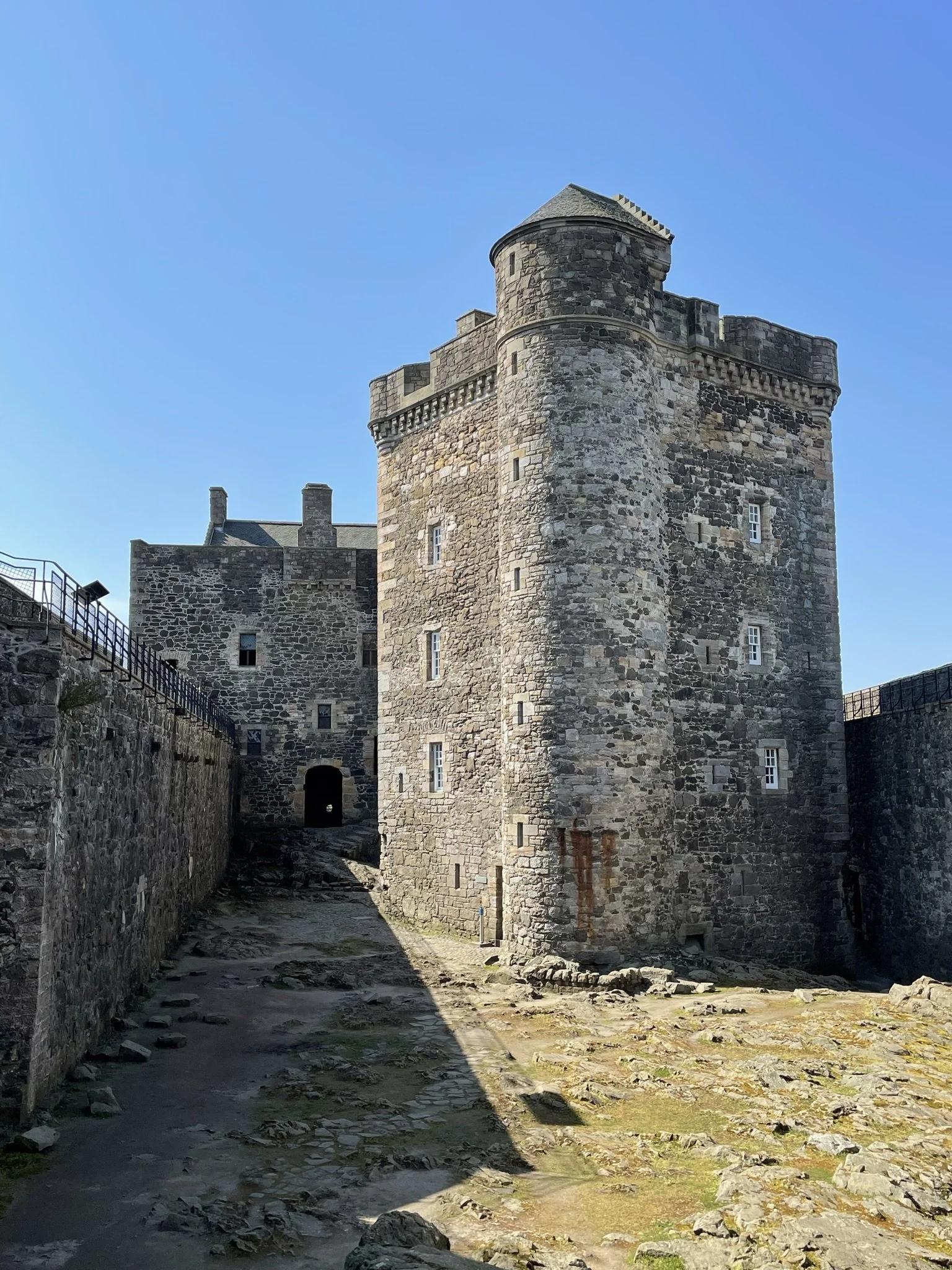
Blackness Castle: Often called "the ship that never sailed" due to its stone prow-like shape jutting into the Firth of Forth. It's grittier and more fortress-like than the average castle, as it also served as a prison.
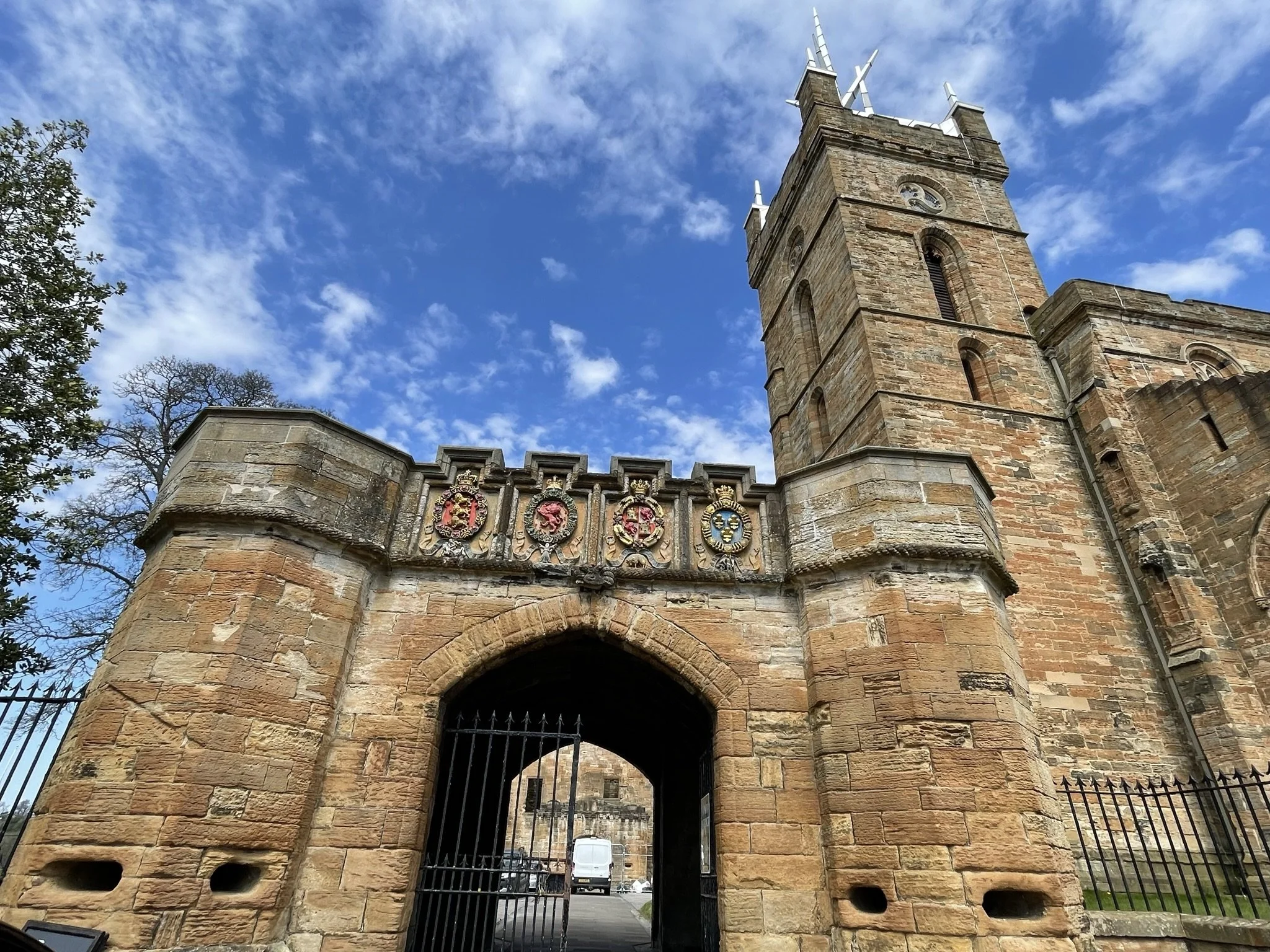
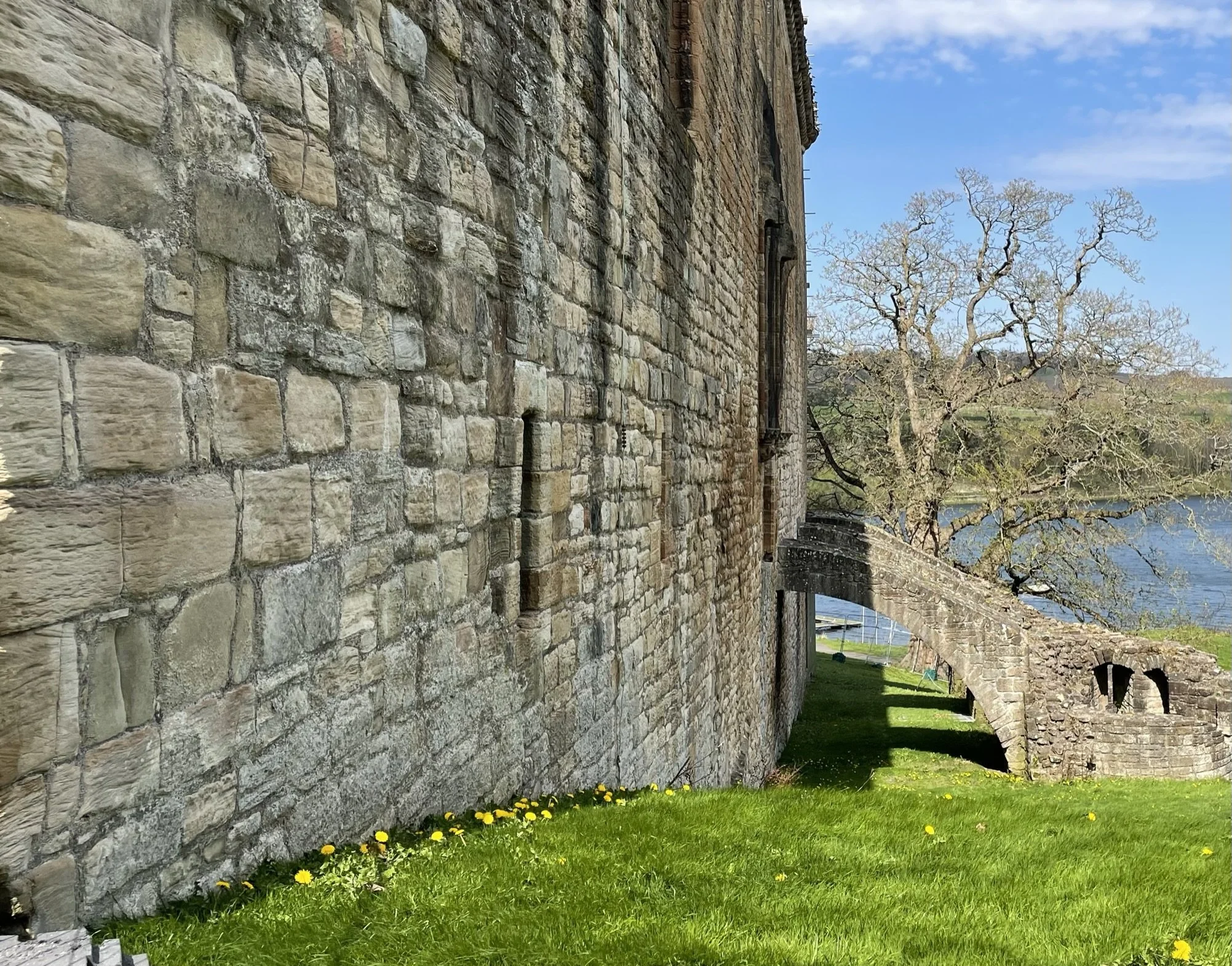
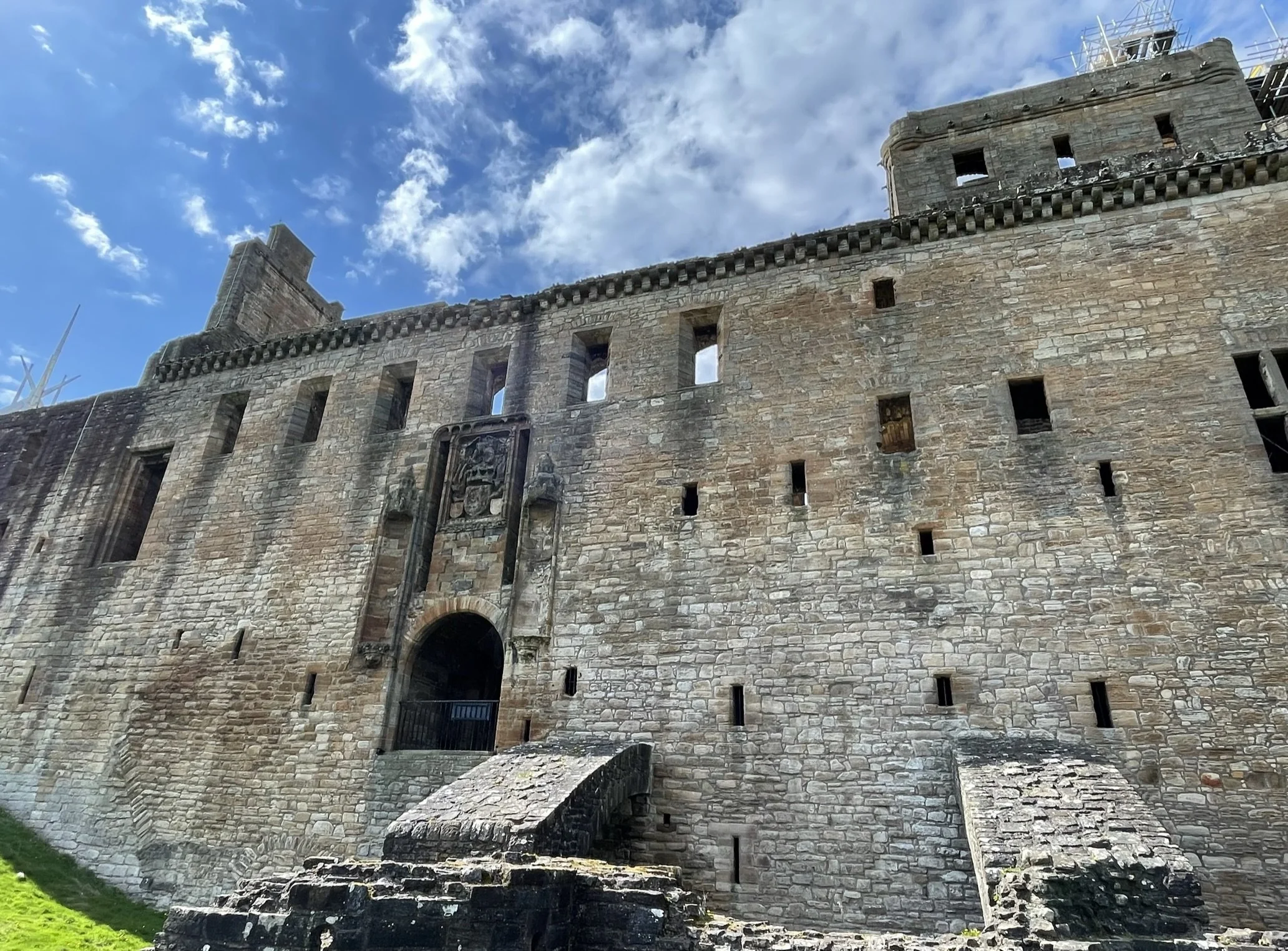
Linlithgow Palace: A hauntingly beautiful ruin that was the principal residence of the Scottish monarchs in the 15th and 16th centuries, and the birthplace of Mary Queen of Scots.
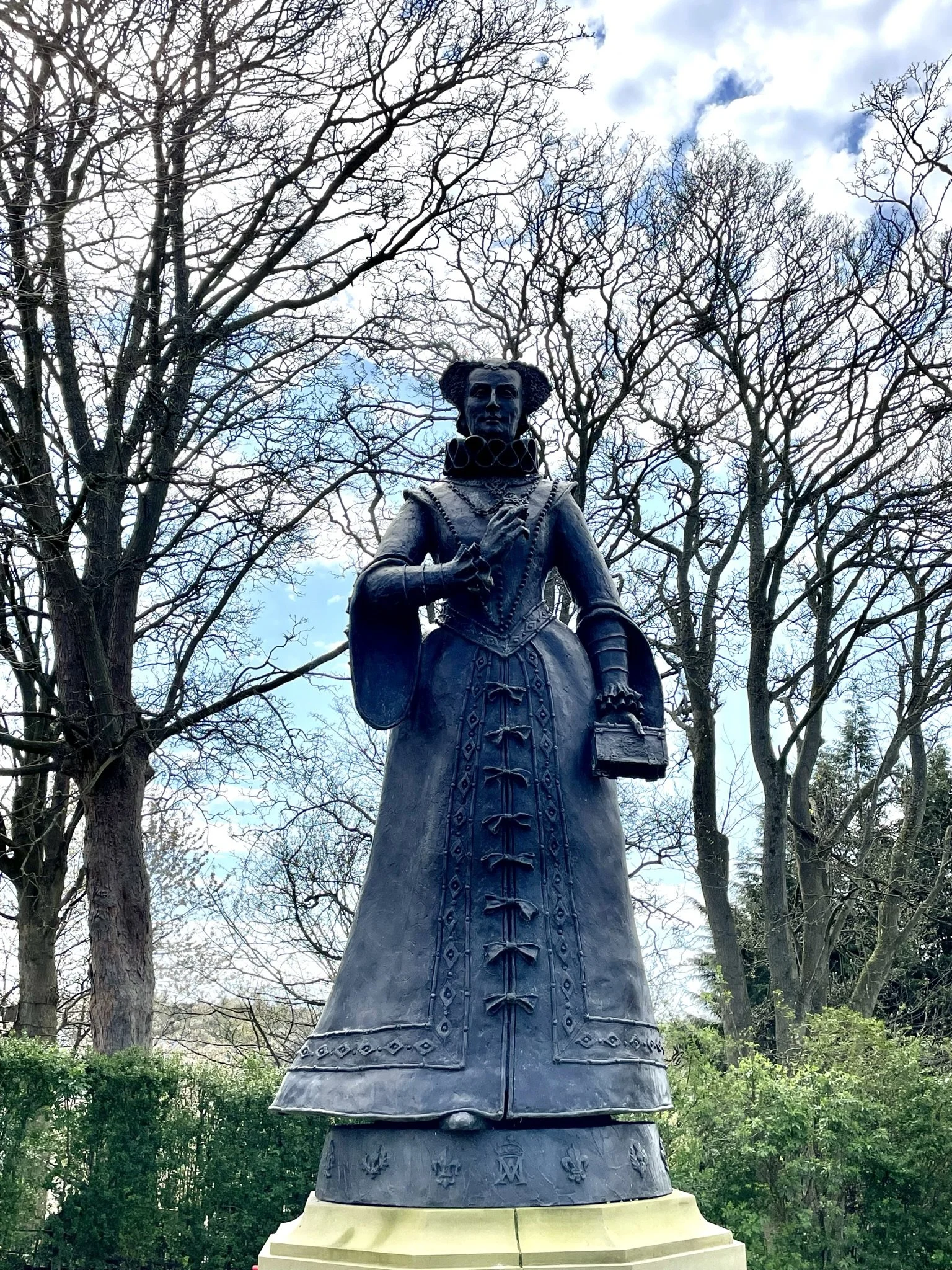
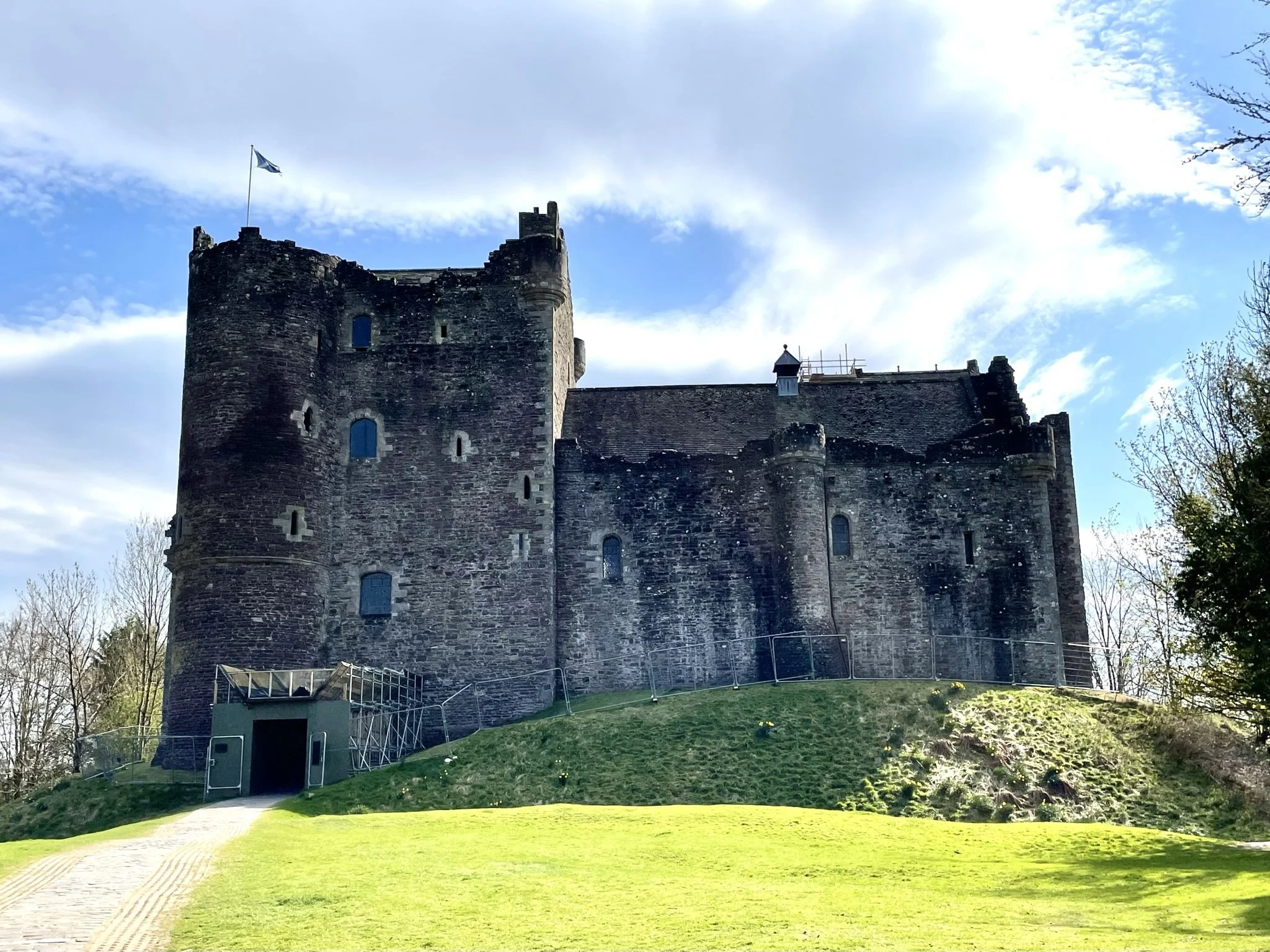
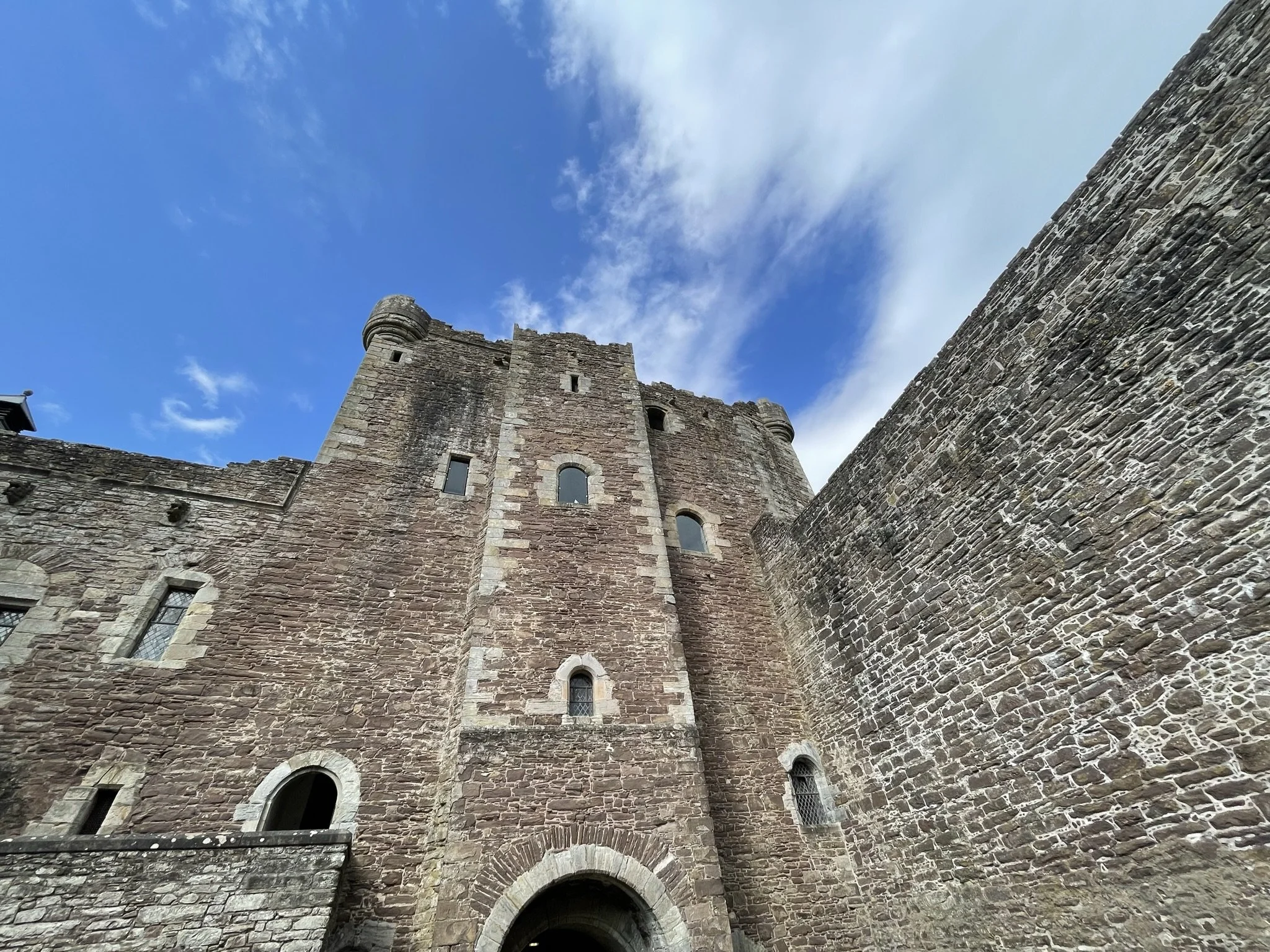
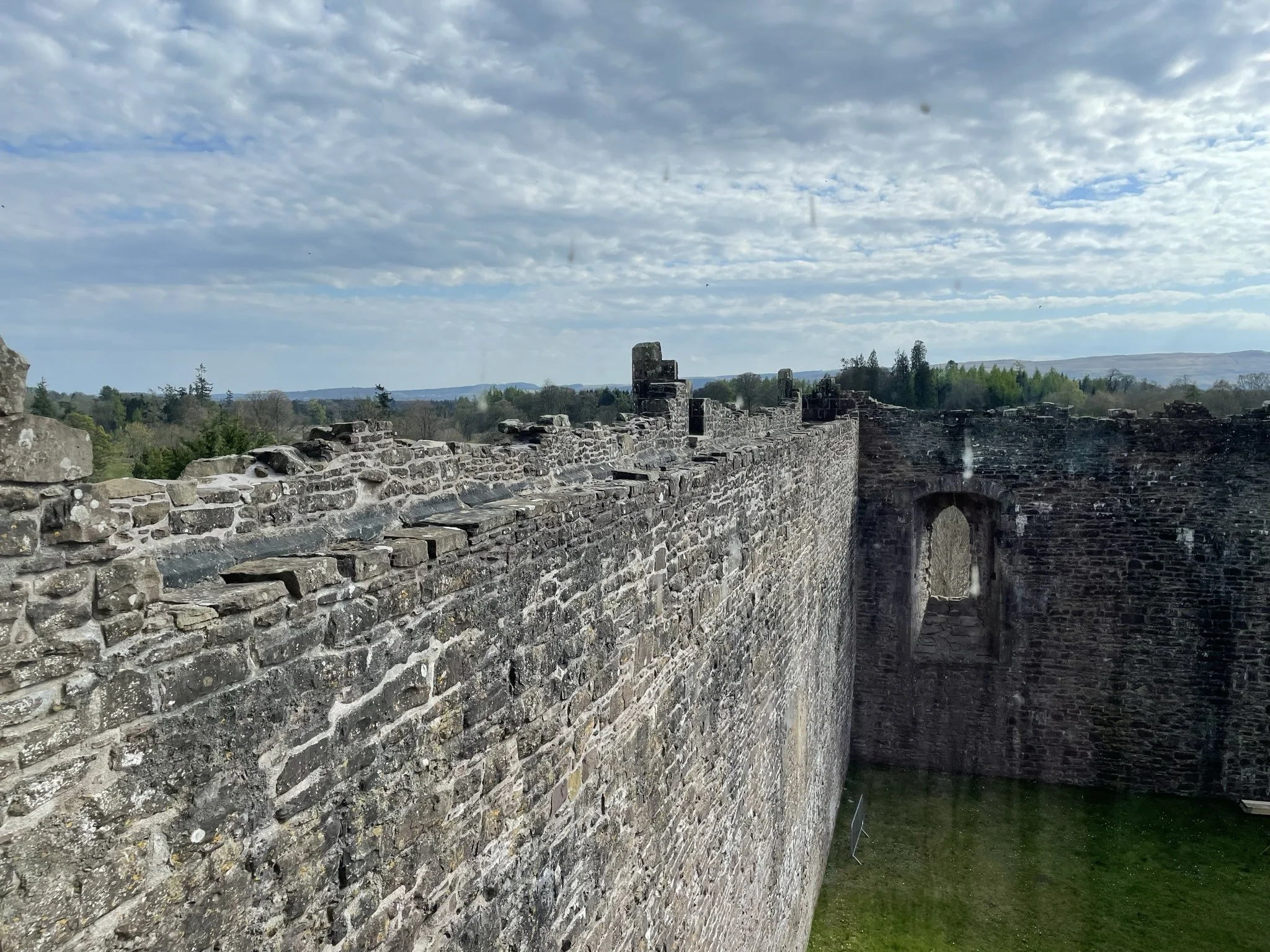
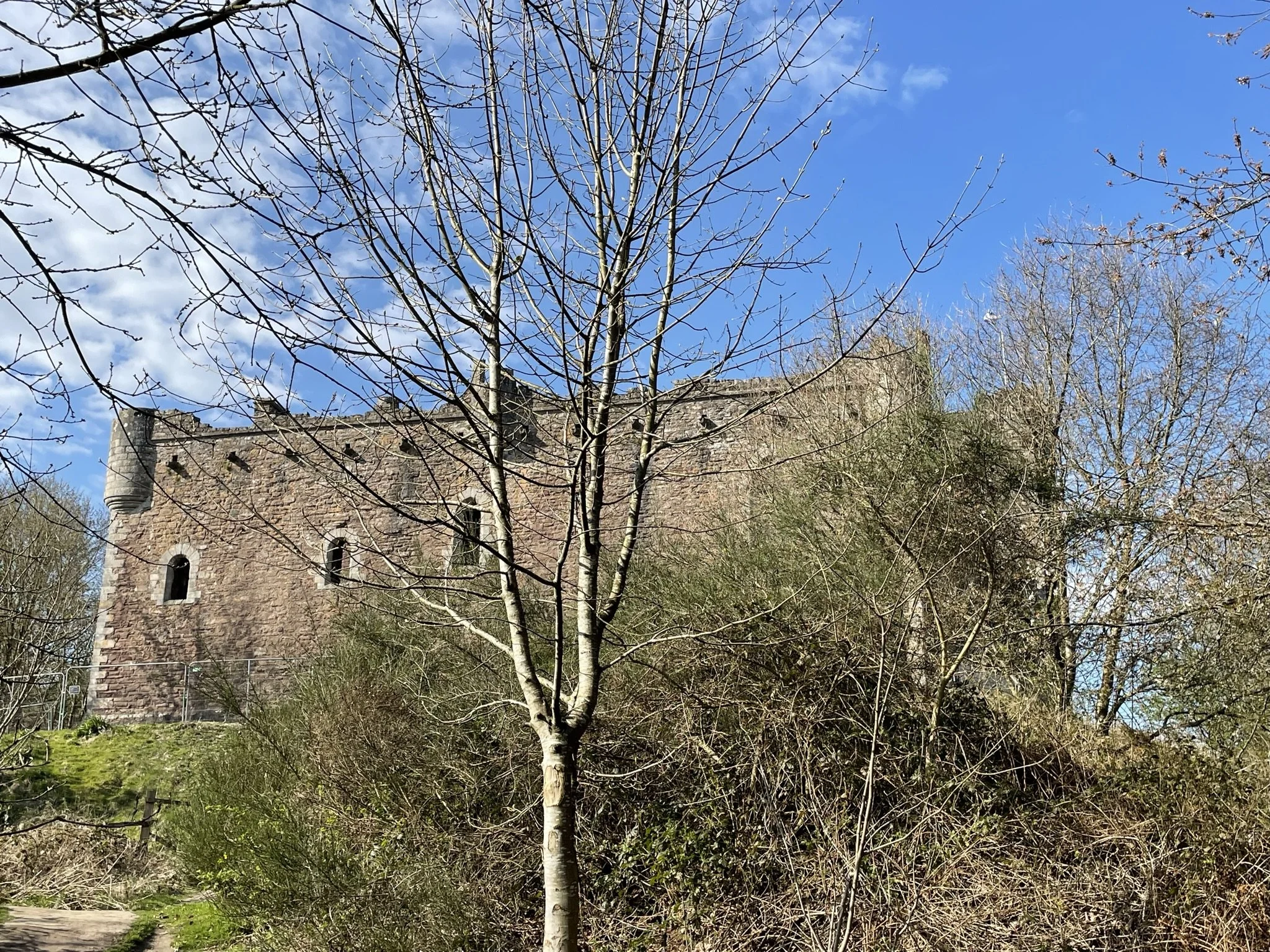
Doune Castle: A pilgrimage site for pop-culture fans! Whether you’re looking for Winterfell from Game of Thrones, Outlander’s Castle Leoch, or want to bang some coconuts together like Monty Python, its courtyard is an incredibly well-preserved filming site.
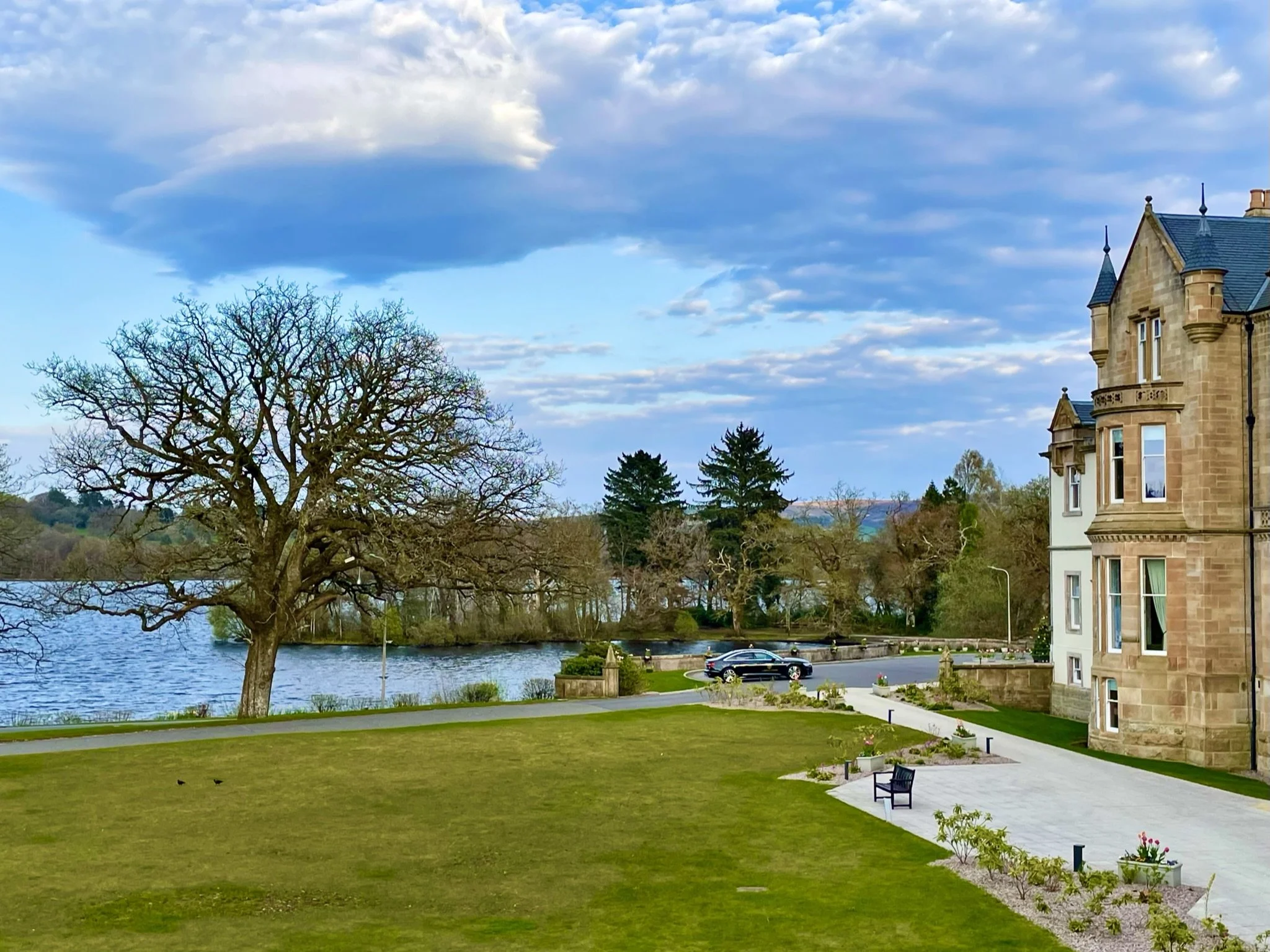
We stayed at Cameron House, which offers quintessential Scottish luxury after a long day’s journey. It’s a five-star resort that perfectly balances the grandeur of a 17th-century baronial mansion with sleek, modern luxury
Fort William: The Outdoor Capital (1 Day)
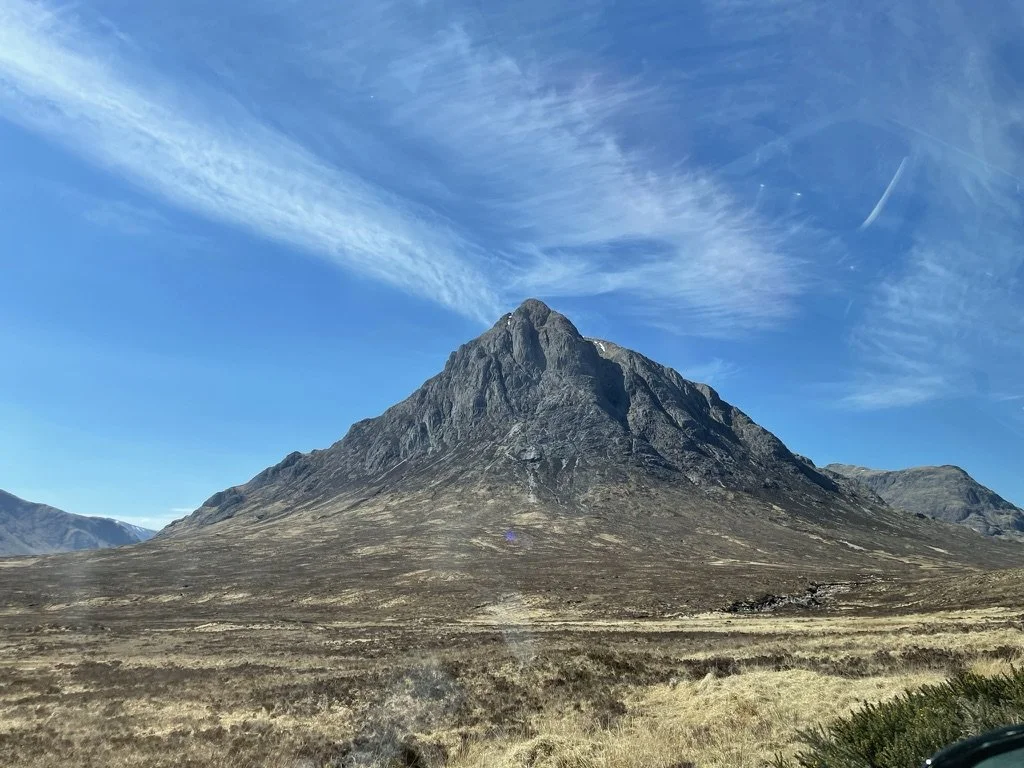
The drive from Loch Lomond to Fort William via Glencoe is one of the most scenic stretches of road in the UK. Our stops along the way included:
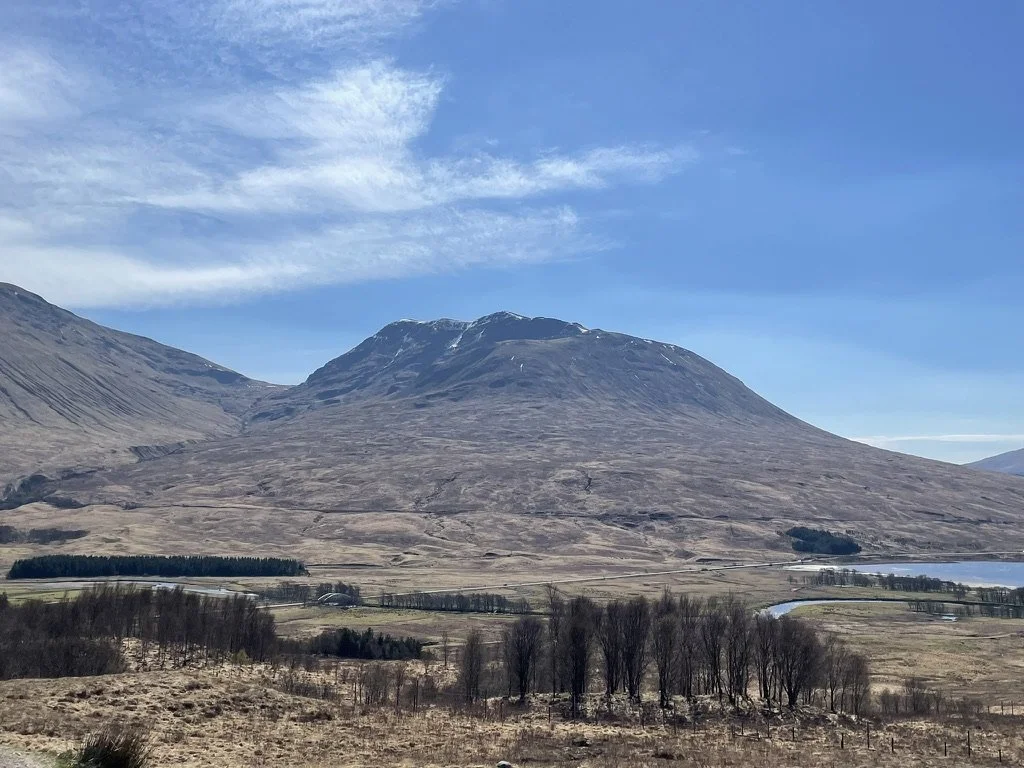
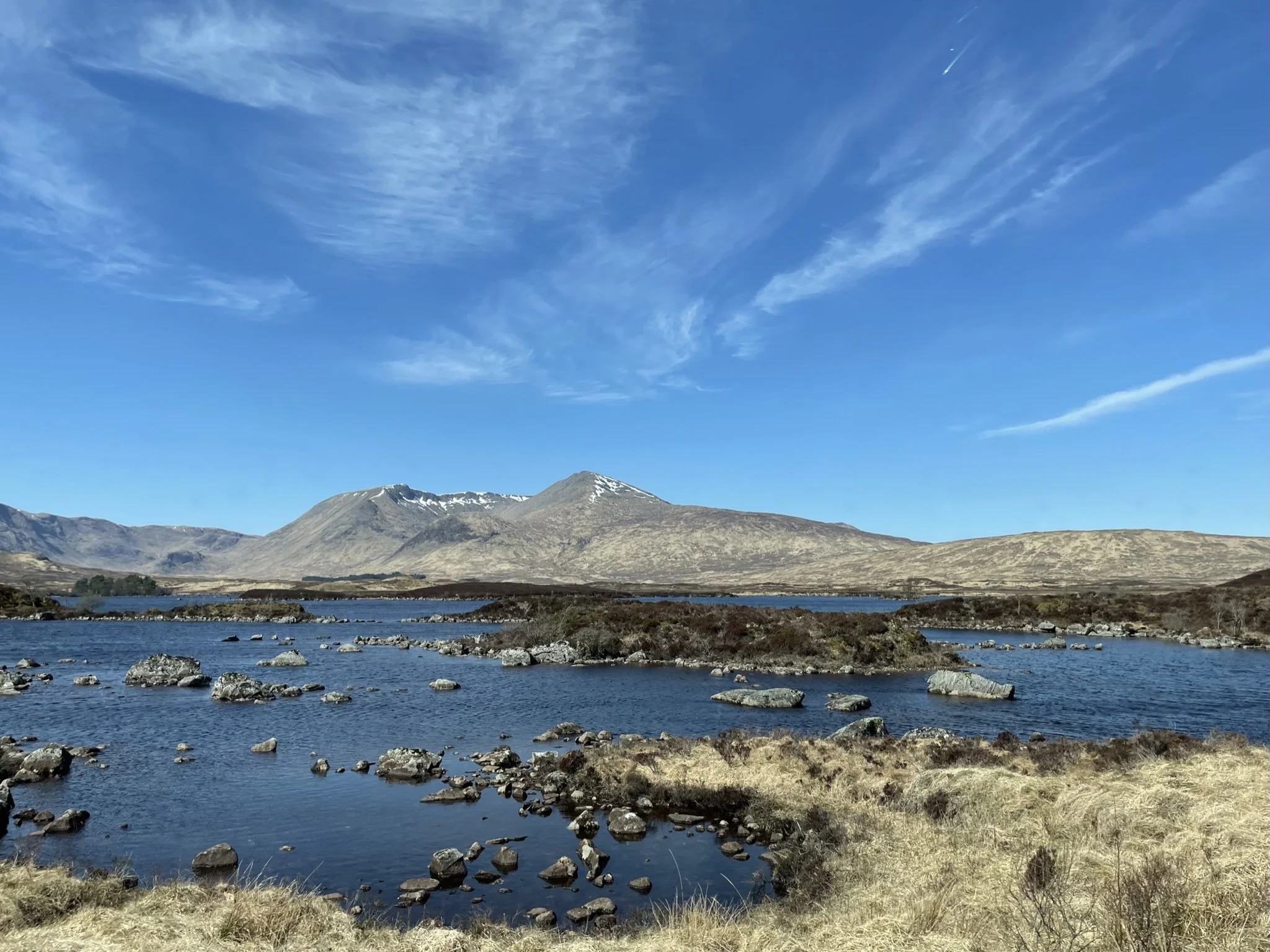
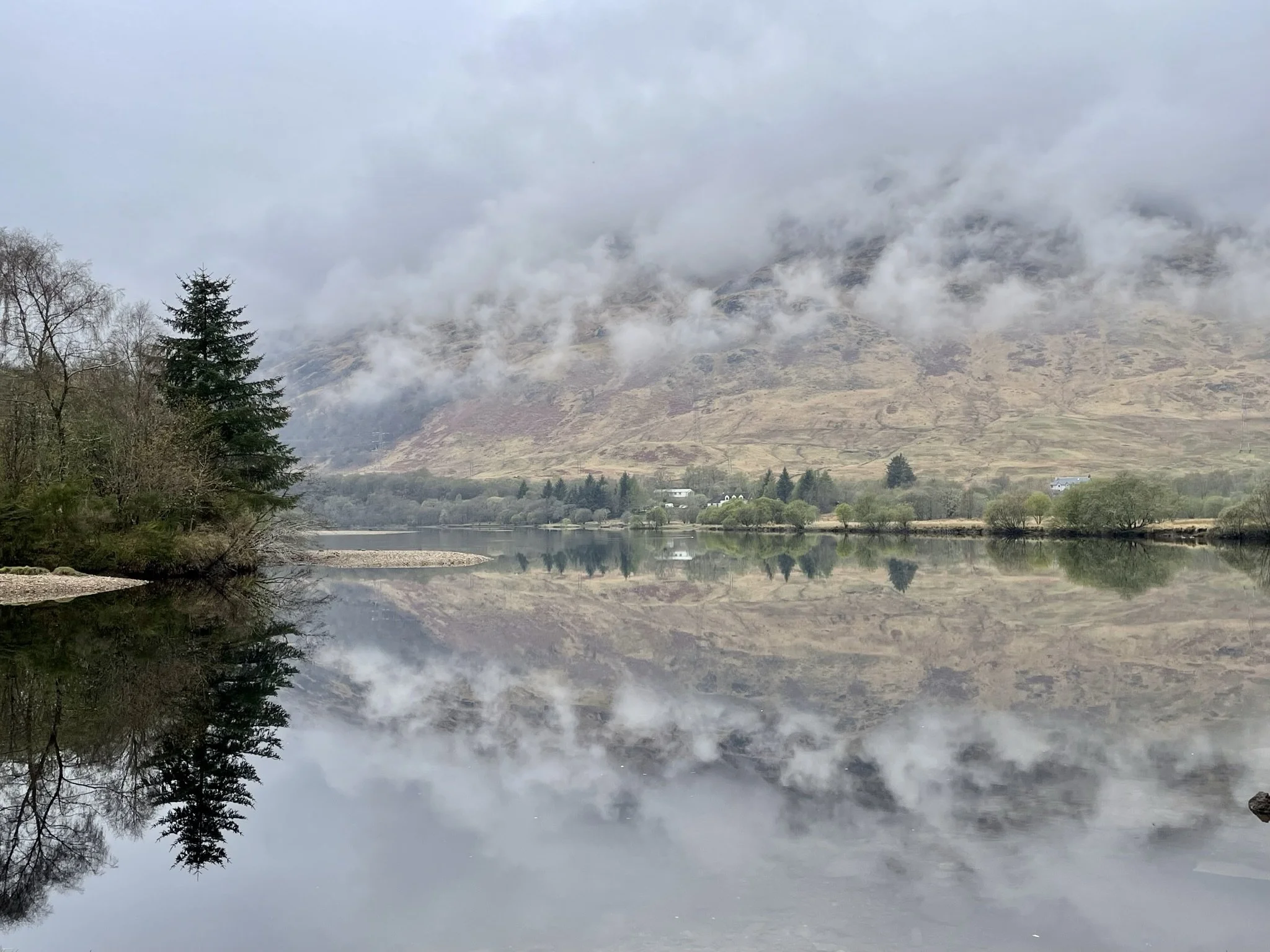
Loch Tulla Viewpoint: A perfect pull-off to see the "Black Mount" mountains reflecting in the water, and a nice place to stretch our legs about an hour into the drive
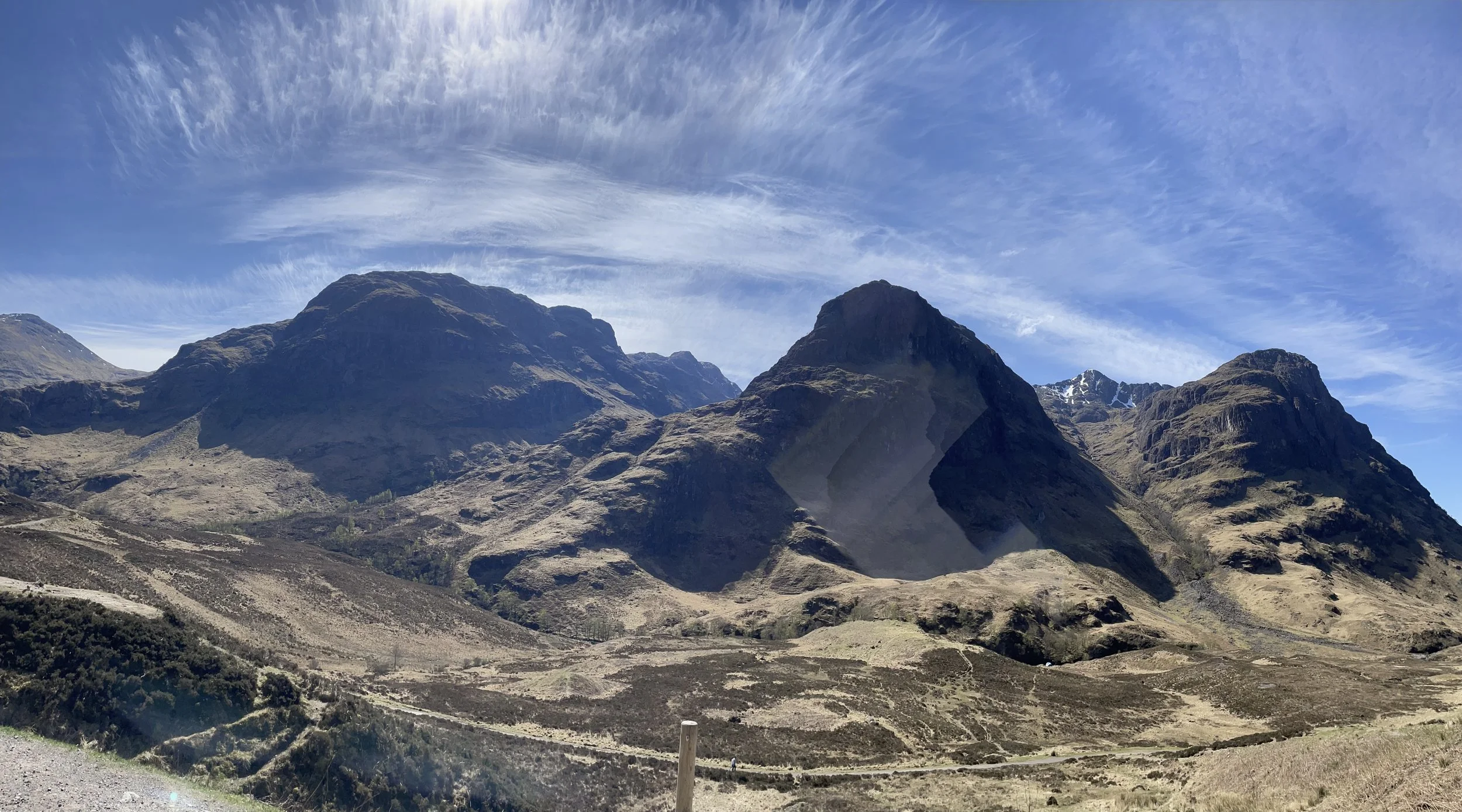
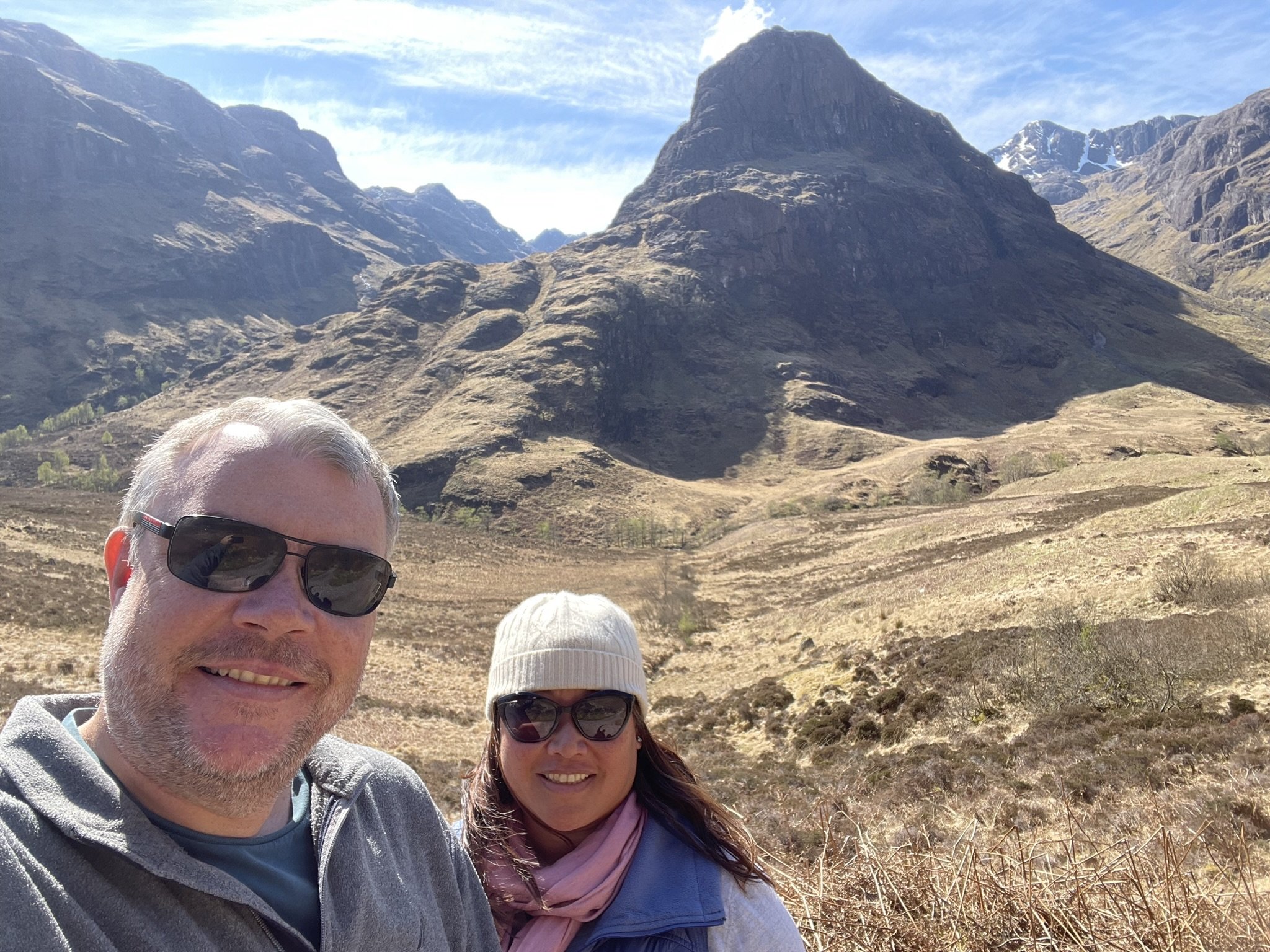
The Three Sisters of Glencoe: These towering ridges (Gearr Aonach, Aonach Dubh, and Beinn Fhada) were formed by glaciers, volcanoes, and the shifting of tectonic plates. Even from the road, the scale is humbling.
Neptune’s Staircase: This series of eight locks on the Caledonian Canal is an engineering marvel. It lifts boats 19 meters (62 feet) and offers a clear, dramatic view of Ben Nevis, the UK’s highest summit, towering in the background.
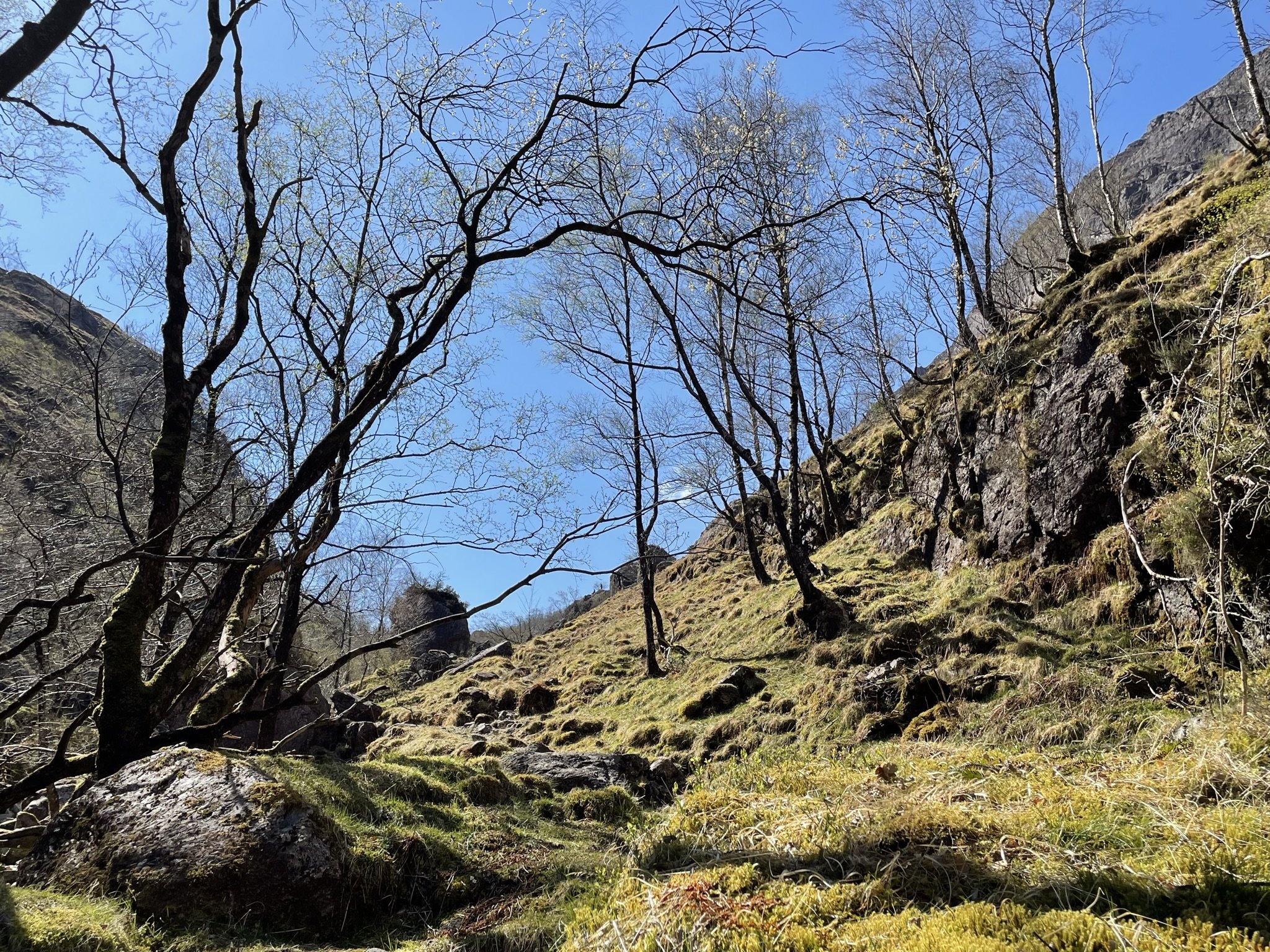
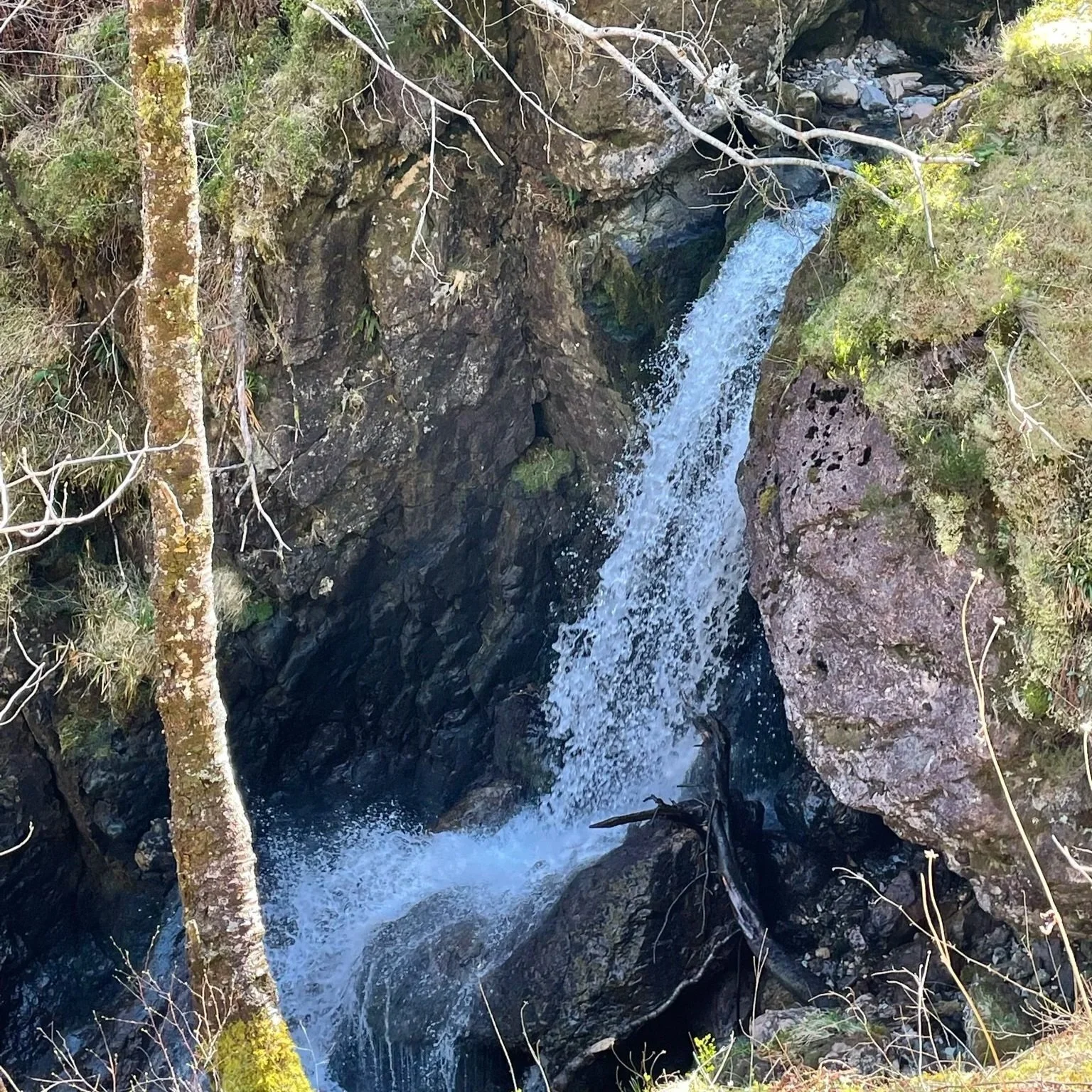
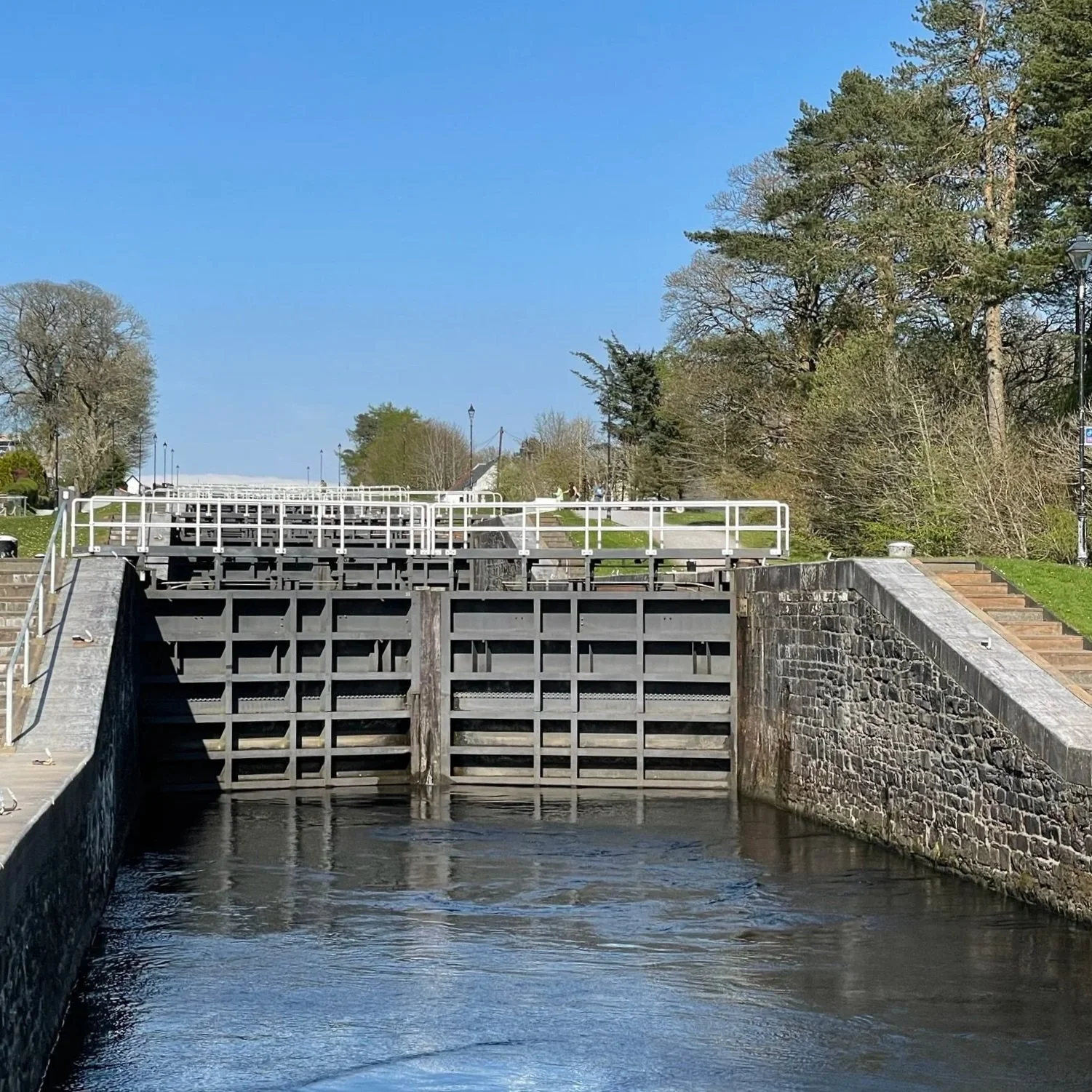
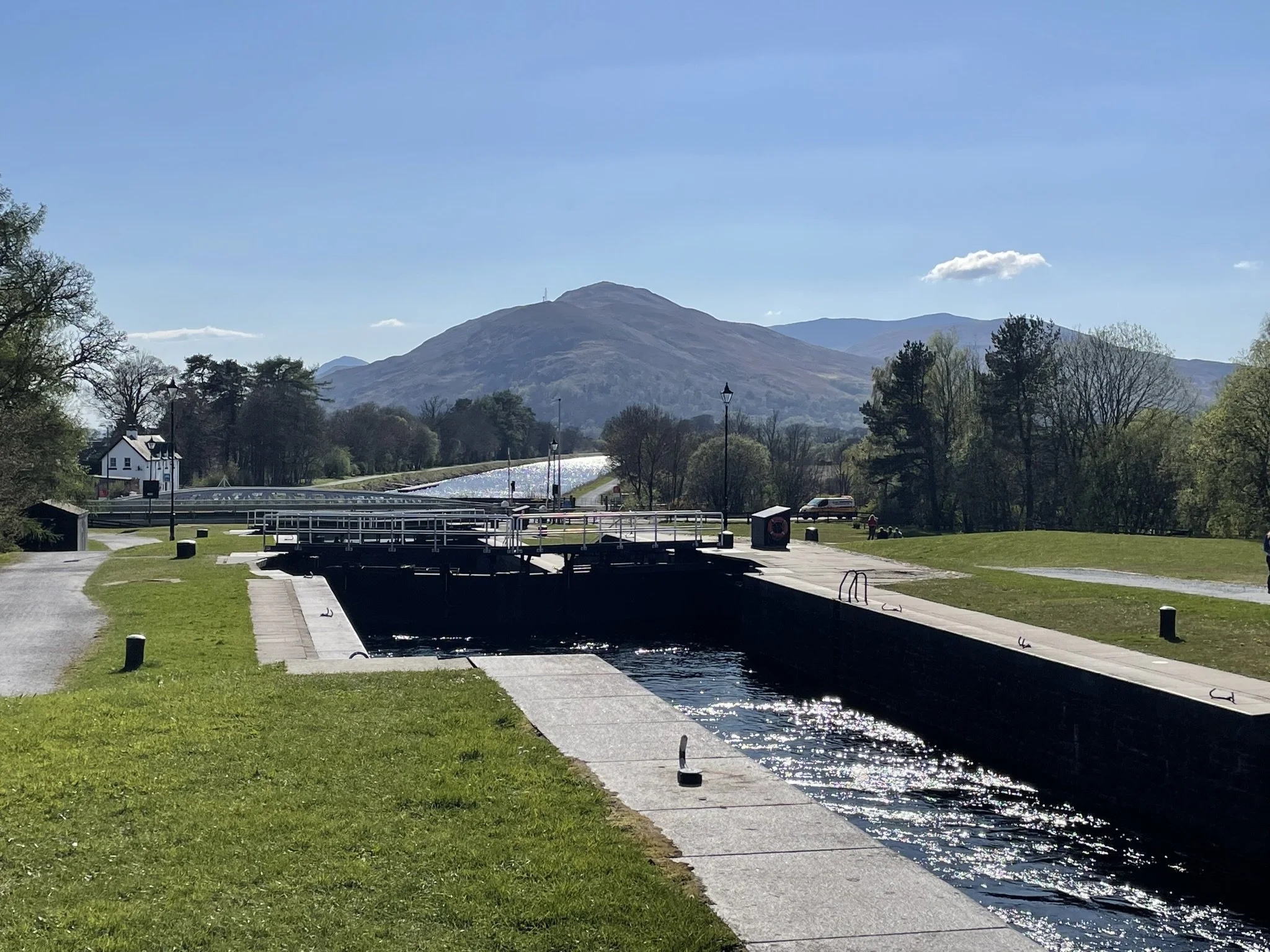
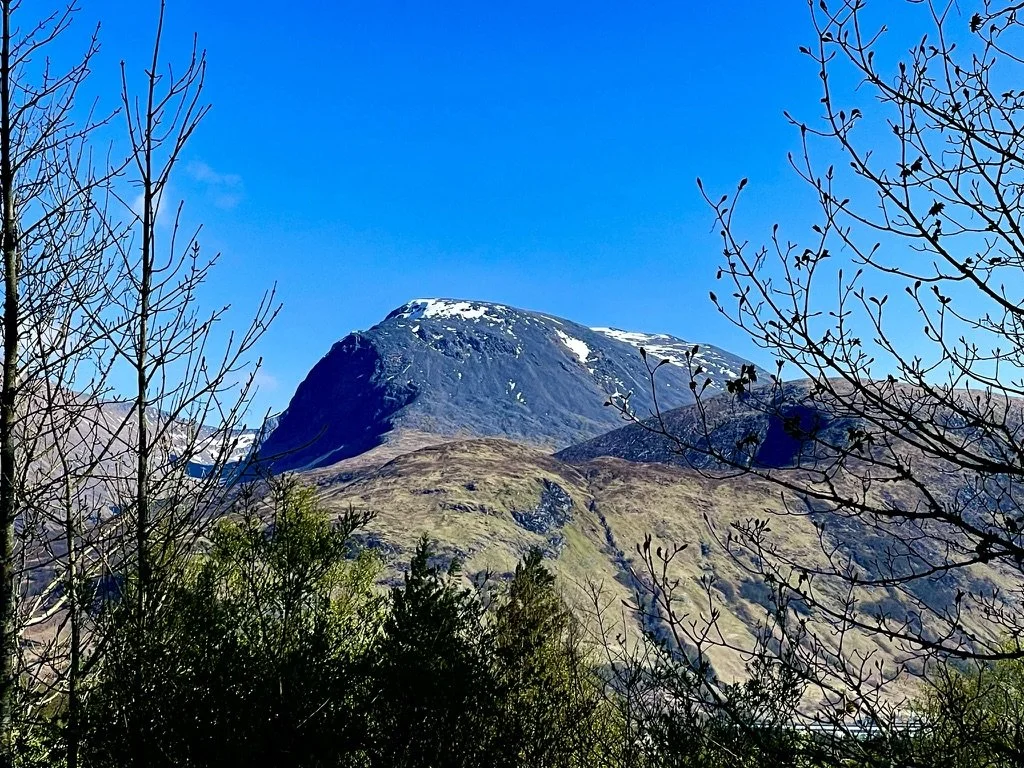
Dining Tip: Have a meal at The Geographer. And if it has a queue, wait for it! Their global-inspired menu using local Scottish produce is the best reward after a day in the damp Highland air.
Loch Ness: Legend of the Great Glen (1 Day)
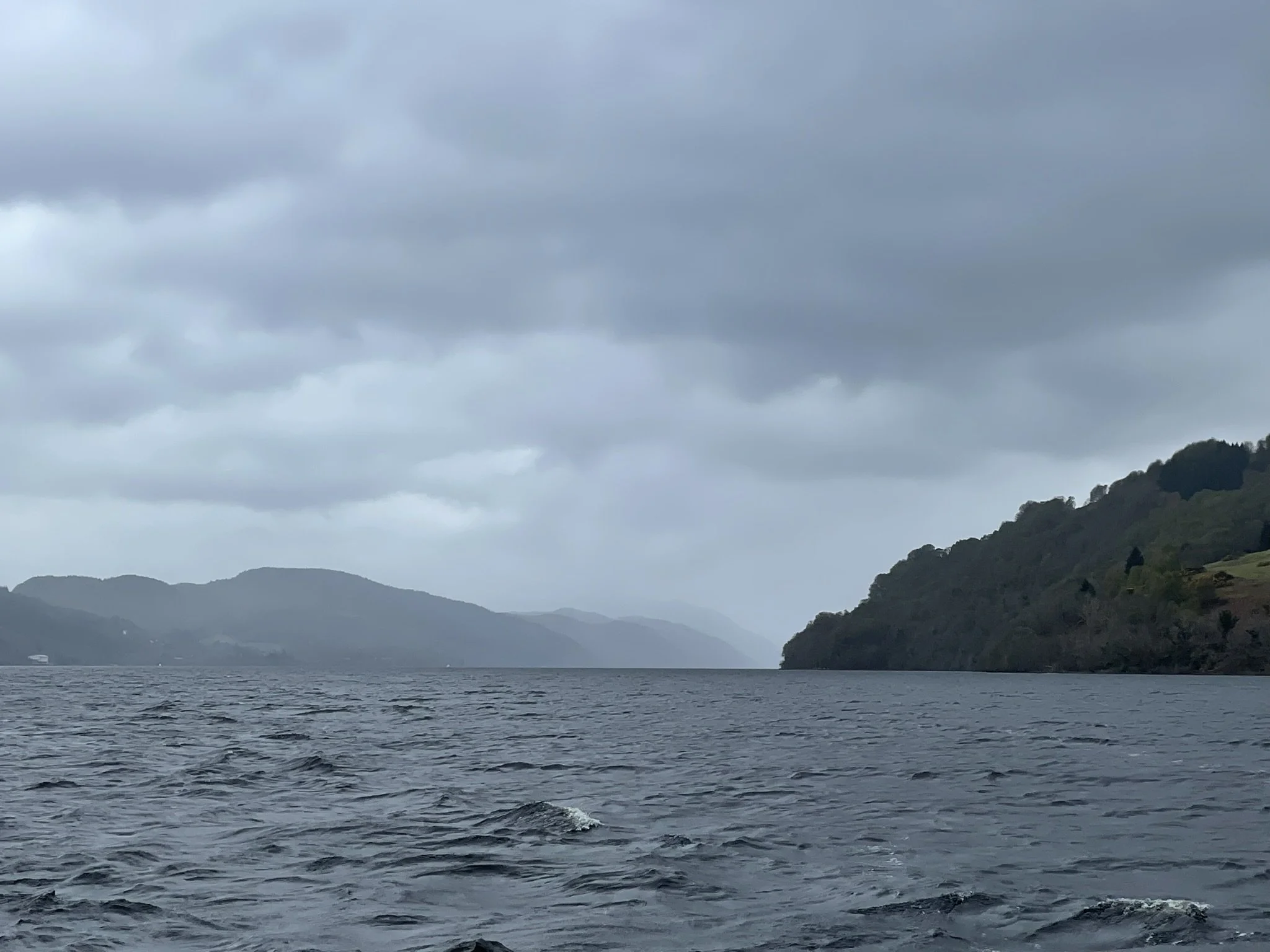
No trip to the Highlands feels complete without a stop at Scotland’s most famous body of water. With its deep waters, ancient ruins, and the enduring pull of Scotland’s most famous mystery, Loch Ness leaves an impression.
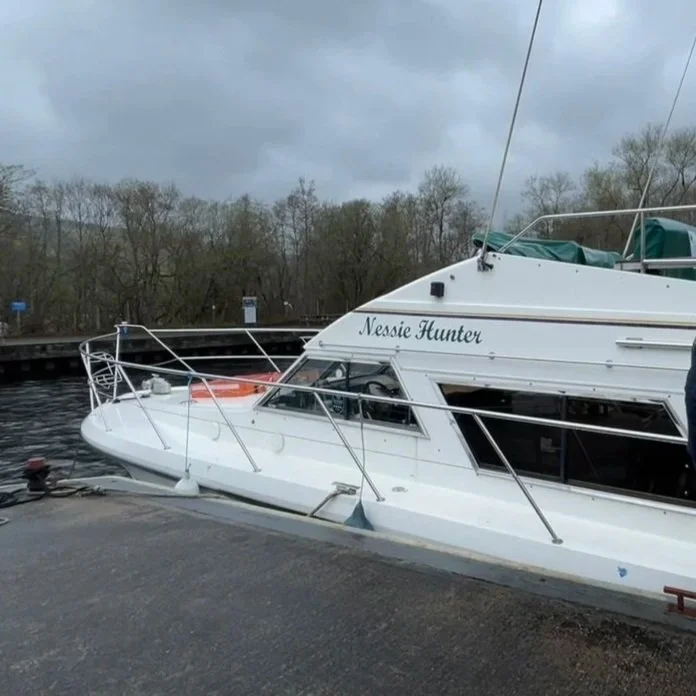
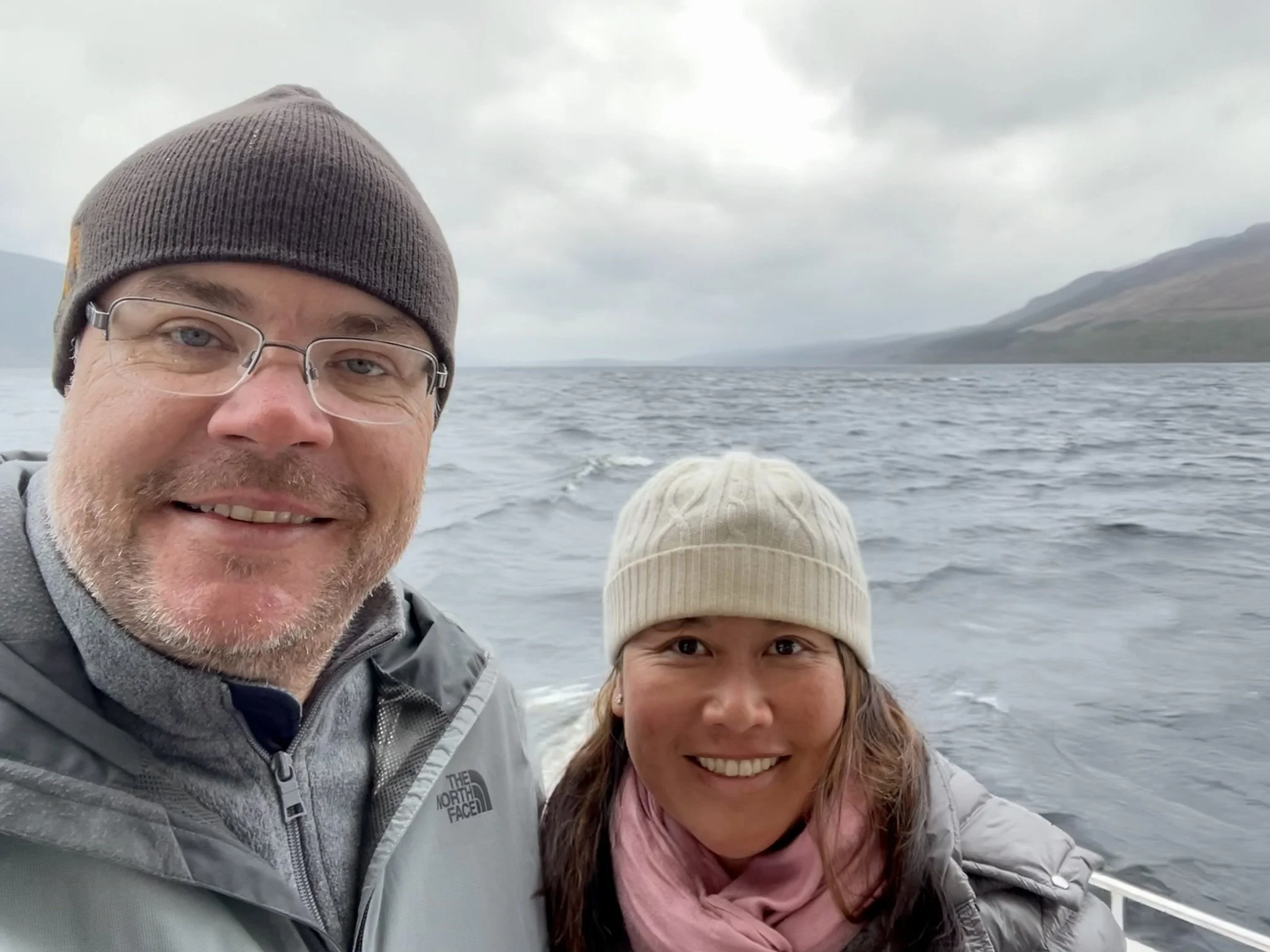
Loch Ness Cruise: To appreciate the loch’s vastness, get out on the water. Departing from Fort Augustus, a cruise allows you to peer into depths that reach over 700 feet. We were on the Nessie Hunter with Loch Ness Cruises, which uses live sonar to monitor the underwater world, adding a bit of modern intrigue to the ancient folklore.
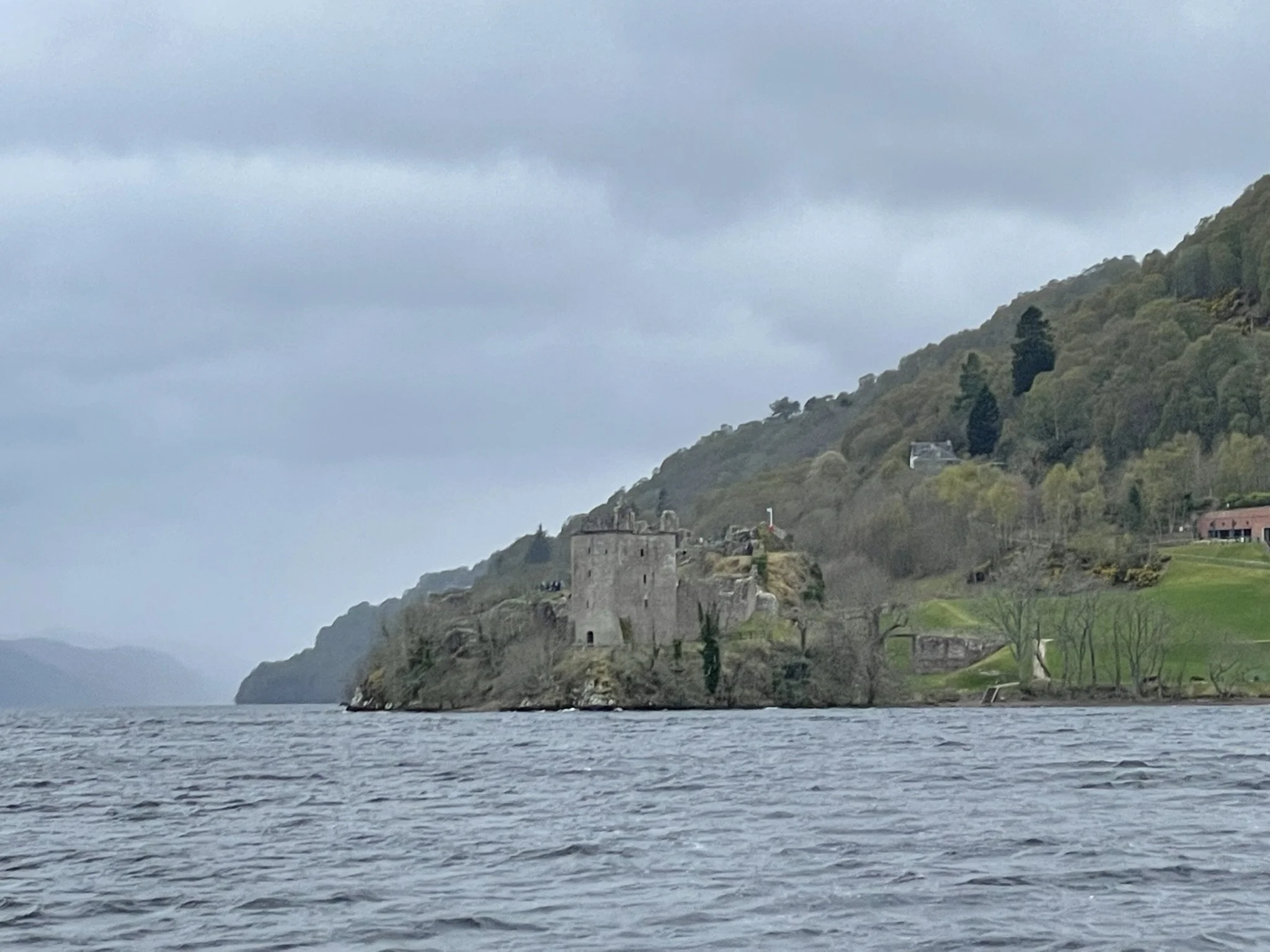
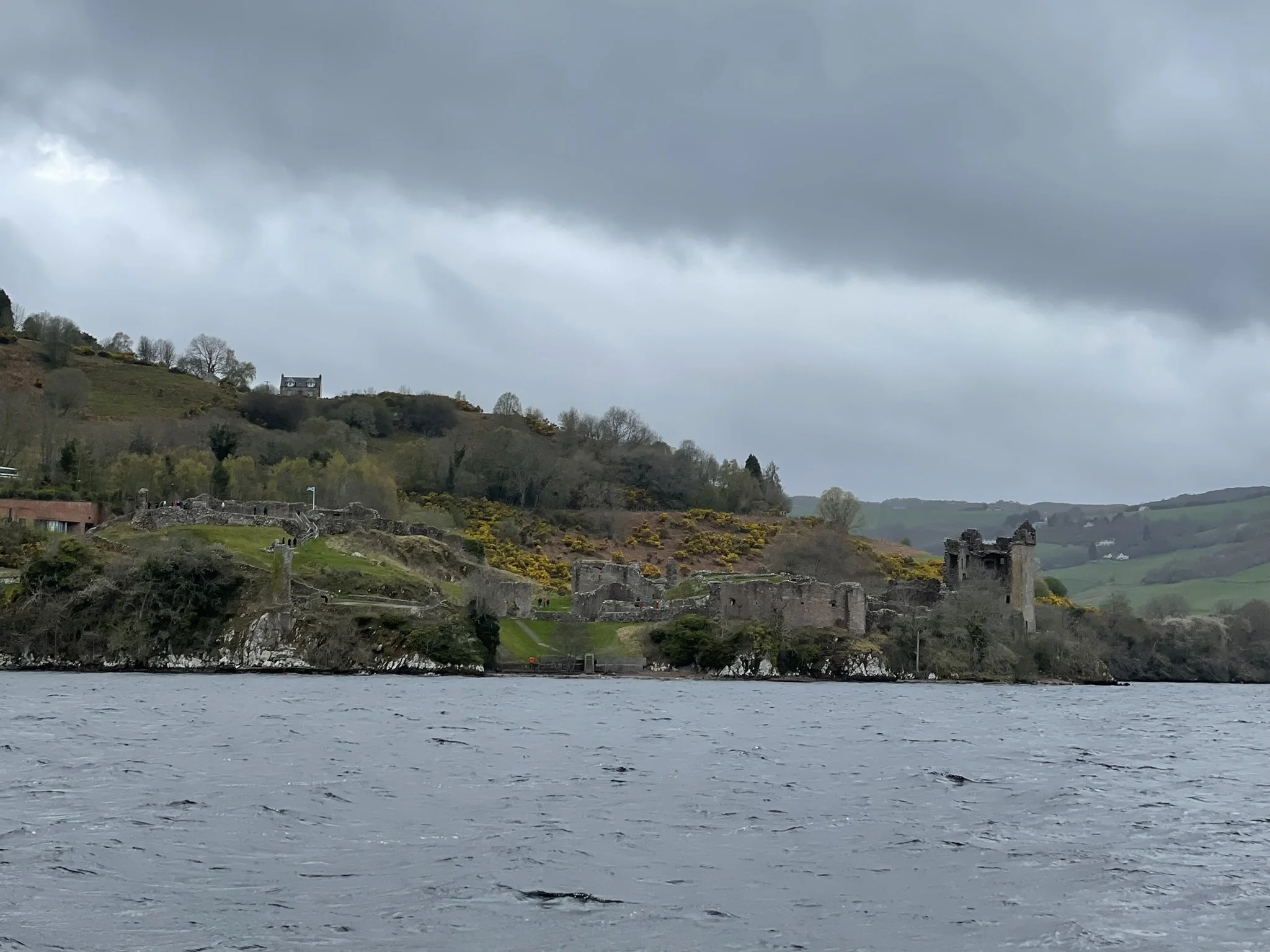
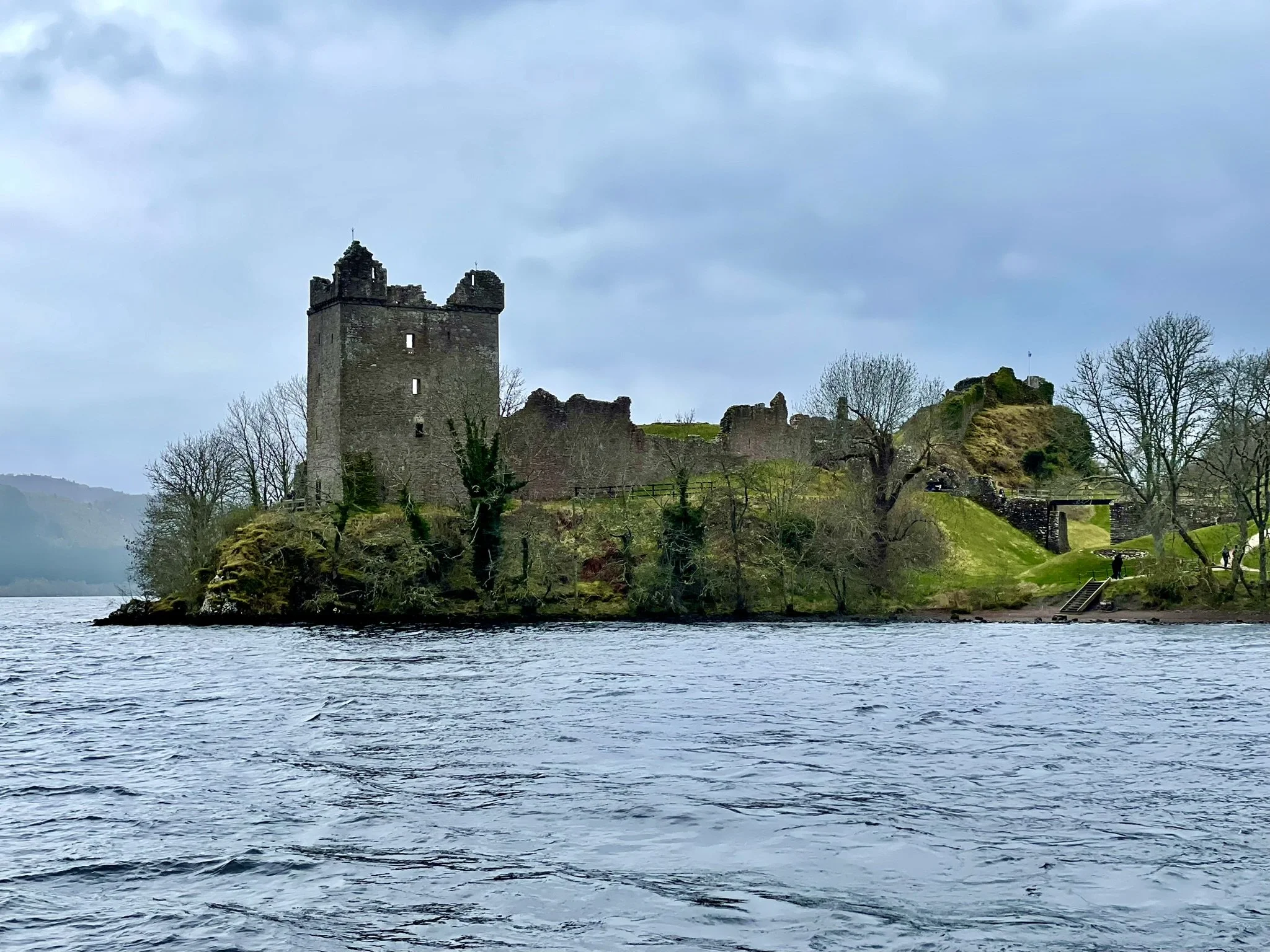
Urquhart Castle: Perched on the water's edge, these ruins tell the story of 500 years of medieval conflict. From the loch, the views are spectacular, with the crumbling masonry of the Grant Tower rising dramatically above the deep, dark waves.
Whether scanning the dark, peat-stained surface for a glimpse of Nessie or marveling at the crumbling stone silhouette of Urquhart Castle from the water, the scale of Loch Ness is truly humbling.
Isle of Skye (2 Days)
The Isle of Skye is otherworldly. It’s a land of jagged cliffs, turquoise pools, and folklore that feels alive. We made stops at Eilean Donan Castle, restored in the 1920s, and Caisteal Maol, a castle ruin, as we headed into the Isle of Skye.
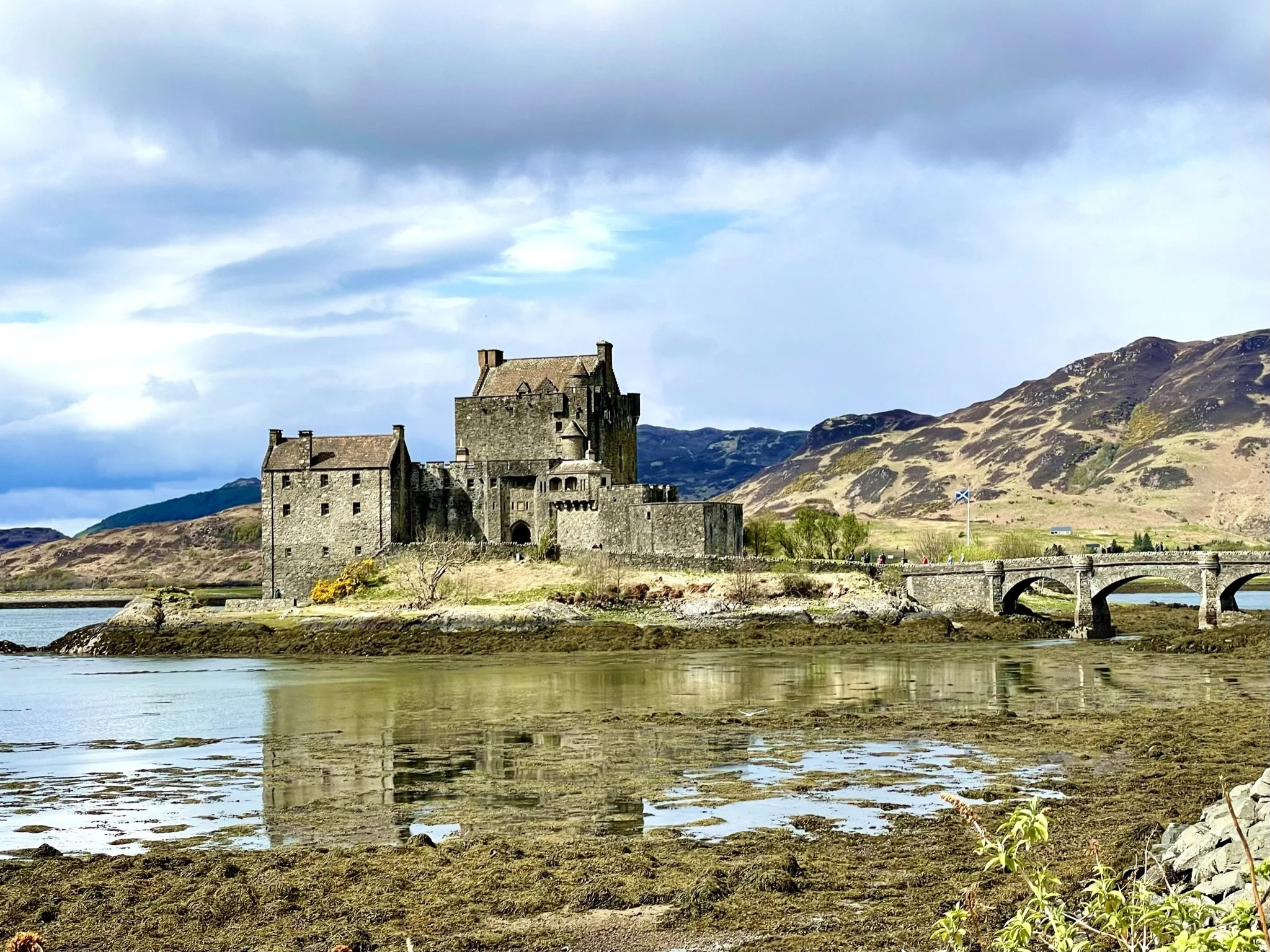
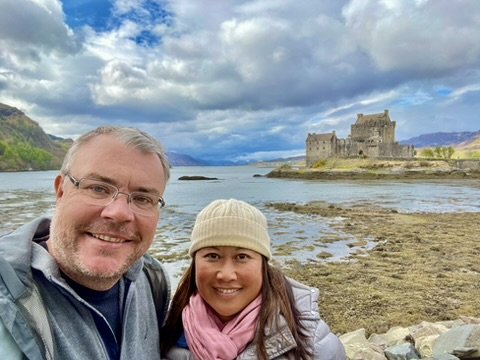
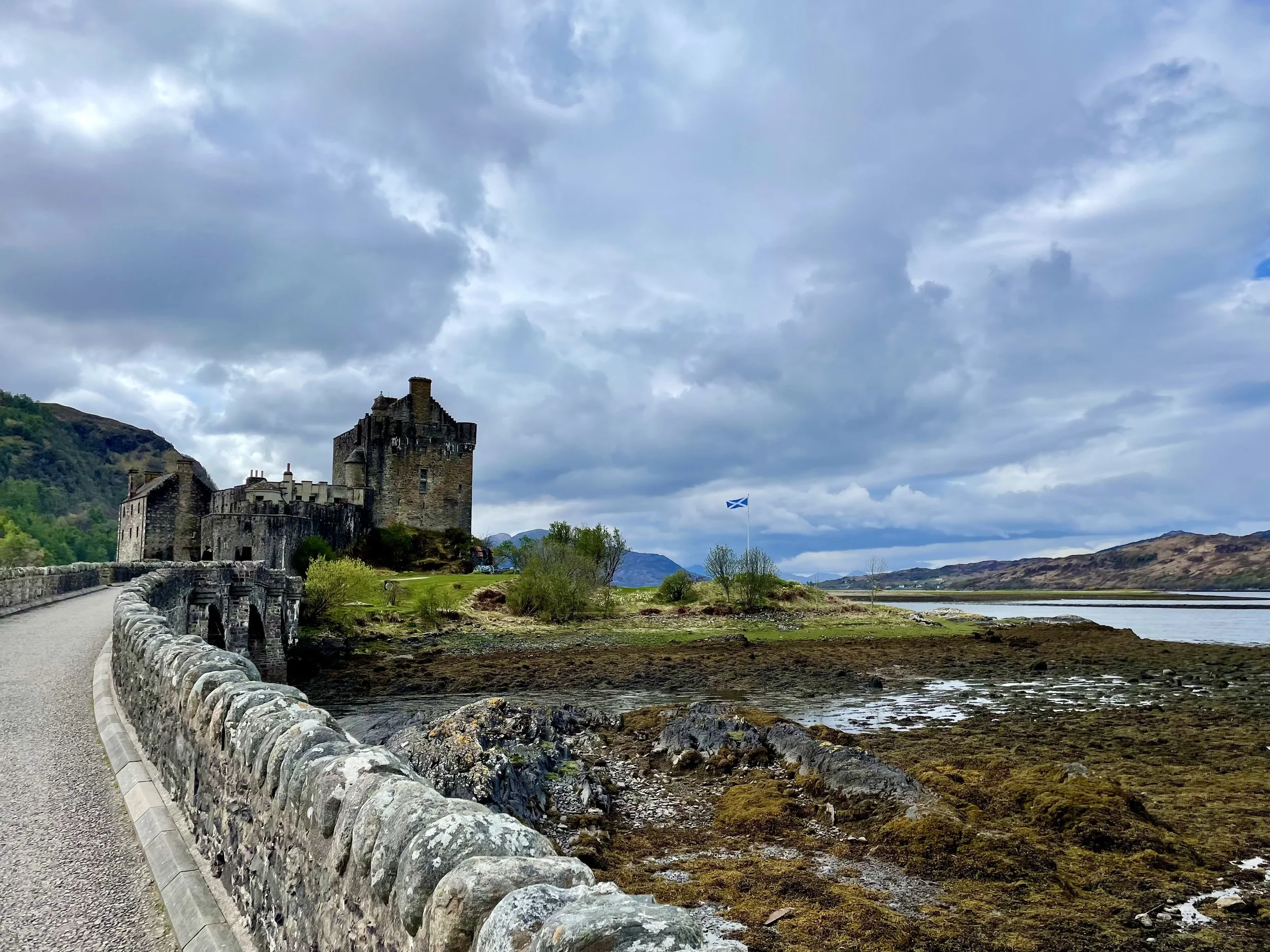
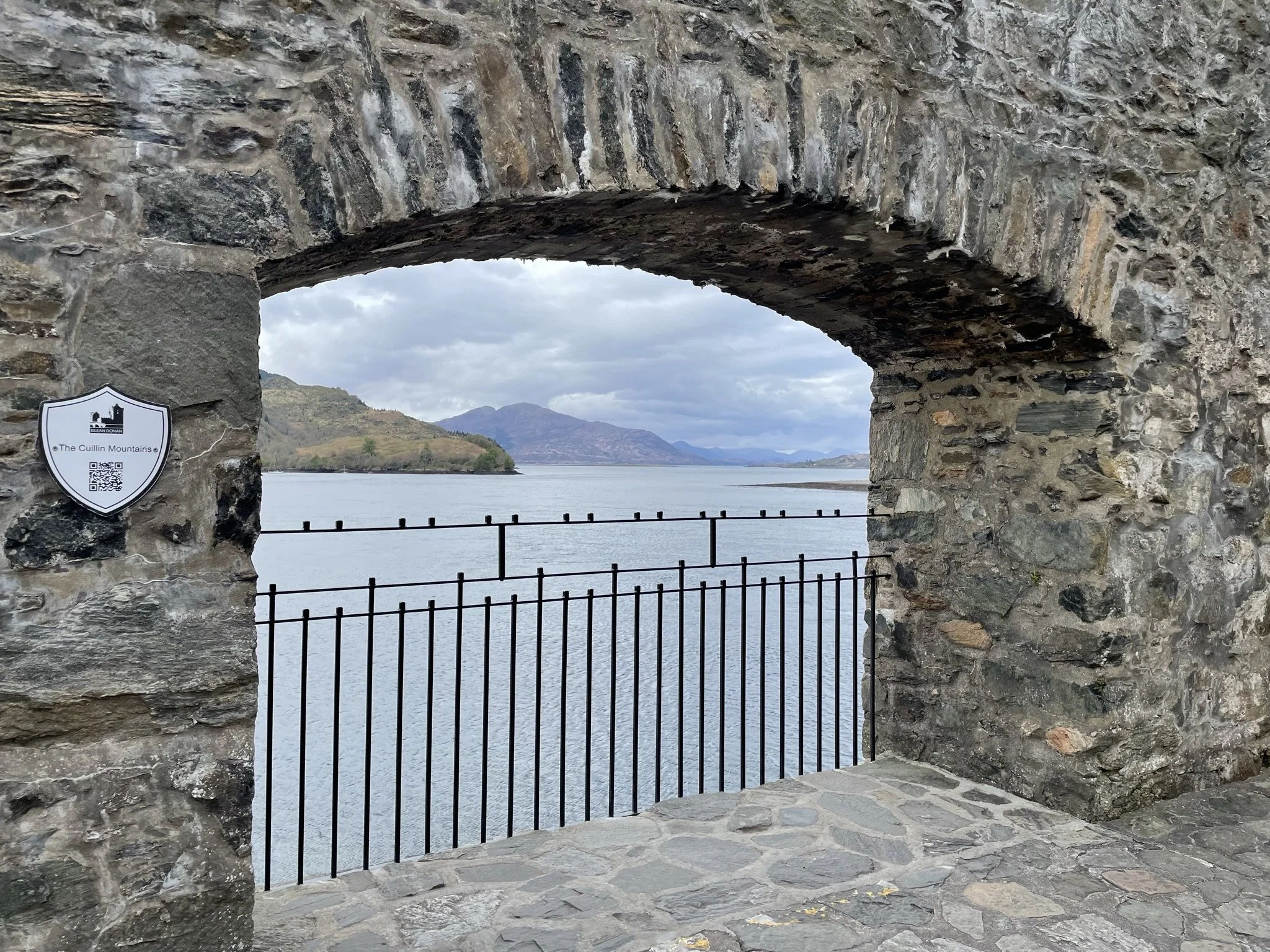
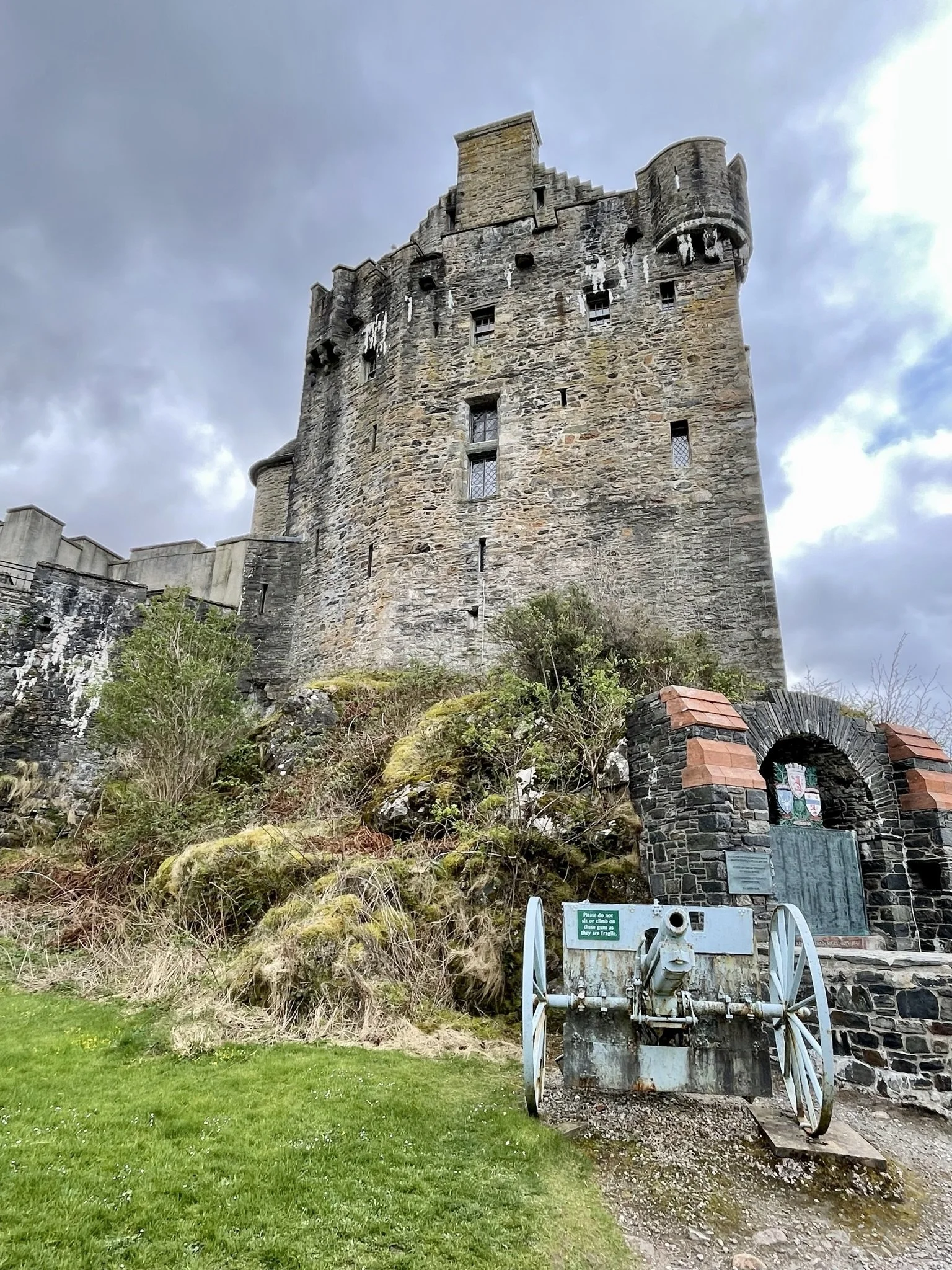
Eilean Donan Castle: Located just before the Skye Bridge, this is the most photographed castle in Scotland. The bridge leading to the island castle creates a perfect silhouette against the Loch. Tickets are sold on-site to tour the interior of the restored 13th-century Eilean Donan Castle. This is a must-stop for any visit to the Isle of Skye.
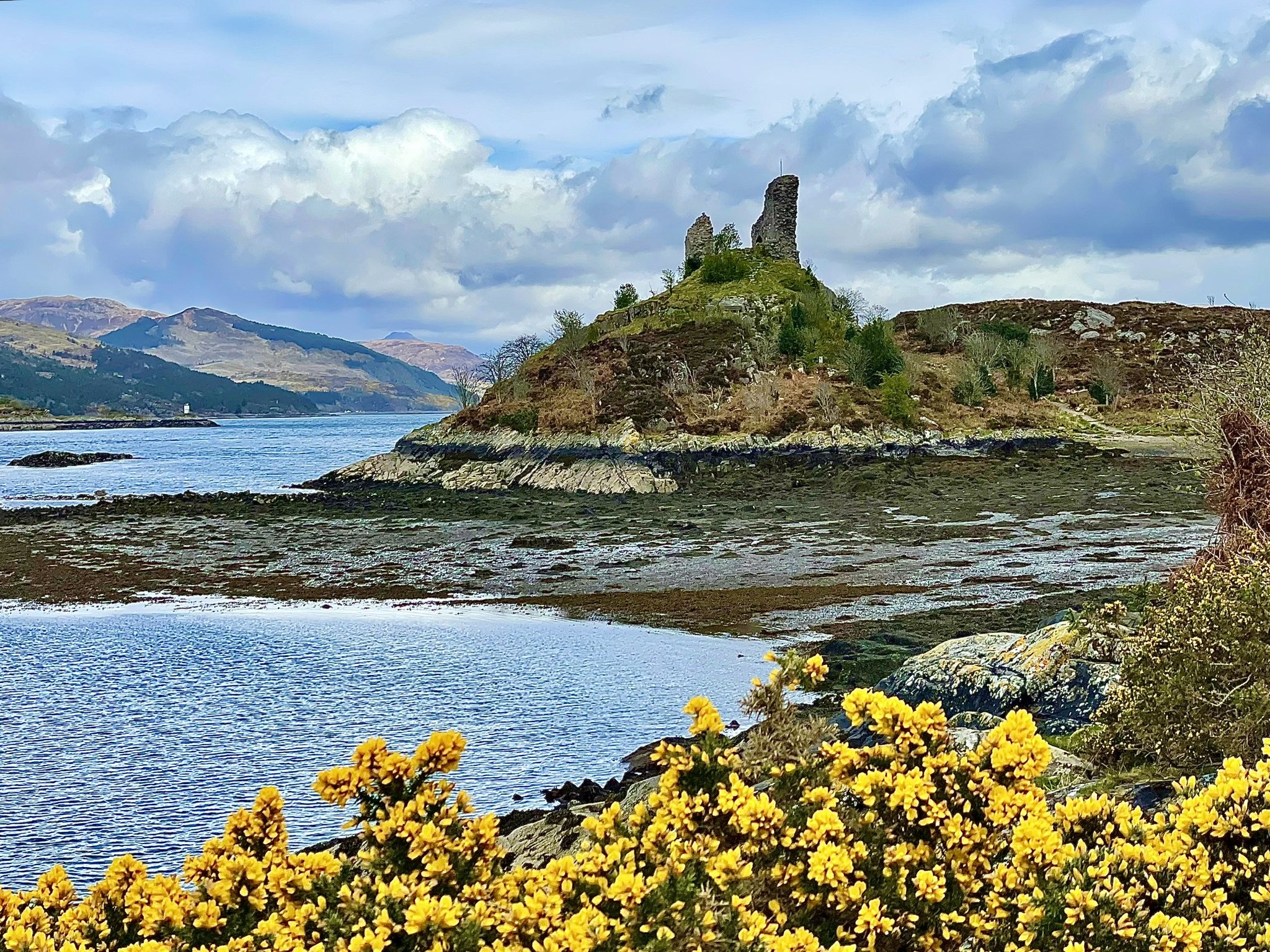
Caisteal Maol: As you cross the Skye Bridge into the village of Kyleakin, look to the promontory for the jagged silhouette of Caisteal Maol. This was once a 15th-century clan stronghold. Now it’s a beautiful ruin that is worth a quick stop.
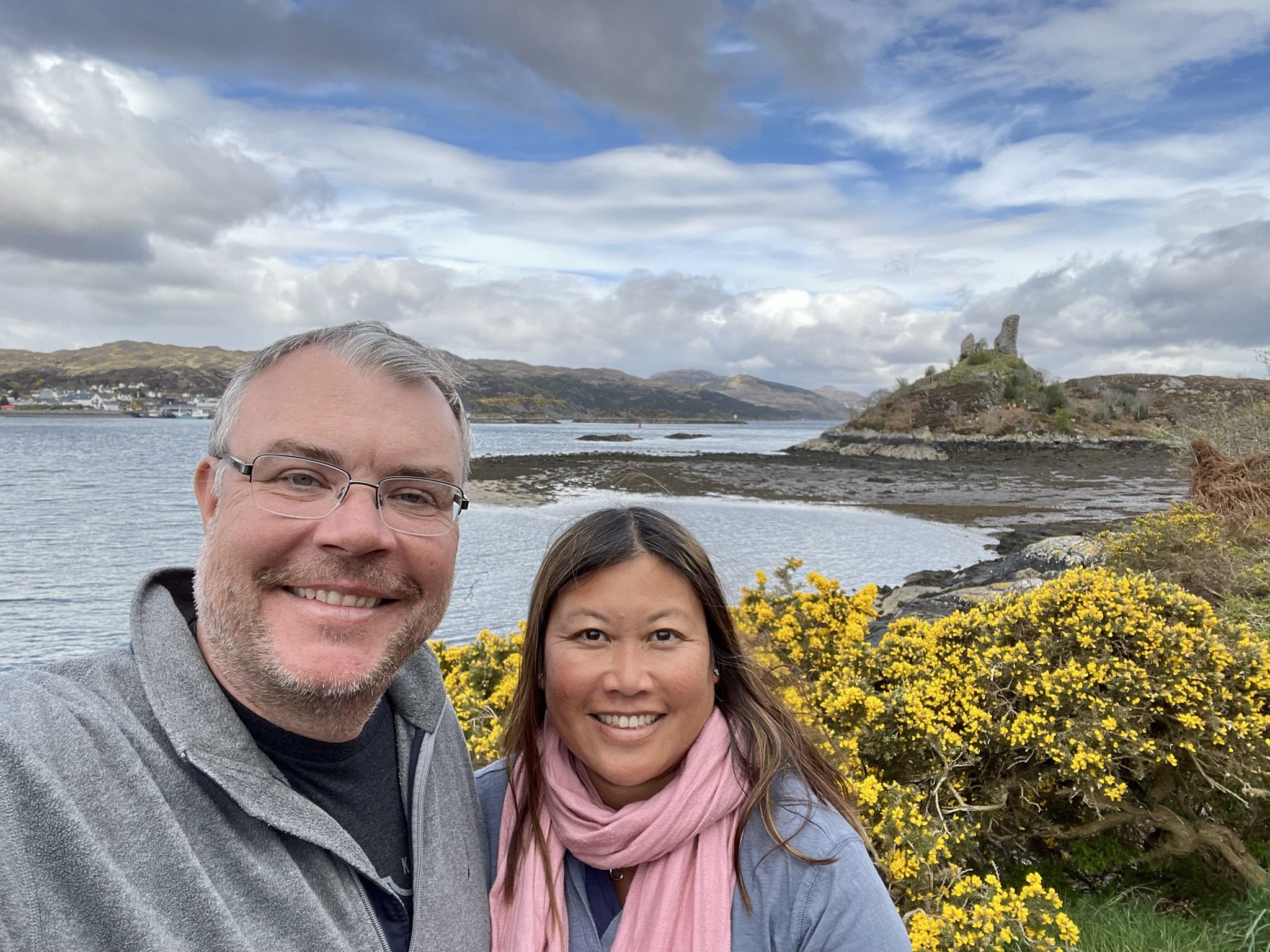
The Isle of Skye is best explored at a slow pace, as every turn on its narrow roads reveals a new perspective of the Atlantic or the jagged Cuillin mountains. We only had two full days, so we had to plan our routes around the island efficiently to see as much as possible.
The Trotternish Loop: A Geological Masterpiece
This northern peninsula is home to dramatic geological features and some of the most iconic landscapes in Scotland. Formed by a massive ancient landslip, the area offers more than a single day can truly hold. We set out from our hotel in Portree and drove the loop counter-clockwise, heading north on the western side of the island before making our way south along the eastern coast.
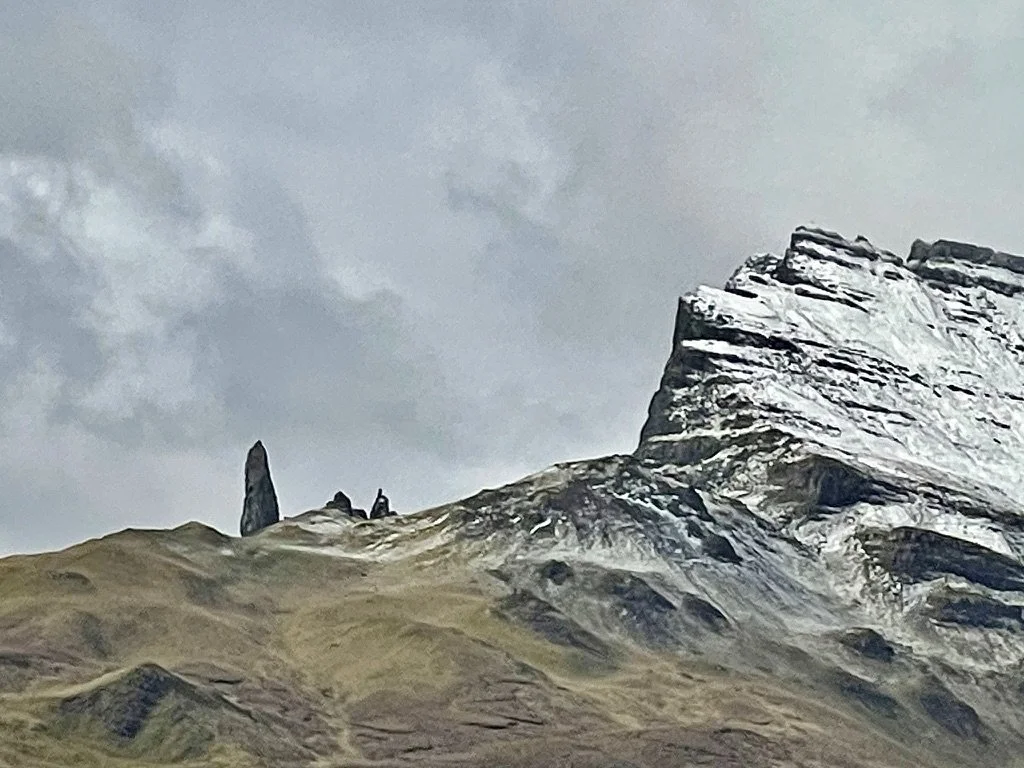
Old Man of Storr: Arguably the most recognizable landmark on Skye, this massive shard of rock stands 55 meters (180 feet) tall and is visible for miles. While a trail leads to the foot of the pinnacle, we bypassed the hike to ensure we could complete the full loop in a day.
Lealt Falls: Here, the River Lealt plunges 90 meters down a narrow, tree-lined gorge. A suspended platform offers views of the upper falls, but due to icy paths and our tight schedule, we opted out of the steep walk to the thundering lower falls.
Brother’s Point (Rubha nam Brathairean): Often called a "hidden gem" hike, this trail leads to a dramatic headland. While it was on our list, we did not have the time to include the trek on this visit.
Kilt Rock & Mealt Falls: These basalt columns remarkably resemble the pleats of a kilt, with a waterfall plunging 180 feet directly into the sea. Unfortunately, the parking area was being resurfaced during our visit, so we missed the best viewpoints.
The Quiraing: An otherworldly landscape of rock pinnacles and hidden plateaus. We took the time to walk around here, and the views are easily the most spectacular on the island. It feels like a scene from a fantasy novel.
Fairy Glen: A miniature, emerald-green world of conical hills and strange stone spirals. We spent time wandering through this strange, beautiful landscape
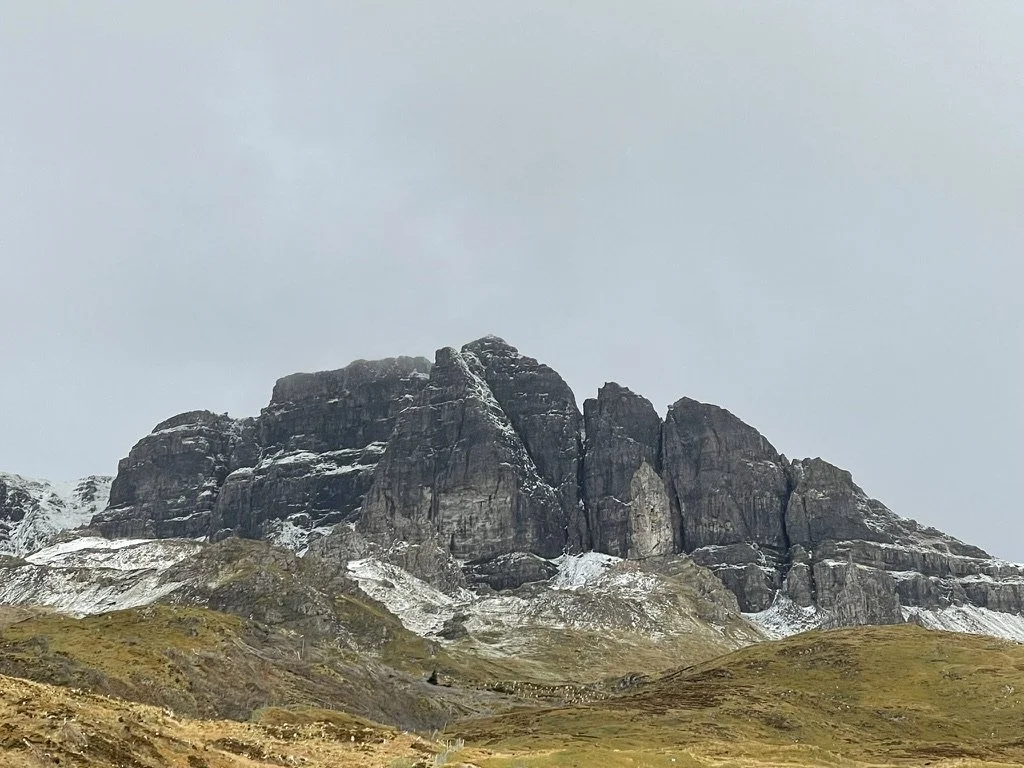
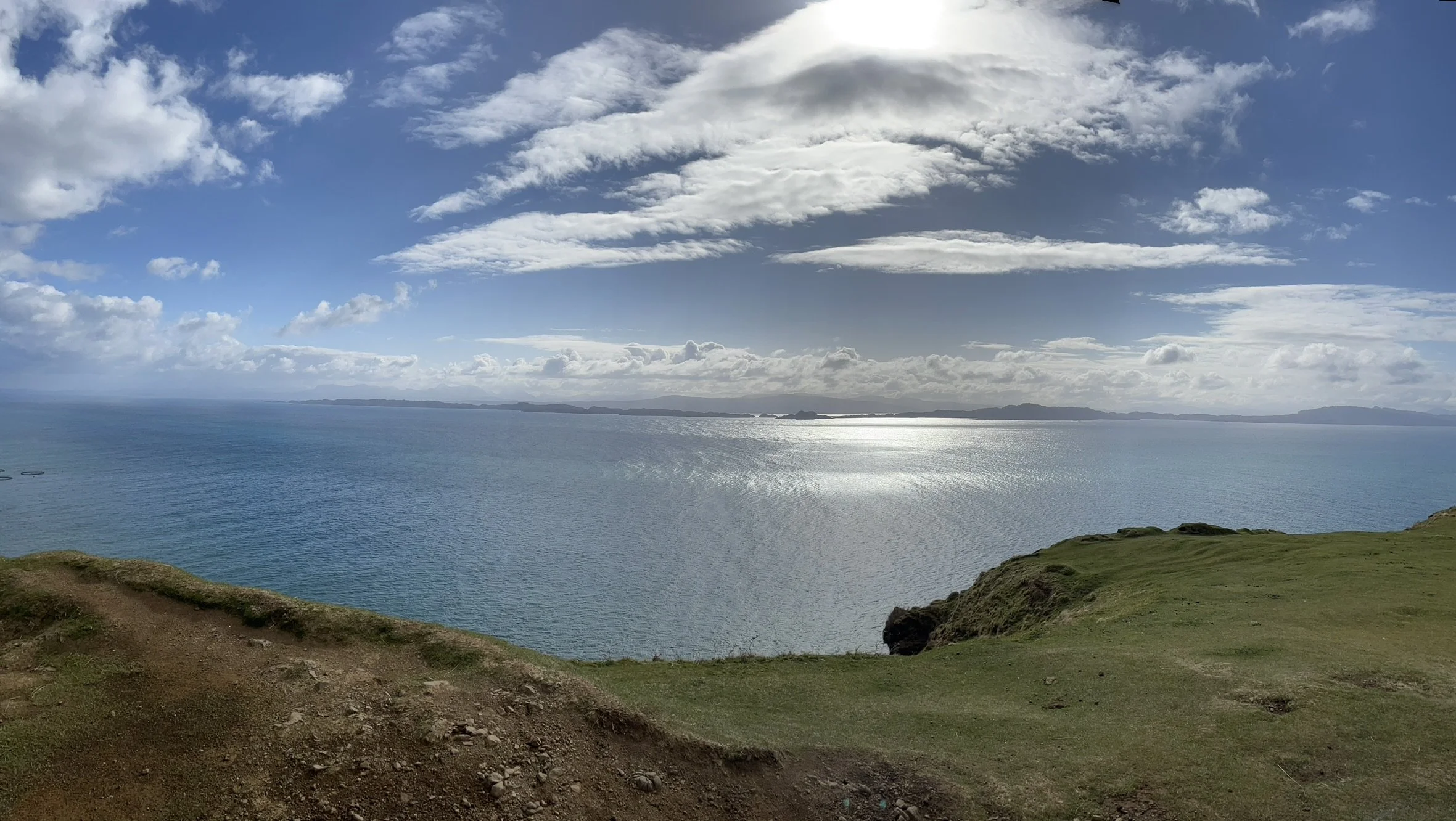
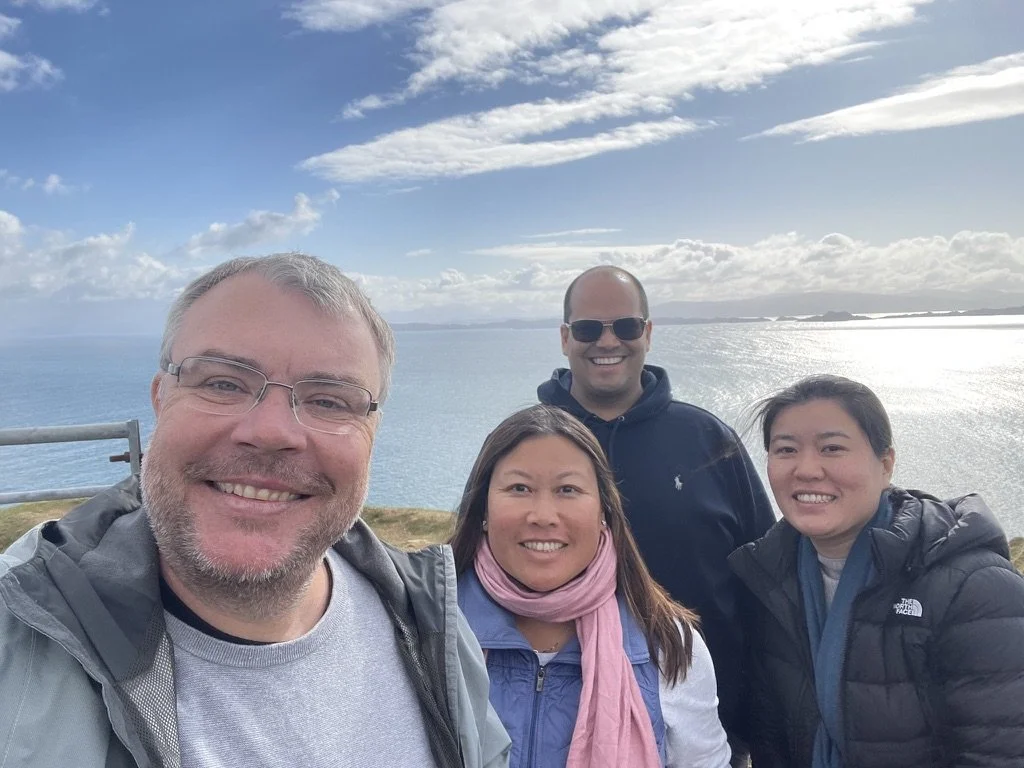
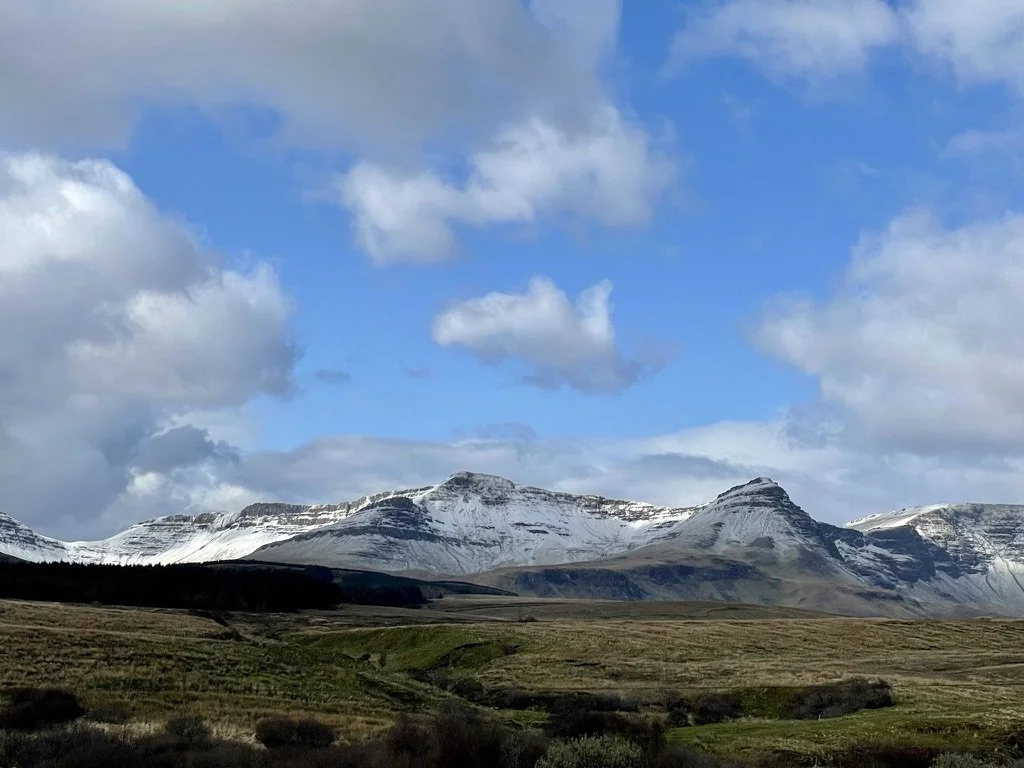
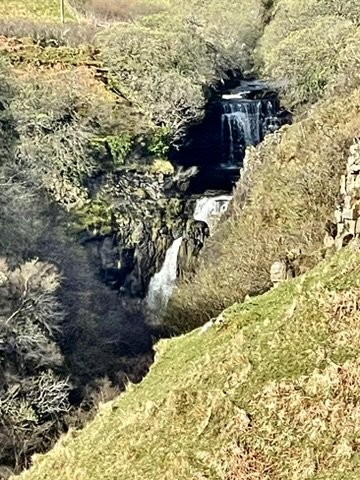
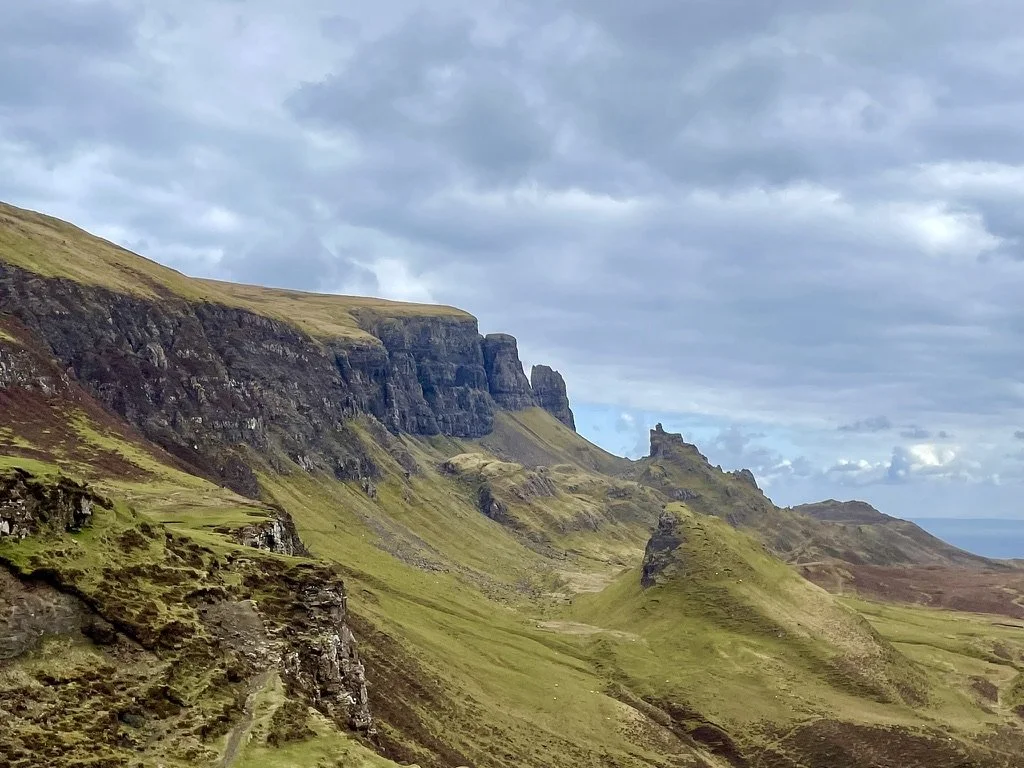
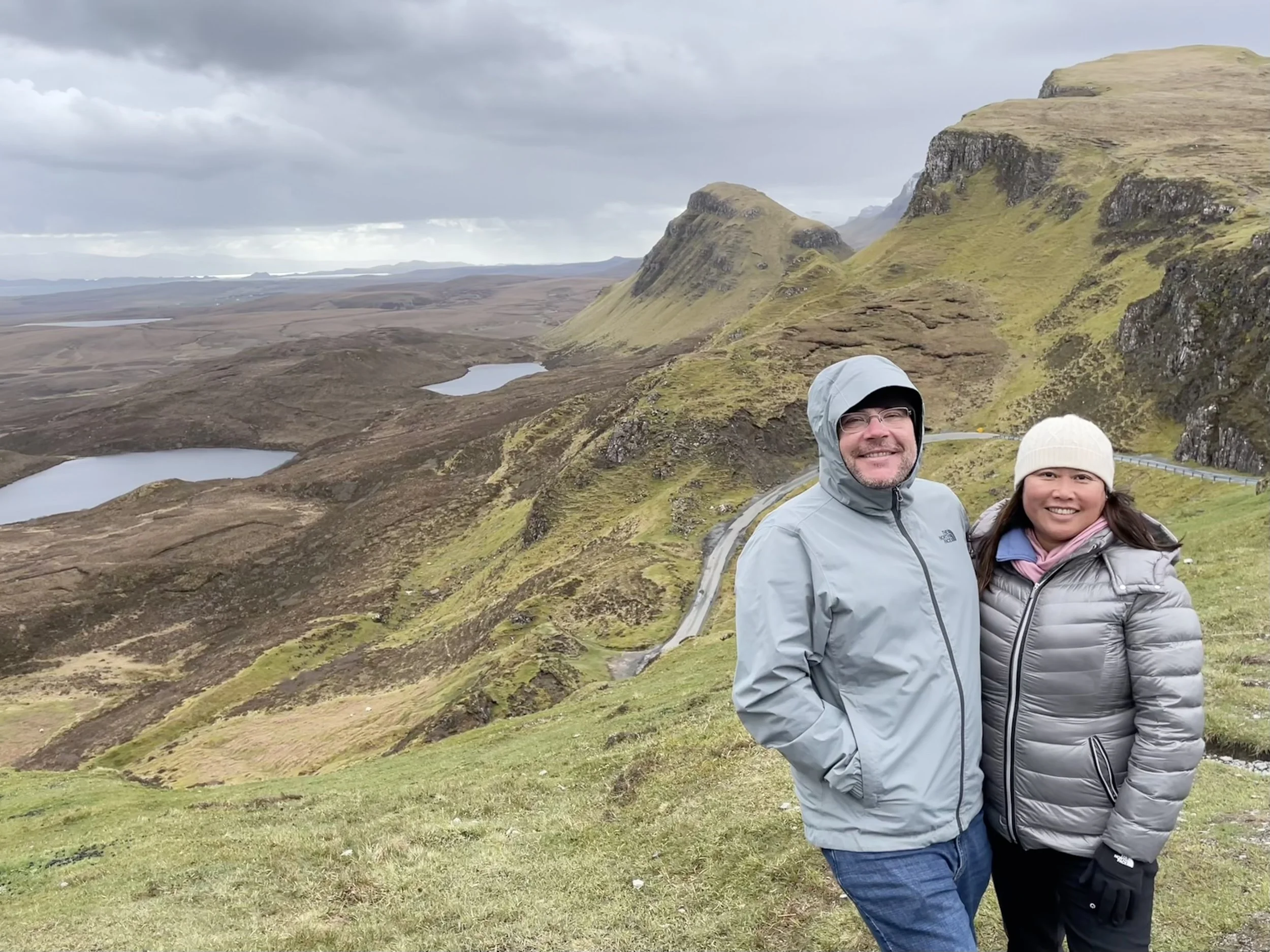
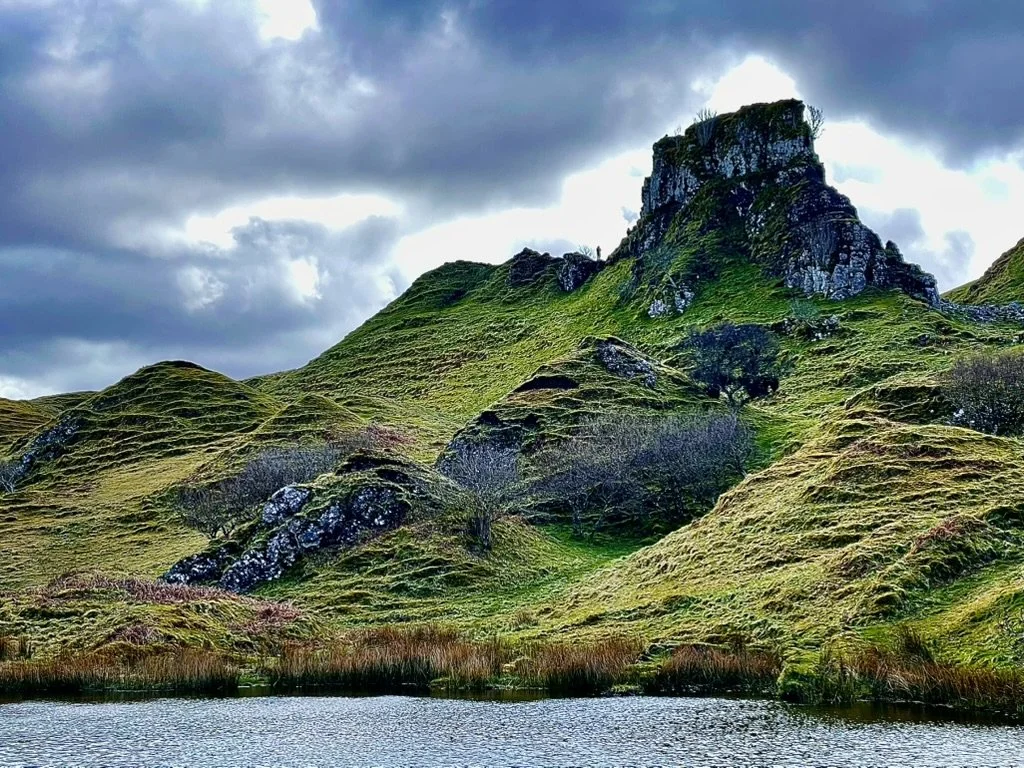
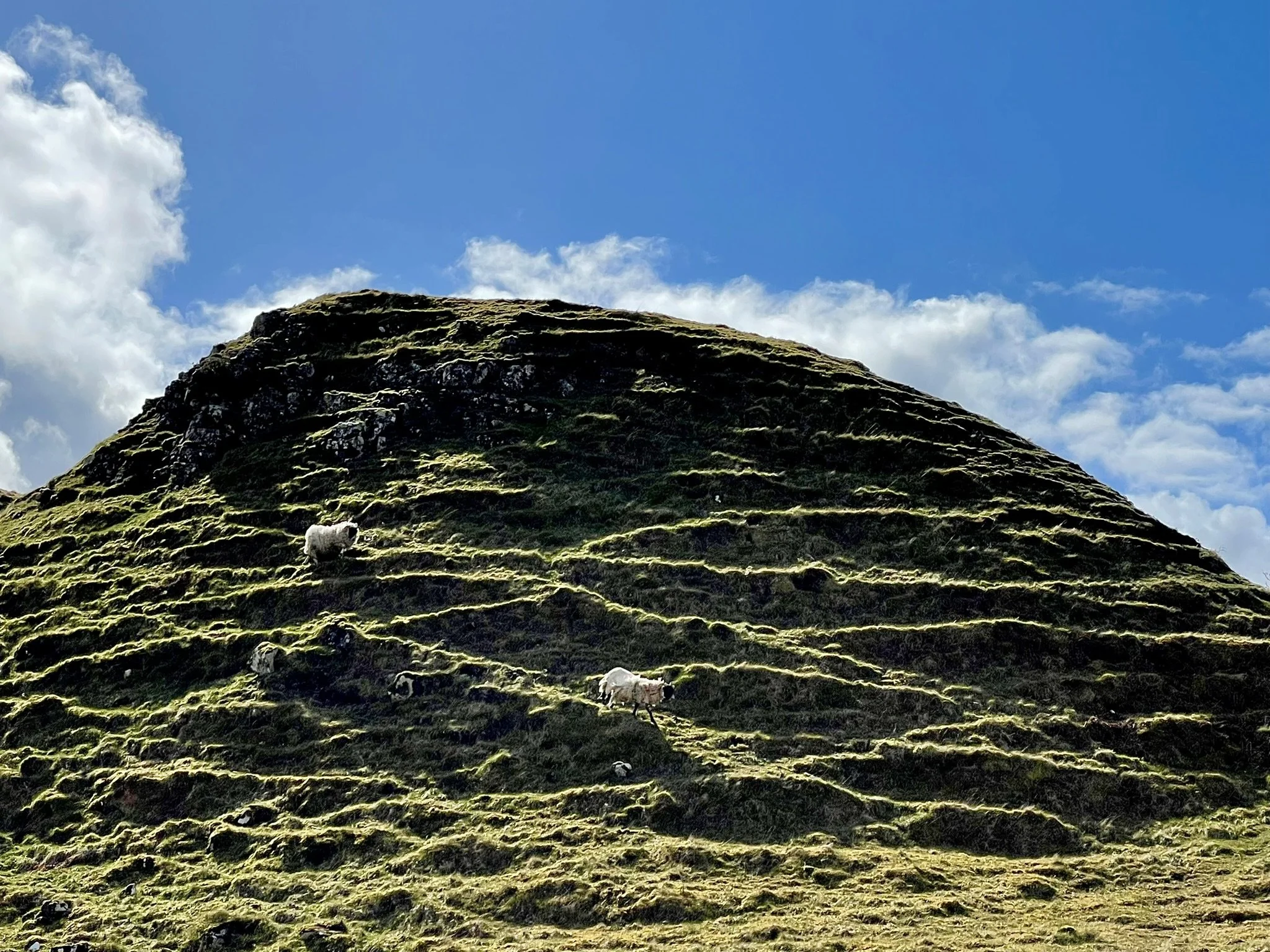
To do the Trotternish Loop justice, especially for hikers, two or three days are required. I wish we had more time and perhaps a visit slightly later in the season to avoid the ice, as this area is a fantastic place to spend time on outdoor adventures.
Beyond the Loop: West Skye
While the northern loop is spectacular, the western side of the island offers its own set of diverse experiences, from ancient clan seats to dramatic coastal cliffs.
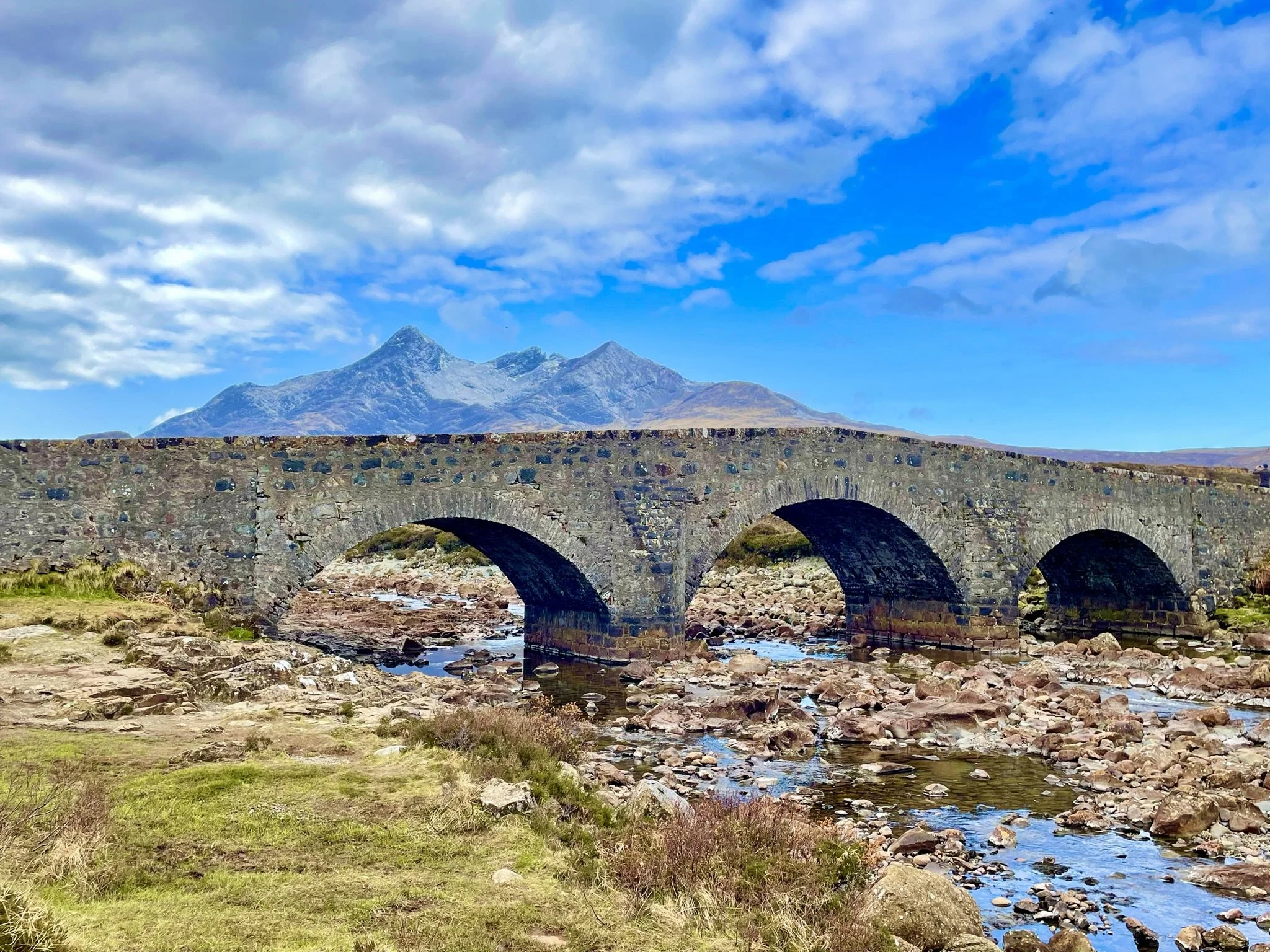
Sligachan Old Bridge: Set against the staggering backdrop of the Black Cuillin mountains, this stone bridge is one of the most photographed locations on Skye. We spent our time here taking in the views and capturing photos of the clear river water moving under the ancient arches.
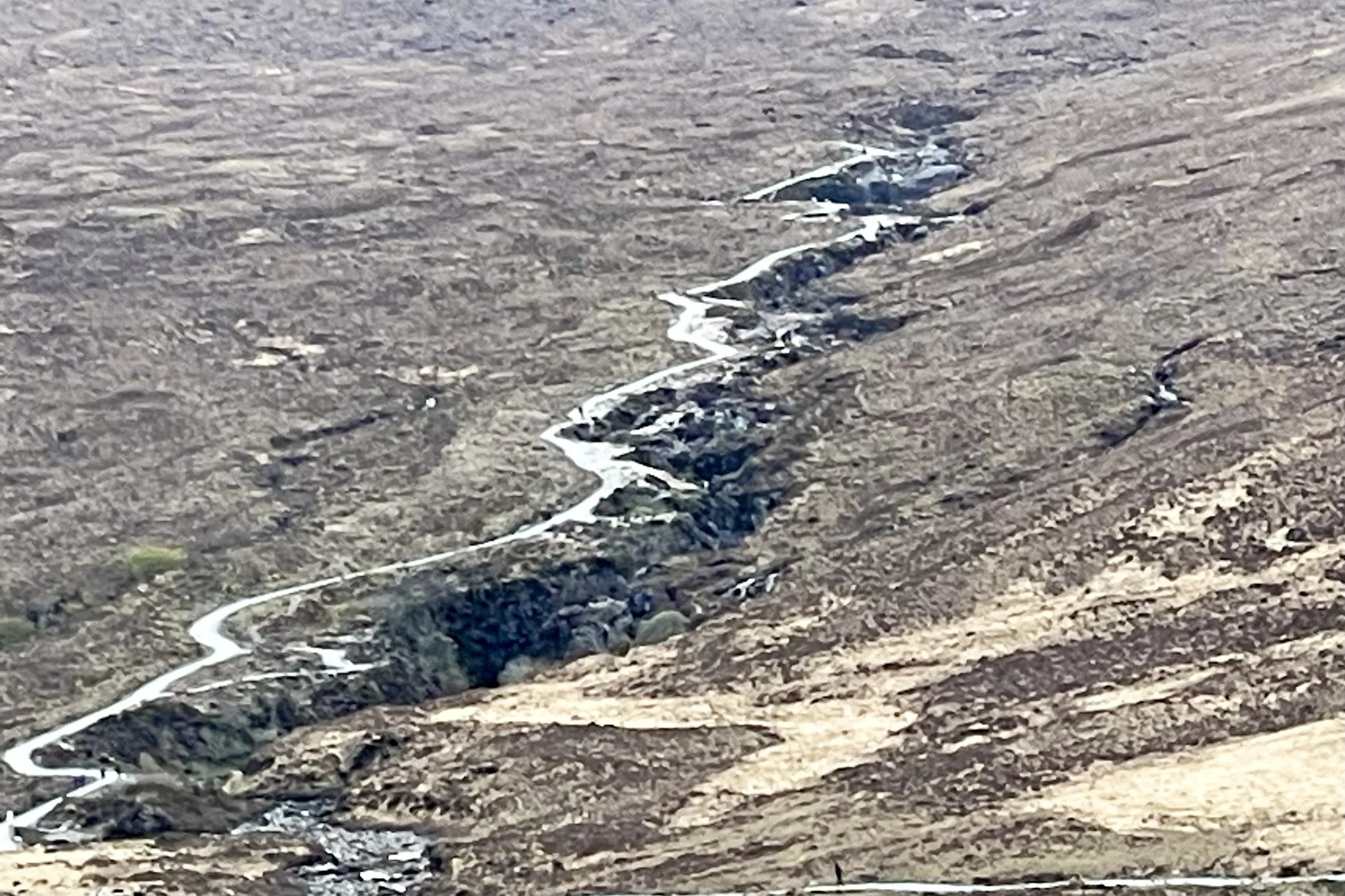
Fairy Pools: Located at the foot of the Black Cuillins, these rock pools are fed by a series of waterfalls. Unfortunately, there was a dry spell before our visit, so the pools did not look as enchanting as we expected. We decided not to join the crowds climbing the gravel path alongside the multitude of tourists, as this was one of the busiest spots we encountered on the island.
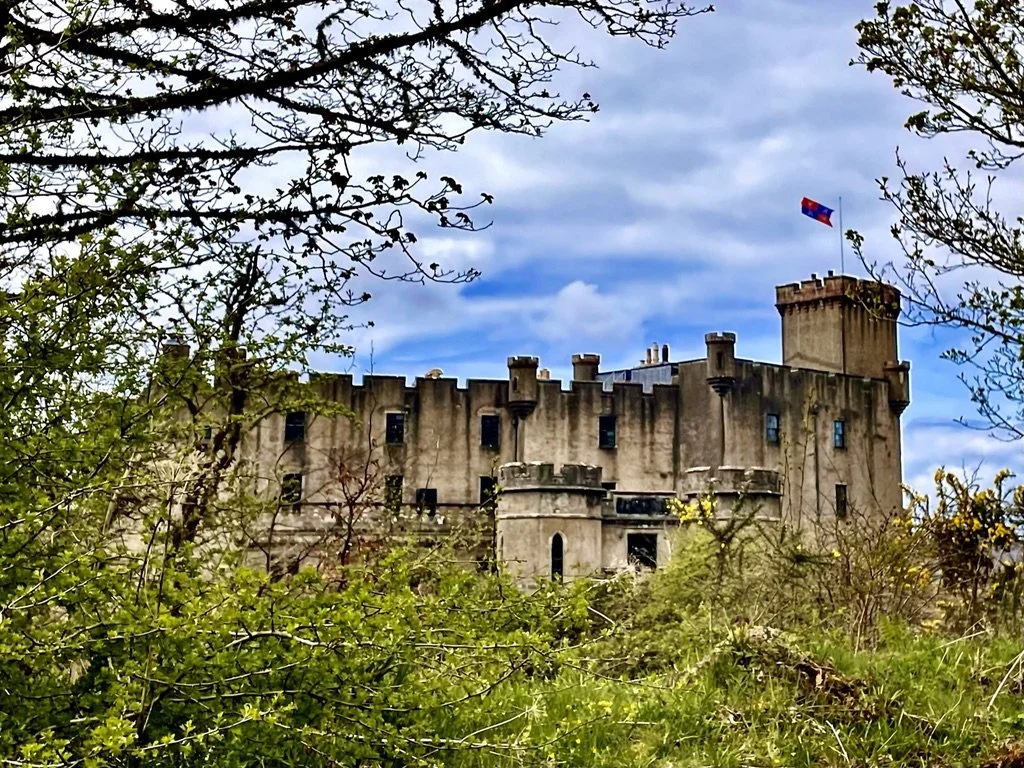
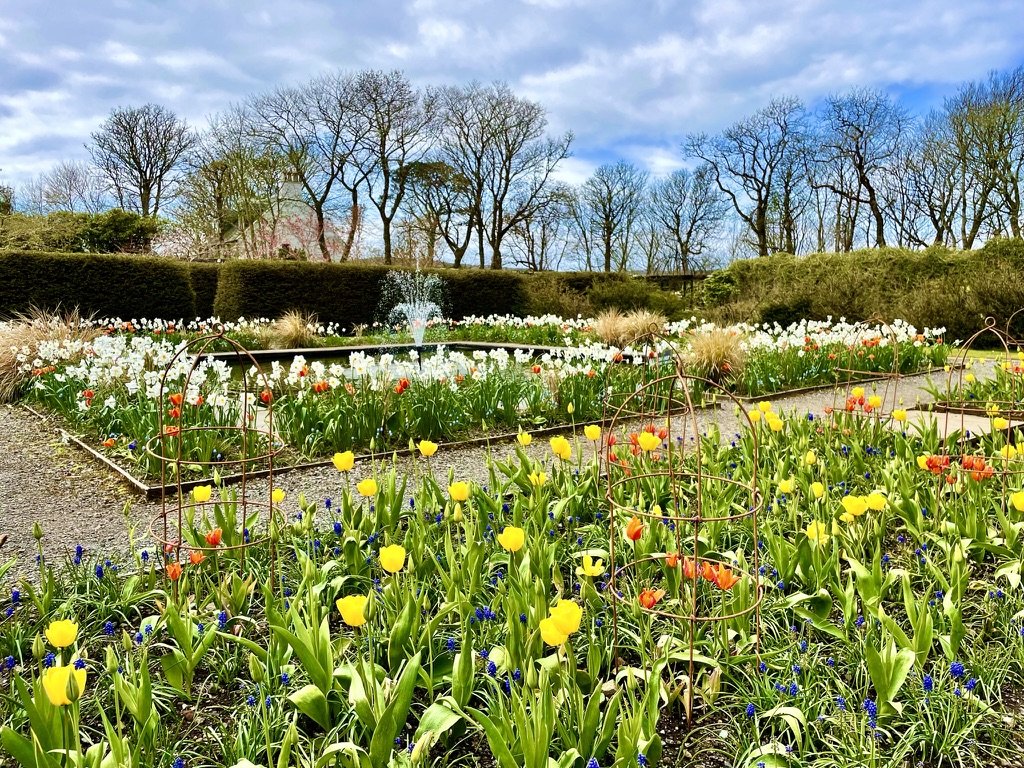
Dunvegan Castle: This is the oldest continuously inhabited castle in Scotland and the ancestral home of Clan MacLeod. While you can tour the interior of the castle, we chose to focus on the five acres of diverse formal gardens. The Walled Garden, Round Garden, and Water Garden offer a beautiful, lush contrast to the rugged Highland landscape.
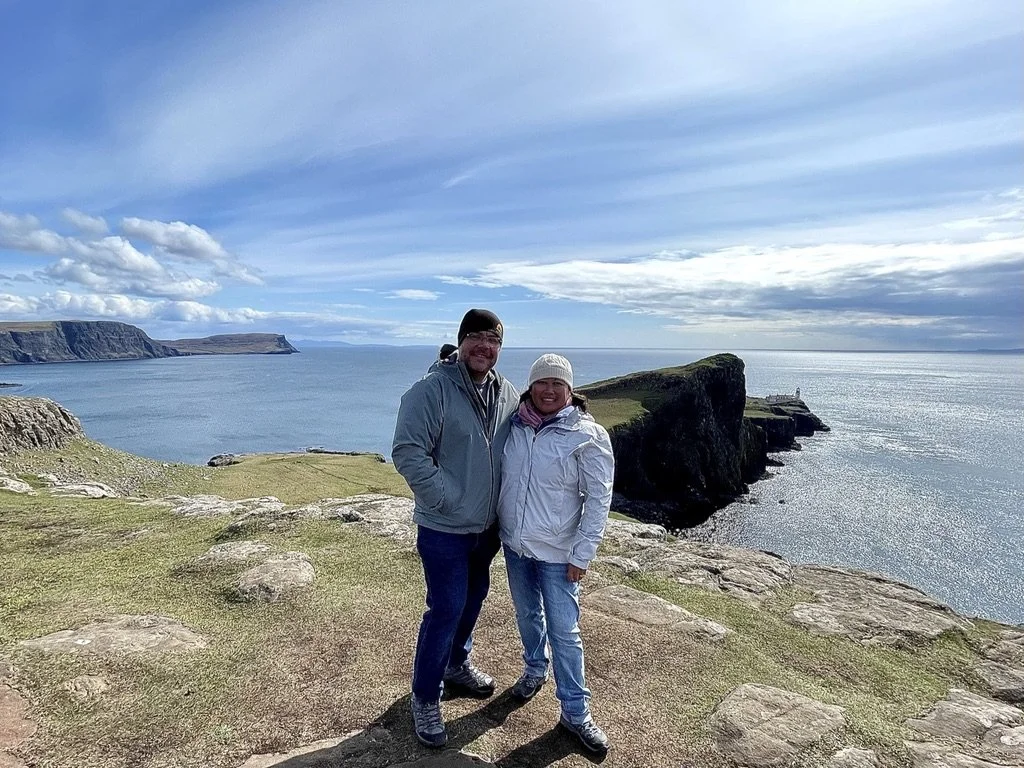
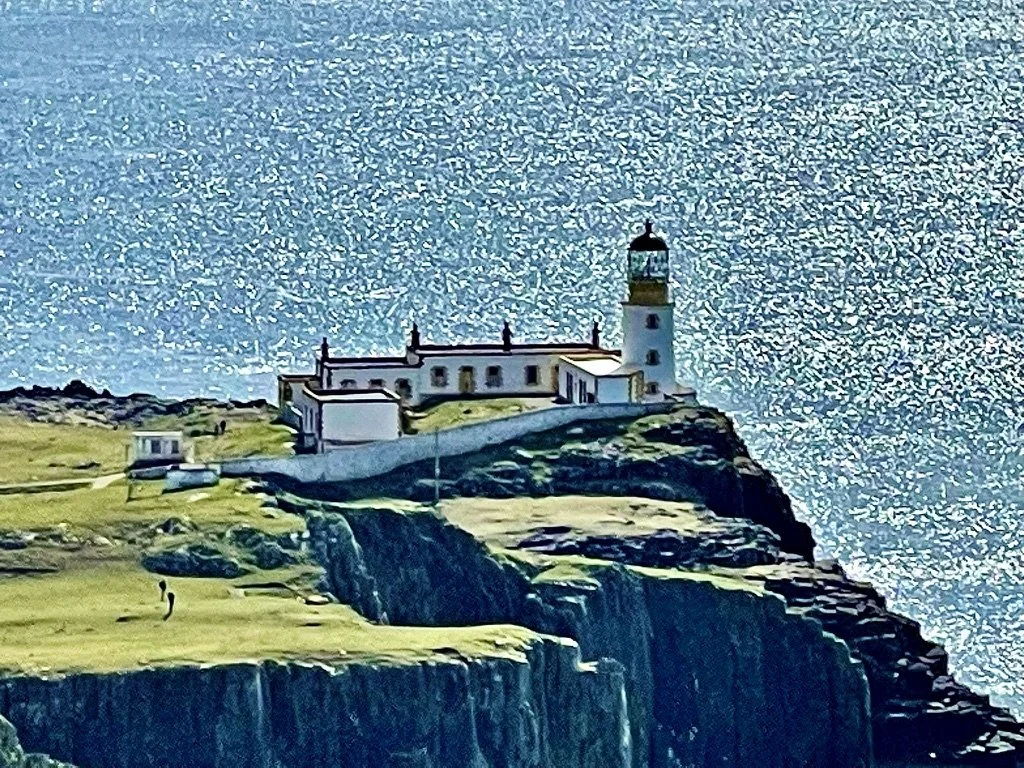
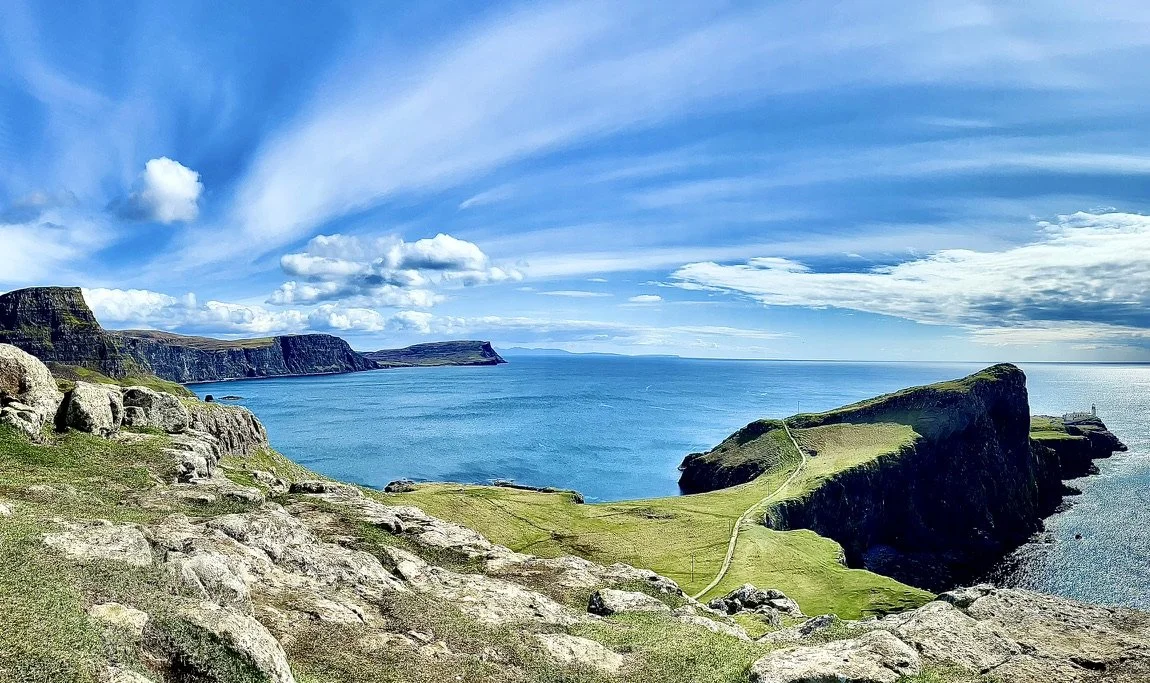
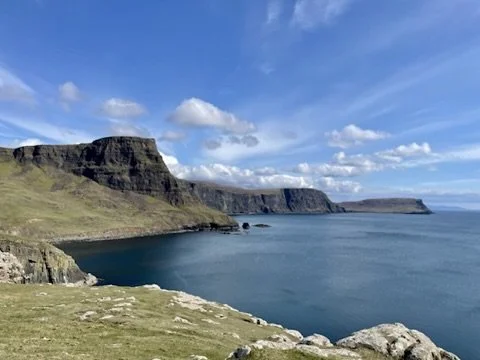
Neist Point Lighthouse: Perched on the most westerly point of Skye, the views from the clifftops are incredible. This was one of our favorite spots on the island. We are so glad we ventured out to this remote edge of Skye to take in the stunning rock formations and the vastness of the Atlantic.
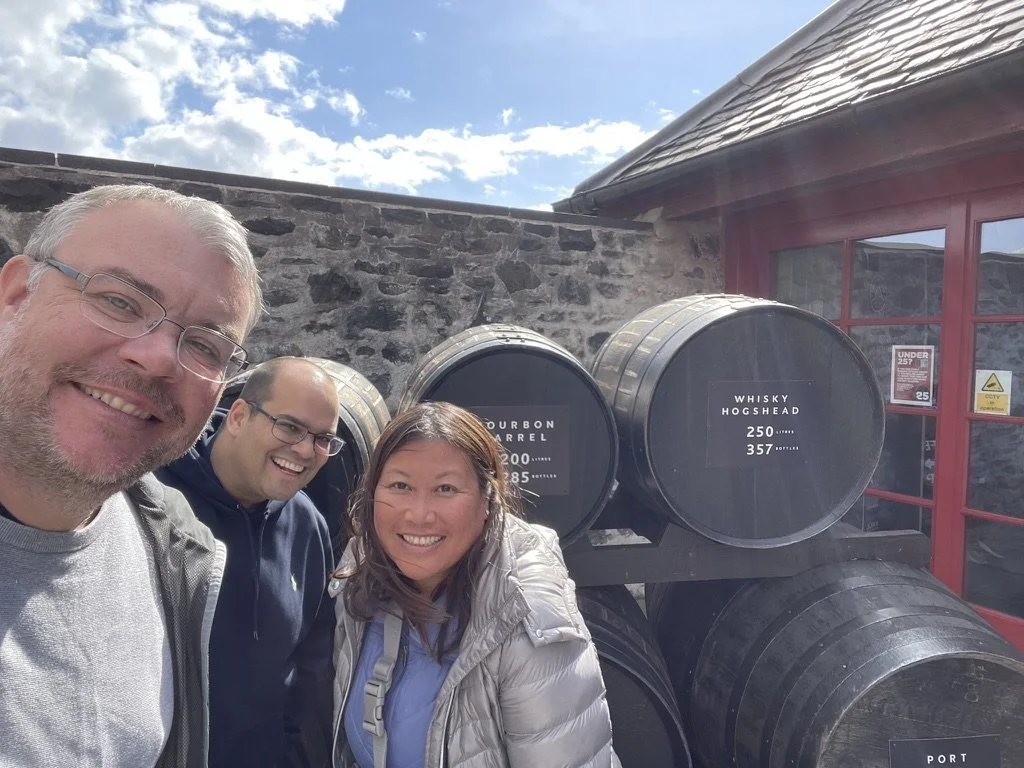
A Dram from Skye: The Distilleries
You cannot visit the island without sampling the "water of life," influenced by the salty Atlantic air and peat-rich earth.
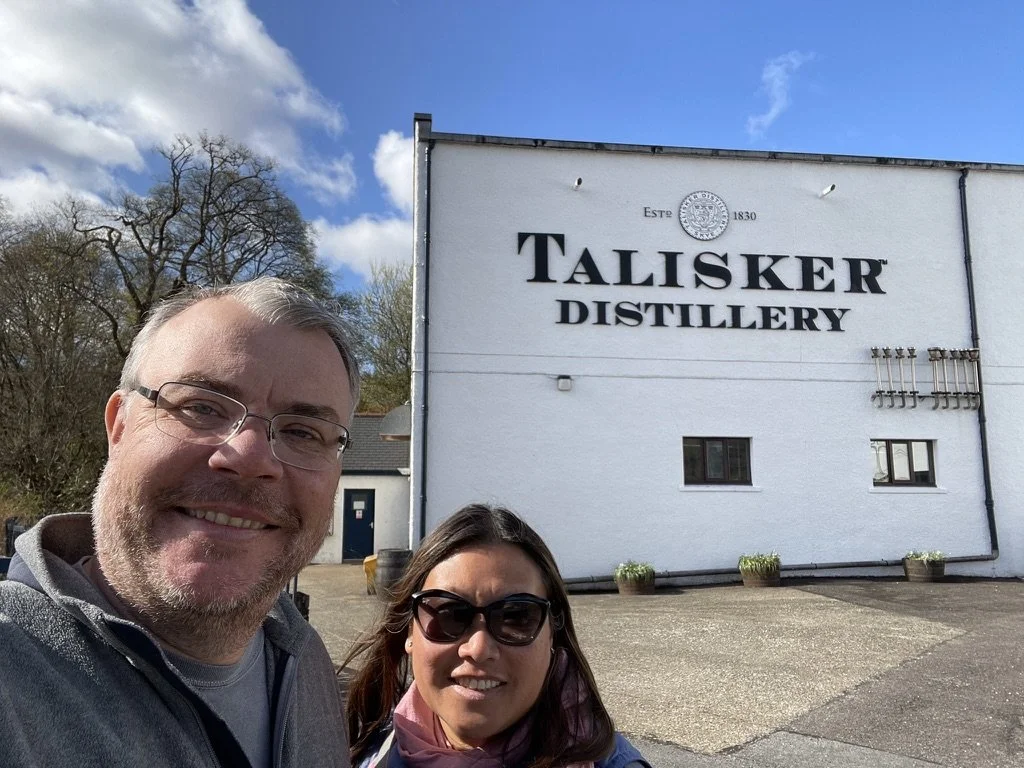
Talisker: The island’s oldest distillery, located in Carbost, is known for its powerful peat-smoke flavor and a distinct peppery finish that mirrors the rugged landscape.
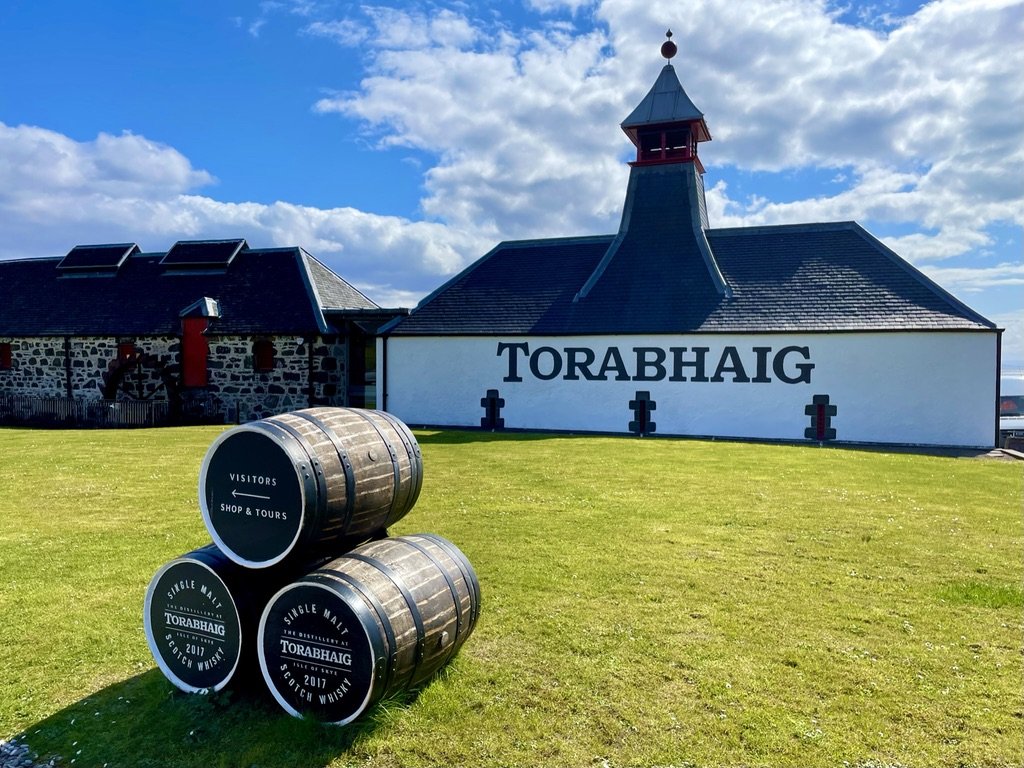
Torabhaig: A newer addition to the island, housed in a beautifully restored 19th-century farmstead on the Sleat Peninsula. Its whisky is elegant and well-balanced, offering a modern contrast to the classic Talisker style.
Staying on Skye
Because Skye is incredibly popular, we had to get creative with our logistics. We split our stay between two different locations to make the most of our time on the island.
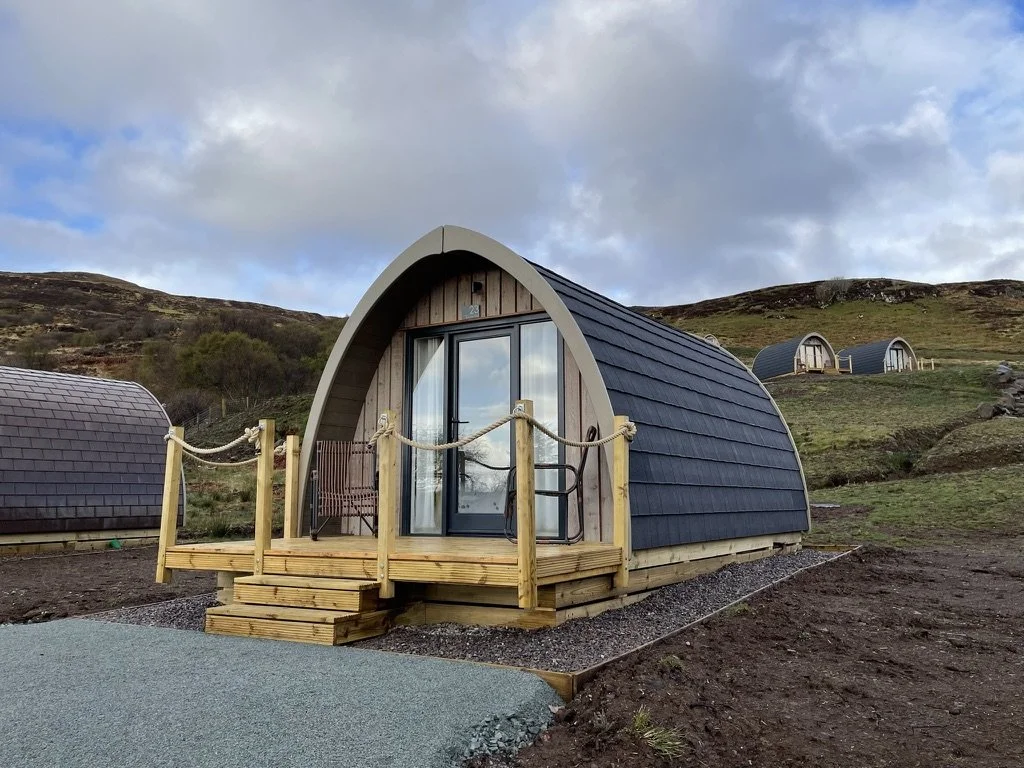
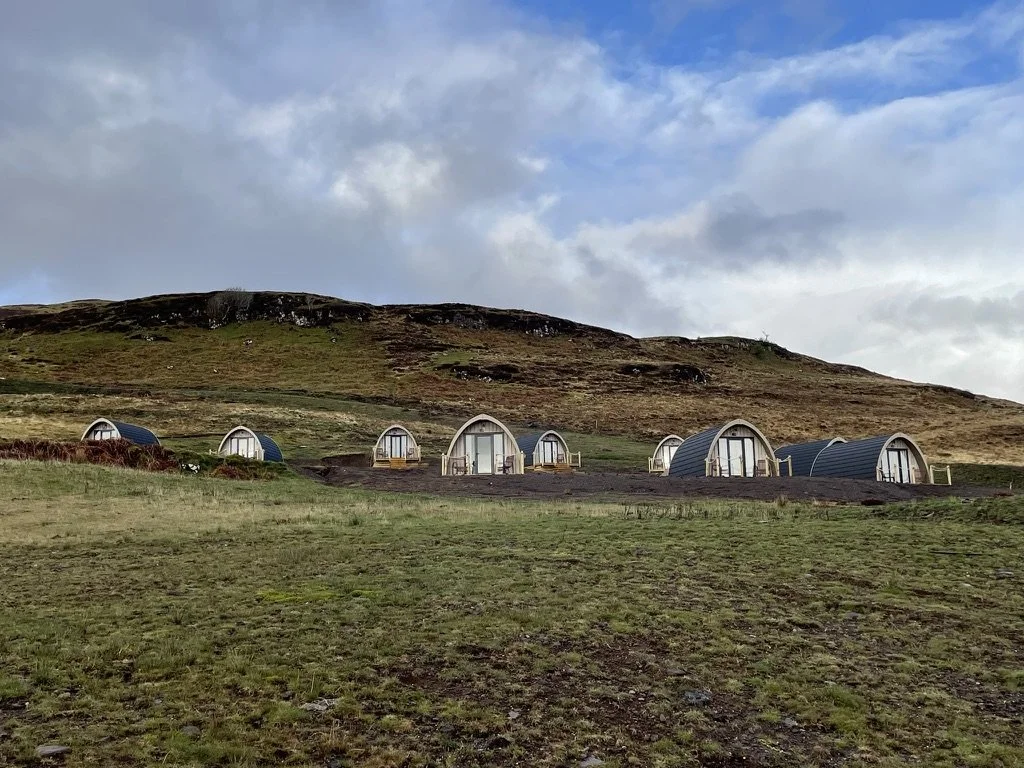
The Bracken Hide: This is a newer addition to the Skye hotel scene. The Bracken Hide features unique, luxury "cabins" nestled into the landscape, offering a modern, minimalist base for exploring the Portree area.
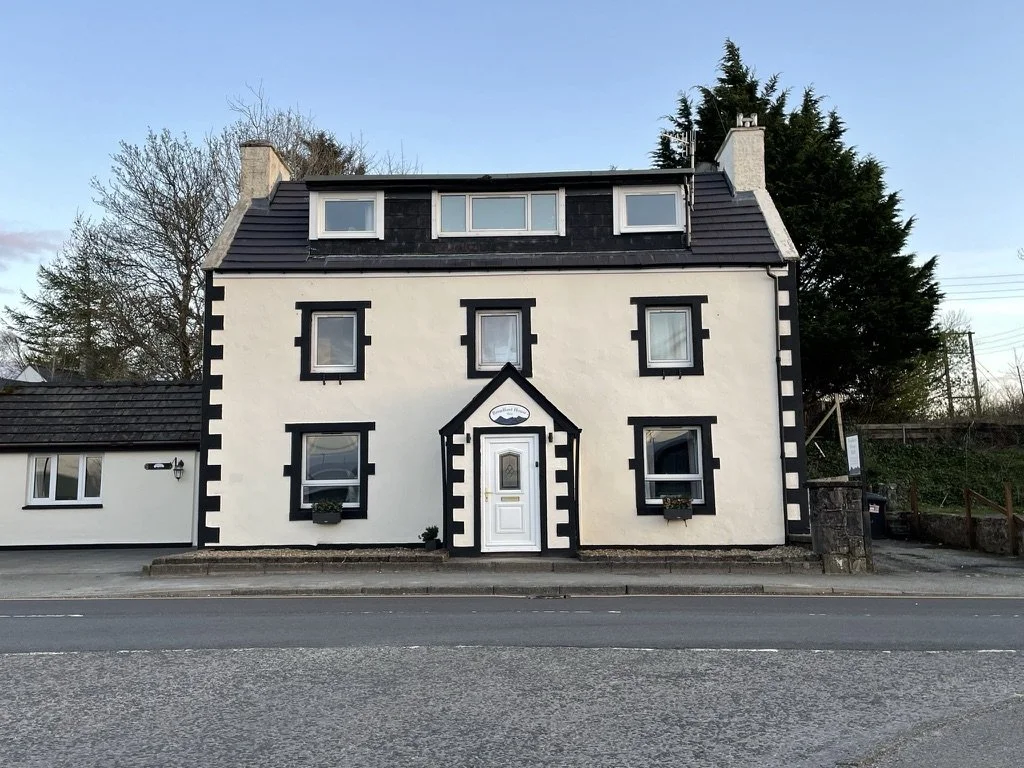
Broadford House: When we could not extend our original booking at Bracken Hide, we moved to the more basic Broadford House. It is a wonderful example of the cozy, welcoming guest houses that make the Highlands feel like home. After days of traveling, the ability to do a load of laundry and sit down to a hearty, full Scottish breakfast was exactly what we needed before moving on to our next destination.
Dining on Skye
Skye has become a legitimate foodie destination, boasting several Michelin-starred and highly recommended establishments. Here are the notable places we enjoyed:
Skeabost Restaurant: Located at the Skeabost House Hotel, the Skeabost Restaurant focuses on locally sourced Scottish produce and island cuisine. We ate here the night we arrived on the Isle of Skye, and it was a wonderful introduction to the local flavors.
Edinbane Lodge: The only Michelin-recommended restaurant where we managed to snag a dining reservation. The restaurant at the Edinbane Lodge is renowned for its commitment to local produce and its warm, traditional atmosphere. It was the perfect place to refuel after a day on the Trotternish Loop. (Note: Be sure not to confuse this with the Edinbane Inn nearby!)
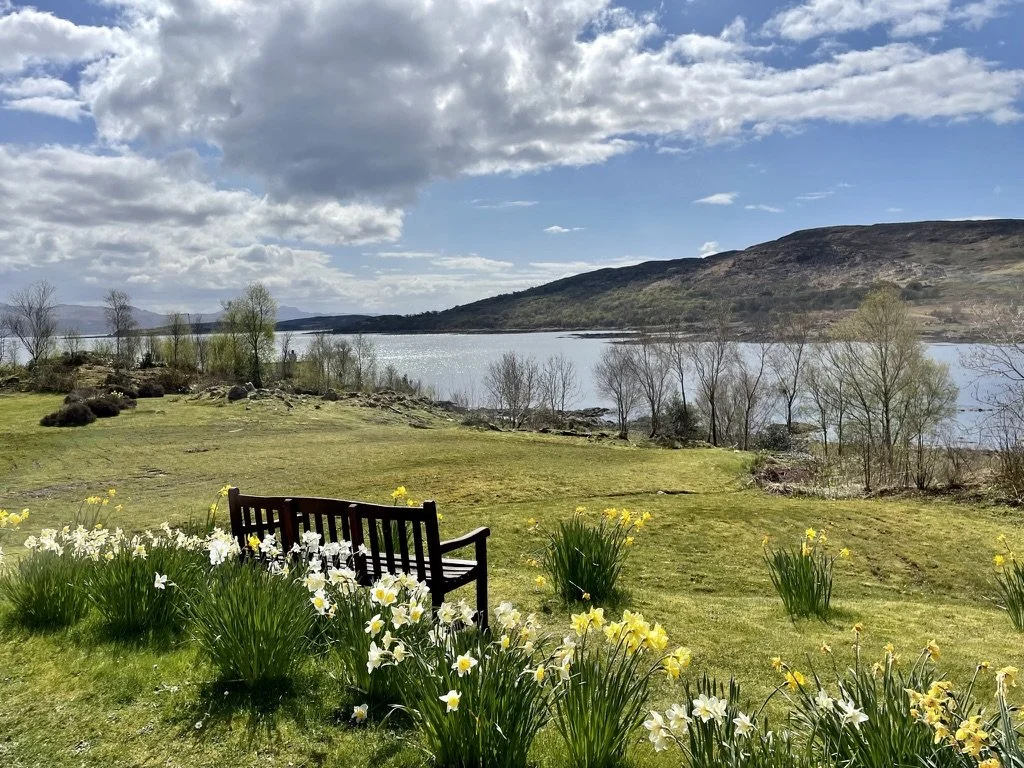
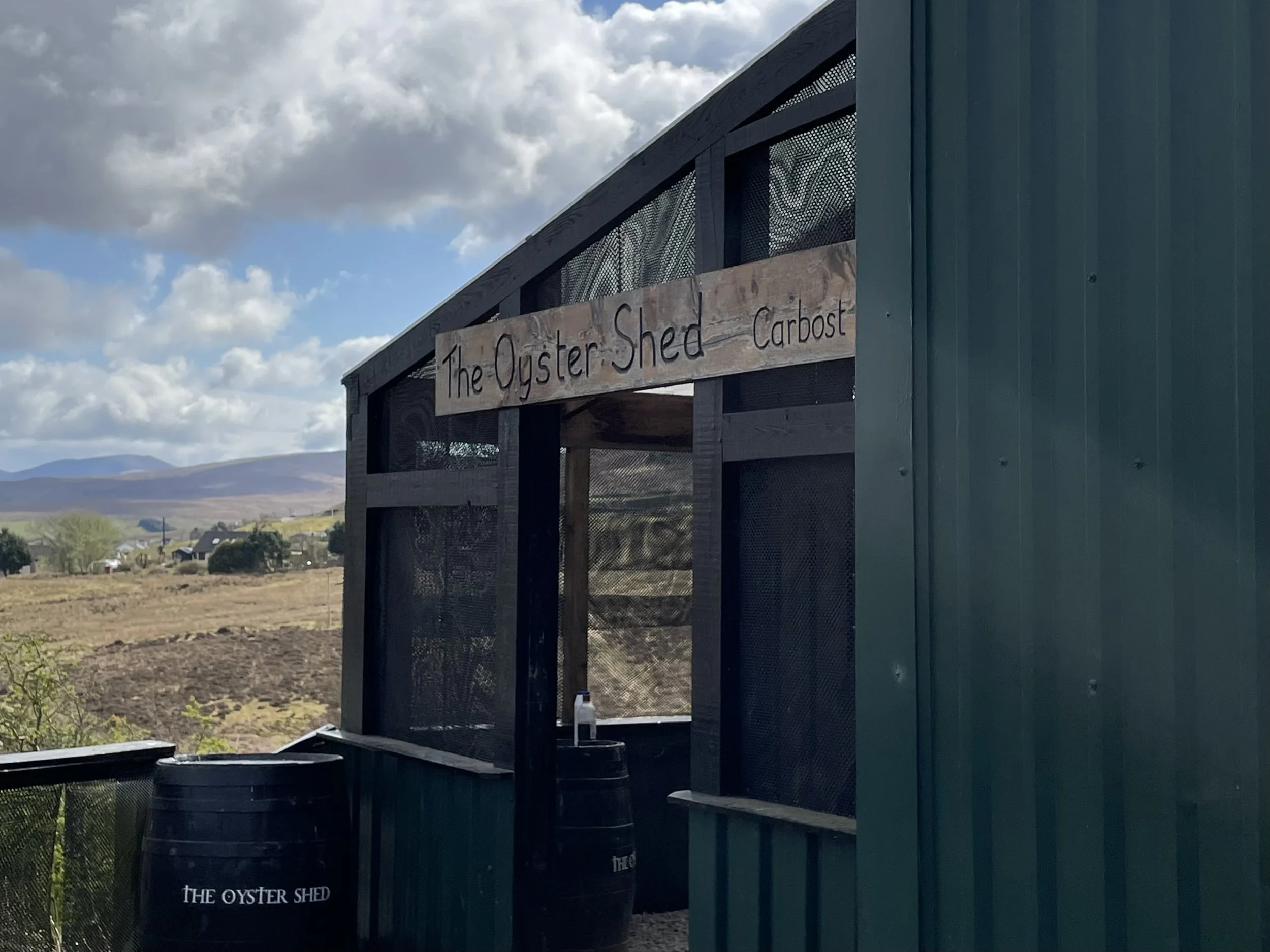
The Oyster Shed: For something more relaxed, the Oyster Shed is an essential stop. It is a casual, "purchase from the counter" spot in Carbost. The fresh seafood here is unbeatable, making it a perfect post-tour stop after a visit to the nearby Talisker Distillery.
Red Skye Restaurant: This was the last place we ate on the island, and it did not disappoint. Located in an old schoolhouse in Breakish, Red Skye serves delicious, fresh seafood in a cozy setting. It was the perfect last dinner on the Isle of Skye.
Oban: Gateway to the Isles (1 Day)
Traveling to Oban
Along the drive from the Isle of Skye to Oban, we made stops at:
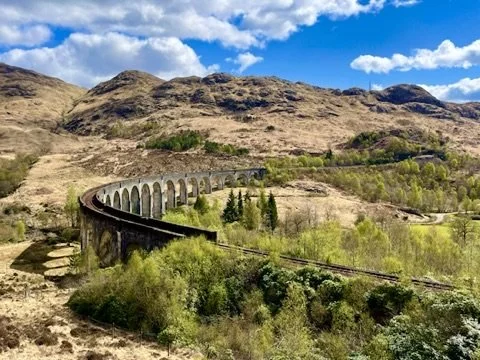
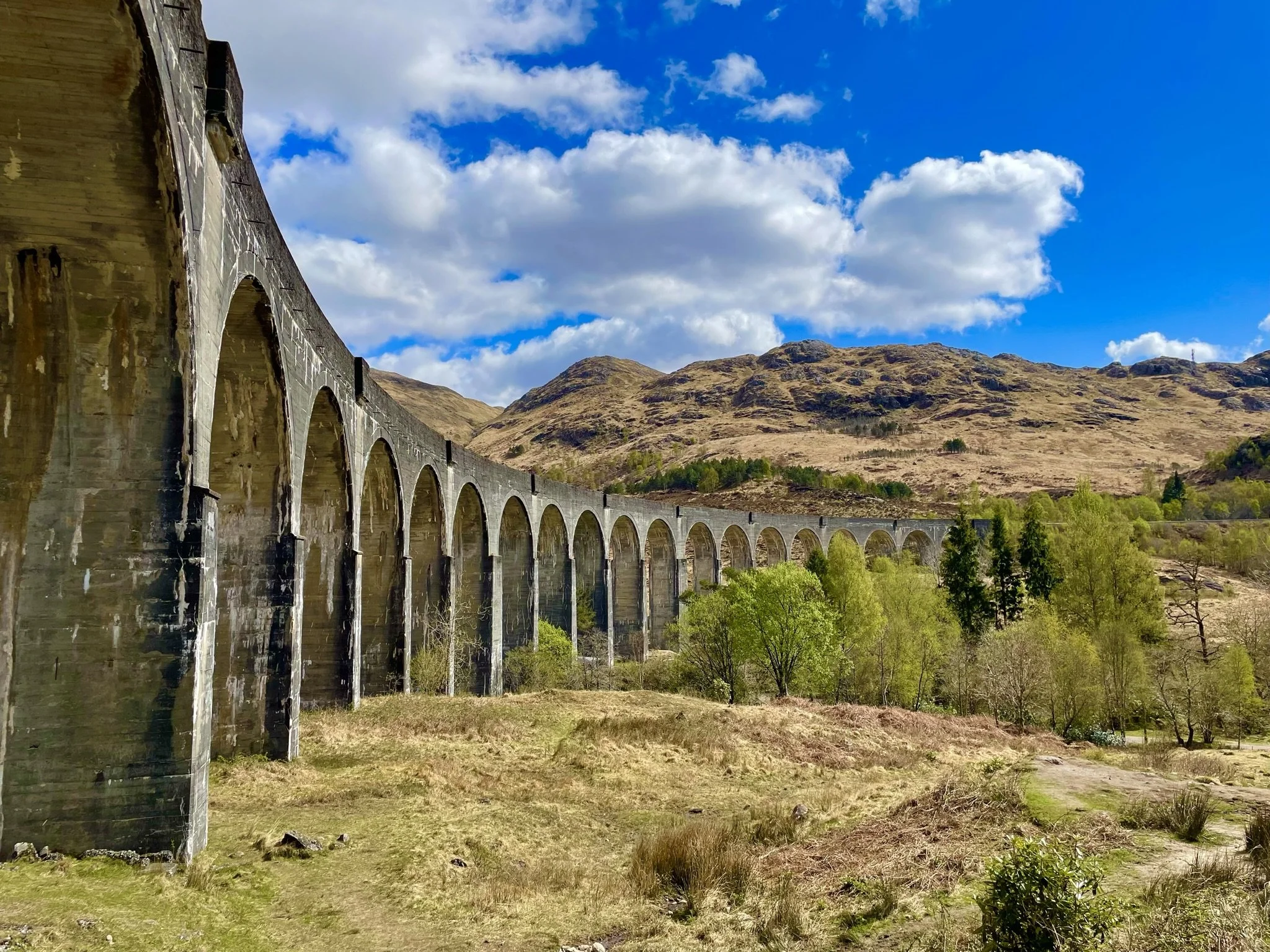
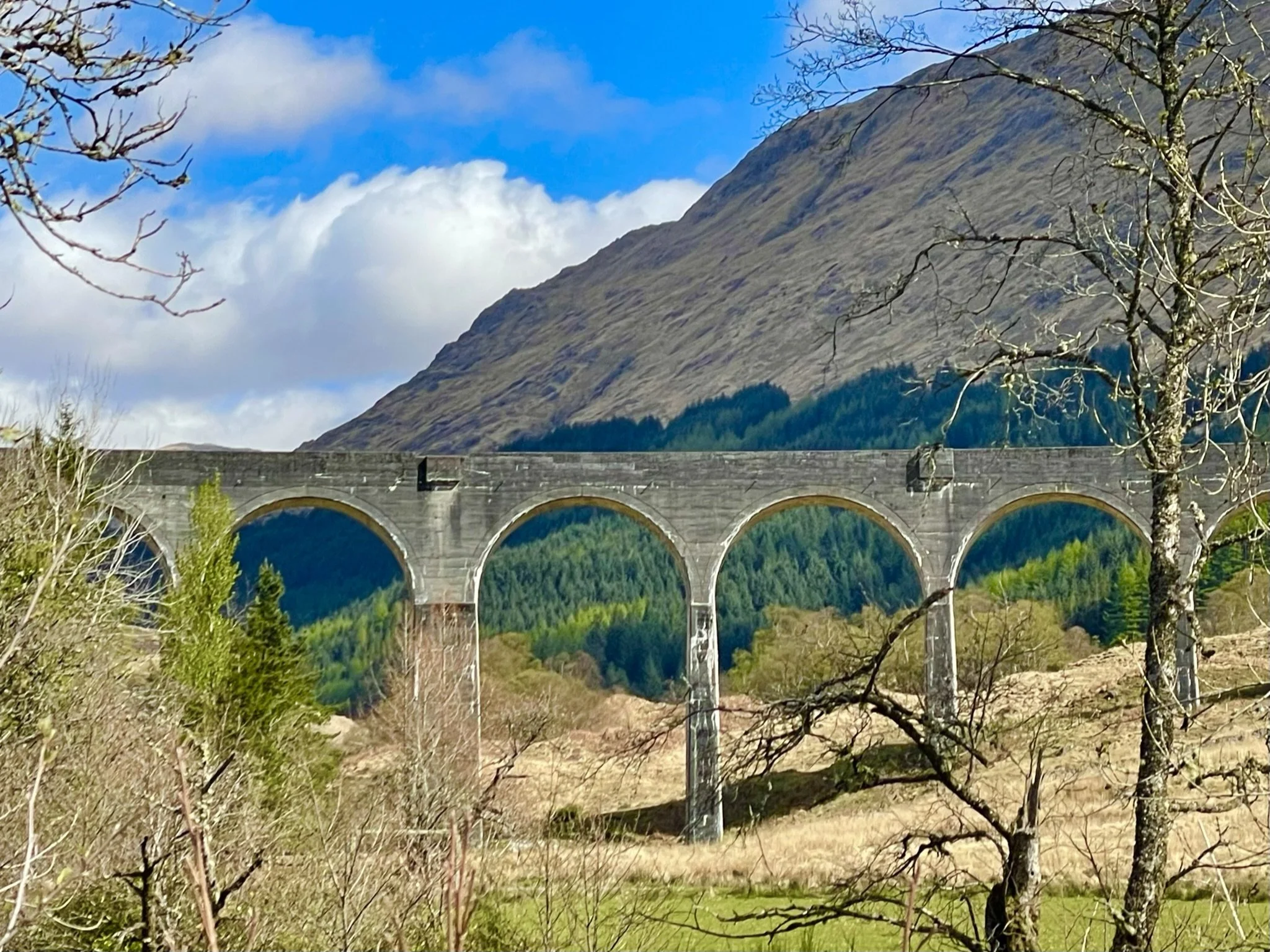
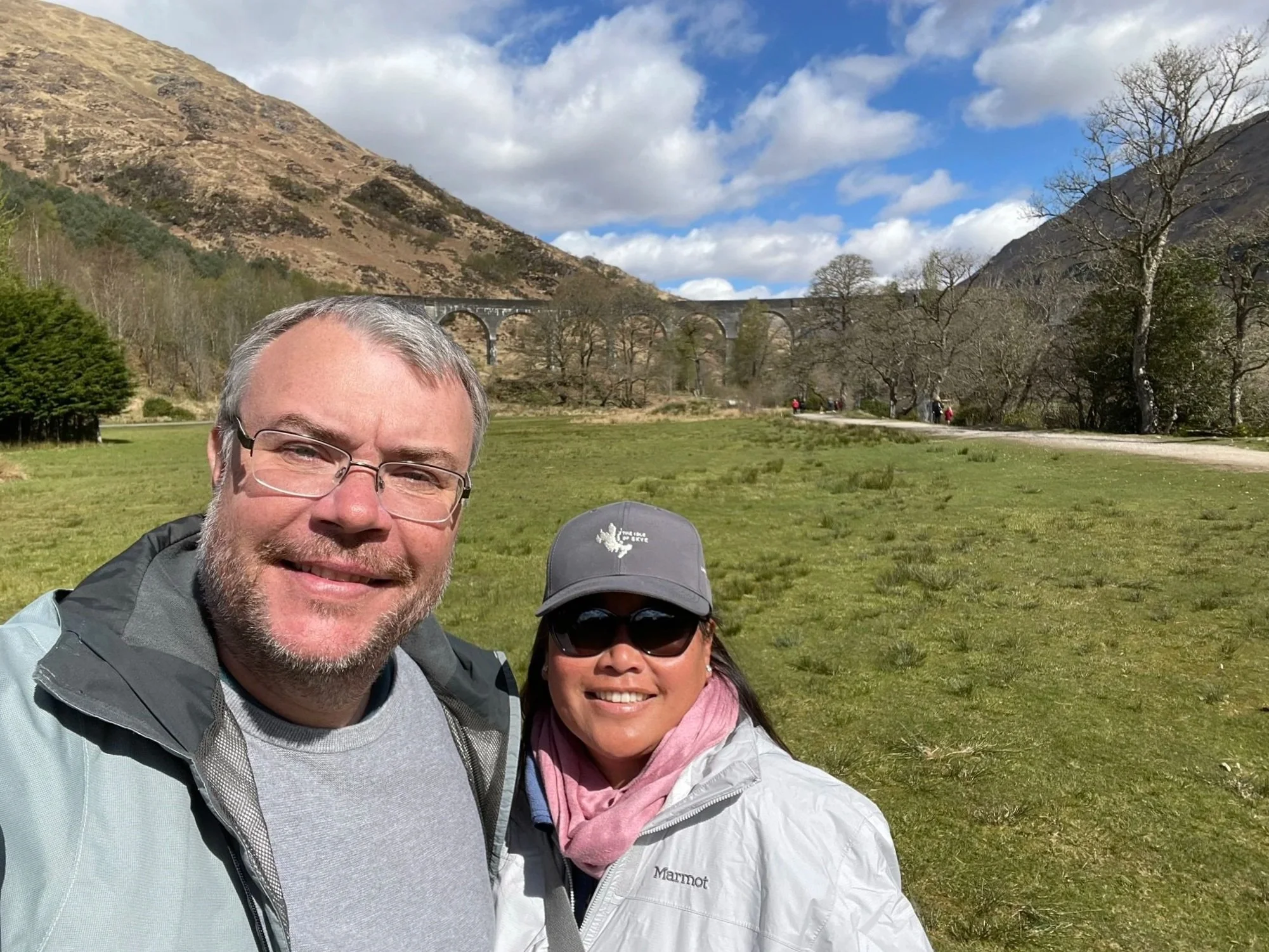
Glenfinnan Viaduct: This massive curved bridge is instantly recognizable as the route taken by the Hogwarts Express in the Harry Potter films. We took the time to do the walk to the top of the hillside overlooking the viaduct. The trail is relatively short but offers the most spectacular vantage point of the twenty-one arches spanning the valley. From this height, you get a clear view of the tracks stretching toward the mountains.
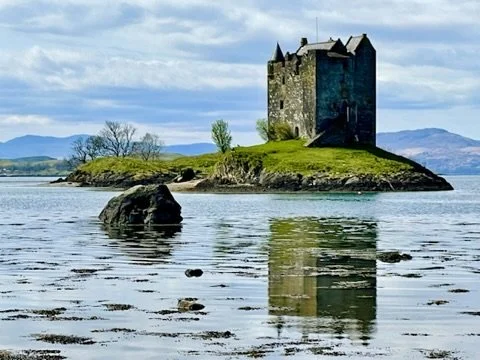
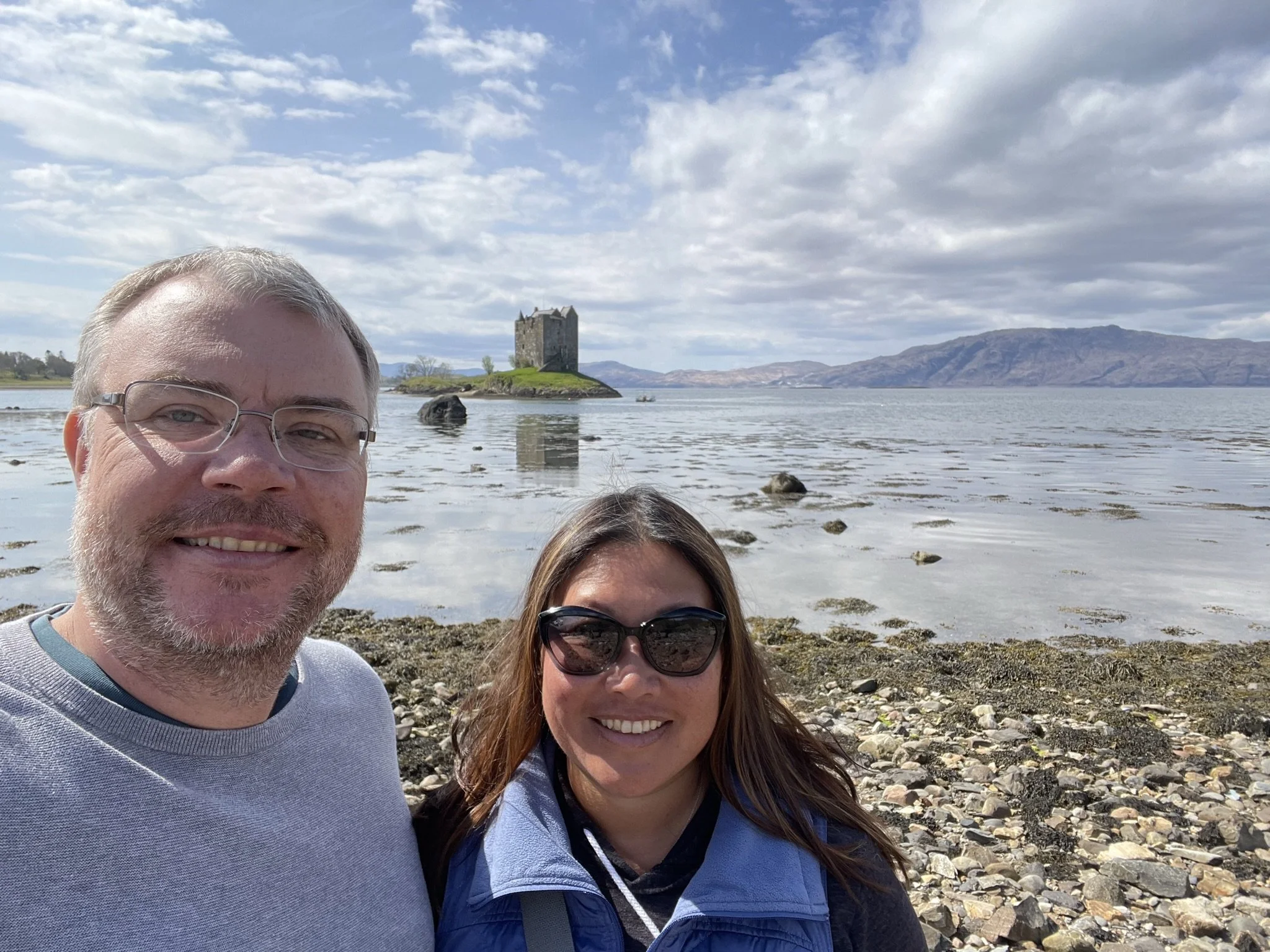
Castle Stalker: Situated on a tiny tidal islet, it is incredibly picturesque. Even without the boat tour (we were too early in the season), the viewpoint from the shore is a must-stop for photographers.
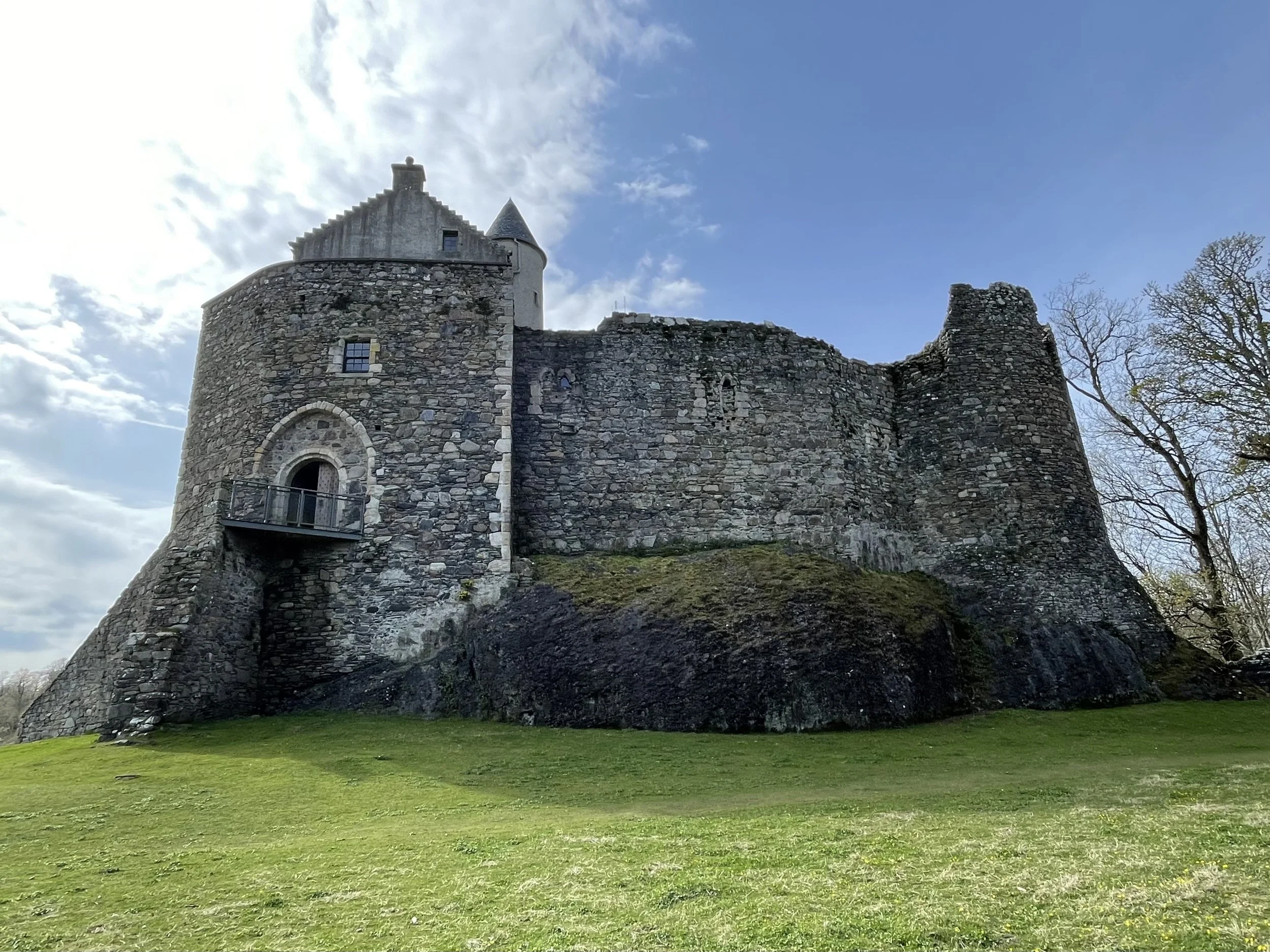
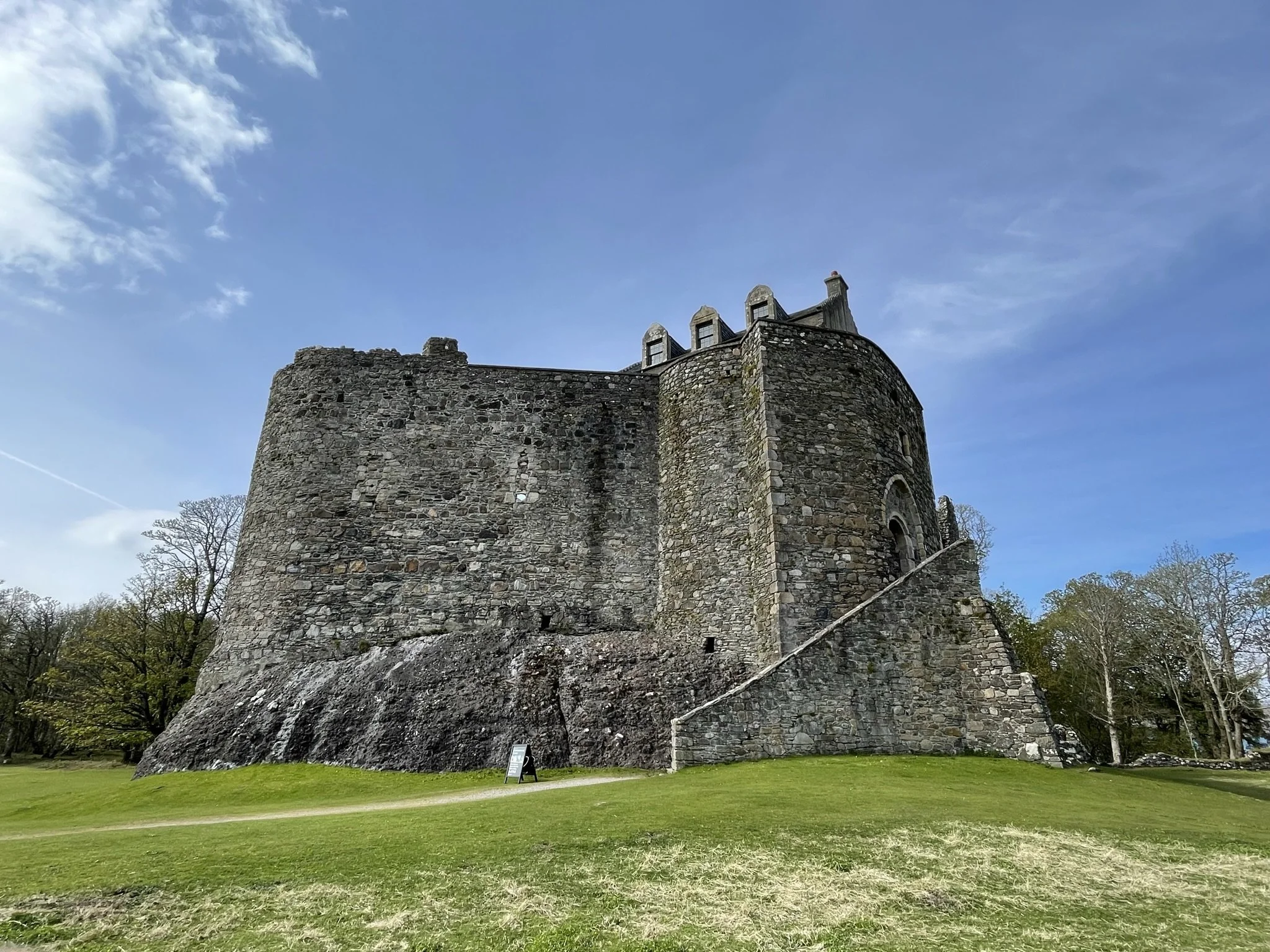
Dunstaffnage Castle: One of Scotland's oldest stone castles. This mass of masonry guards the seaward approach from the Firth of Lorn to the Pass of Brander. However, if your itinerary is packed with the dramatic ruins of Urquhart or the lived-in history of Dunvegan, we would actually recommend skipping this stop.
Exploring the Town of Oban
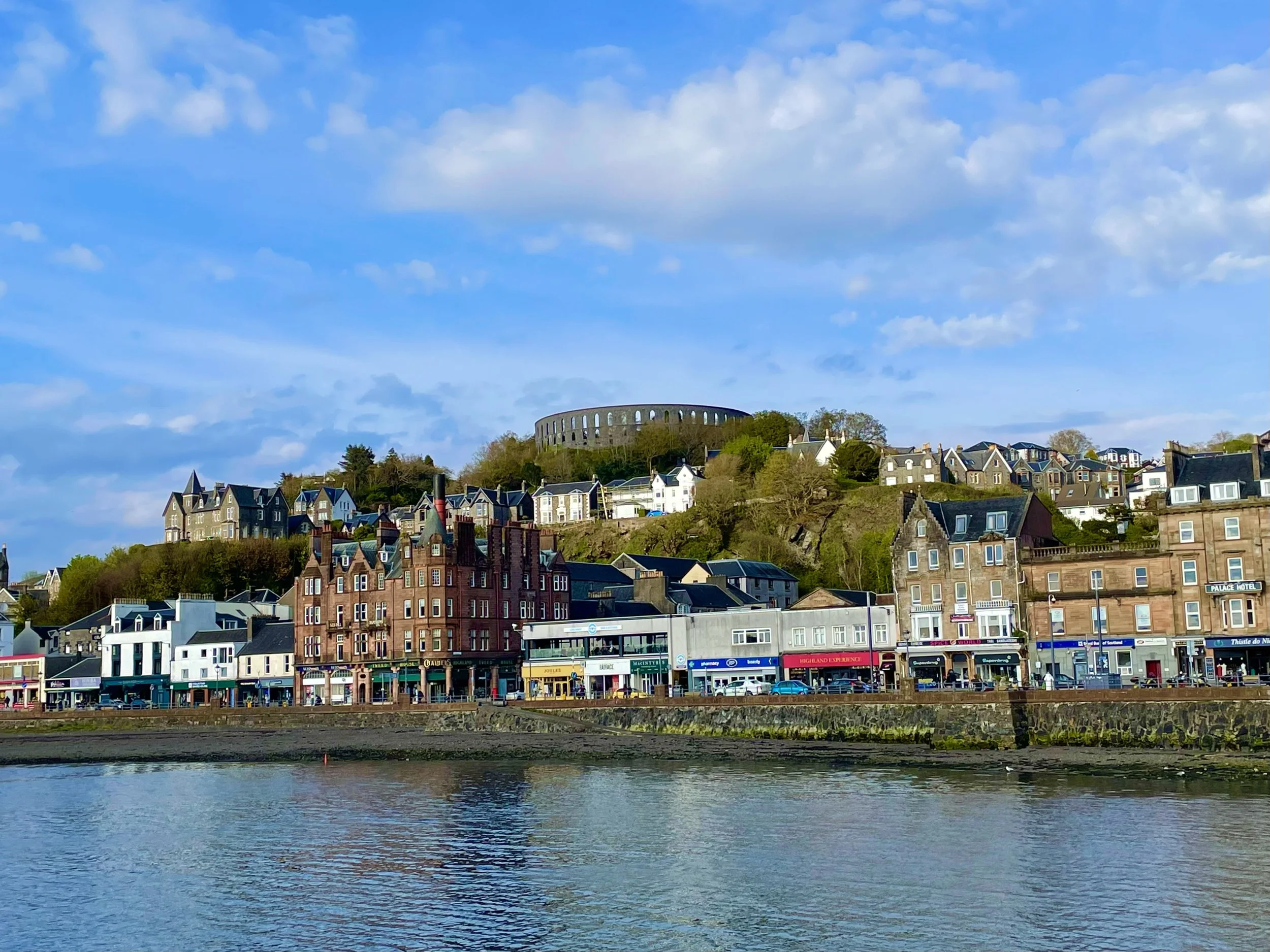
We primarily used the coastal town of Oban as our access point for the ferry to the Isle of Mull, but the town itself has a distinct charm t. It is a bustling port known for its incredible seafood and its hillside landmarks that keep watch over the harbor.
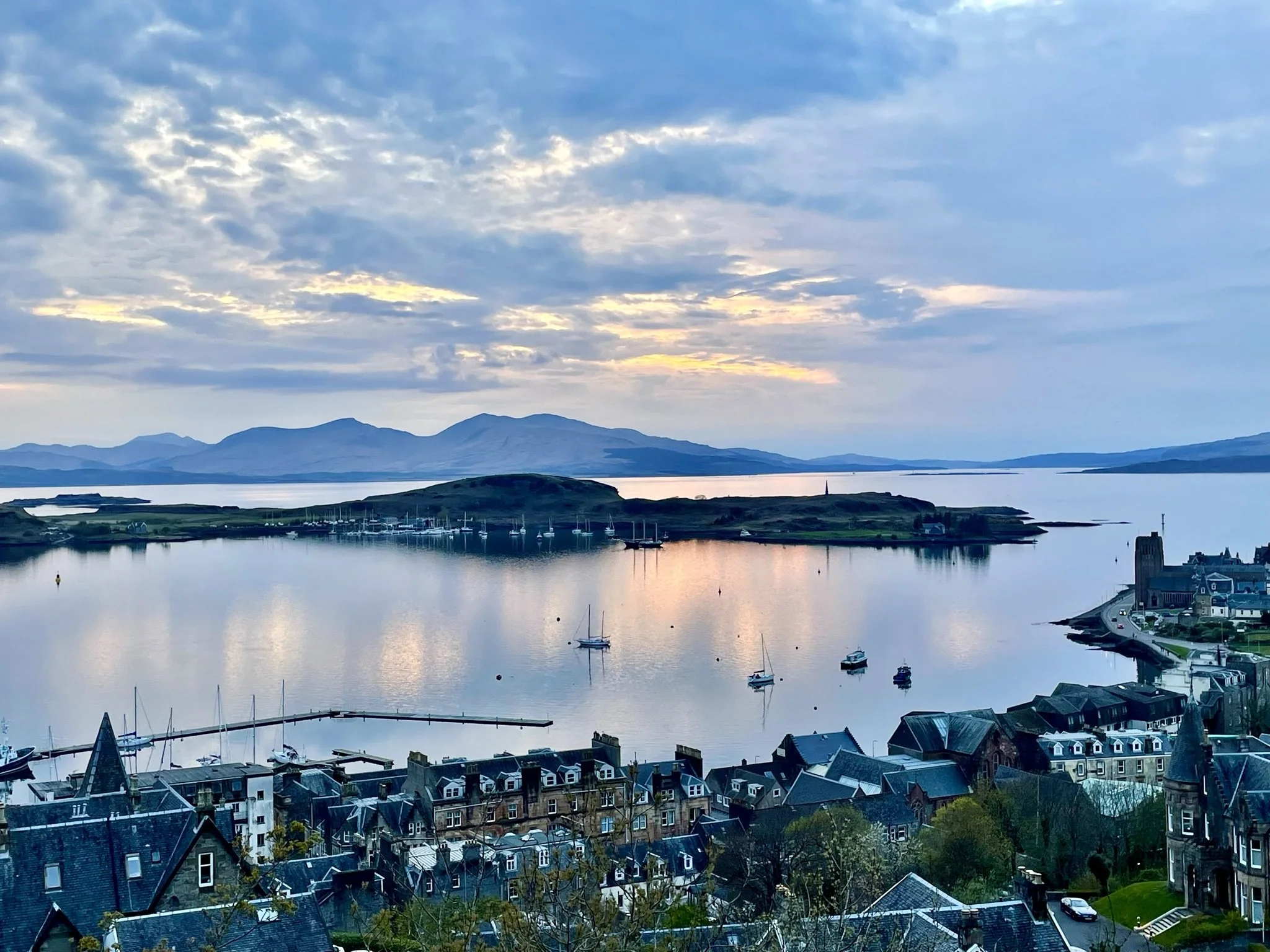
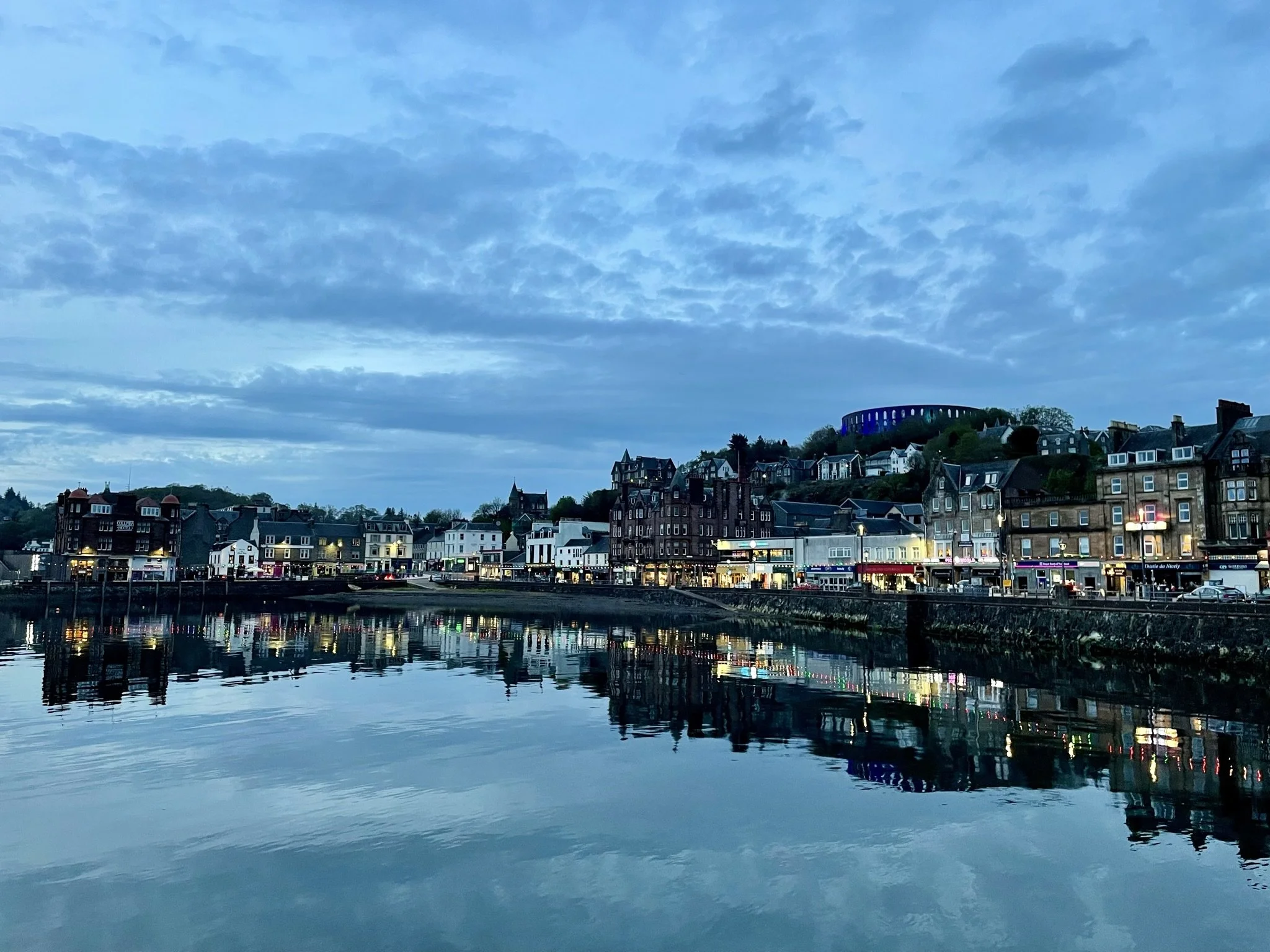
Oban Harbor: This is the heart of the town. It is a constant hive of activity, with massive CalMac ferries gliding in and out alongside small, colorful fishing boats. Walking along the pier, you get a real sense of the "Gateway to the Isles" energy. The smell of salt air and the sound of gulls are everywhere, and it is the best place to find a bench and simply watch the maritime world go by.
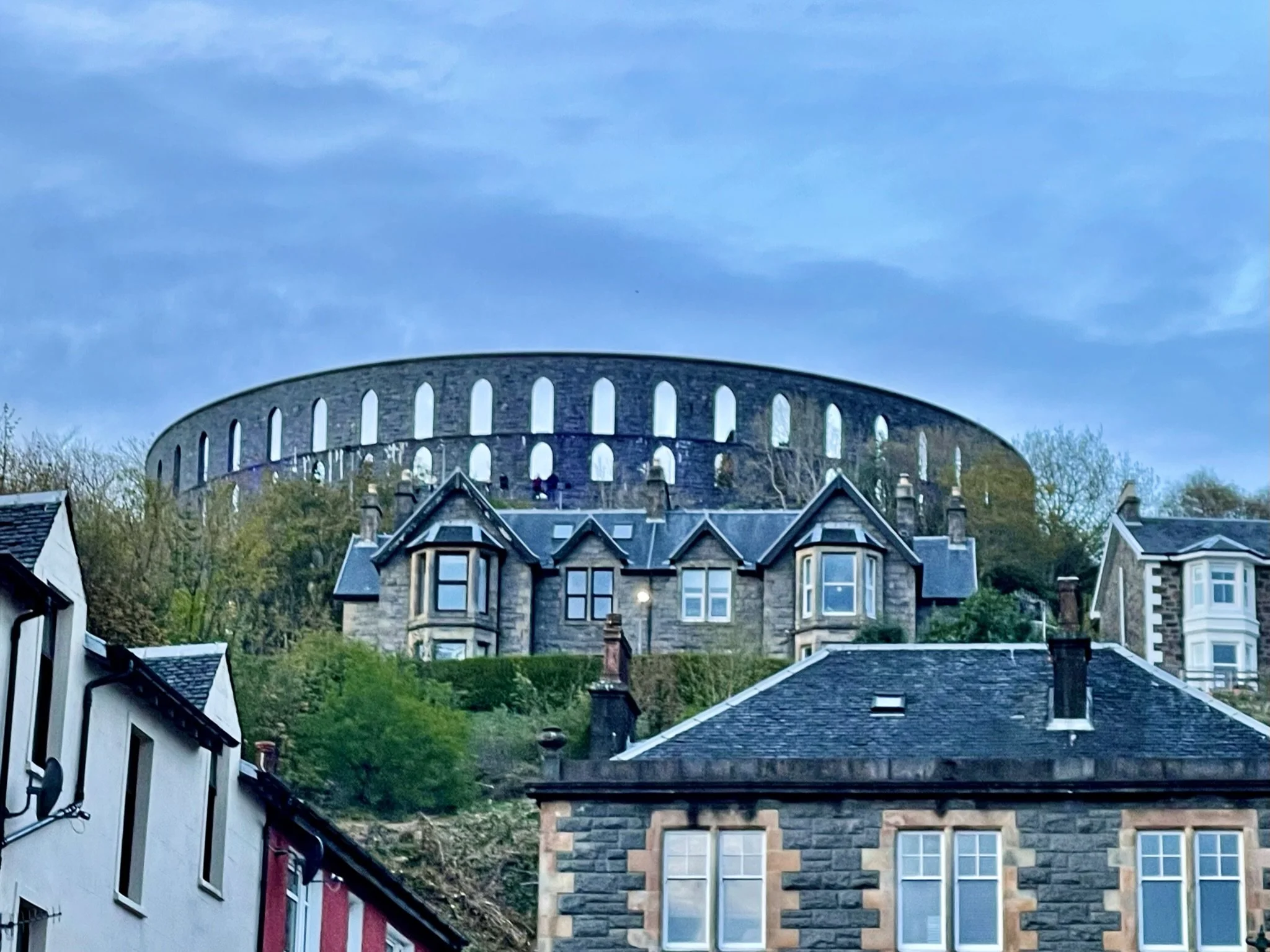
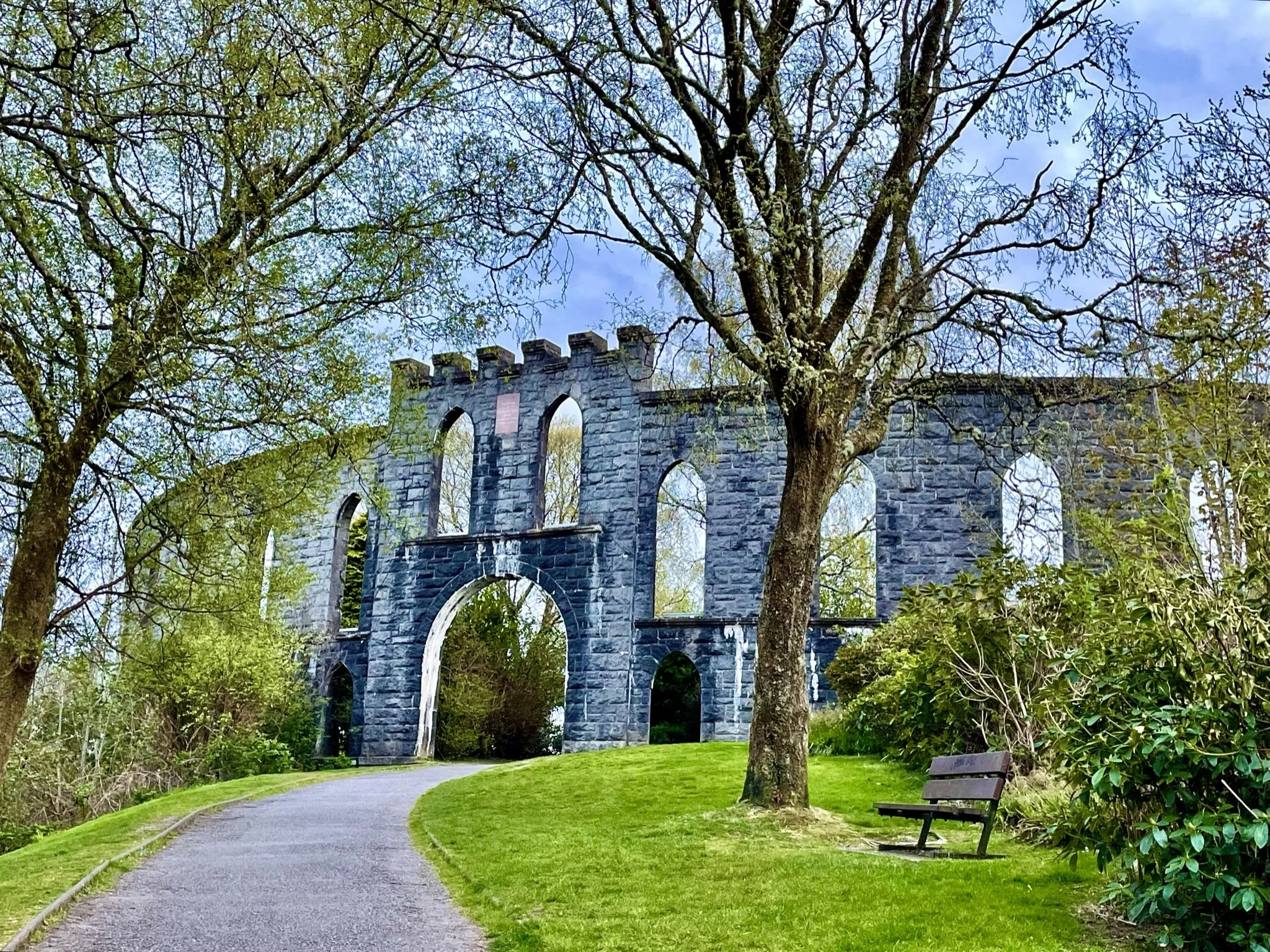
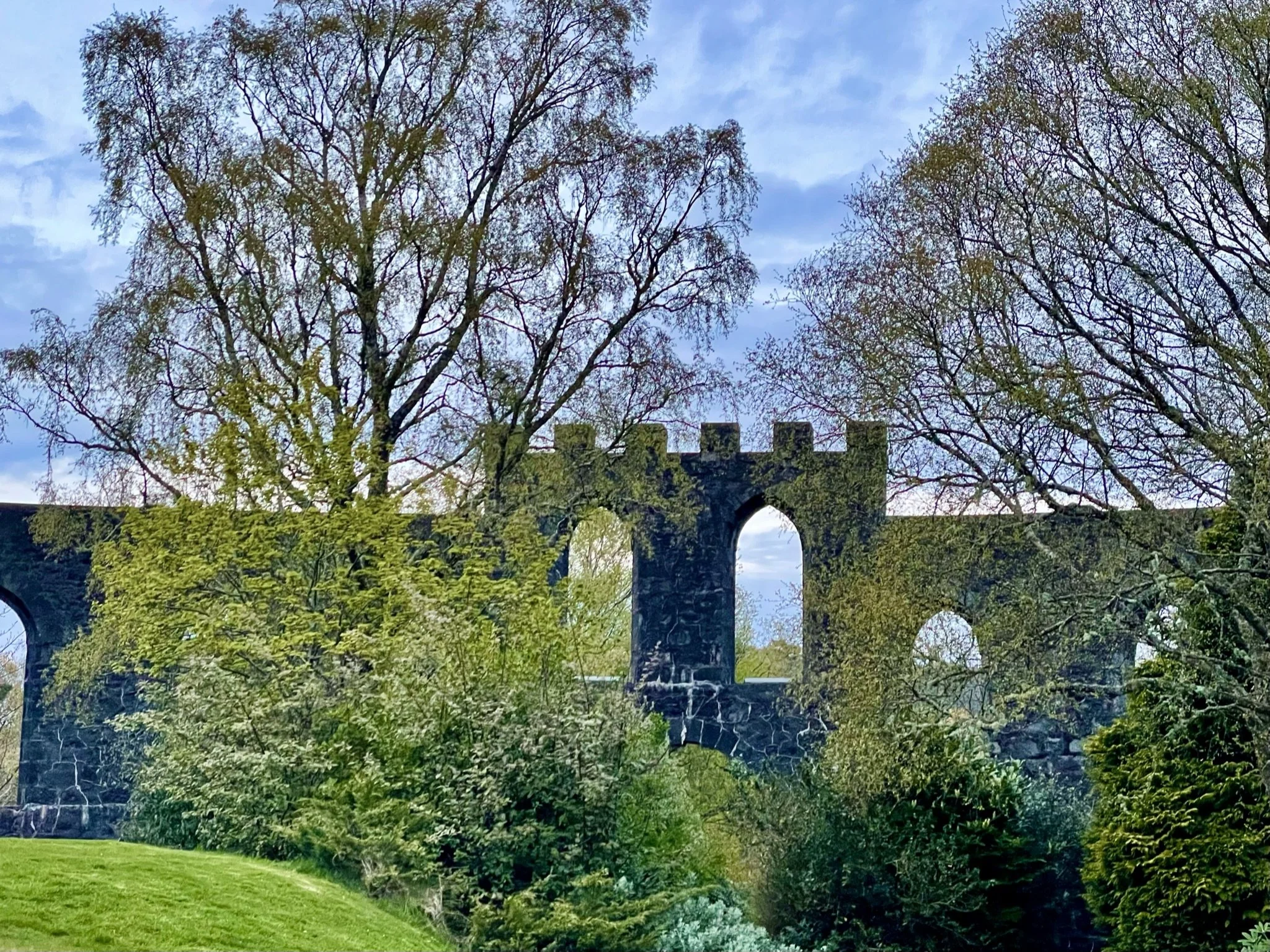
McCaig’s Tower: Standing tall above the town, this structure looks remarkably like a Roman Colosseum. It was built in the late 19th century as a monument to the McCaig family and intended to provide work for local stonemasons. The steep walk up to the tower is well worth the effort, as the gardens inside the "crown" offer the best sunset vantage point over the harbor and the distant islands. It is the place to go during sunset.
Staying In Oban
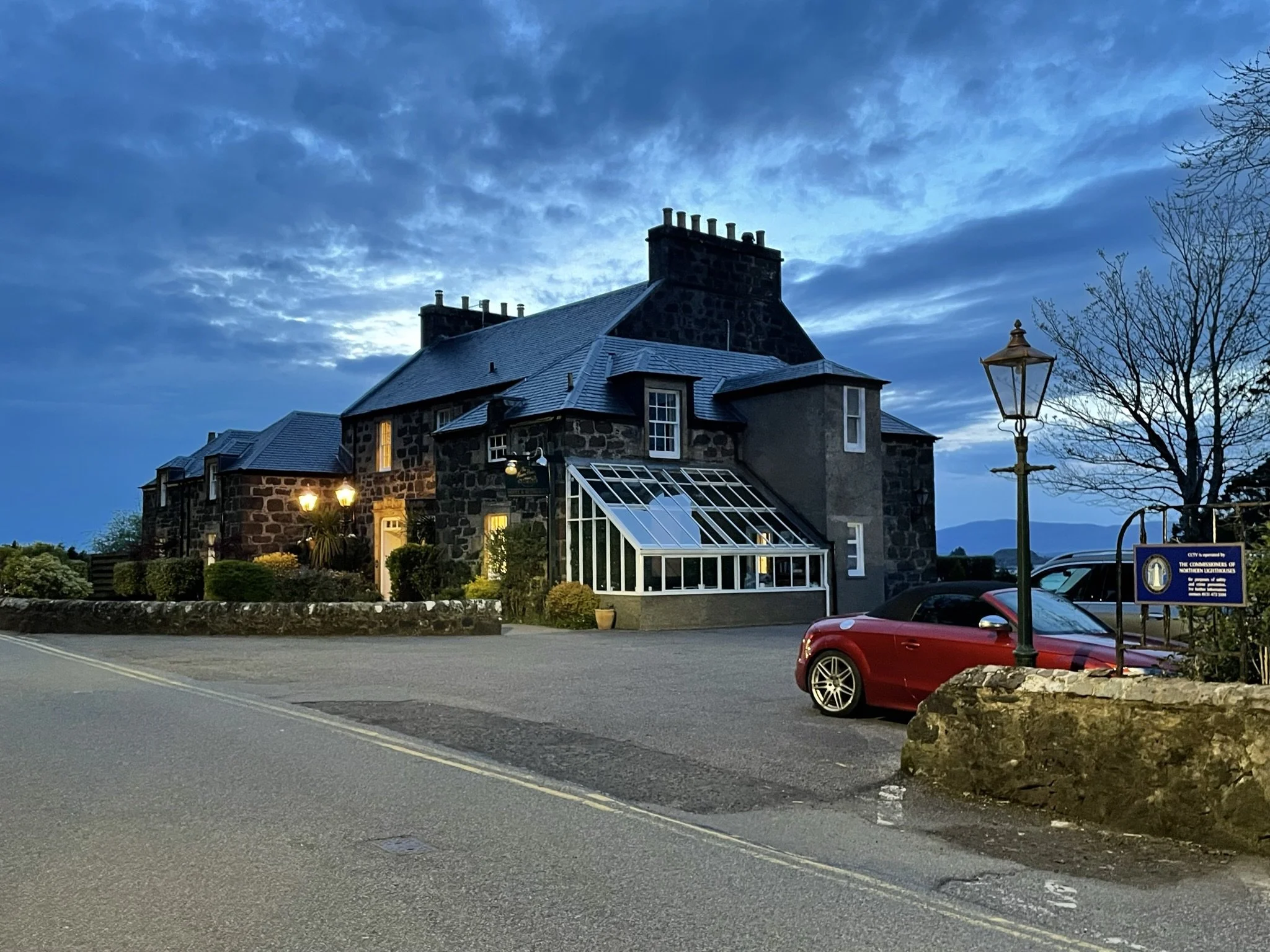
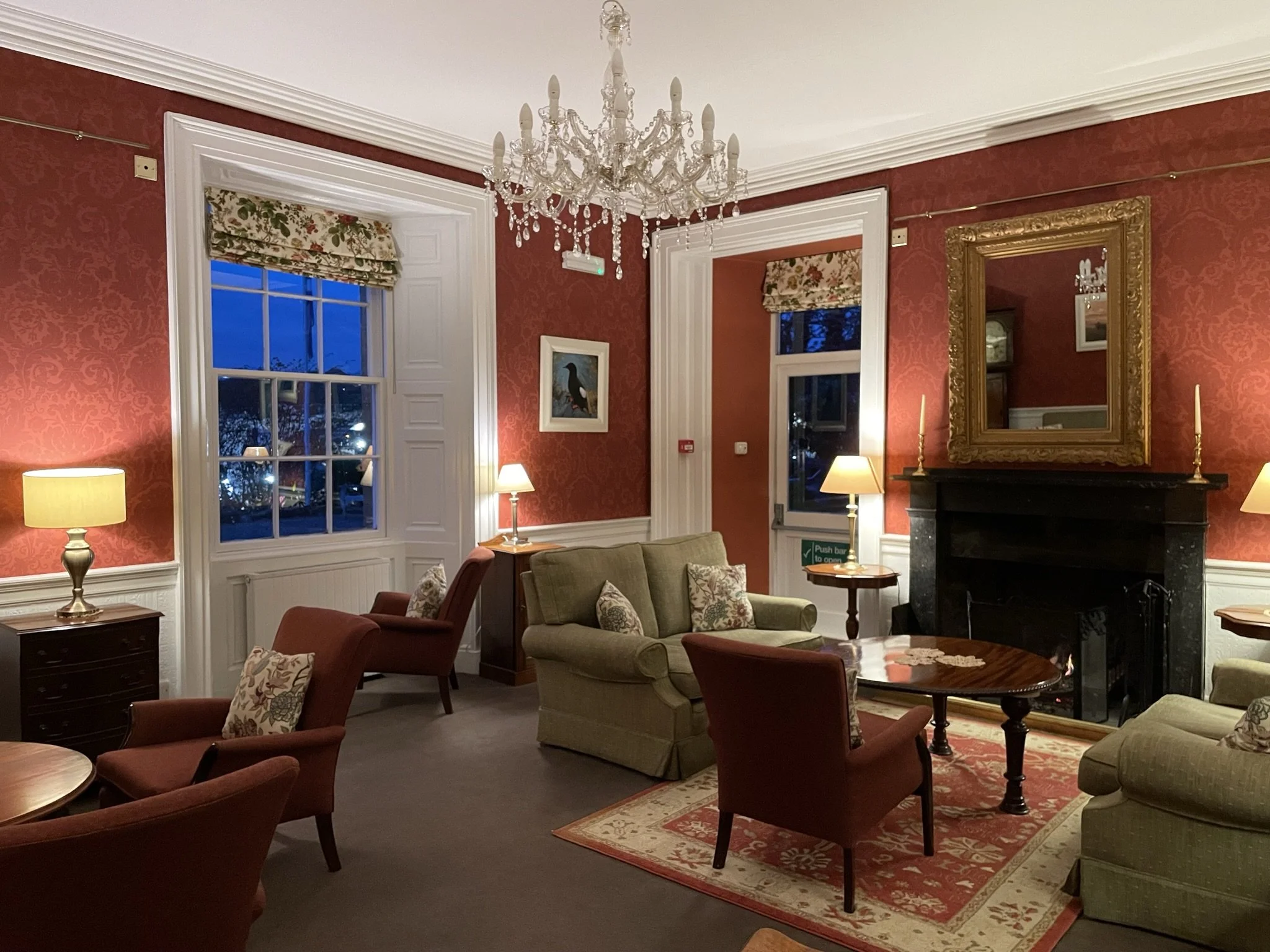
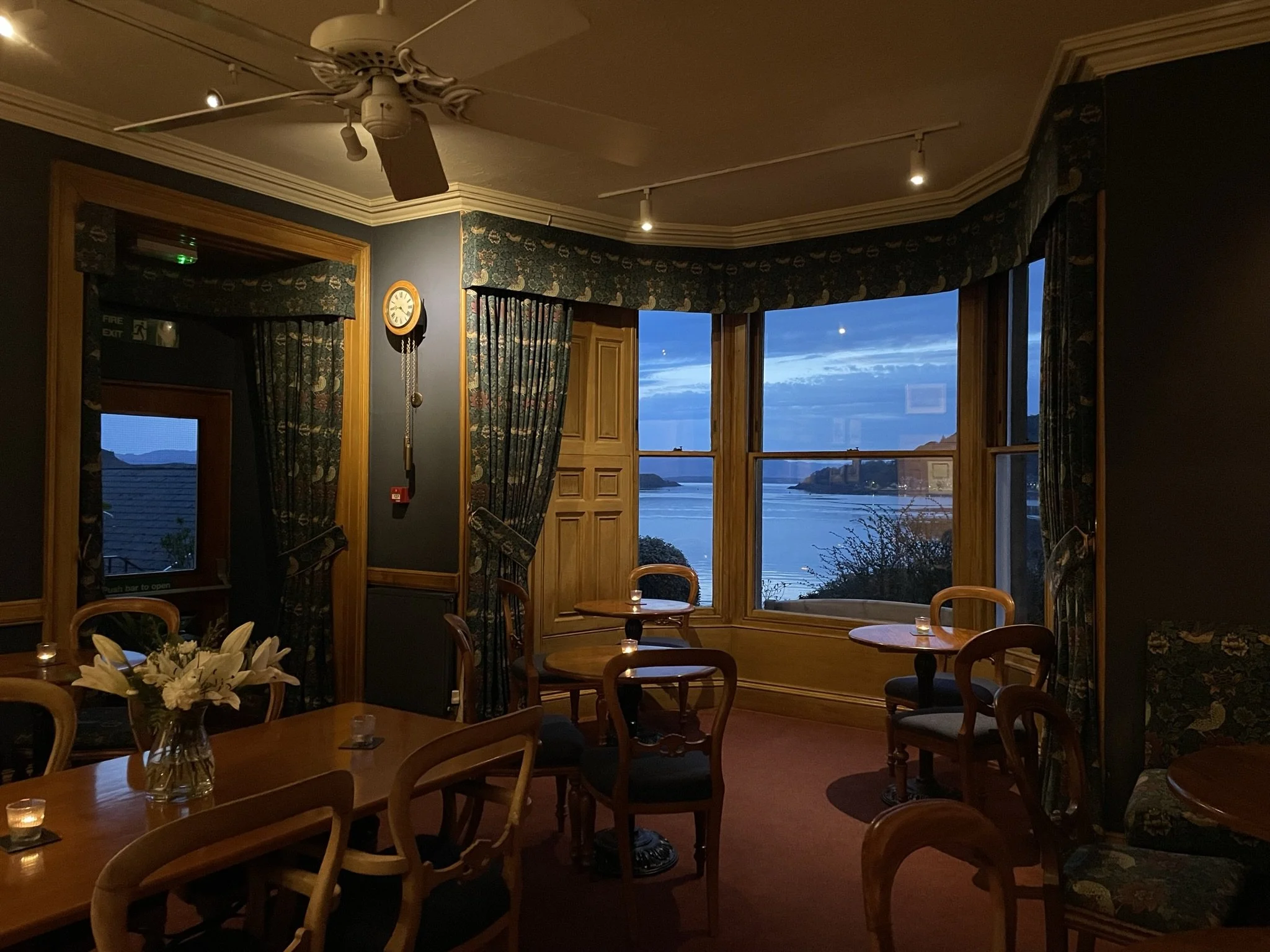
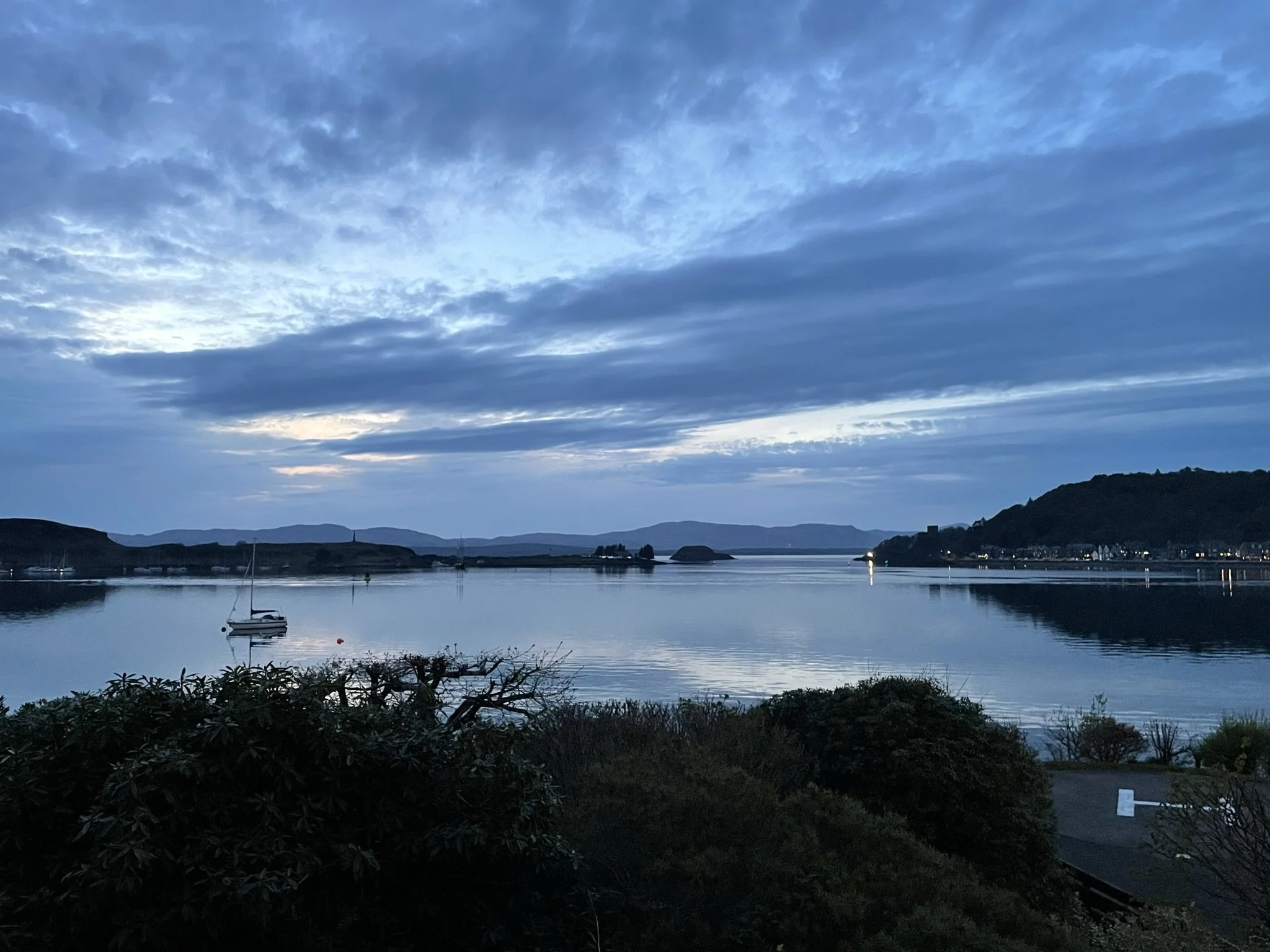
For our two nights in the area, we stayed at the Manor House. This Georgian mansion, built in 1780, feels tucked away from the harbor's hustle and bustle. Staying here allowed us to enjoy a bit of historical elegance and stunning views across Oban Bay before our morning ferry departure.
Isle of Mull (1 Day)
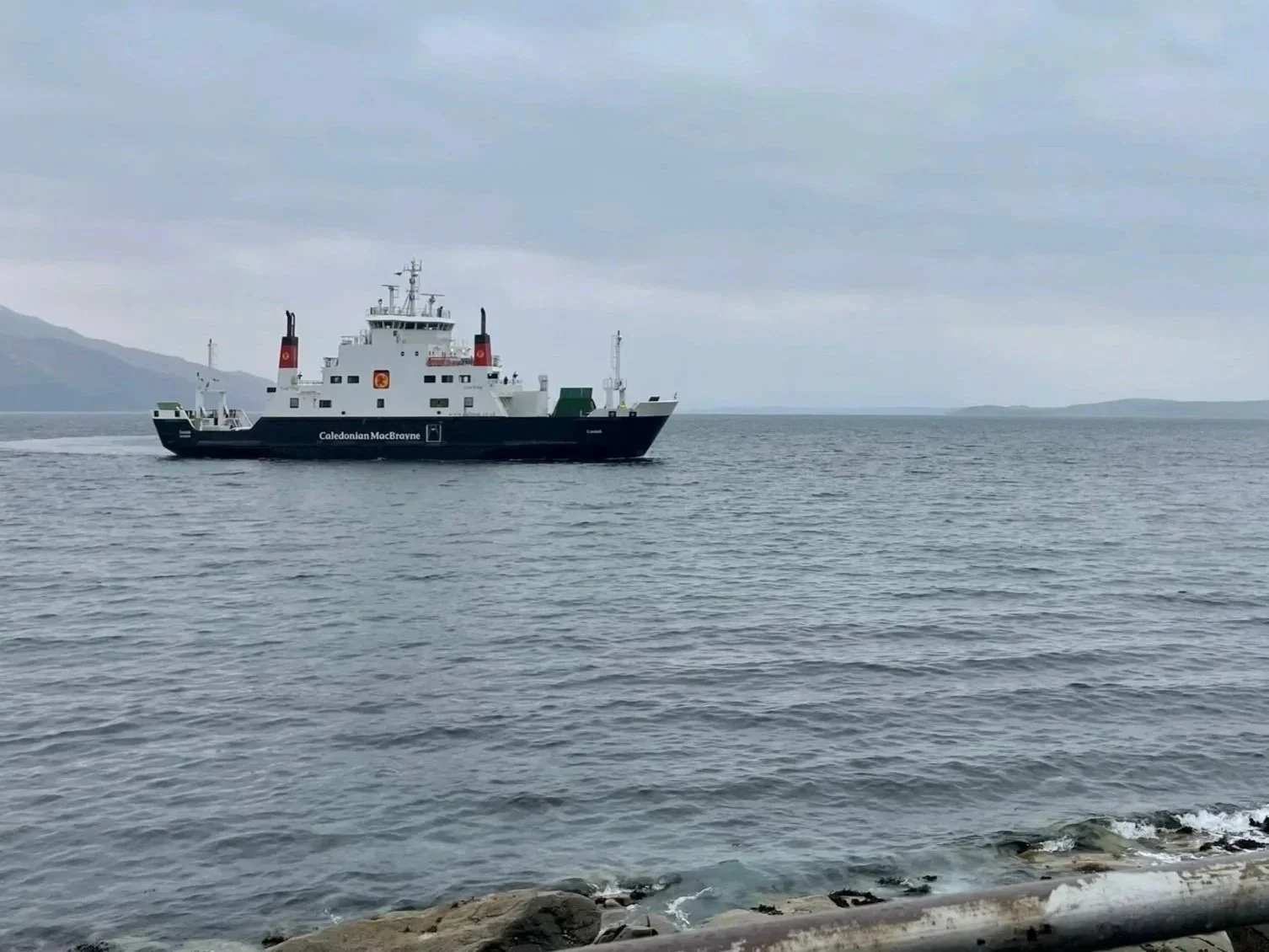
Mull is quieter than Skye, offering a sense of true wilderness and a slower pace of life. Accessing the island requires a ferry from one of several harbor locations, most commonly Oban. We highly recommend booking your ferry well in advance, as space is limited (especially if you are taking a car).
Navigating the Island
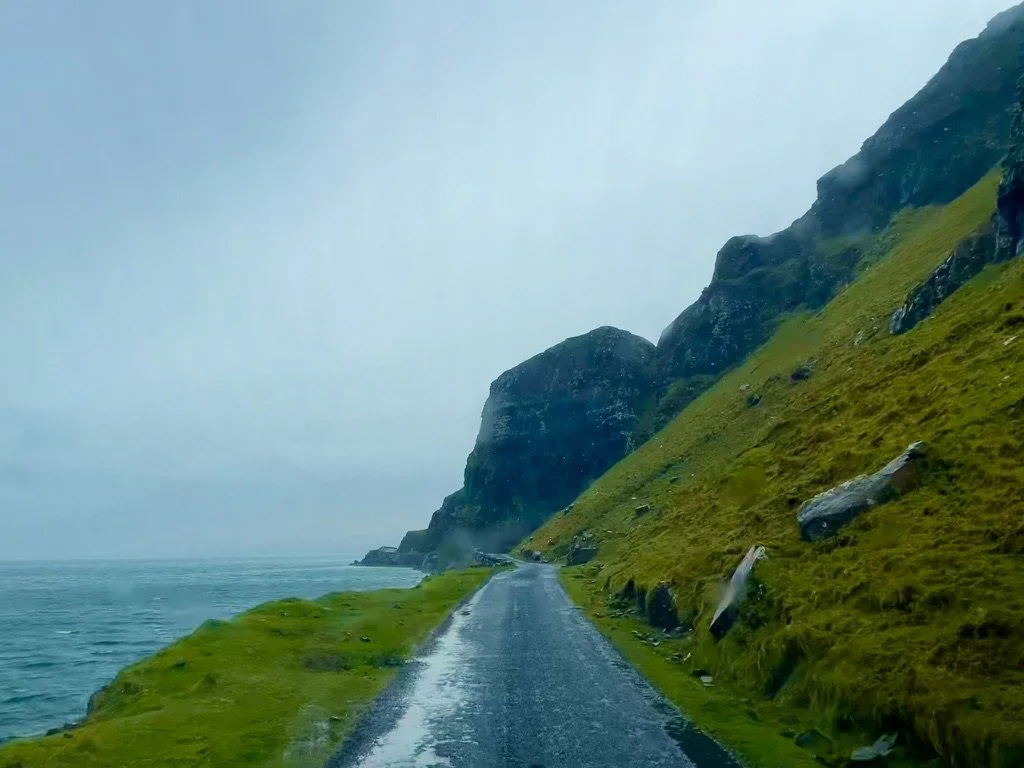
We found that a car was necessary to see the sights independently, though the driving itself is an adventure. Many of the routes are single-lane roads that wind along the edge of the Atlantic Ocean. They can be quite challenging to navigate, especially when you are balancing the narrow passes with the distracting beauty of the coastal views.
Exploring the Island
On the Isle of Mull, our journey took us through ancient clan seats and surprisingly tropical coastlines.
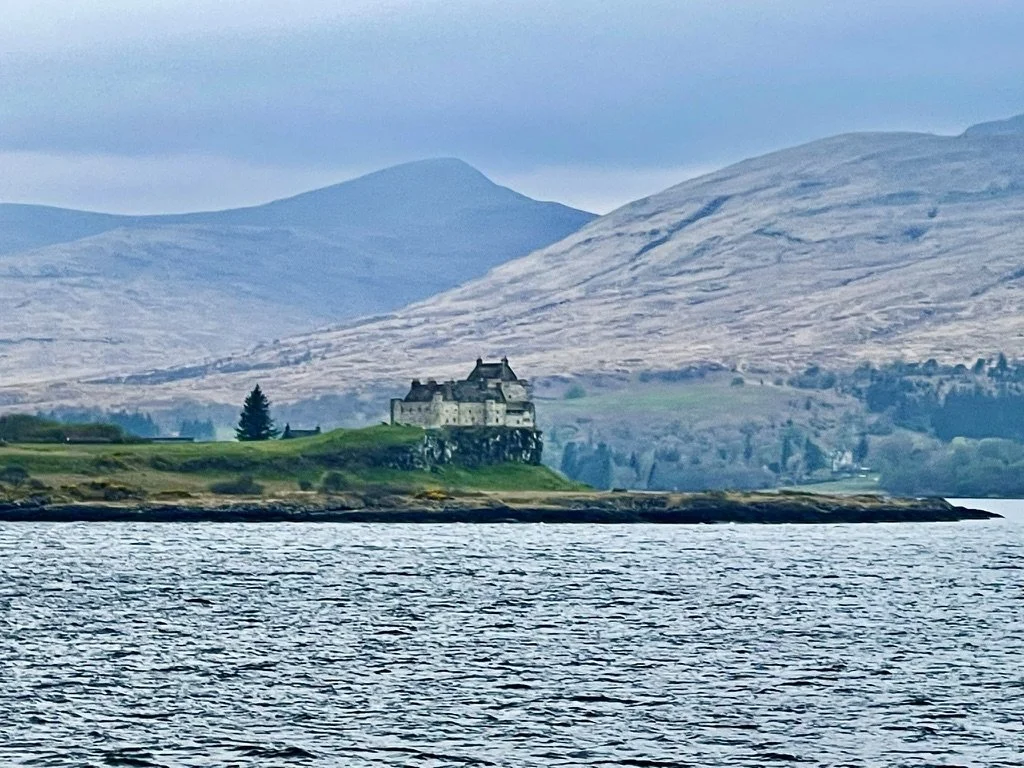
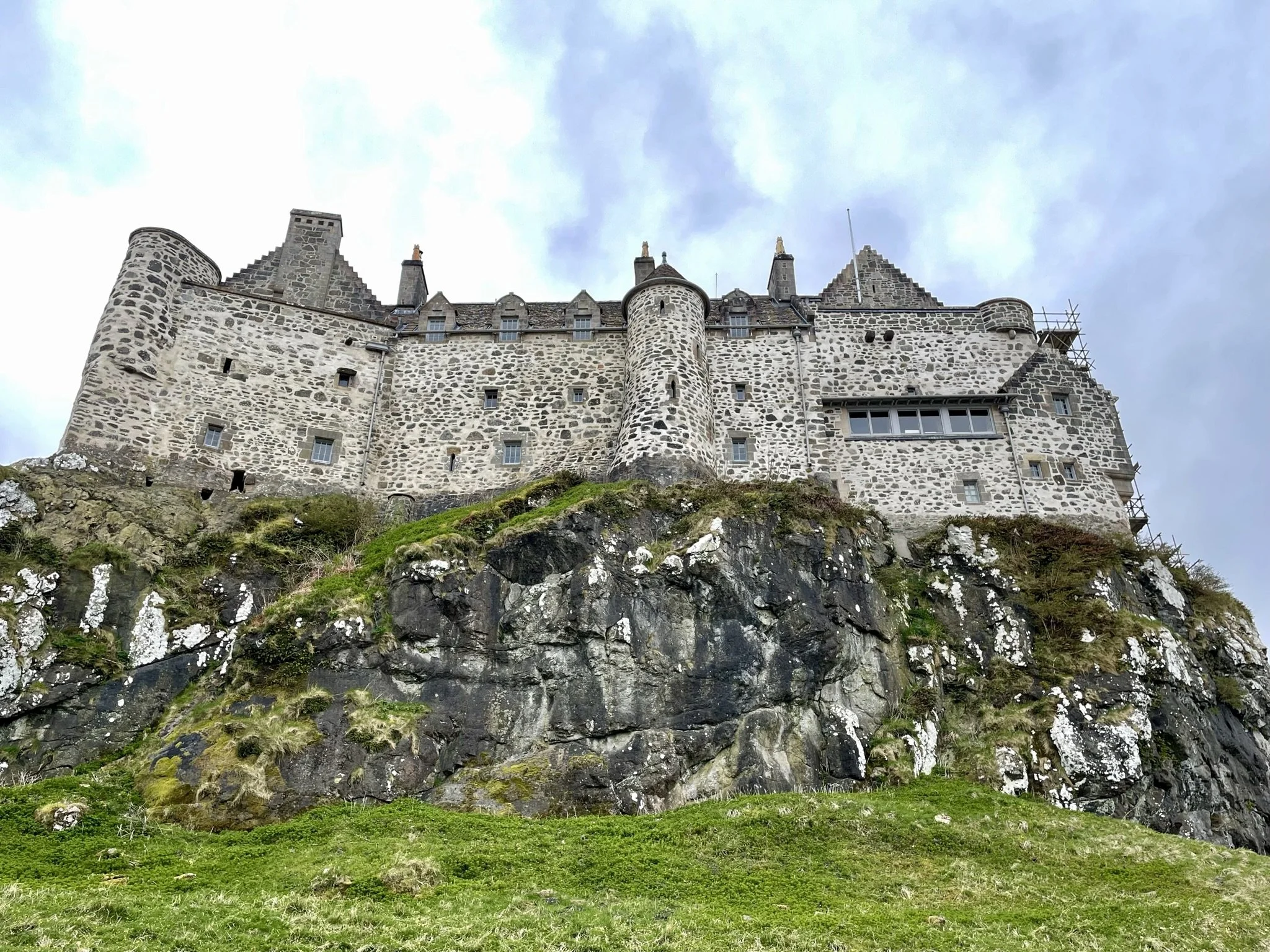
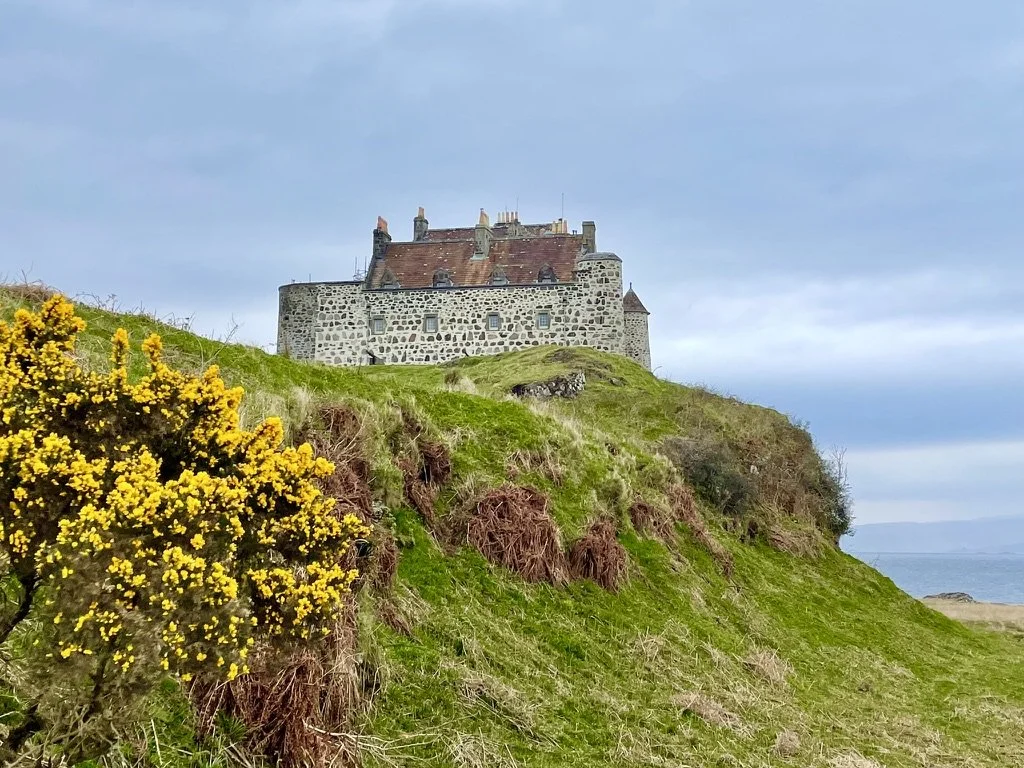
Duart Castle: The ancestral home of Clan Maclean, this fortress is perched dramatically on a rocky cliff overlooking the Sound of Mull. It is one of the few privately owned castles where you can still feel the "lived-in" clan history as you walk through the rooms.
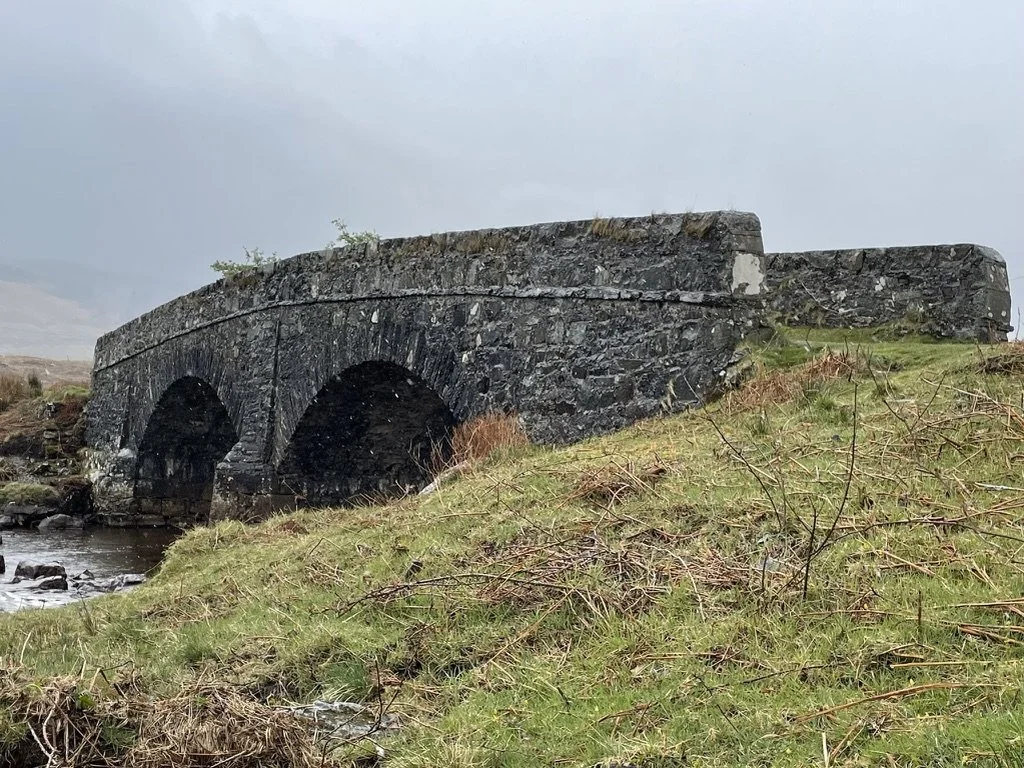
Loch Beg Bridge: This charming stone bridge is located right off the main road and is a perfect spot for a quick photo. It captures that quintessential Highland feel, with the water rushing beneath the mossy stone and the hills rising on either side. It is an easy, accessible stop as you navigate the southern part of the island.
Carsaig Arches: While the Arches are a famous geological feature on Mull’s southern coast, we were unable to make it to them on this trip. Reaching the arches requires a strenuous trek along the coastline that can be quite time-consuming. Because we were prioritizing our time across the rest of the island, we had to leave this adventure for next time.
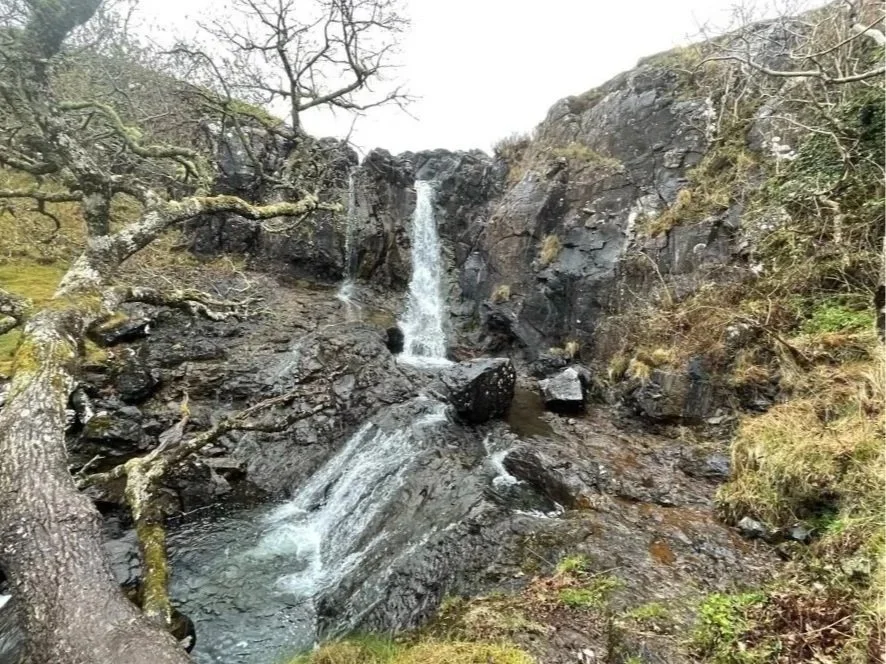
Eas Fors Waterfall: A unique "triple" waterfall. The name is technically a bit repetitive (Eas is Gaelic for waterfall, and Fors is Norse for waterfall), but the site itself is spectacular as the water drops toward the sea.
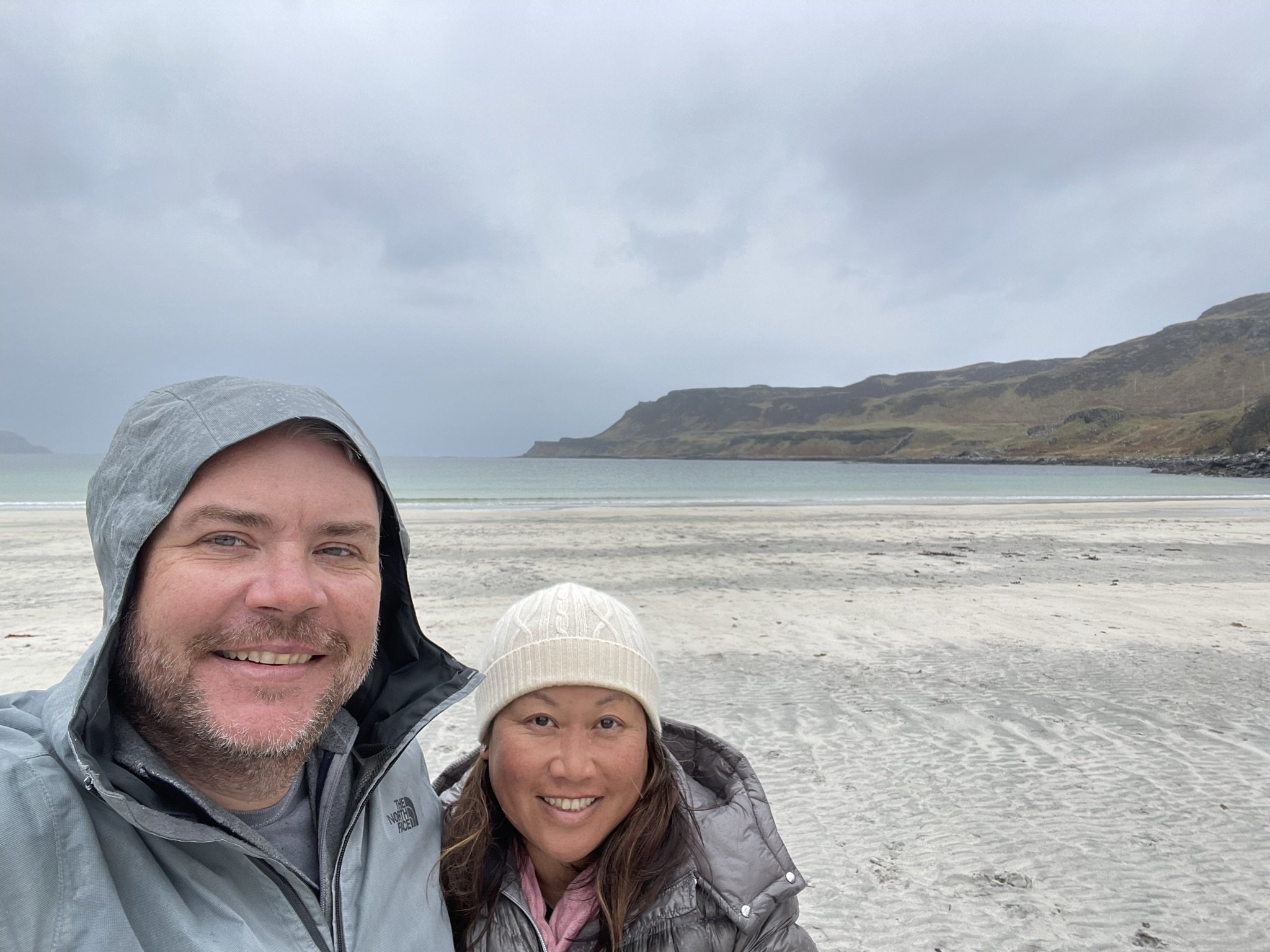
Calgary Bay: This beach features surprisingly white sands and turquoise waters that look more like the Caribbean than Scotland. It is a stunning spot for a walk, though the chilly winds and temperature of the water will quickly remind you exactly where you are!
Glengorm Castle: While we intended to visit this 19th-century castle on the northern tip of the island, we simply ran out of time. The slower pace of the single-lane roads meant our journey took longer than expected. It remains on our list for a future visit, as the area is famed for its dramatic coastal walks and total isolation.
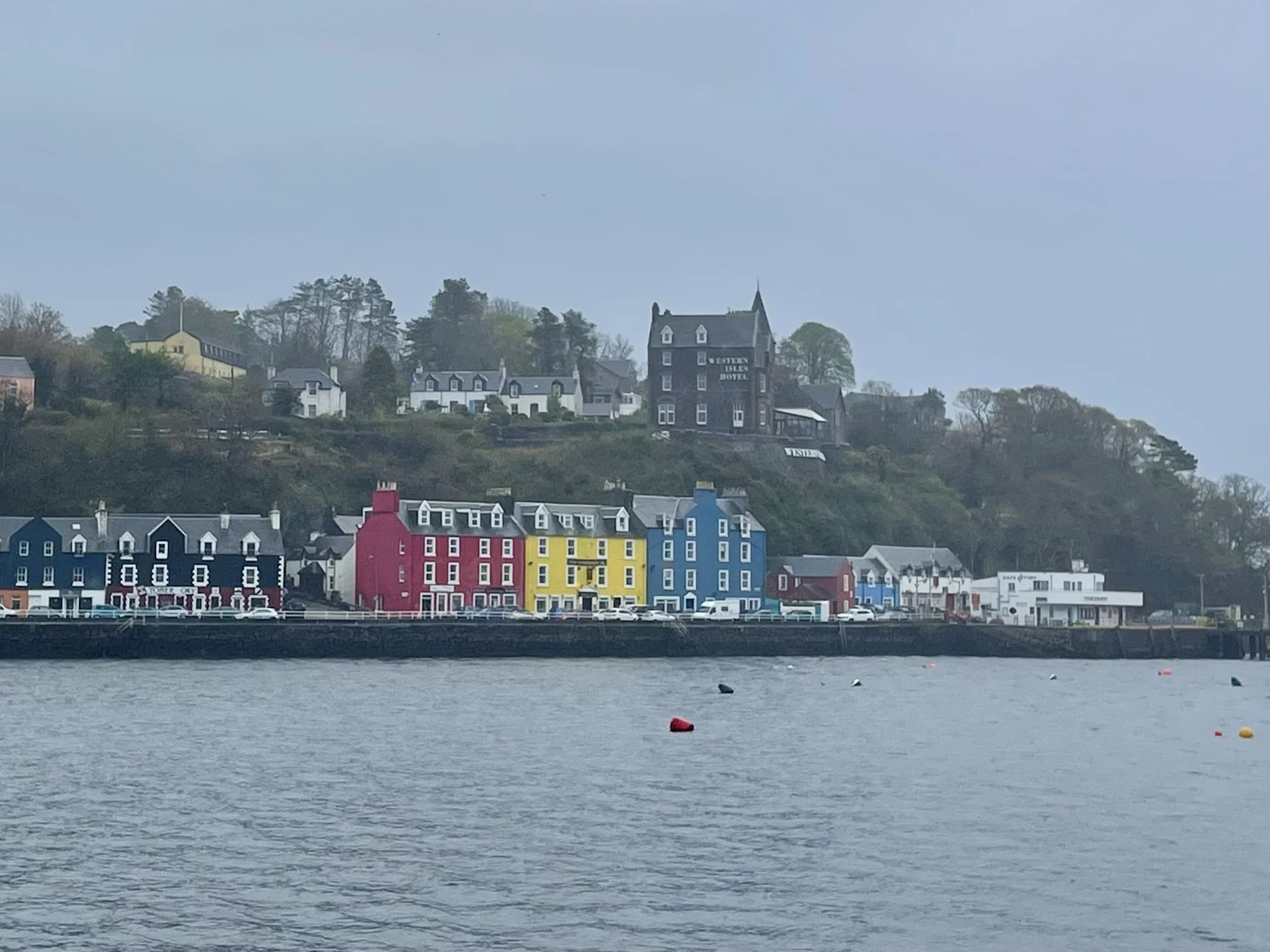
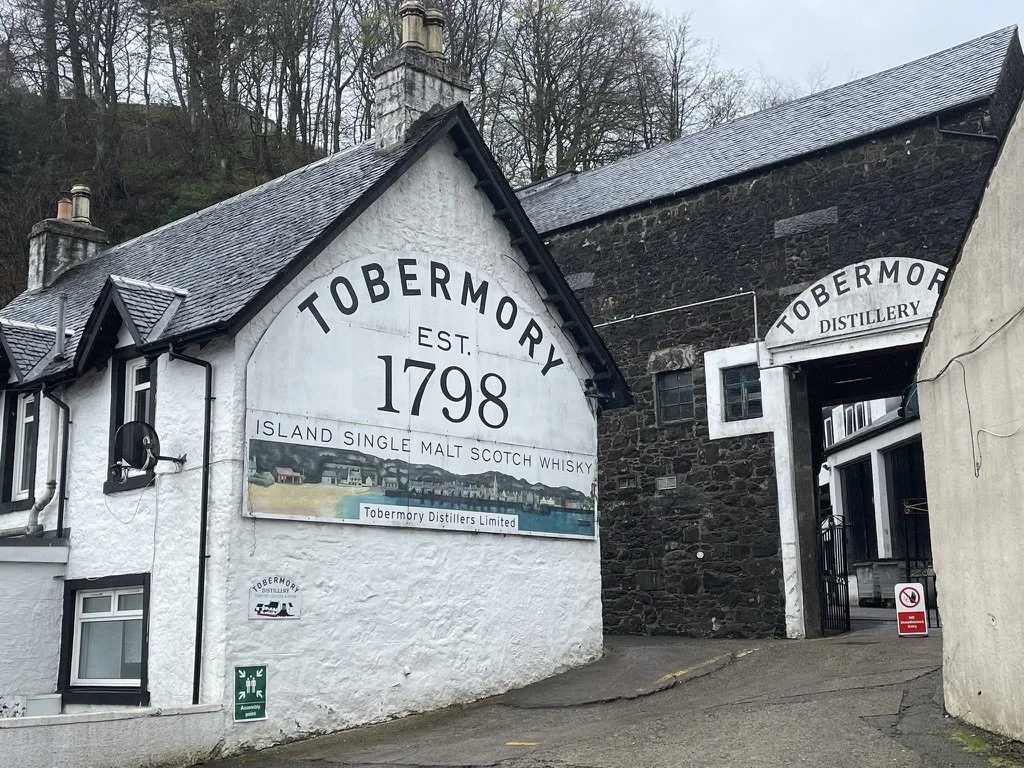
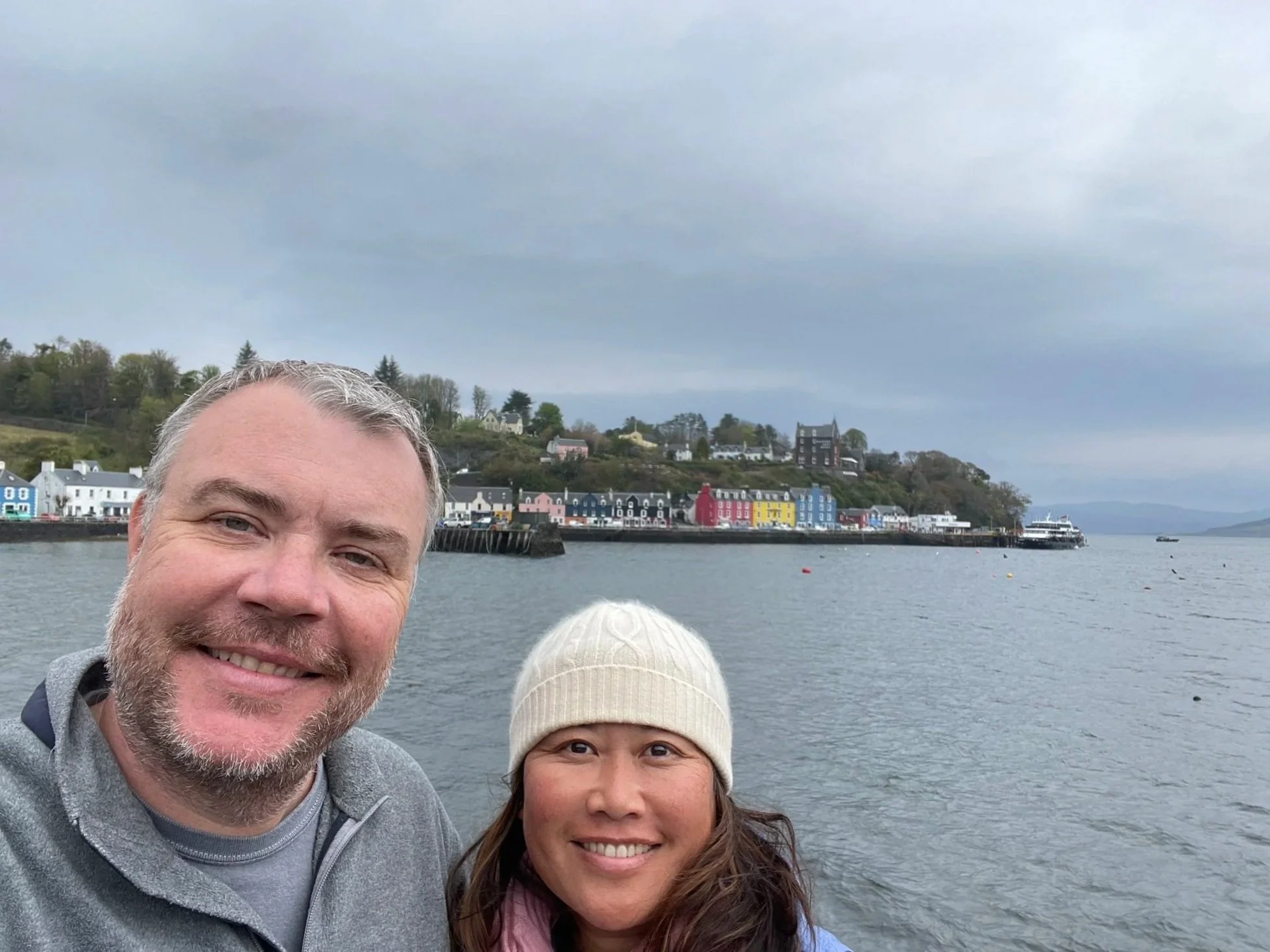
Tobermory: You will recognize this town instantly by the bright, multi-colored houses lining the harbor. It is the perfect place to grab a late lunch, do a gin tasting at the Tobermory Distillery, browse the local shops, and watch the fishing boats bobbing in the water. Even with a busy schedule, this is a stop you cannot miss.
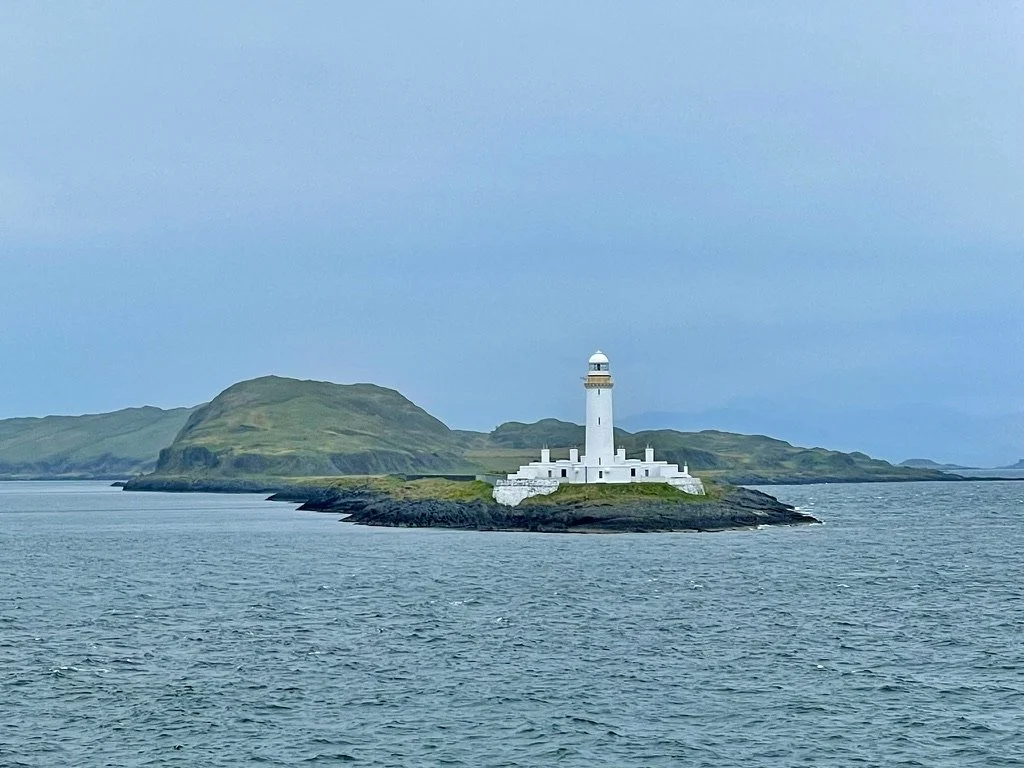
After our day of touring the island, we returned to Oban for our last night in the Highlands before starting the journey south.
Reflecting on Mull: For Next Time
Our day on Mull was a highlight, but it also taught us a valuable lesson. Because the roads are primarily single-track and the scenery is so captivating, everything takes a bit longer than we expected.
If we were to do this journey again, we would choose to stay on the island for at least two nights. Having a base in Tobermory or near Calgary Bay would have allowed us to reach the northern reaches of Glengorm Castle and tackle the hike to the Carsaig Arches without feeling rushed to catch the return ferry to the mainland. Mull has a "true wilderness" energy that deserves a slower soak rather than a quick dip.
Leaving the Highlands
The drive back toward Edinburgh holds a few more treasures to ease the heartache of leaving. As we leave the Highlands, our stops included:
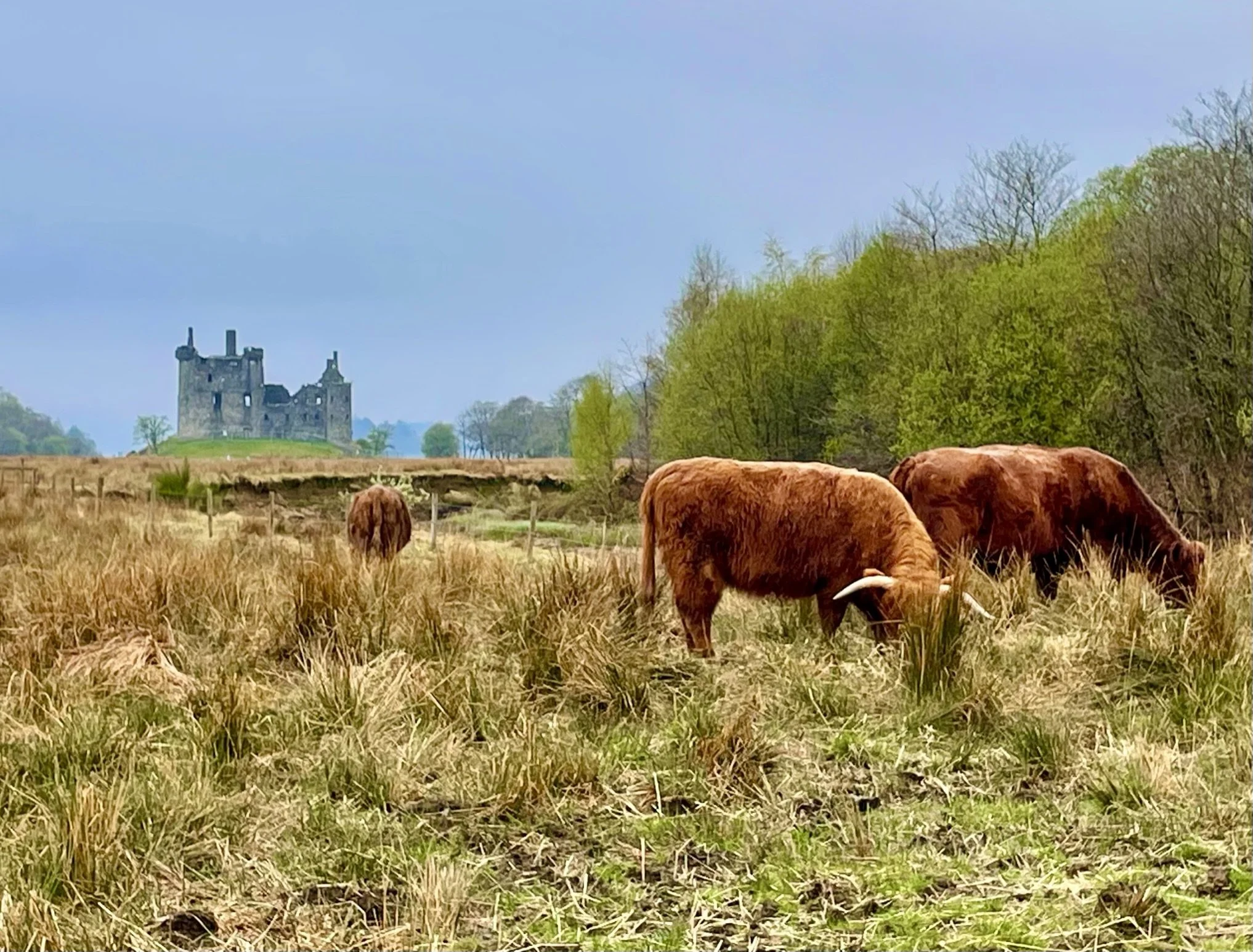
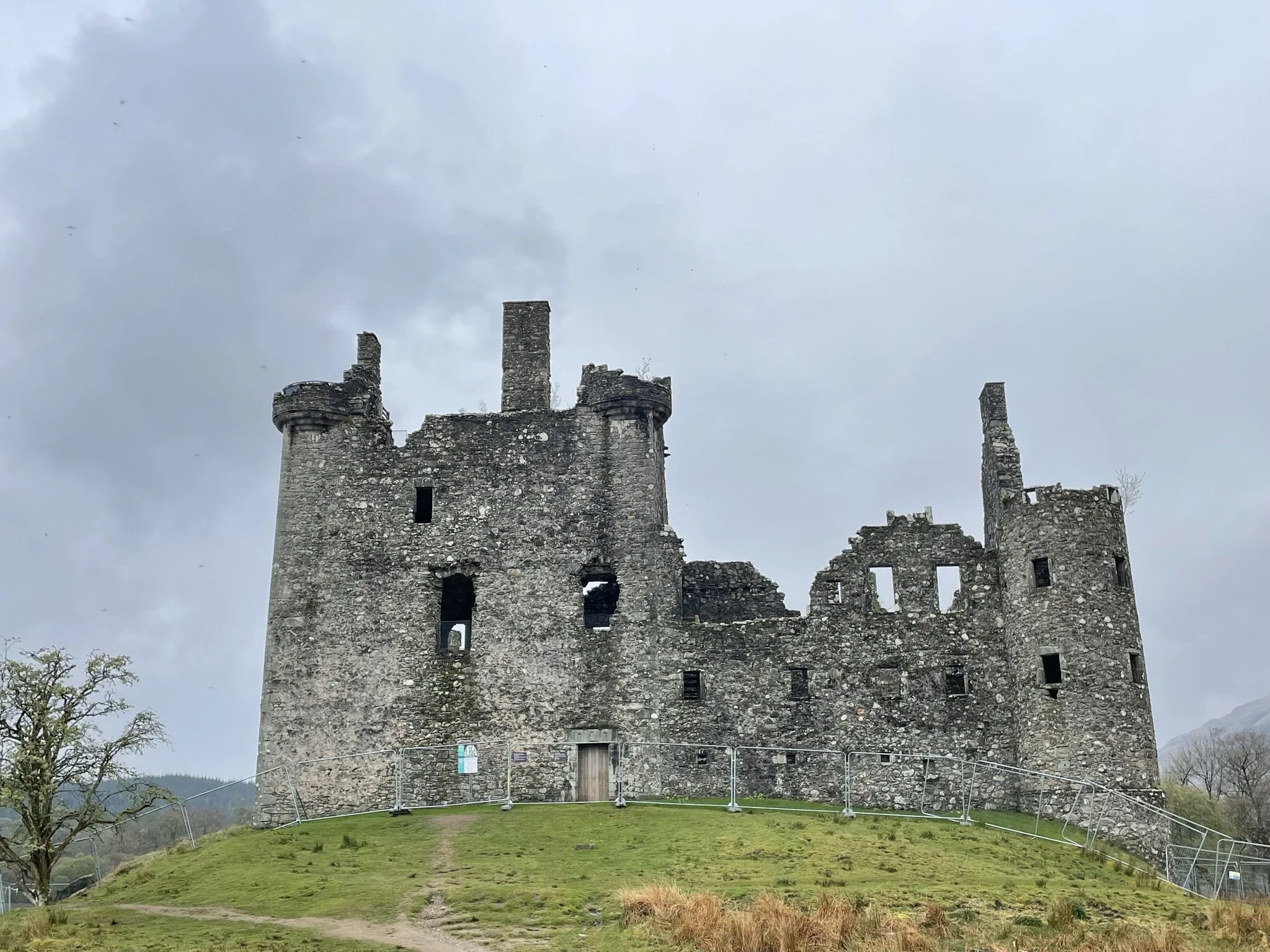
Kilchurn Castle: A dramatic ruin on the edge of Loch Awe. When the water is still, the reflection of the castle against the mountains is breathtaking.
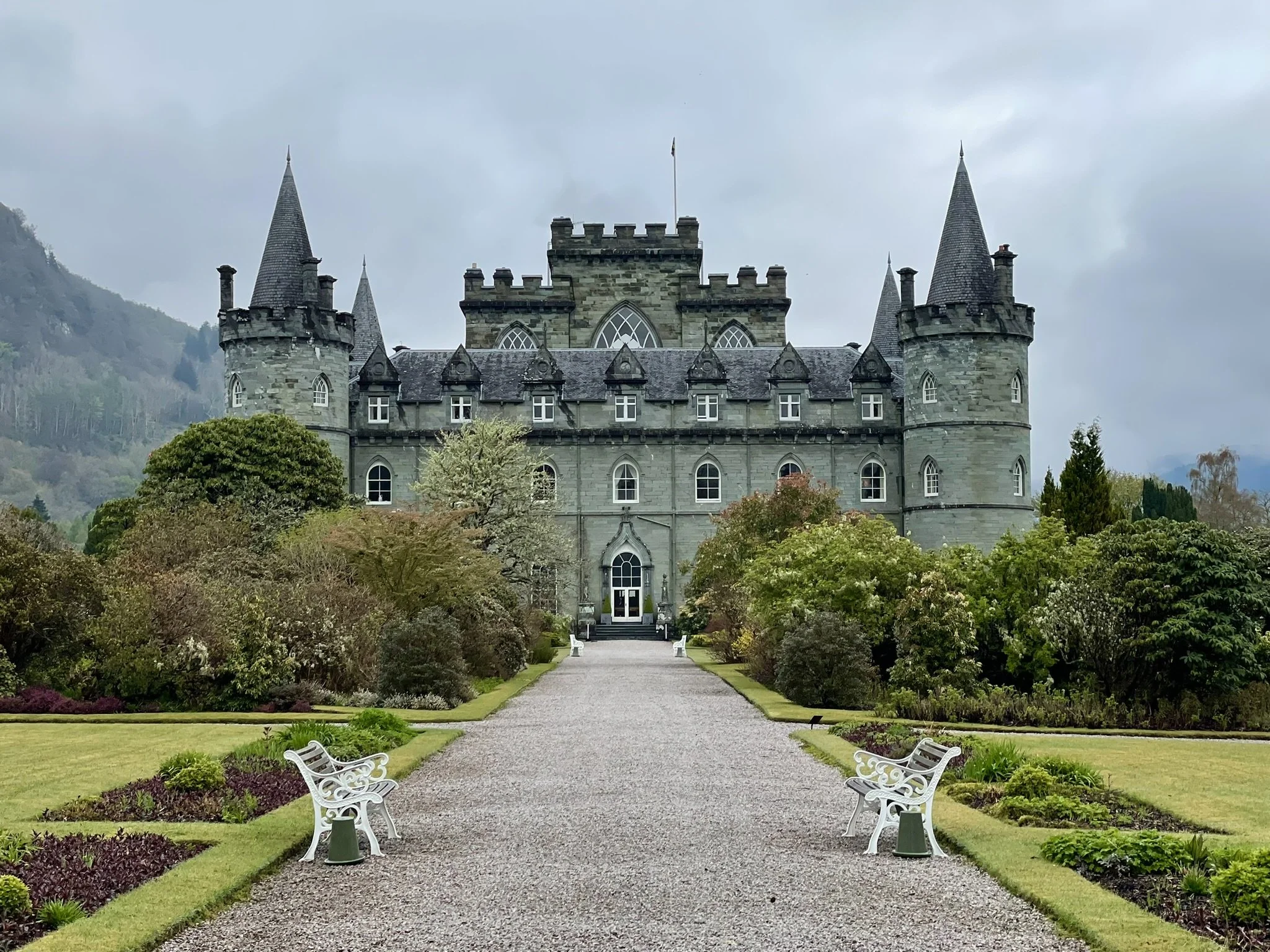
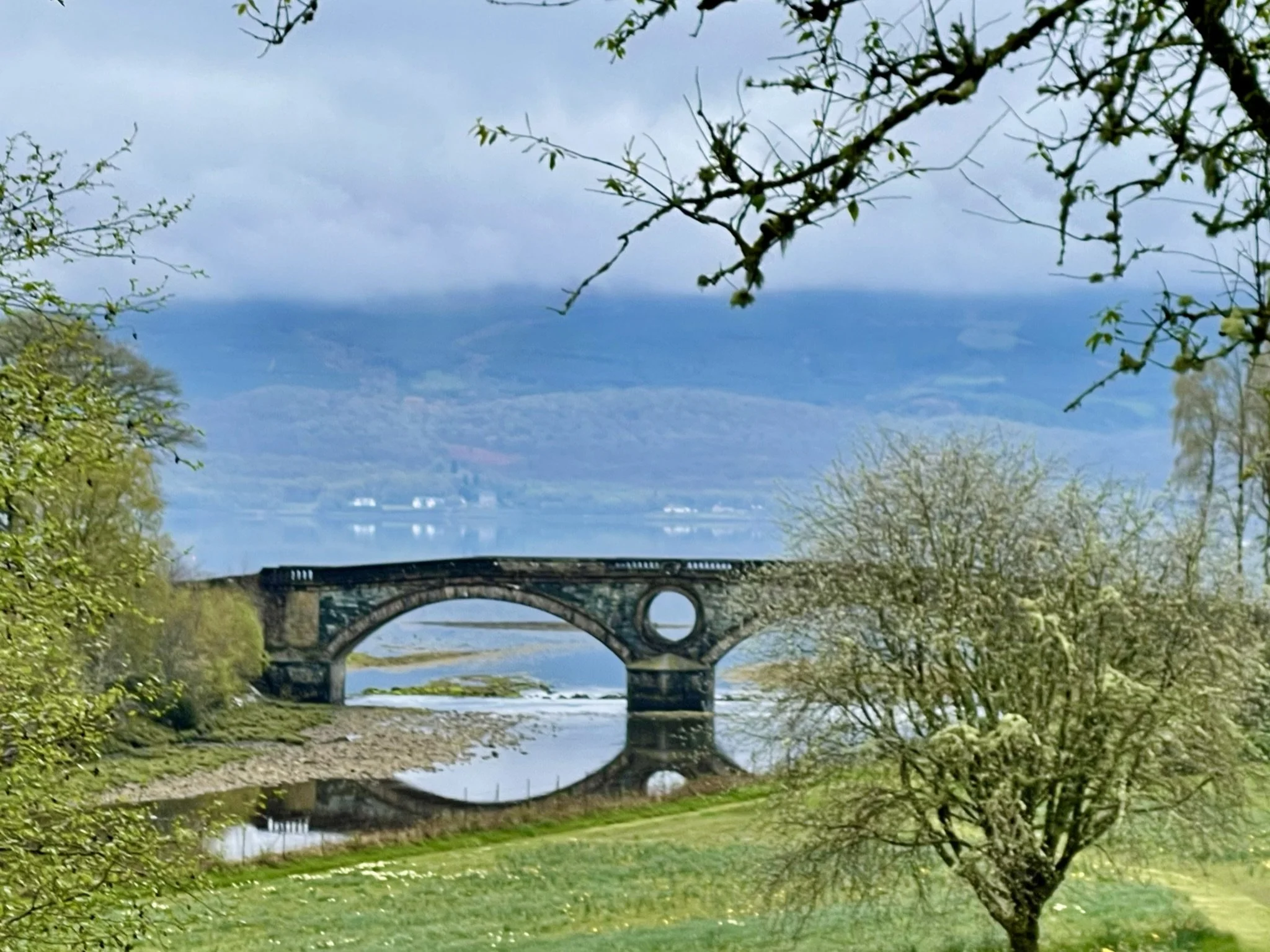
Inveraray Castle: The seat of the Duke of Argyll. Unlike the ruins we’ve seen, this is a grand, turreted estate with impeccable gardens.
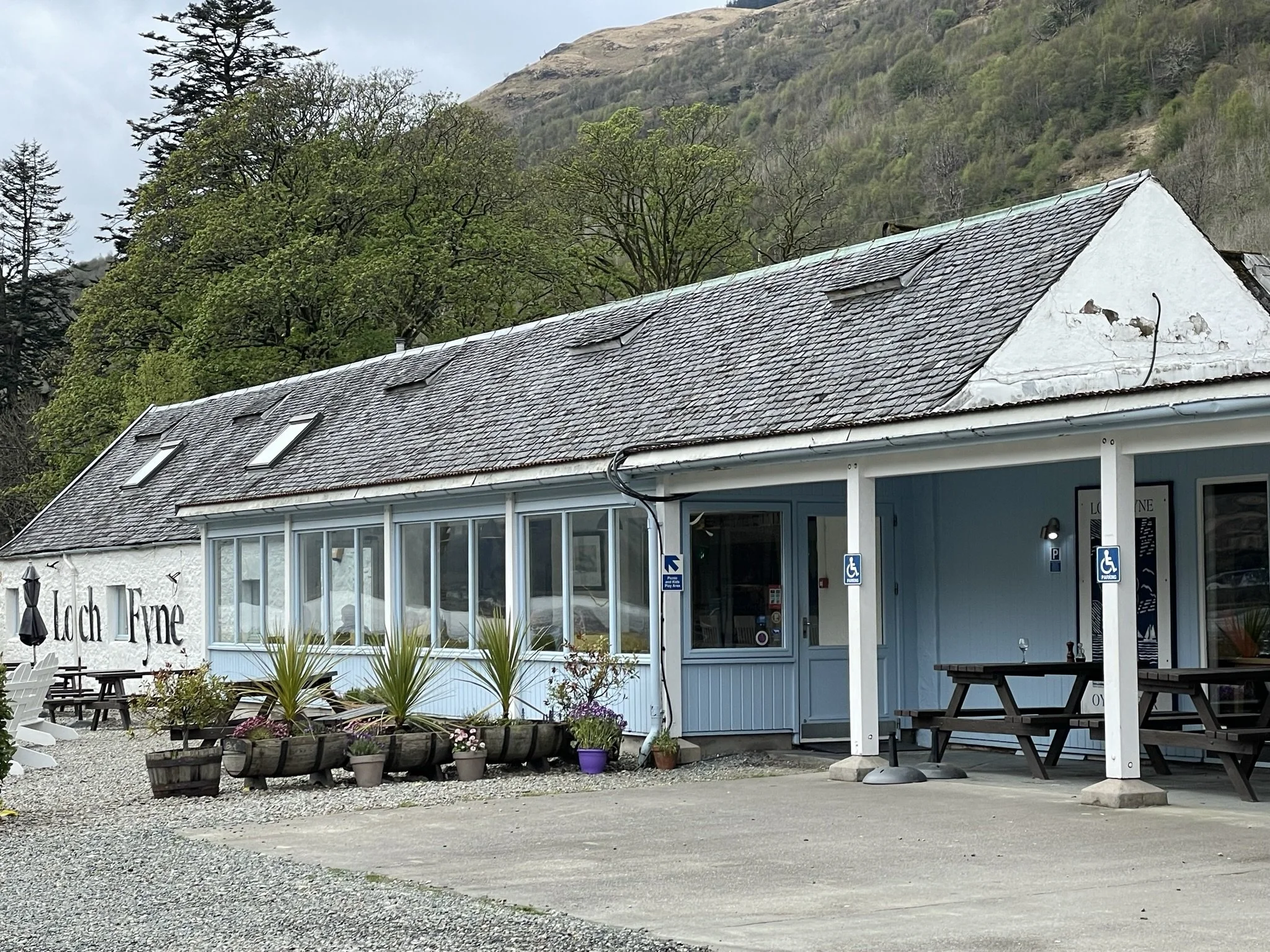
Loch Fyne Oysters: A legendary stop for foodies. Loch Fyne Oysters is the place to grab some fresh oysters to fuel the final leg of your journey.
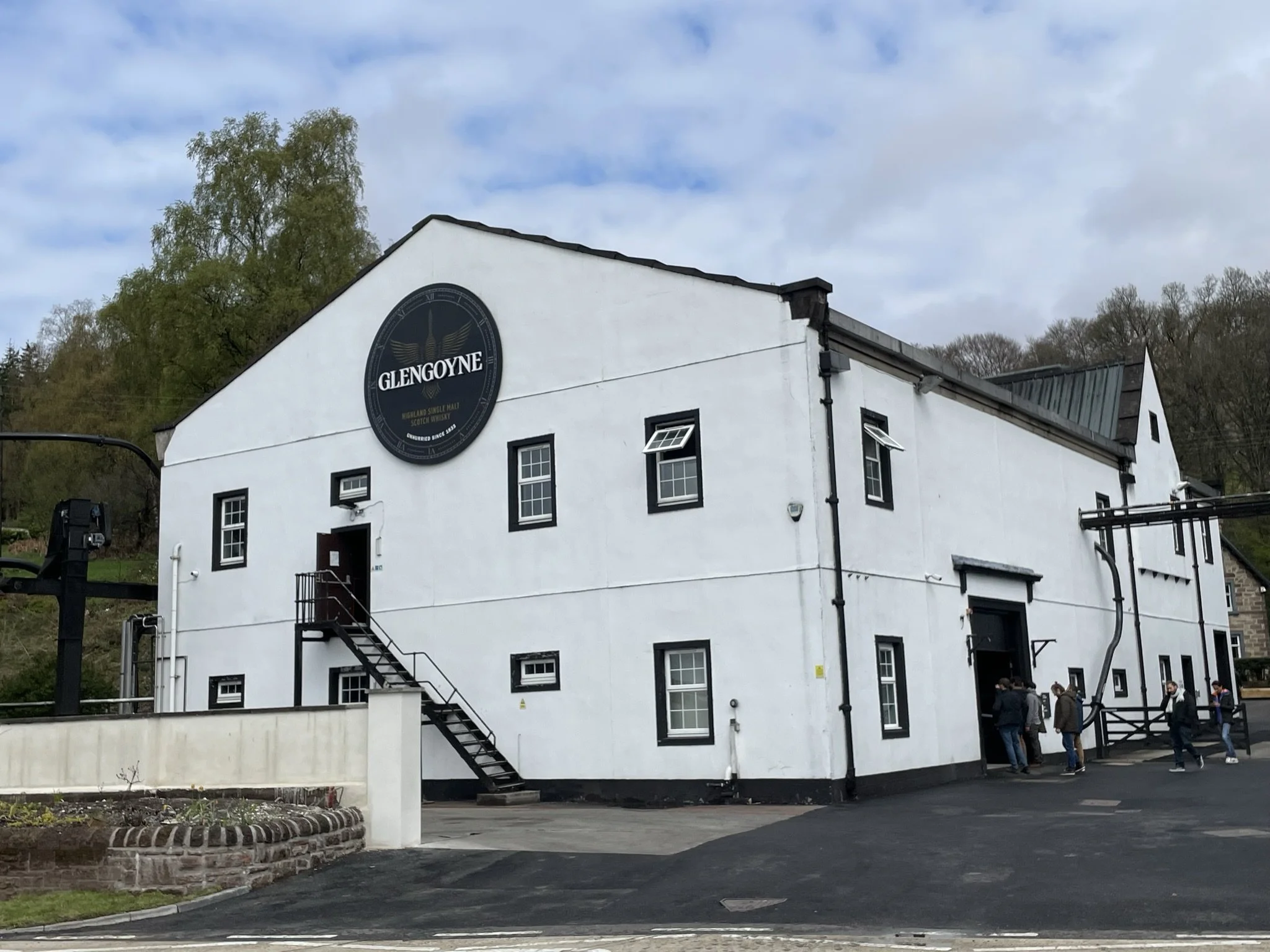
Glengoyne Distillery: The perfect bookend to our journey. This distillery sits right on the Highland Line, where the spirit is distilled in the Highlands but matured across the street in the Lowlands.
That is a lot for 7 days! However, we wanted to see and experience as much as possible in the short time that we had. It is a place with stunning landscapes, immense history, delicious seafood, and excellent whisky.
The Highland Survival Kit: What to Pack
The weather in the Western Highlands is famously fickle. It’s common to experience all four seasons in a single afternoon. To stay comfortable, think layers and waterproofing.
Outerwear: A high-quality waterproof shell jacket. Don’t rely on a fashionable trench coat; you want something windproof with a hood.
Footwear: Waterproof hiking boots are essential, even if you aren't doing "hard" hikes. The ground, nearly everywhere, is almost always boggy and peat-filled.
The "Midge" Defense: If you’re traveling closer to summer, Smidge (midge repellent) is a local necessity to ward off the Highland Midges (tiny biting gnats).
Tech Essentials: A portable power bank (GPS drains battery fast in rural areas) and a downloaded offline map or physical road map. While Google Maps is great, cell service can be nonexistent in the glens.
The "Just in Case" Layer: A lightweight down vest or "puffer" that can be compressed into your daypack. Even in April, the wind off the Atlantic has a bite!
On the Road: Tips for Driving the Highlands
Driving in Scotland is half the fun, but the narrow, winding roads require a bit of "Highland Etiquette."
Master the "Passing Place": Many roads on Skye and Mull are single-track. If you see a car approaching, pull into the "Passing Place" (the paved turnouts) on your left. If the turnout is on your right, wait opposite it so the other driver can pull in.
The "Highland Wave": It’s customary to give a small wave of thanks when someone pulls over to let you pass. It keeps the vibes friendly on those narrow bends!
Watch for "Local" Traffic: Sheep and Highland Cows (Heilan' Coos) often treat the road as their personal lounge. They have the right of way.
Book Your Ferries Early: For the Isle of Mull, the CalMac ferry is a lifeline. In the spring and summer, car slots fill up weeks (or months) in advance. Don’t risk showing up at the pier without a reservation.
Fuel Up: In the remote stretches between Fort William and Skye, gas stations are few and far between. If you’re at half a tank and see a pump, use it.
💬 Which of these Scottish Highlands sites is your must-see for a 7-day road trip? Share your thoughts in the comments below!