🚢 St. John's, Newfoundland: Exploring the Edge of North America (History, Hiking & Food)

St. John’s, Newfoundland, Canada
St. John's sits right on the edge of the North American continent, offering an unforgettable travel experience. Summer is the ideal time to visit, with long, pleasant days perfect for Newfoundland hiking and outdoor activities. I am already planning my return in the spring, when the whales and icebergs can be seen offshore!
Established in the early 1600s, this capital city blends the charm of a New England seaside town with the rugged "roughness" of a major port, serving both a large fishing industry and offshore oil rigs. Immigrants have settled here for centuries, bringing their global culture and cuisine, leading to a surprisingly diverse and tasty St. John's food scene.
The deep-water port and bay at the center of St. John's is impressive, surrounded by cliffs that provide a natural defense. This spot is steeped in Newfoundland history: it was heavily defended during World War II, and Guglielmo Marconi famously sent his first transatlantic radio signal from here in 1897. Before that, it was a major trading hub specializing in salting and exporting vast quantities of cod available in the surrounding waters to the British West Indies in exchange for rum.
Travel tips for visiting St. John's can be found at the end of this post.
St. Johns Walks, Hikes, and Coastal Views
St. John's is highly walkable from neighborhood strolls to seaside hikes. A great stroll in town takes you through neighborhoods of brightly colored townhomes to stately 1800s mansions. For some of the best seaside views, hike up to the Marconi Radio Tower on Signal Hill. The deep blue waters and bright green mountains are stunning, and the ocean view truly seems endless here.
The region boasts many amazing trails that rise hundreds of feet in elevation, with nearly untouched forests. We tackled Father Troy's trail from Torbay, where you can eat fresh blueberries right off the trail! Be aware: moose and bear are plentiful on trails further afield, so keep your distance. Summer pastimes include cod "jigging" and being on the water.

Father Troy's Trail
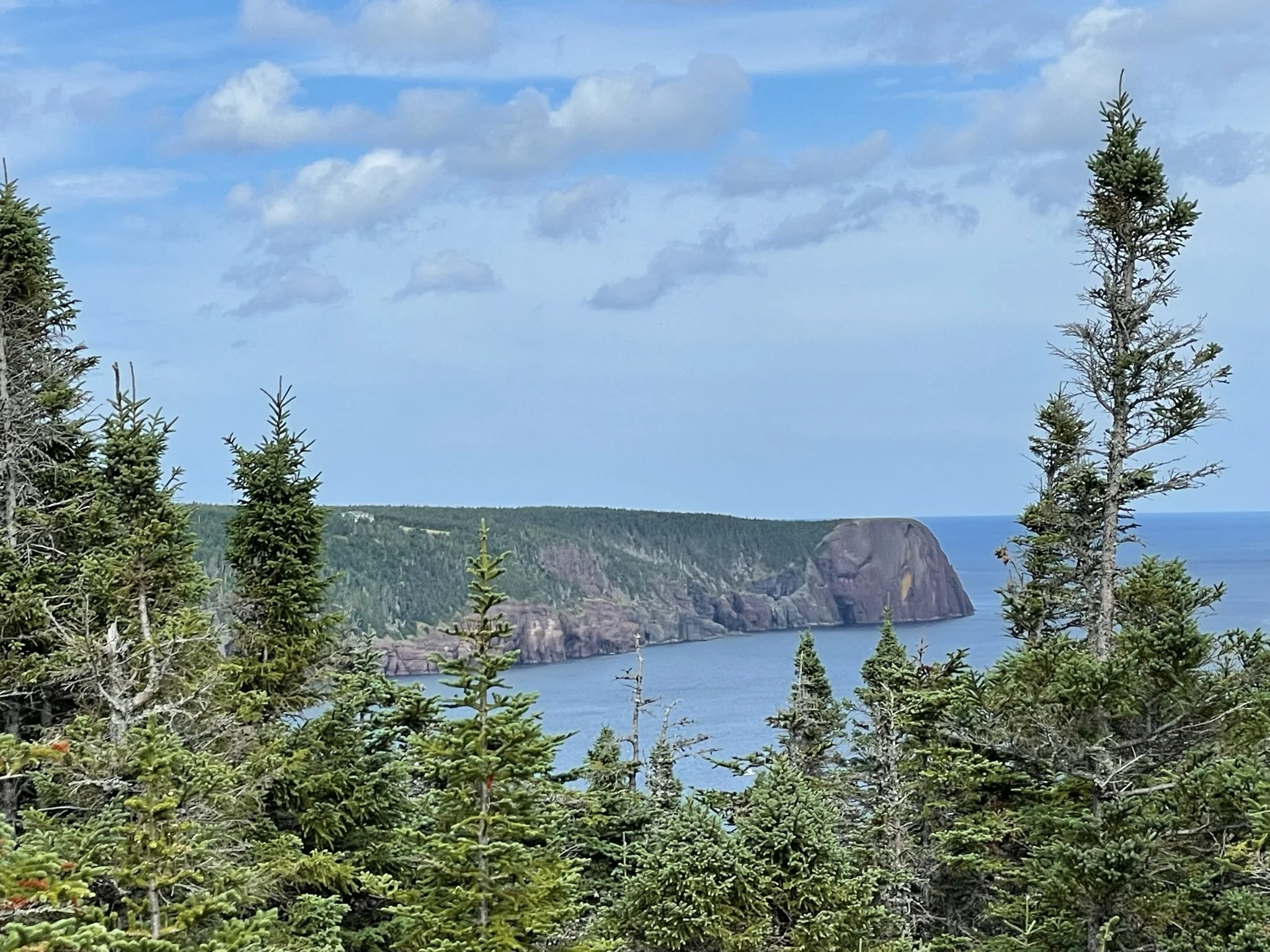
Father Troy's Trail
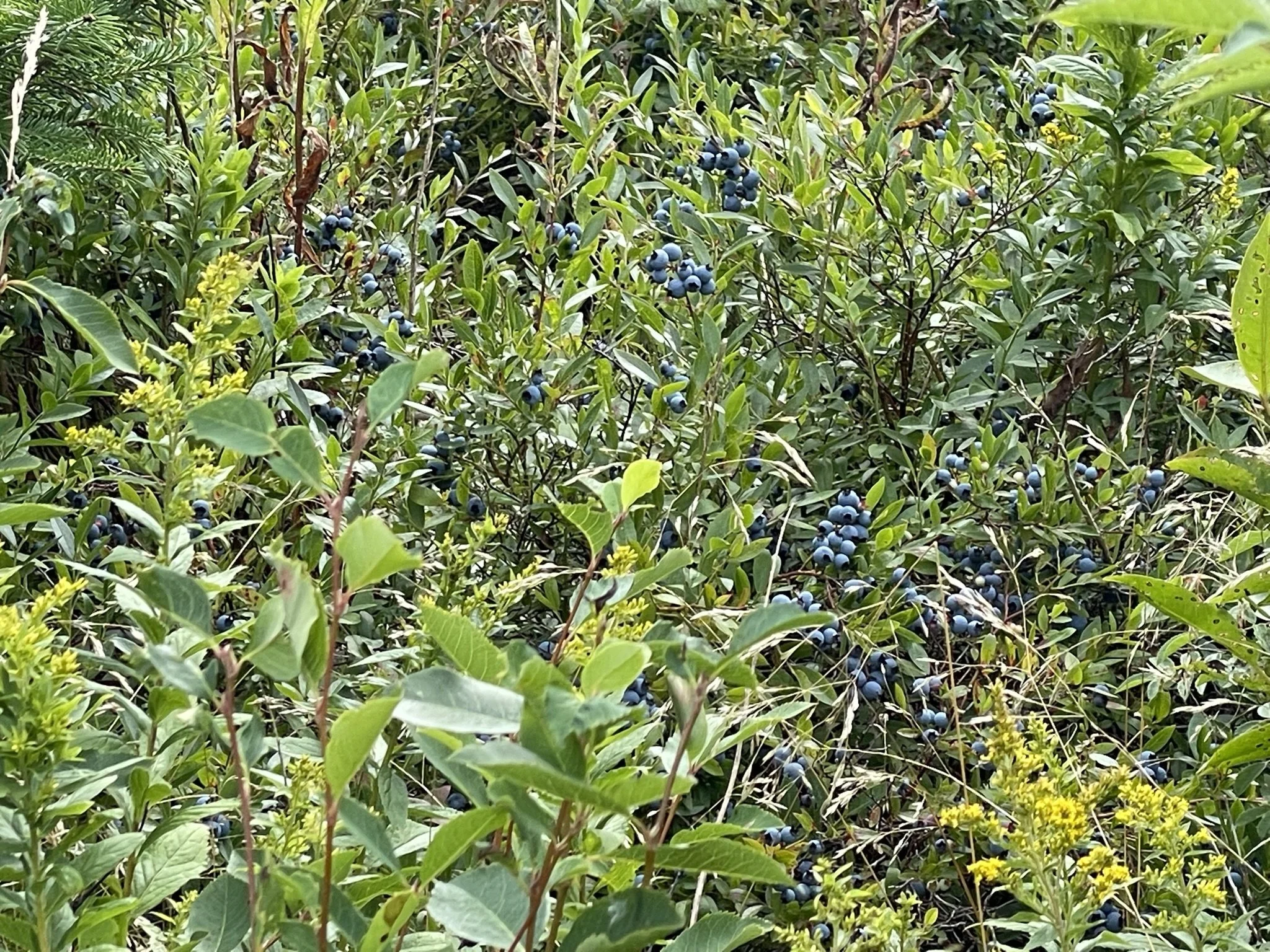
Wild Blueberries on Father Troy’s Trail
A Surprisingly Diverse St. John's Food Scene
Because the climate is cold much of the year, hearty fried fresh fish is a local go-to. I enjoyed mine at Leos. However, the most surprising culinary discovery was the oysters. The oysters served around St. John's are, in my opinion, the best I've had anywhere—subtly briny, tender, and incredibly fresh, tasting distinctly of the surrounding icy-cold waters. You can only get them by visiting, as the local oyster population isn't large enough for substantial export.
The best fine dining we experienced was at Terre at the Alt Hotel, featuring amazing fresh local ingredients and the best whisky sour I have ever had. For something unique, the cod larb (a spicy salad seasoned with fresh herbs) at Bannerman Brewing is stunning. The city also features excellent Indian curries and Japanese ramen, showcasing the depth of its culinary diversity and local sourcing.
For an authentic local atmosphere, grab a pint of Guinness (direct from Ireland) and the highly recommended fish and chips at the Duke of Duckworth.
The Essential Newfoundland Culture Experience: The Screech In
No visit to St. John's is complete without becoming an honorary Newfoundlander by participating in a 'Screech In'. We had ours at Christian’s Pub, the same spot where Anthony Bourdain became an honorary Newfoundlander.
The ceremony involves kissing a codfish, eating some "Newfoundland steak" (fried spam), drinking the local Screech rum, and singing a song. It's awesome fun and a great way to learn more about Newfoundland and engage in the vibrant local culture!
A Final Reflection: Traveling at the Edge of Global Change
St. John’s feels like it’s on the knife-edge of global warming. When I visited, it was warm and humid. Southern breezes moved damp, warm air from the south, warming the ocean surface where the icebergs float by every spring. I was even told a lost polar bear stranded on an iceberg had to be relocated by National Park authorities. Sea creatures, such as the ocean sunfish, which are typically found in warmer waters, are being seen in St. Johns. Human population growth is also happening, as people find it more livable because there is less snow and ice during the winter months. Traveling is so important, as I see with my own eyes the world around us and the effect we have on it in a very stark reality.
📝 St. John's Travel Tips
Whether you are planning to visit for the whales and icebergs or for a summer hike, keep these St. John's Travel Tips in mind:
Be Ready for Anything: Bring clothing for every season and good hiking shoes. The weather changes rapidly.
Sun Safety: Apply sunblock liberally, as you are close to the Arctic Circle, where UV rays are surprisingly strong.
Explore the Food: Don't eat fish and chips the whole time. The food diversity is amazing and worth seeking out.
Driving Distances: Newfoundland is much bigger than it looks on a map. Expect drive times to be long.
Moose Watch: Watch out for moose on the roads, especially at night. They are large and dangerous.
💬 What Canadian towns or provinces are you most interested in visiting? Which province should we visit next? Share your thoughts below.