
🇸🇬 Returning to Singapore: An Expat’s Guide to Timeless Classics and New Discoveries
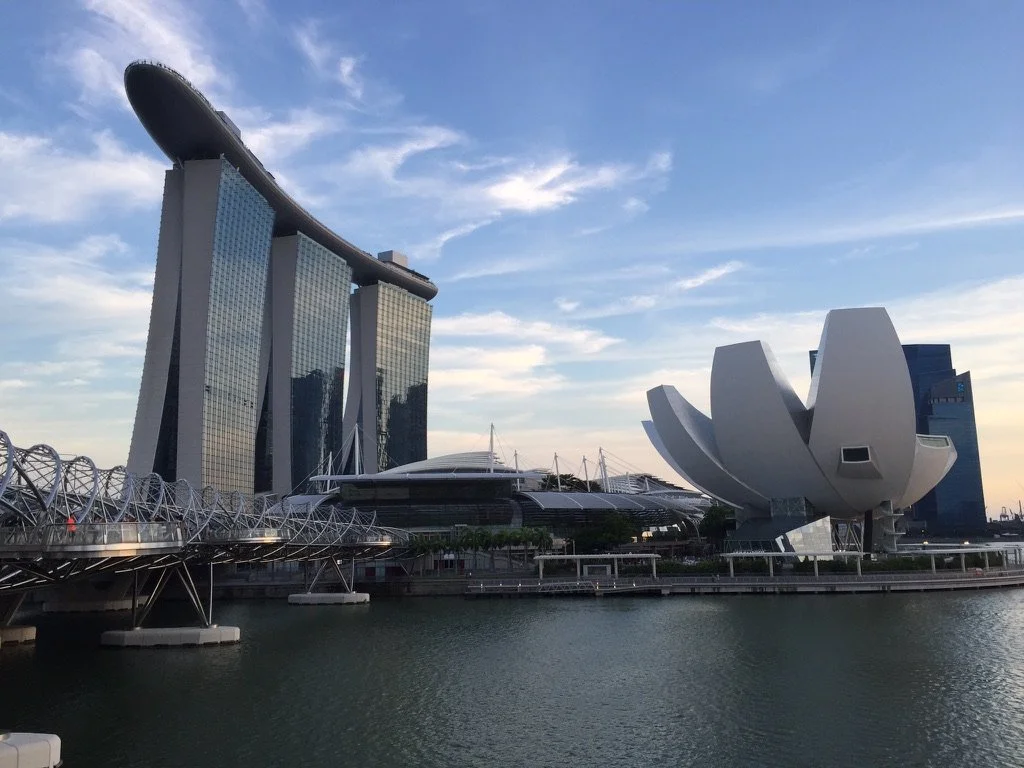
Marina Bay Sands, Art Science Museum, and the Helix Bridge, Singapore
Singapore isn't just a destination for us; it’s a collection of lives we’ve lived. It is a home we return to time and again—not just to witness its relentless, stunning evolution, but to reconnect with the lifelong friends we made.
Whether it’s the nostalgic smell of the tropical rain or the thrill of a country in a constant state of evolution, Singapore remains the heartbeat of our time in Asia—and the perfect starting point for any journey across Southeast Asia.
Before we dive in, you’ll notice Singapore referred to by many names. It’s known as the Lion City (from the Sanskrit Singapura), the Garden City (for its lush, urban greenery), and affectionately by locals and expats as 'The Little Red Dot'—a nickname born from its tiny size on the world map.
🌃 Living in the Lion City: Three Versions of Home from the Changing Marina Bay Skyline to the Riverfront
Between 2008 and 2016, we watched the city-state transform from three distinct vantage points. We lived at The Sail at Marina Bay during the era when the iconic "ship" of Marina Bay Sands was being hoisted into the sky; then we immersed ourselves in the local heartlands of Novena; and we eventually found our peace in River Valley—the neighborhood we would still choose to call home today.
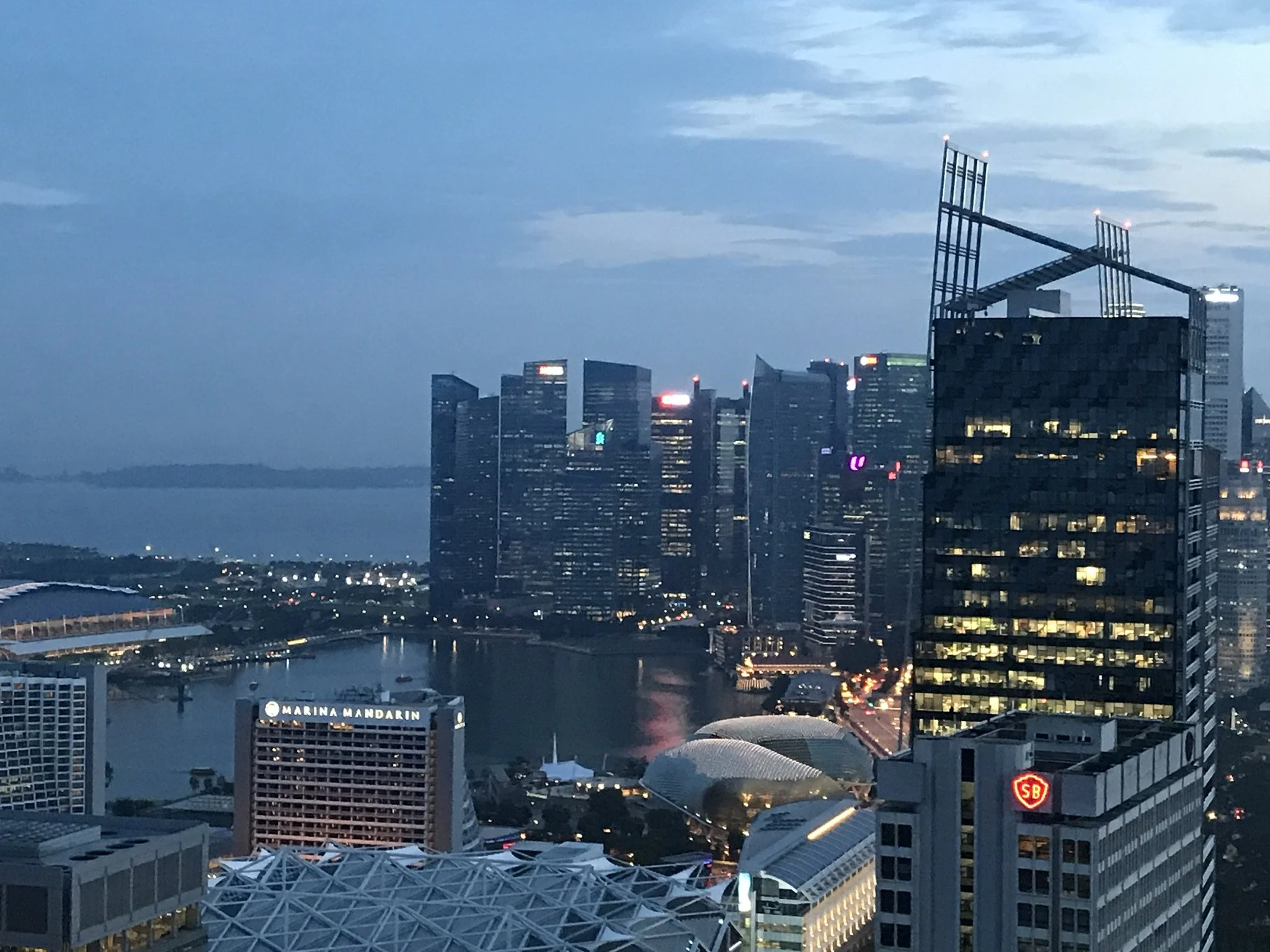
The Sail in the Growing Marina Bay Skyline
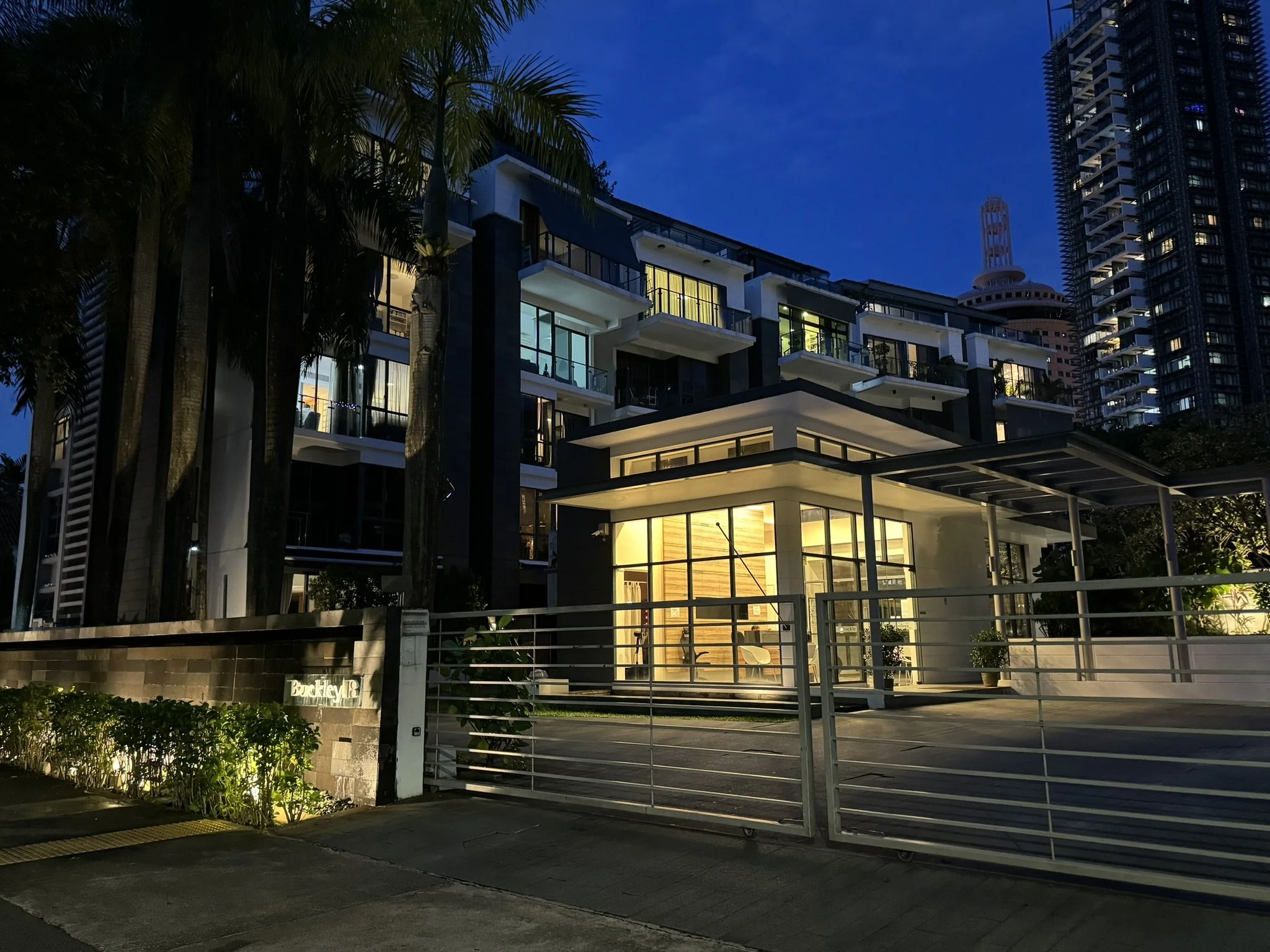
18 Buckley in Novena
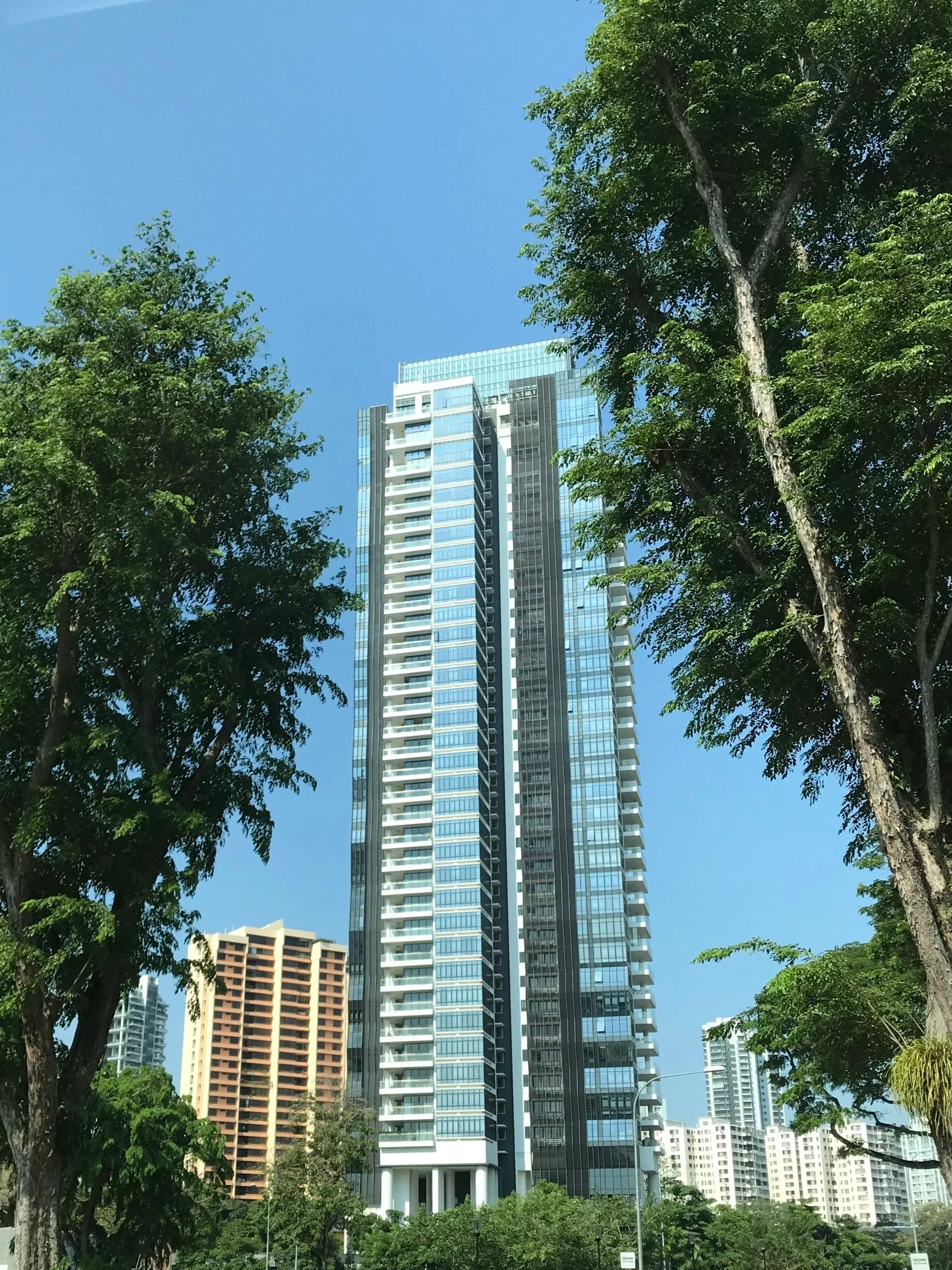
Centennia Suites in River Valley
Marina Bay: Living at The Sail, we had a front-row seat to the construction of a global icon. Today, the area is a masterpiece of engineering. Our favorite way to experience it now is from the surrounding rooftop bars, looking back at the "ship" we watched being built from the ground up.
Novena: This well-connected central hub with a deep local soul has evolved from a busy intersection into a world-class healthcare hub and a global center for health innovation.
River Valley: The favorite of the neighborhoods we lived in. It perfectly bridges the gap between the Central Business District (CBD) and residential cool. We still love a morning walk along the Singapore River, watching the city wake up.
Returning as visitors, the city feels both comfortingly familiar and breathtakingly new. This is our guide to the timeless classics we return to, new discoveries, and our take on the evolution of the Lion City.
⏳ The Icons: From Colonial History to Modern Day
When we first arrived in 2008, much of Singapore’s now-iconic skyline was a forest of cranes and reclaimed land. Watching these landmarks rise from the dust was a part of our daily lives. Today, these sites have matured into some of the most impressive architectural sites in the world. From the colonial echoes of "Old Singapore" to bridges in the sky and futuristic domes, these are the landmarks that define the city’s identity.
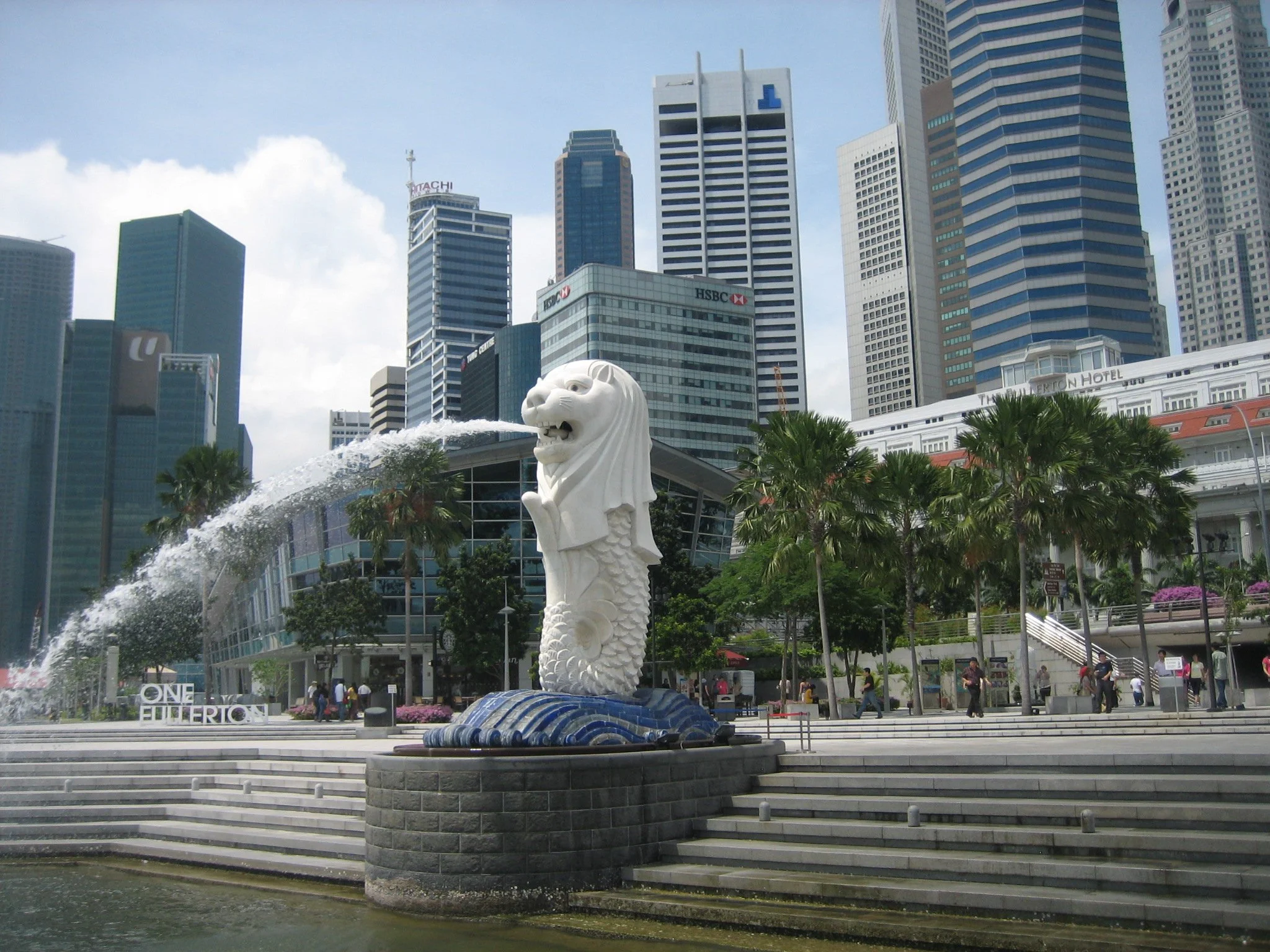
Merlion Park, Singapore
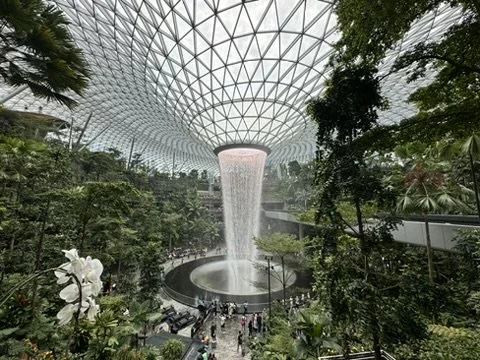
The Jewel Changi, Singapore
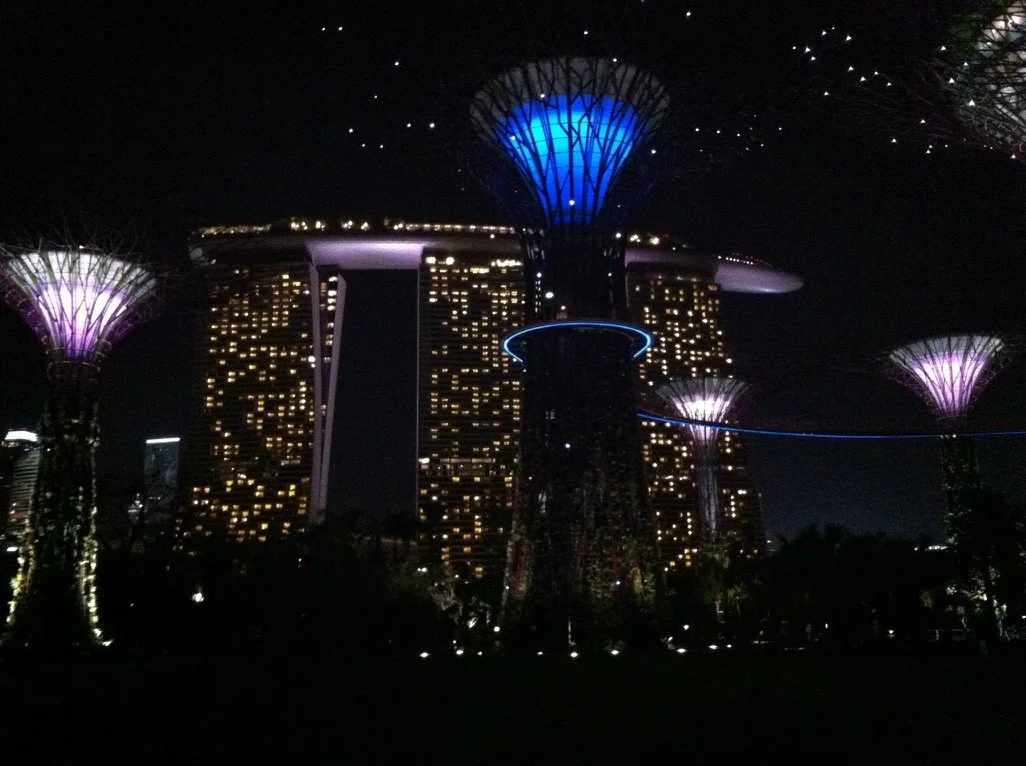
Marina Bay Sands and The Supertrees, Singapore
The Modern:
The Jewel Changi: It is only fitting to start where most journeys begin. What used to be a simple parking lot has been transformed into a breathtaking arrival (or departure) experience. The 40-meter HSBC Rain Vortex—the world’s tallest indoor waterfall—surrounded by a lush, five-story forest valley, sets the tone for the "City in Nature" before you even leave the airport. Note: The Jewel waterfall is located in the public area after/before immigration. If you didn’t see it on arrival, give yourself an extra two hours before your flight to explore it before you head to your gate.
Marina Bay Sands (MBS): Having lived at The Sail while this was being built, seeing the finished "ship" never loses its impact. It has become the undisputed center of gravity for the city’s skyline. Whether you are viewing it from across the water or standing on the deck, it remains a surreal engineering marvel. They are currently in the middle of a massive multi-billion-dollar expansion, including a fourth tower. If you think the skyline is finished, think again—Singapore is always building its next chapter.
The Gardens by the Bay: Domes & Supertrees: This is where engineering and botany collide on a scale you won't see anywhere else.
The Domes: The Cloud Forest and Flower Dome are essential stops. The Cloud Forest, in particular, is a masterpiece; stepping inside feels like entering a futuristic mountain mist, with a 35-meter indoor waterfall and a spiraling walkway that takes you through the canopy of a tropical highland.
The Supertree Grove: You cannot miss these iconic 50-meter vertical gardens. They are draped in over 200 species of orchids and ferns, acting as the "environmental engines" for the gardens. While they are stunning by day, they are magical at night during the Garden Rhapsody light show. For a bird’s-eye view, take the OCBC Skyway—a 128-meter-long walkway suspended between two of the larger trees.
The Helix Bridge: We remember when this was just a structural skeleton. Now, this DNA-inspired pedestrian bridge is the perfect way to walk from the Bayfront toward the city side. At night, the LED illumination makes it one of the most photogenic paths in the city.
ArtScience Museum: The iconic "lotus" building was just rising from the water during our early years at Marina Bay. Today, it’s the creative heartbeat of Marina Bay, blending technology and art in a way that feels uniquely Singaporean. The permanent Future World exhibition created by teamLab is on my list of must-sees for the next trip. Supposedly, it’s a transcendental experience that perfectly captures the "New Singapore" energy.
The History:
Raffles Hotel & The Long Bar: No trip to Singapore is complete without a nod to "Old Singapore." Stop by the Long Bar, it’s the one place in this pristine, modern city where you are actively encouraged to throw peanut shells on the floor while sipping a Singapore Sling—a timeless ritual that anchors the city’s colonial history.
Merlion Park: The Singapore Tourism Board designed the Merlion as a symbol for Singapore in 1964, just before Singapore became a fully independent, sovereign republic on August 9, 1965. If you happen to be here for their National Day, it’s a spectacle best observed from Marina Bay. For us, the Merlion Park has the best vantage point to see how much the Marina Bay skyline has changed since 2008.
CHIJMES: This stunning historic complex, formerly a convent and school, is a favorite for its quiet elegance. The white gothic chapel is now globally recognized from the wedding scene in the Crazy Rich Asians movie, but we love it for the atmosphere of the courtyard bars and restaurants tucked away from the city noise.
💍 The "Crazy Rich Asians" Layer
Many of the backdrops of our lives in Singapore eventually became global icons through the lens of Crazy Rich Asians. It’s a fun layer to explore, as the film highlights the exact blend of high-end glamour and heritage soul that we came to love during our time there.
CHIJMES: Beyond its gothic beauty, it’s surreal to stand where the film’s "wedding of the century" took place. It has transformed from a quiet historic site into a world-famous cinematic landmark.
The Supertrees at Night: The wedding reception at Gardens by the Bay captured the magic of the Supertrees perfectly. Watching the light show today feels like stepping into another world (or a movie set).
Marina Bay Sands (MBS): The film’s final celebratory scene takes place at the MBS Infinity Pool and the rooftop of the "ship." Seeing MBS as a symbol of modern luxury on the big screen was a full-circle moment. We spent so much time exploring the city’s burgeoning heights, including the rooftop of MBS, that a friend coined the term Roofscapade™. These rooftop adventures became the lens through which we witnessed the cityscape grow.
The Heritage Shophouses: The film beautifully showcased the colorful, ornate architecture of Singapore’s past. While Peik Lin’s (Awkwafina’s) family home was set in the grand colonial style, the scenes filmed around Bukit Pasoh and the nearby Katong district highlight the vibrant Peranakan shophouses that we always loved exploring for their unique tiles and pastel facades.
Newton Food Centre: While every expat has their favorite "secret" hawker spot, the film chose Newton for a reason. It captures that quintessential, high-energy atmosphere of a late-night seafood feast under the stars.
🌱 Escape to the Outdoors in The Garden City
Beyond the concrete and glass of the CBD lies the true reason Singapore is called the "Garden City." While the urban landscape has climbed higher, the city’s commitment to its green lungs has only deepened.
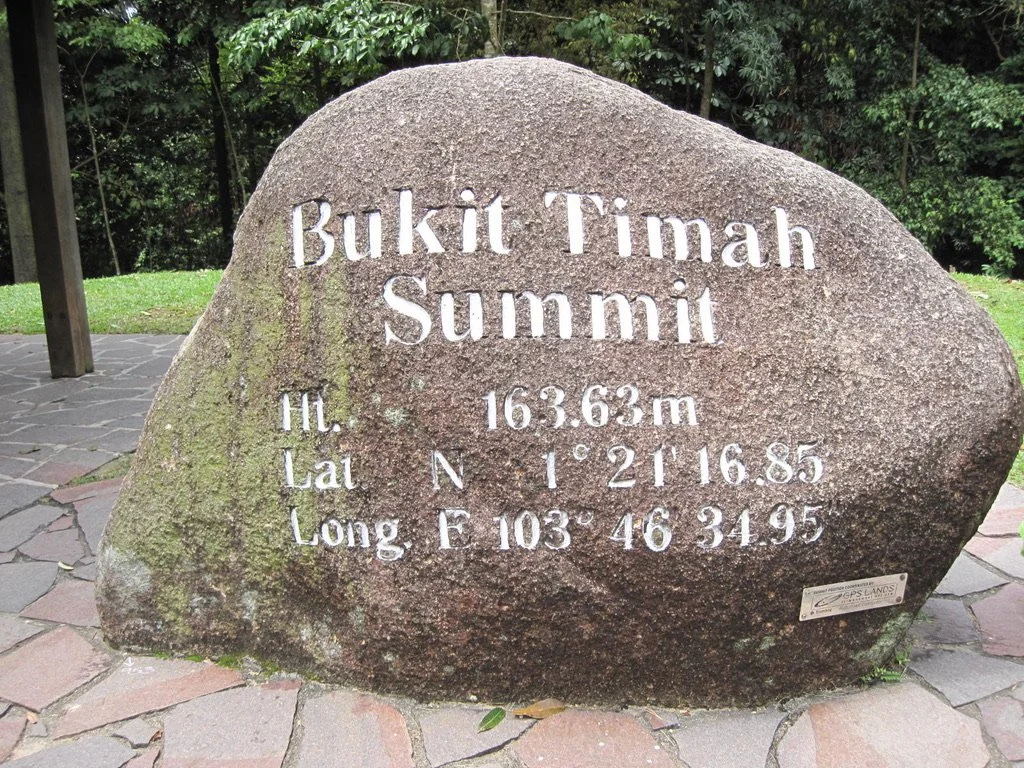
Bukit Timah Nature Reserve, Singapore
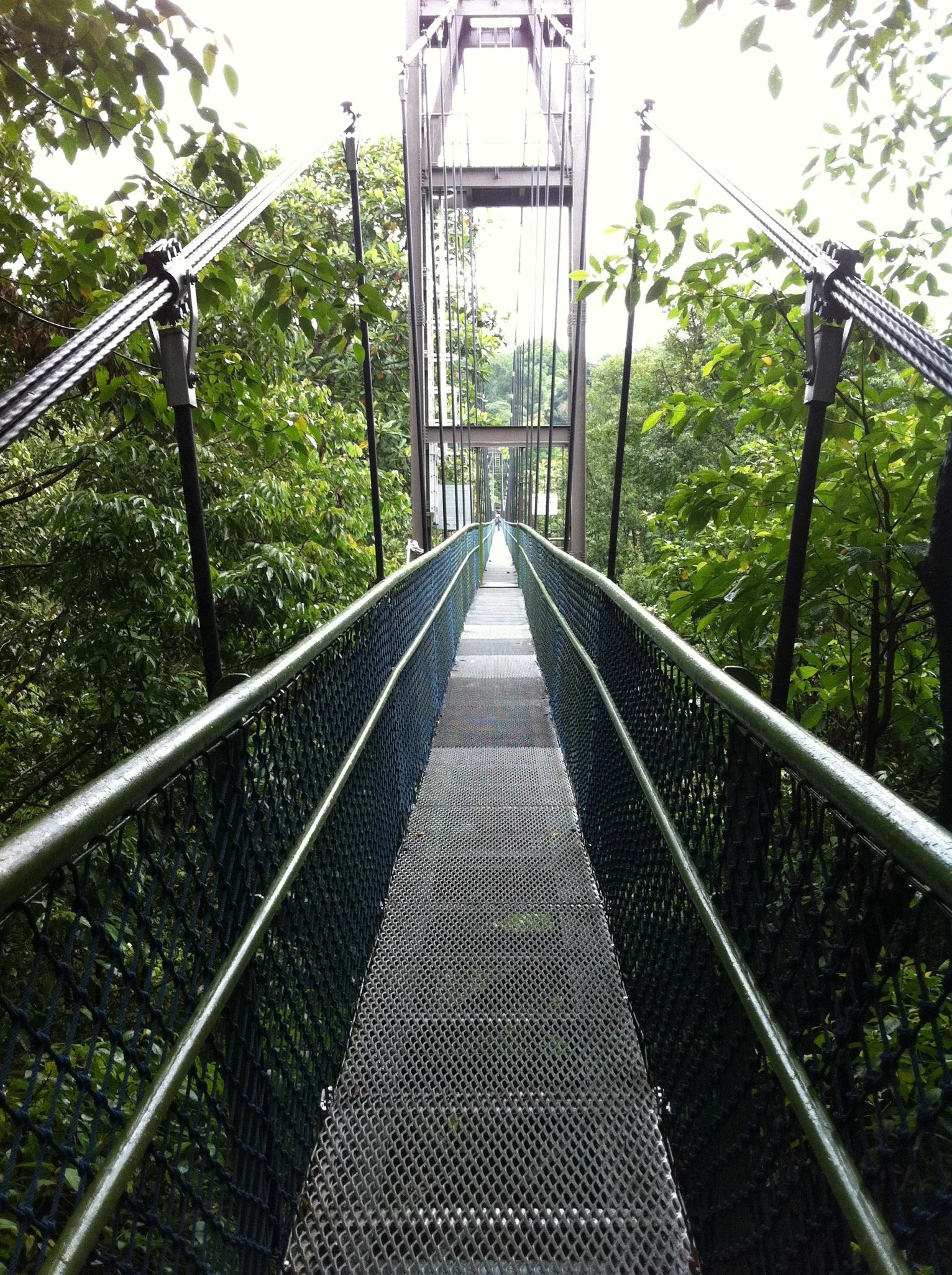
MacRitchie TreeTop Walk, Singapore
Singapore Botanic Gardens: A UNESCO World Heritage site. While the Gardens by the Bay provide the 'wow' factor, the Botanic Gardens are for the soul. Whether it’s a morning walk around Swan Lake or a picnic on the Palm Valley lawn, this is the green heart of the city. It remains a timeless sanctuary where the city noise simply disappears.
Bukit Timah Nature Reserve: The highest natural point on the island and a centerpiece of Singapore's efforts to preserve its original tropical forest. Hiking up the summit path feels like a journey back in time; it’s one of the few places where you can experience the primary rainforest exactly as it existed before the skyscrapers arrived.
The Green Corridor (Rail Corridor): A unique "green spine" following the former KTM railway line. This converted railway track has become a favorite for hikers and cyclists. The Hillview stretch, with its restored black iron bridges and lush embankments, offers a rustic, nostalgic escape that connects the north and south of the island through nature.
MacRitchie Reservoir Park: Famous for its TreeTop Walk—a 250-meter freestanding suspension bridge that takes you through the jungle canopy. It’s the ultimate spot for "jungle immersion," and for us, it was a weekend staple for getting away from the city heat and into the shade of the forest trails.
Singapore River Walk: A ritual for any former Sail or River Valley resident. This path winds through the colorful quays and around the entire perimeter of Marina Bay. It’s the best way to see the city transition from the heritage shophouses of Boat Quay to the futuristic sweep of the Fullerton Bay waterfront.
Sentosa: The Island Reimagined: When we lived in Singapore, Sentosa was often the 'weekend escape' for a loud beach club or a trip to Universal Studios. But Sentosa has matured significantly. There is now a sophisticated side away from the tourist crowds.
The Sophisticated Side: Move past the crowds of Siloso Beach and head to Quayside Isle at Sentosa Cove. With its waterfront bistros and rows of luxury yachts, it’s the perfect spot for upscale drinks and dinner—a place reminiscent of the Mediterranean lifestyle tucked away in Southeast Asia.
The "Sensory" Newcomer: The new Sensoryscape is at the top of my list of places to visit when I return. This ridge-to-beach walkway is a 30,000-square-meter oasis that combines nature with "phygital" (physical + digital) light art. It turns a simple walk to the beach into an immersive evening experience that didn't exist when I lived there, and unfortunately, I didn’t make it there when I last visited.
📝 The Pro-Tips: A Former Expat’s Advice
The logistics of the city have changed significantly since our early days as expats in Singapore. Here is how to navigate the modern "Smart City" like a local:
The "Super-App": You won't find Uber or Lyft here. In 2018, Grab acquired Uber’s regional operations, making it the undisputed "Super-App" of Singapore. Download Grab before you land. Use it for everything from private cars to delivering a midnight craving of local eats to your hotel.
Contactless is King: You no longer need to buy a physical EZ-Link card for the MRT or buses. Simply tap in and out with your phone (Apple/Google Pay) or any contactless credit card.
The "++" Rule: In Singapore, prices on menus are often followed by "++." This means a 10% service charge and the current GST (Goods & Services Tax) will be added to your final bill. Tipping is not expected or required, as the 10% service charge is already included in most sit-down dining.
GST Refunds: If you're doing some serious shopping at places like ION or Takashimaya, keep your passport handy. Most shops can issue an electronic GST refund (TRS) that you can claim at the airport before you fly out.
The "Chope" System: If you see a packet of tissues sitting on a table in a crowded hawker center, do not sit there. It’s the local way of "chope-ing" (reserving) a seat while they order food.
Hydrate or Hibernate: Singapore’s humidity is no joke. The tap water is 100% safe to drink, so carry a reusable bottle. And when the midday heat peaks, do what the locals do and move through the malls. Many Central Business District (CBD) buildings are connected by underground, air-conditioned linkways that allow you to walk blocks without ever breaking a sweat.
The "3 PM Rule": On most days in Singapore, it’s not if it rains, it’s when. There is almost always a tropical downpour in the mid-afternoon. Plan your indoor activities during the afternoon rain (typically between 3 PM and 5 PM), and use those underground walkways.
Dress for the "Polar" Indoors: While it’s 32°C (90°F) outside, Singaporean malls, cinemas, and offices are kept at "Arctic Levels" of air conditioning. Always carry a light linen scarf or a thin cardigan in your bag.
The "Return" Mindset: The city moves fast. Places you loved when you first visited might be gone, replaced by something shinier. Don’t be frustrated by the change—embrace the "New Singapore."
💡 Final Thoughts
Singapore is a city that refuses to stand still. Every time we return, there is a new skyscraper, a new "phygital" garden, or a new Michelin-starred concept to discover. Yet, for all its futuristic ambition, the city’s true magic lies in its consistency—the way the humidity still hugs you the moment you leave Changi, the rhythmic clinking of kopi cups at a neighborhood hawker center, and the warmth of the friends that make Singapore still feel like home.
Whether you’re a first-time visitor or a returning resident, Singapore offers a rare kind of travel experience: one where you can walk through a primitive rainforest in the morning and sip a world-class cocktail on a 70th-floor rooftop by sunset. It is a city that continuously builds its next chapter, but never quite forgets the heritage that wrote its first.
As much as the skyline and the greenery define the Lion City’s exterior, you haven’t truly experienced Singapore until you’ve sat down to eat. From the hawker centers in the shadows of these skyscrapers to the decadence of a 57th-floor brunch, the food is where the city’s heart really beats."
[Read: The Expat’s Pantry & Plate: A Deep Dive into Singapore’s Food and Bar Scene]
💬 Singapore often tops the list of the world's most futuristic cities—which part of the "Lion City" are you most excited to explore? Whether it's the hawker food or the sky-high architecture, let us know in the comments below!
