⛵ Corsica - By Land and By Sea: The Essential 13-Day Itinerary
Corsica is one of the largest islands in the Mediterranean, and while it is a part of France, it has a distinct culture of its own. Once a part of the Republic of Genoa, it has Italian as well as French roots. And while the official language is French, they have their own language and many people who reside are from the island prefer to be called Corsican rather than French. Fun fact, Napoleon Bonaparte was born in Corsica.
Corsica is a mountainous island, and while traveling by sea, we didn’t venture into the interior. Thankfully, we had planned for an extra few days to explore by land, as the interior lakes and mountainsides are worth exploring.
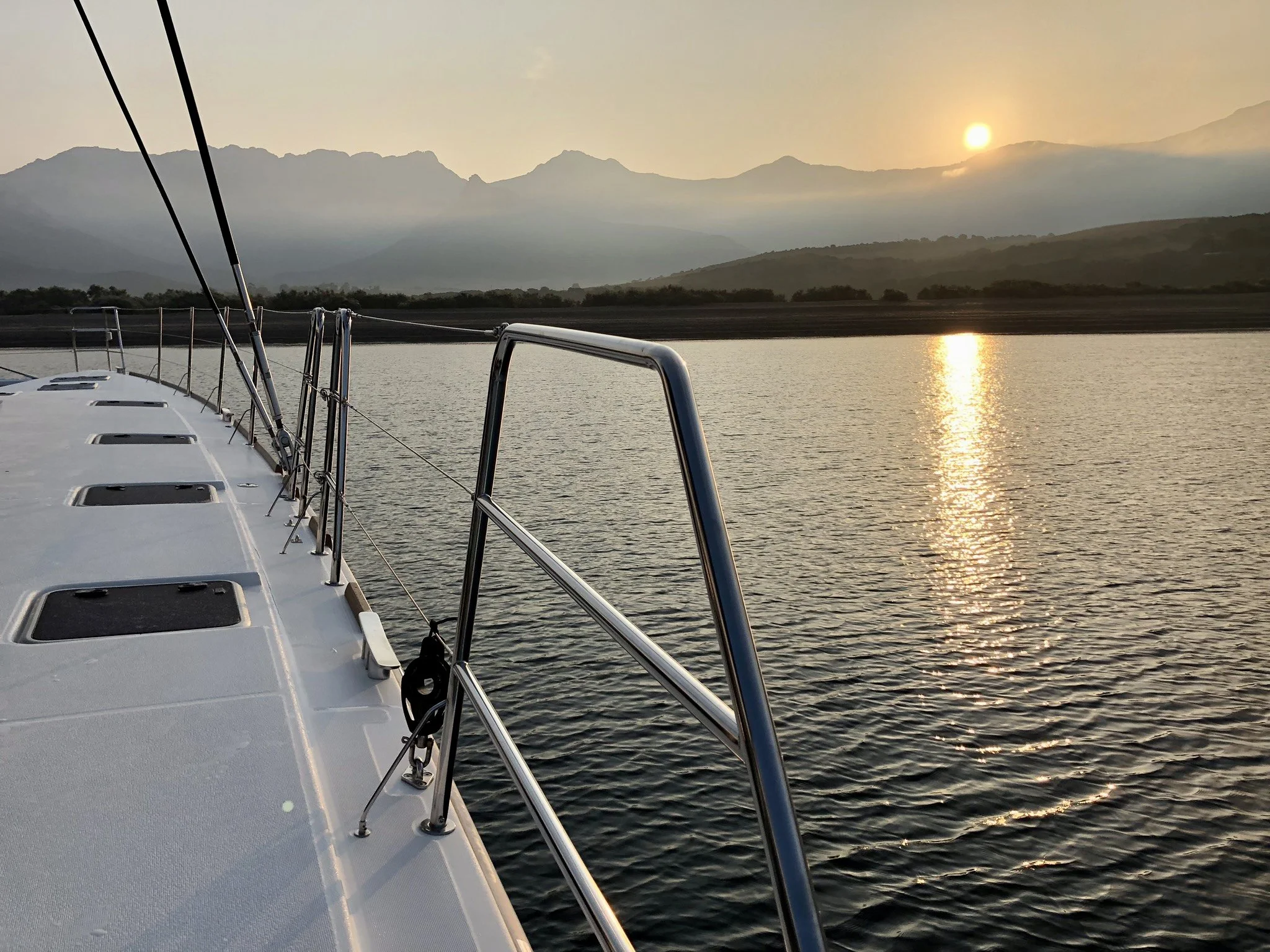
Corsica by Sea
To get to Corsica, from anywhere besides Europe, the most direct route is through Charles de Gaulle (CDG) airport in Paris, as it will have the most options for flying into Corsica. However, I fly Star Alliance and avoid CDG whenever possible, so my route had an overnight in Nice before and after Corsica.
The itinerary for this trip:
Calvi - 2 nights to get acclimated and meet up with friends joining us for the trip
Corsica by Sea - 7 nights along the west coast
Bonifacio - 4 nights with day trips around the southern part of the island
Check out our post on How to Book a Yacht Charter for information on arranging travel by sea.
Calvi
Calvi is a port town in the northern part of Corsica. In the old part of town, there is a medieval citadel that sits on top of a crescent-shaped bay.
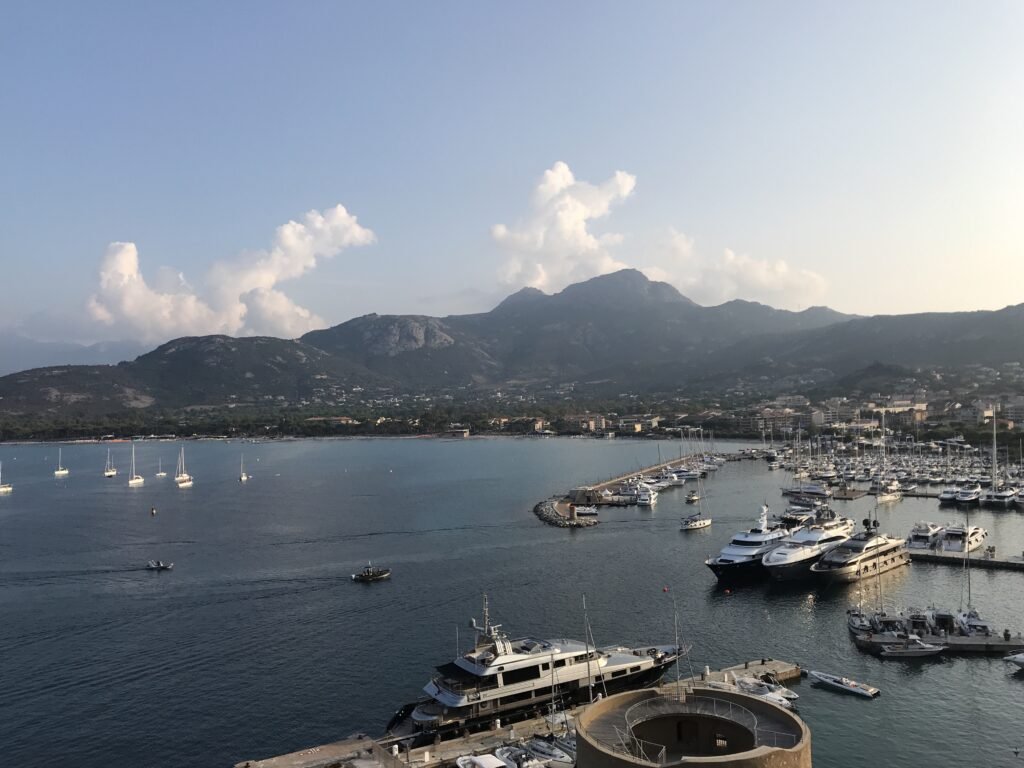
Calvi Port, Corsica, France
Calvi is also the site of a modern-day war memorial honoring residents of Calvi who lost their lives in WWI, WW2, and wars in Indochina, Chad, and Afghanistan. Just over the cliff of the citadel, in the sea, is the crash site of a B-17 Flying Fortress from WW2. The plane and crash site is a popular dive site that can be explored underwater.
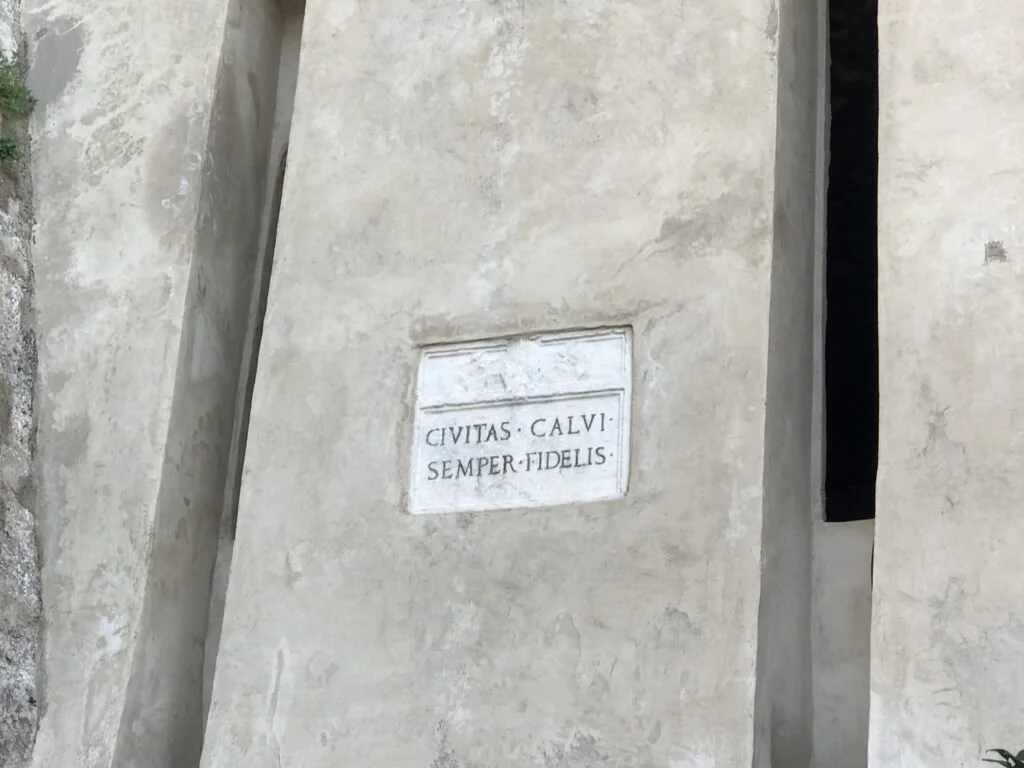
Calvi Citadel, Corsica, France
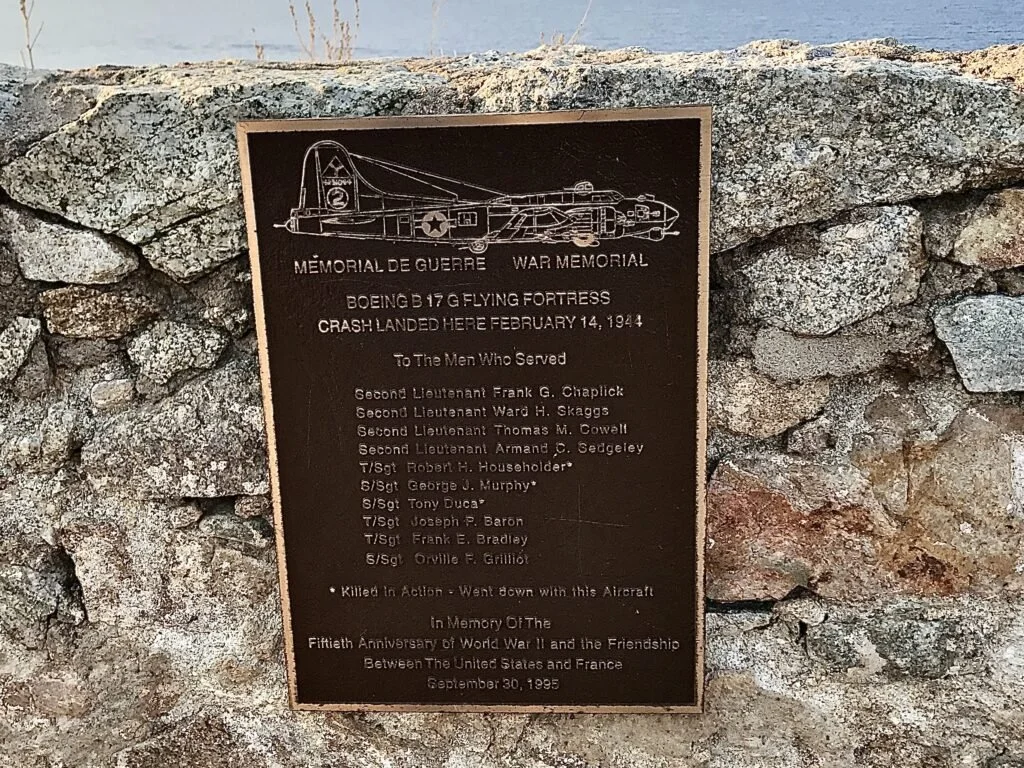
Calvi War Memorial, Corsica, France
While I did not dive the B-17 wreck, I did dive in Calvi. The water temps are much cooler, and the colors are not as vibrant as the coral reefs I am fond of, but the topography is interesting with its rocks and cliffs underwater, and any day I get to blow bubbles in the water is a good day.
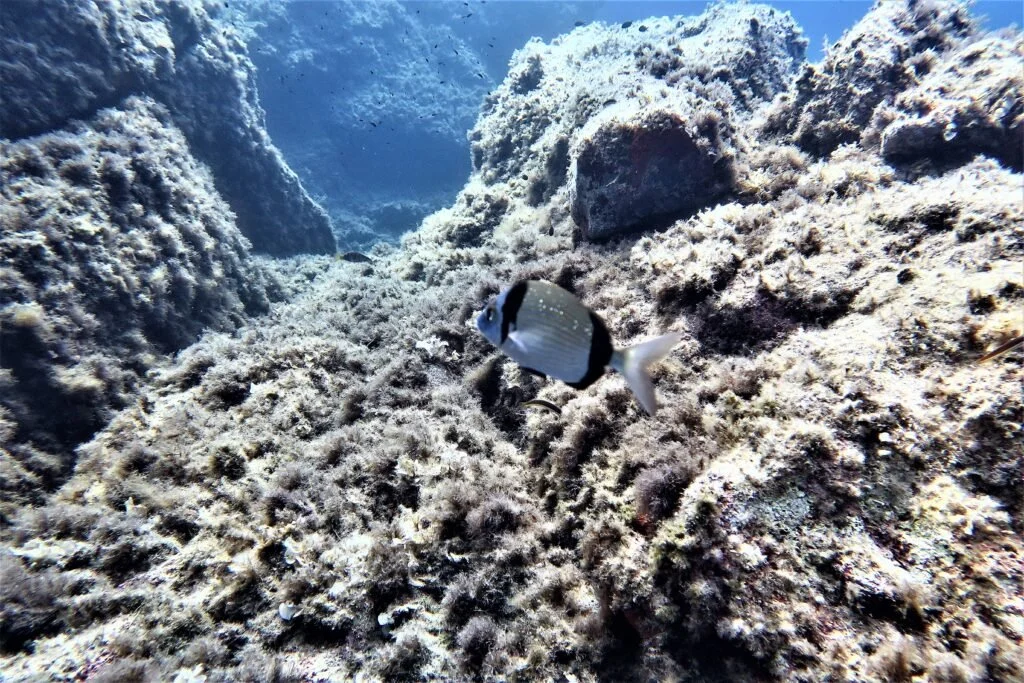
Scuba Diving in Calvi, Corsica, France
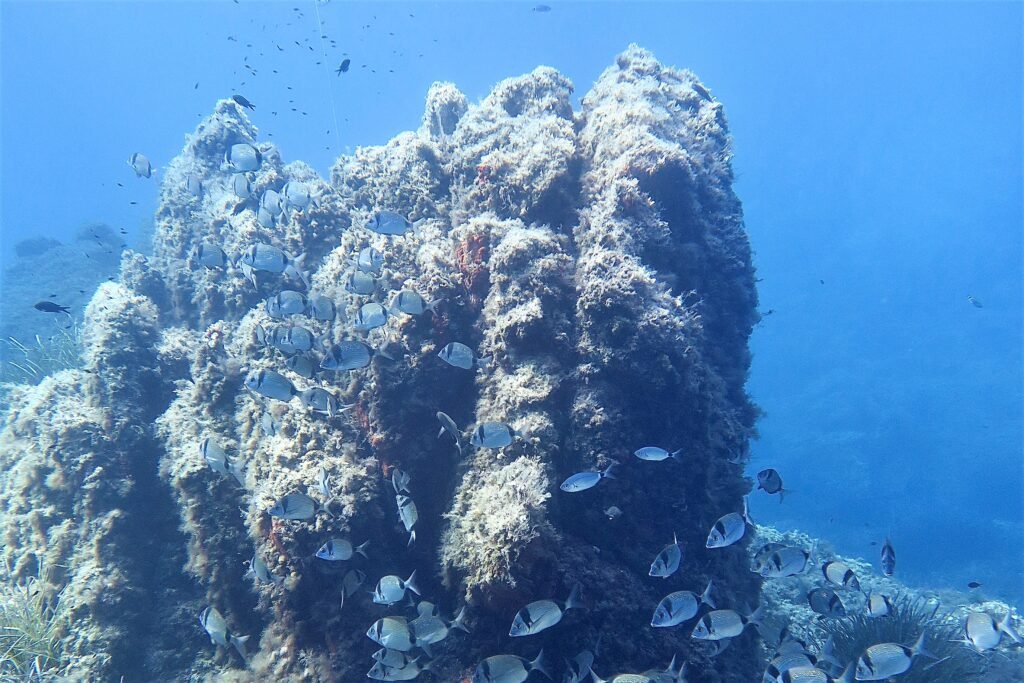
Scuba Diving in Calvi, Corsica, France
Calvi was the meeting spot for us to embark on the catamaran for the week. For this trip, we headed in one direction, primarily from north to south. Corsica is a large island, so the best way to sail it in one week, is in a single direction. Most charter itineraries will travel on the west side of the island, as there are more ports and places to visit.
Before our week-long journey by sea, we stayed at the Hotel Corsica, and it was a lovely spot to get over the jet lag. The hotel is not in the center of town, so it was quiet and relaxing. It was the perfect place to spend a couple of nights before embarking on the catamaran.
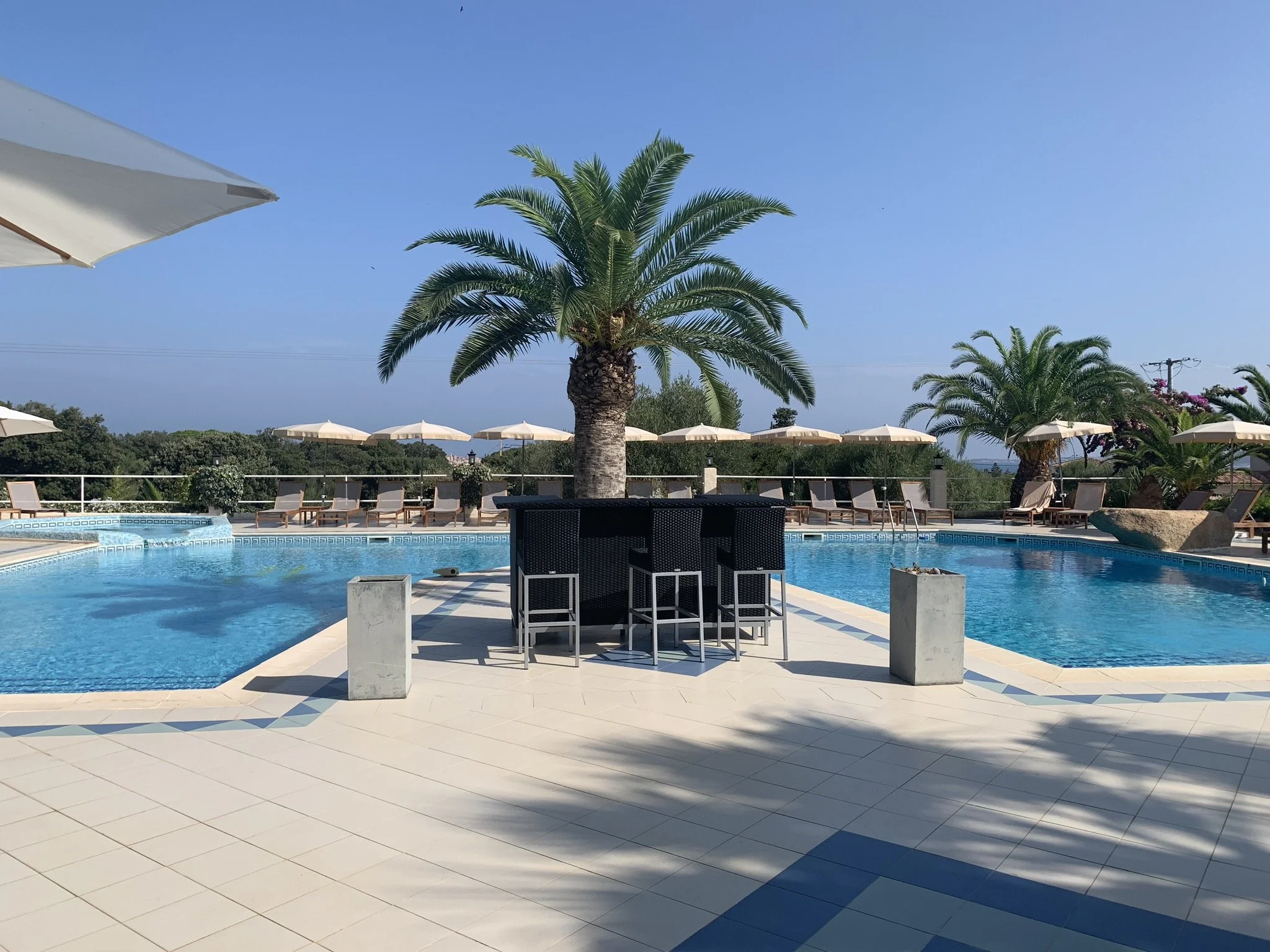
Hotel Corsica, Calvi, France

Hotel Corsica, Calvi, France
Corsica by Sea
Corsica is not a destination that we knew a lot about, so we had no idea what to expect. As such, we relied on our Captain to recommend the places we should stop.
Osani
Our first stop was in the small town of Osani. Osani is surrounded by red rocky landscape that juts out of the water and glistens in the sun. We spent the afternoon swimming in the bay and in the evening we had dinner at a cliffside restaurant, Le Bel Ombra, overlooking the marina.
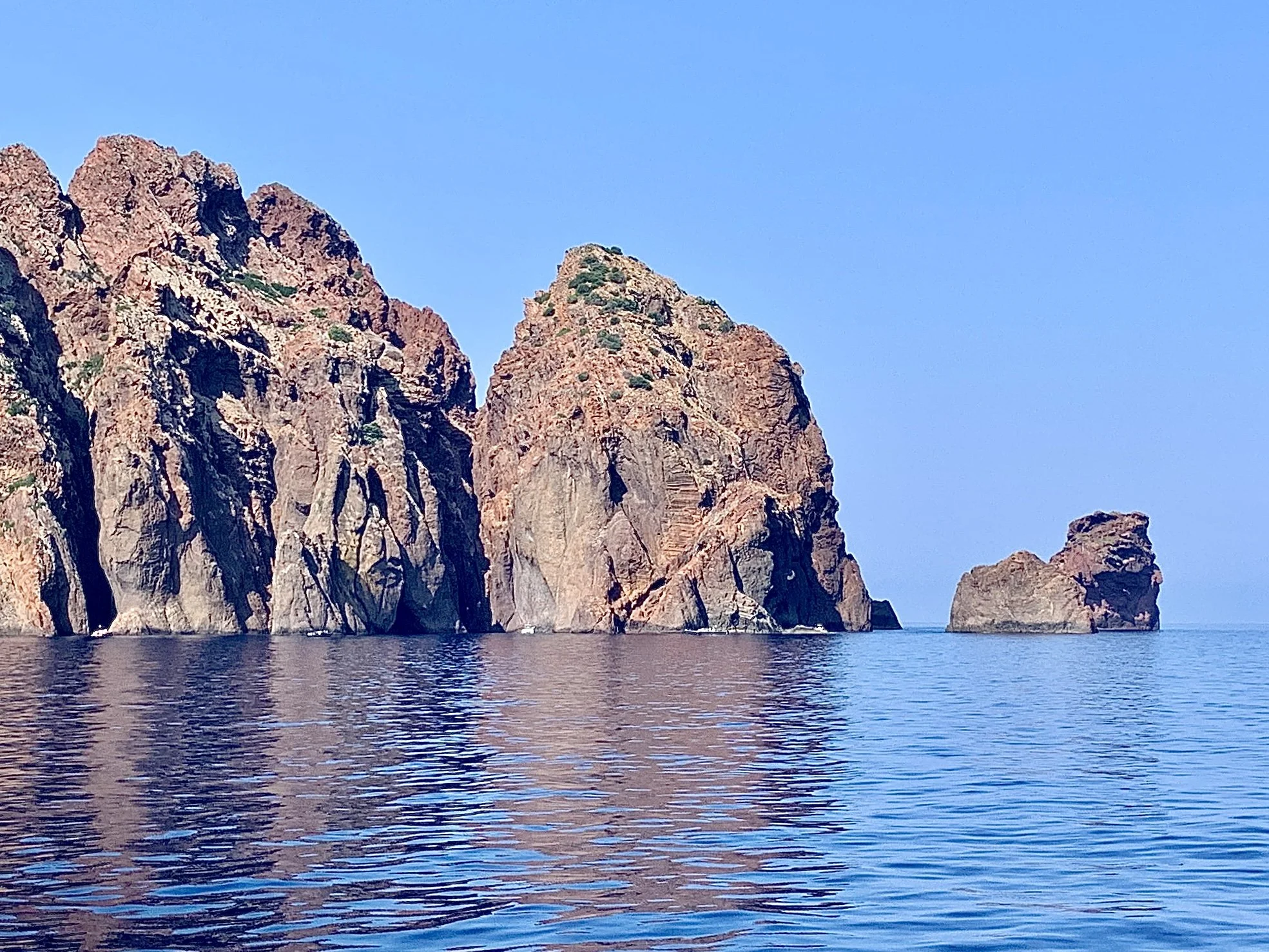
Osani, Corsica, France
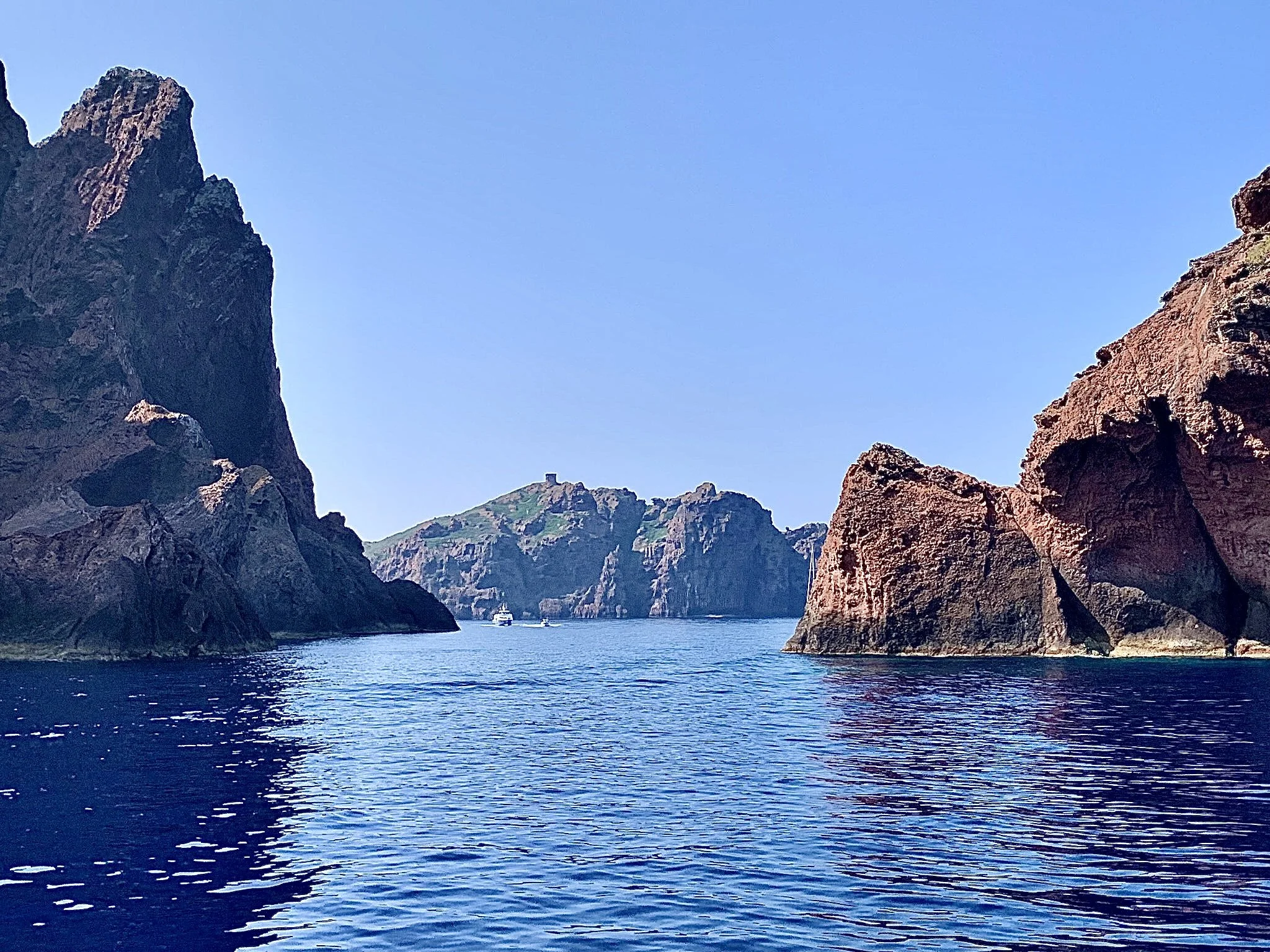
Osani, Corsica, France
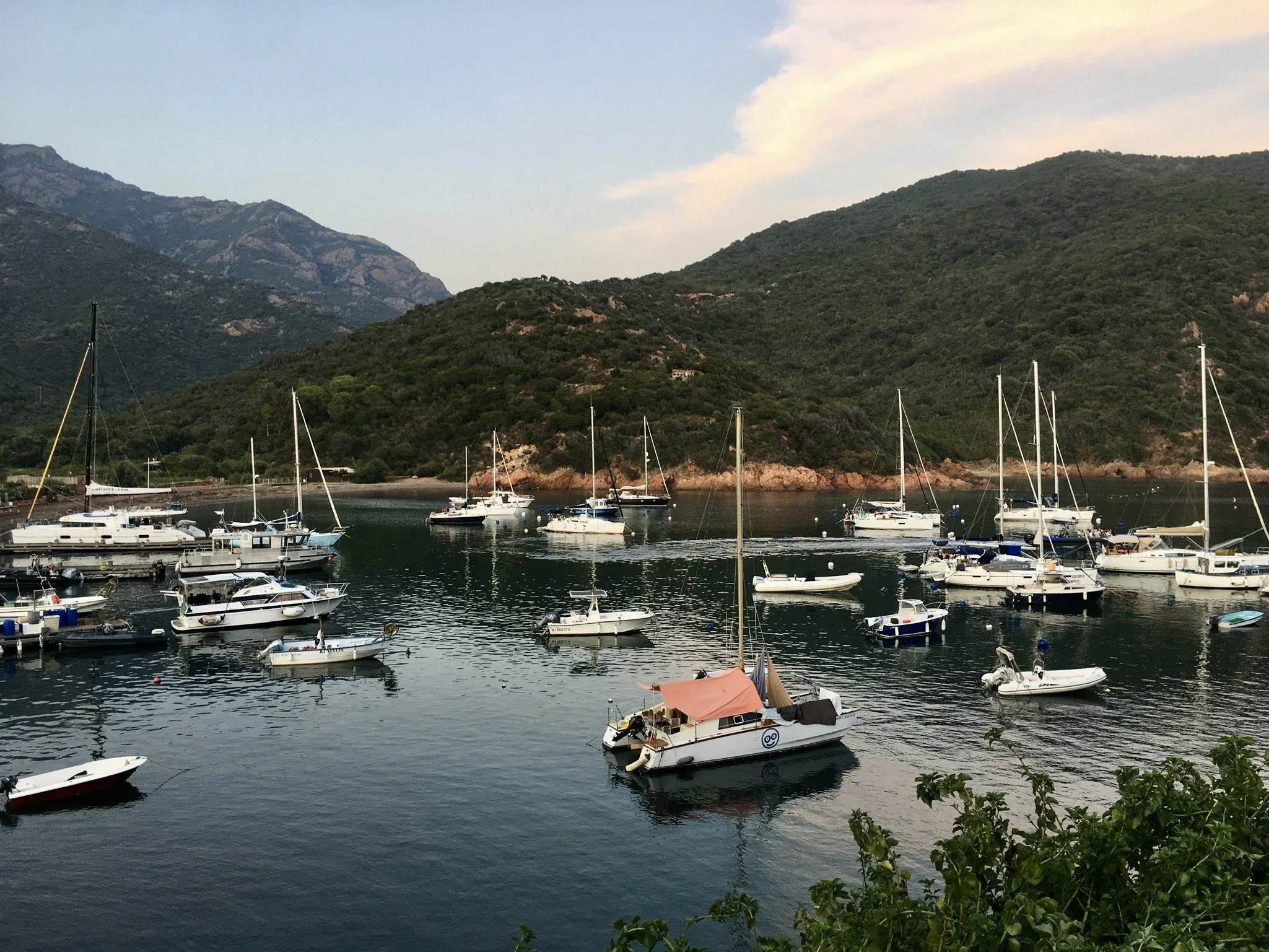
Osani, Corsica, France
Campomoro
Our next stop should have been Ajaccio, the birthplace of Napoleon. However, due to the winds and our sailing plans to get to Bonifacio before the winds changed, we skipped past this stop and headed to Campomoro, a sleepy seaside town with a sandy beach and waterfront bars.
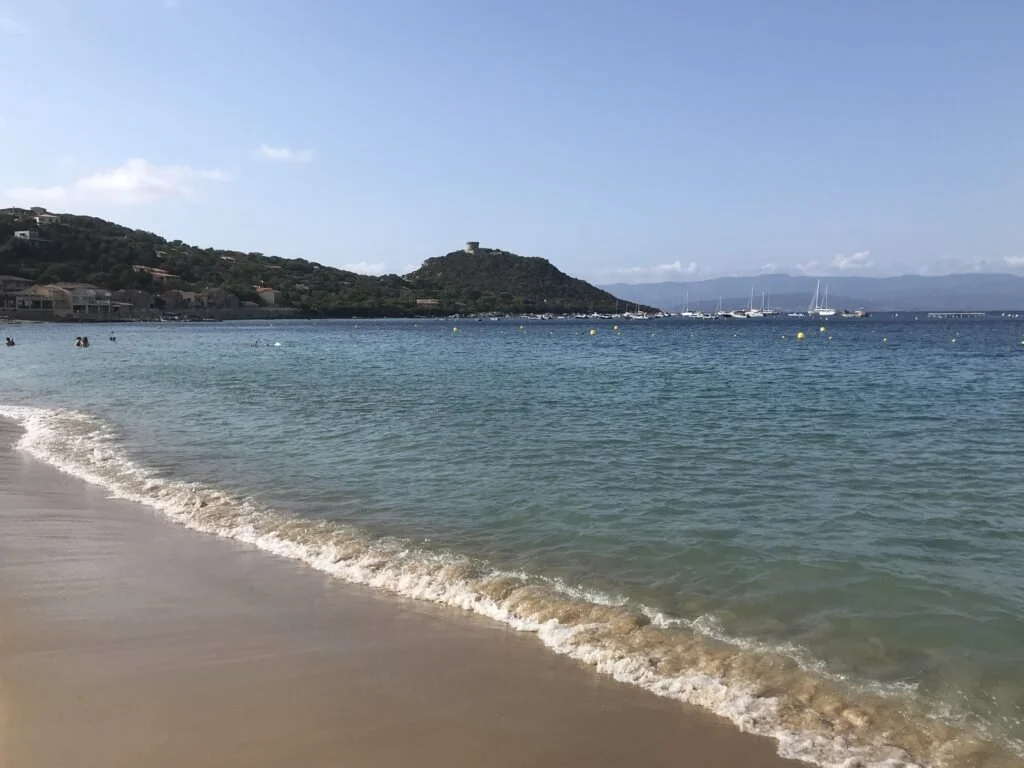
The Beach at Campomoro, Corsica, France
The Beach at Campomoro, Corsica, France
Here we had the option to hike up to the largest Genoese tower on the island, which some in the group choose to do. The views from the top provided us with a great picture of our catamaran from the cliffs above.
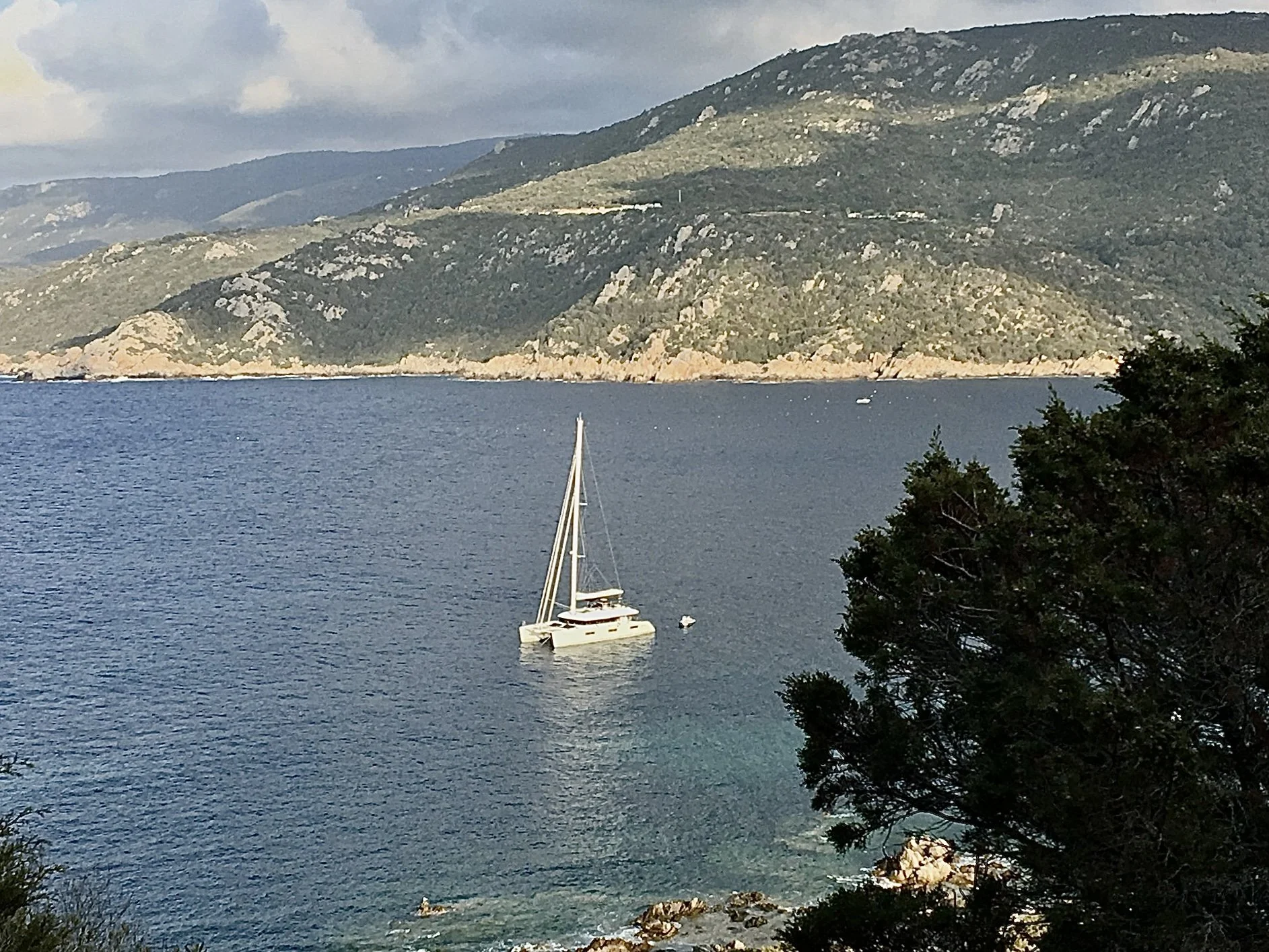
The Melarnie at Campomoro, Corsica, France
Bonifacio
Sailing along cliffs, we reach our next destination, Bonifacio. This town, nestled on a clifftop with a medieval citadel, made for an impressive port entry. We made our way through a narrow entry with sheer rock cliffs on each side.
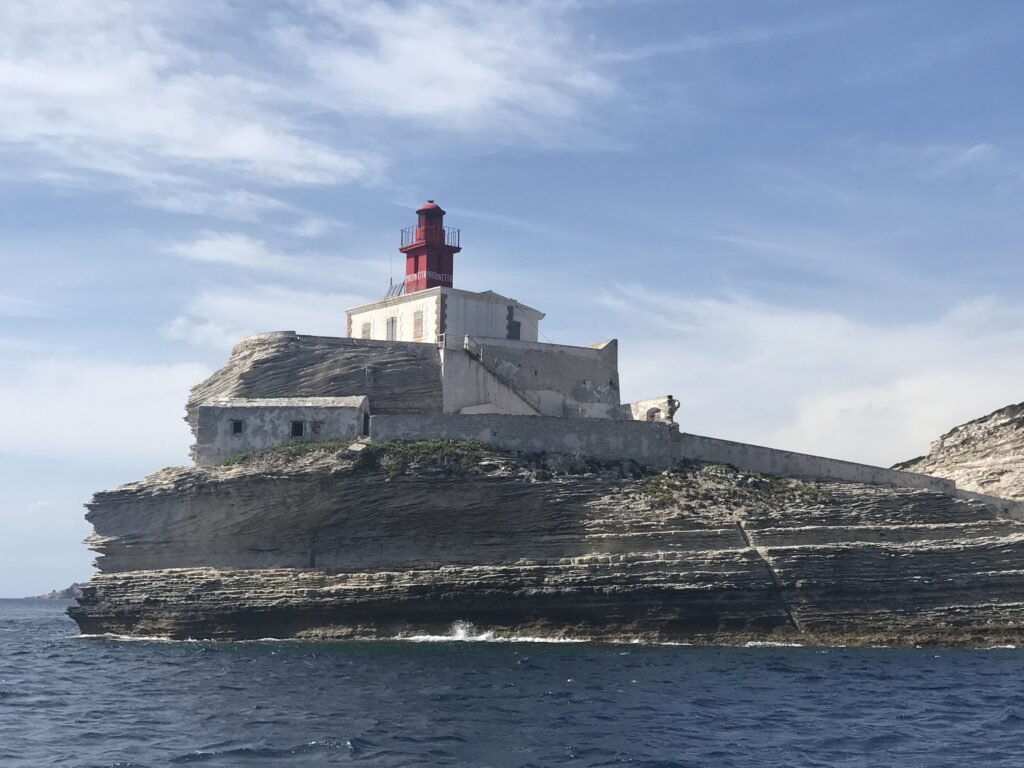
Entry into the Port in Bonifacio, Corsica, France
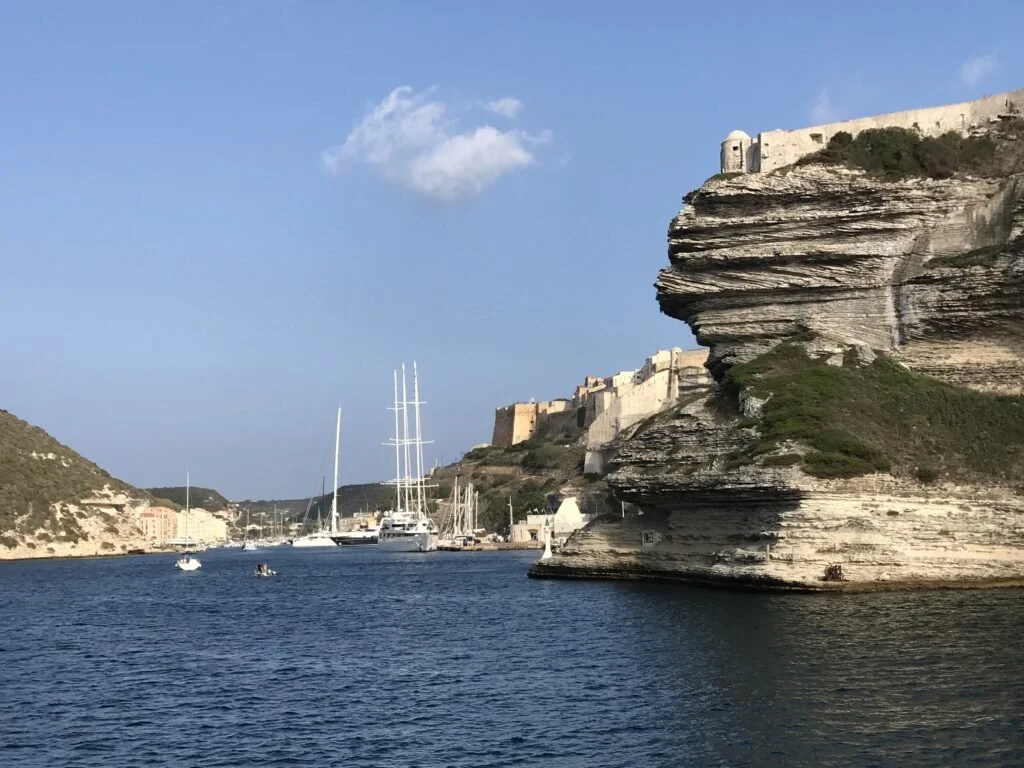
Entry into the Port in Bonifacio, Corsica, France
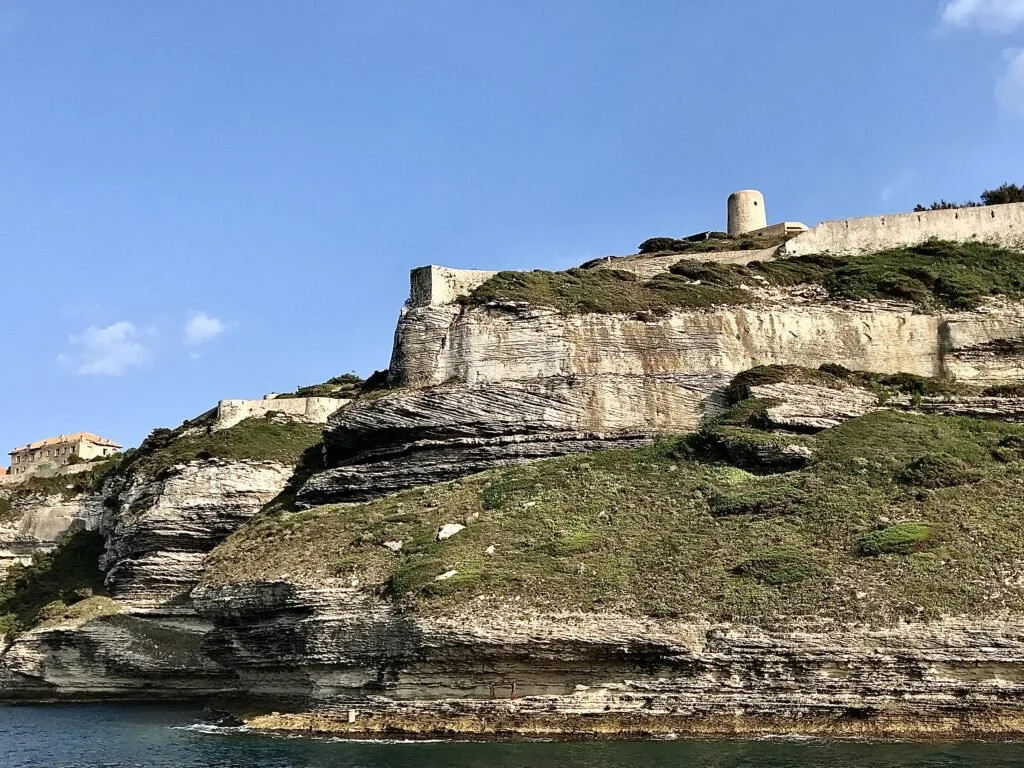
Entry into the Port in Bonifacio, Corsica, France
The town set into and on top of a cliff meant a lot of uphill walking to get into the center of town. The sunset views from the top were stunning.

Bonifacio Port, Corsica, France
We also took the opportunity to do the cliff walk. There are sections of this wall that are quite steep. However, you don’t need to brave the steep parts on the side of the cliff to get amazing views. The views are gorgeous from most perspectives on the walk. After disembarking the catamaran a few days later, we returned to spend more time in Bonifacio for our land-based travels. We walked up and down the cliffs numerous times, but the views never got old.
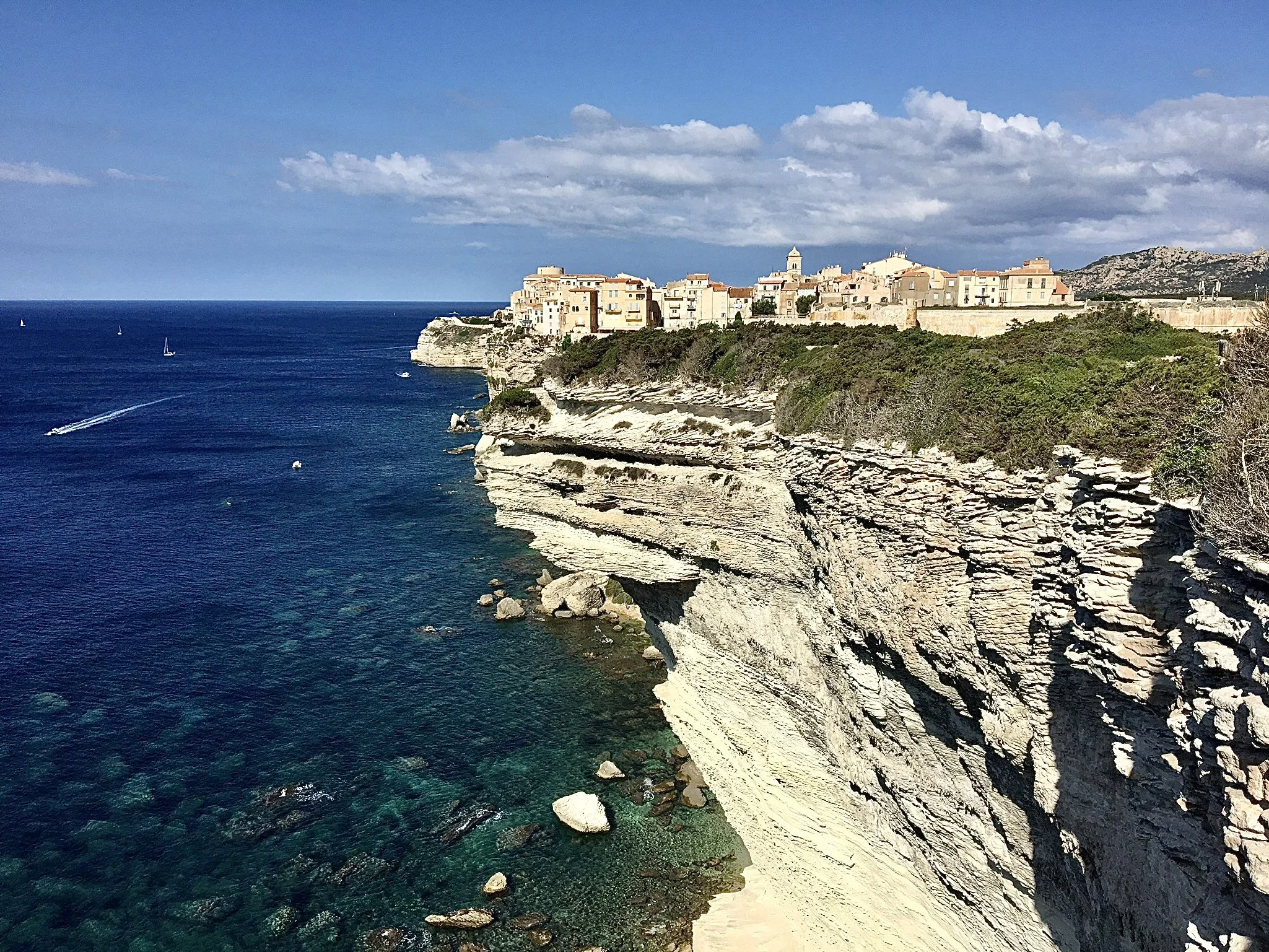
Bonifacio Cliff Walk, Corsica, France
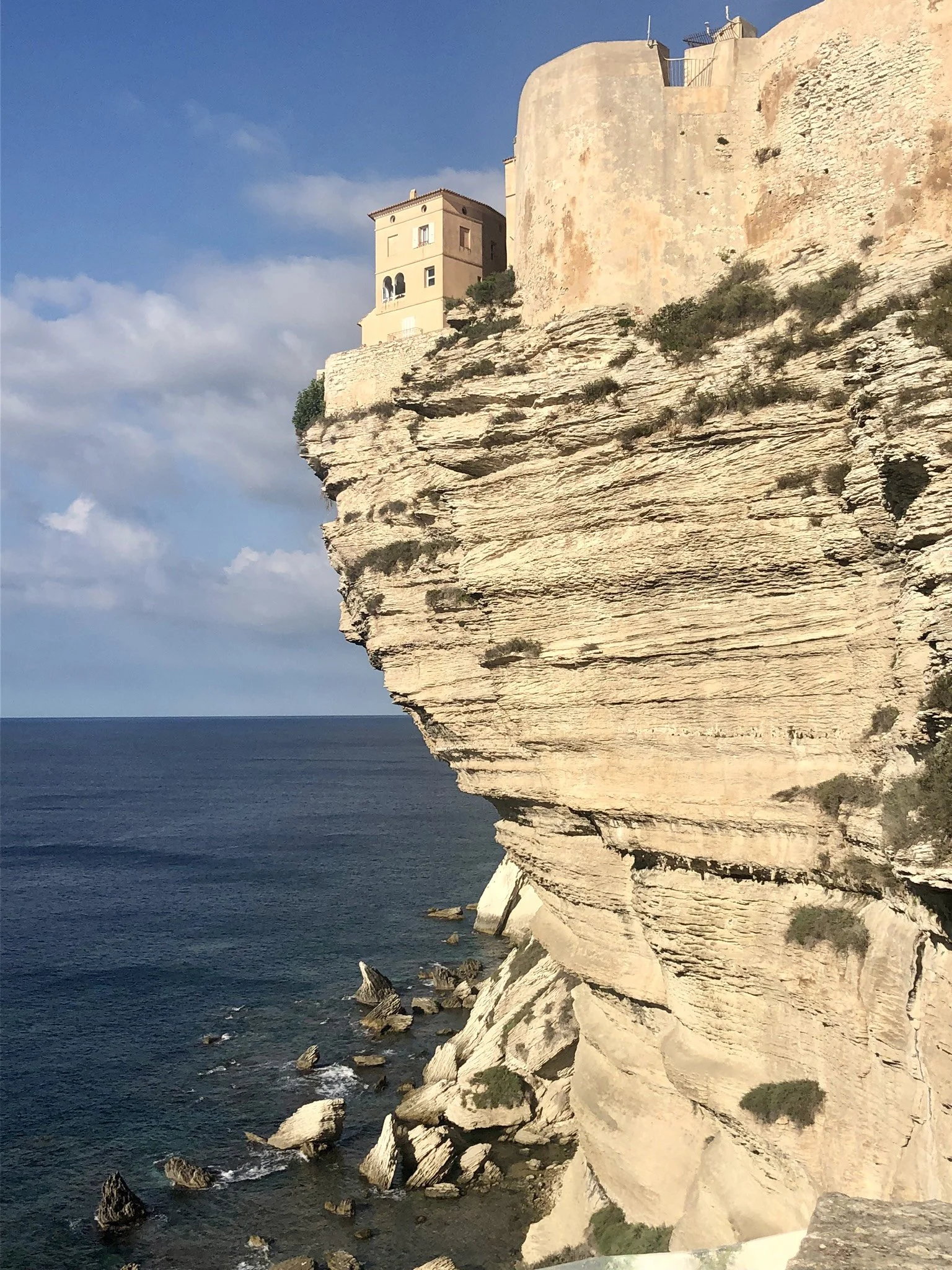
Bonifacio Cliff Walk, Corsica, France
Sardinia, Italy
These next stops were a bit of a detour from the original itinerary due to weather requiring us to get to Bonifacio quickly. So why not continue sailing south to another country?
Sardinia is a large Italian island just south of Corsica, and a perfect place for a swim and a pizza. This brief visit was just a teaser, and Sardinia is now on the list for the next yacht trip, not just for its beaches, but its nature reserves and national parks.
La Maddalena
This is a group of islands just north of the island of Sardinia, where there are beaches and swimming coves abound. We made an afternoon stop at one of the many spots for some swimming and snorkeling.

La Maddalena, Sardinia, Italy
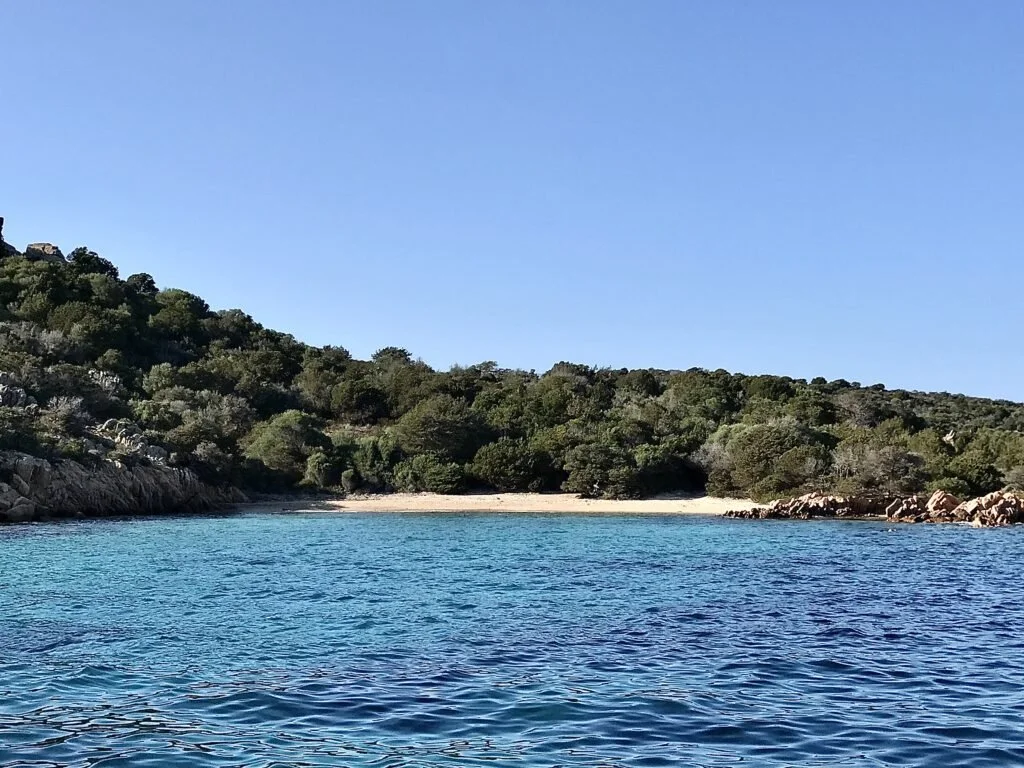
La Maddalena, Sardinia, Italy
Poltu Quatu
Poltu Quatu means hidden port, but we are glad our Captain ‘found’ it. It’s apparently a yachting hot spot, but the port had already begun to shut down as it was towards the end of the season. While not as lively as it was just a week before, we did find a perfect spot for pizza.
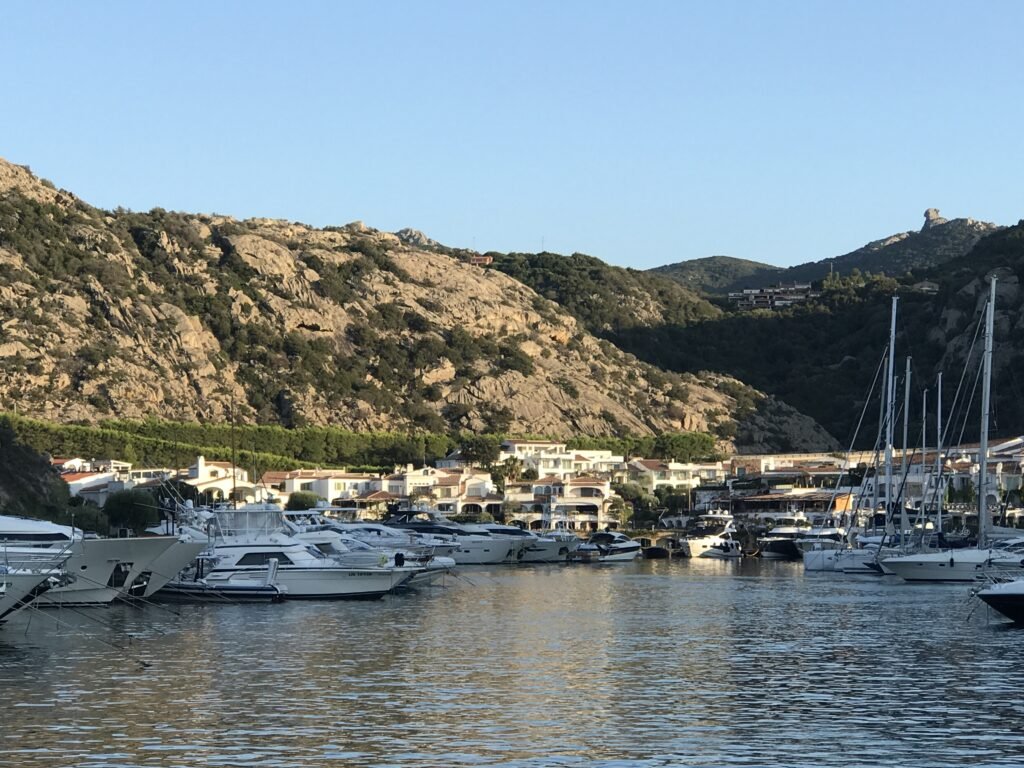
Poltu Quatu, The Hidden Port, Sardinia, Italy
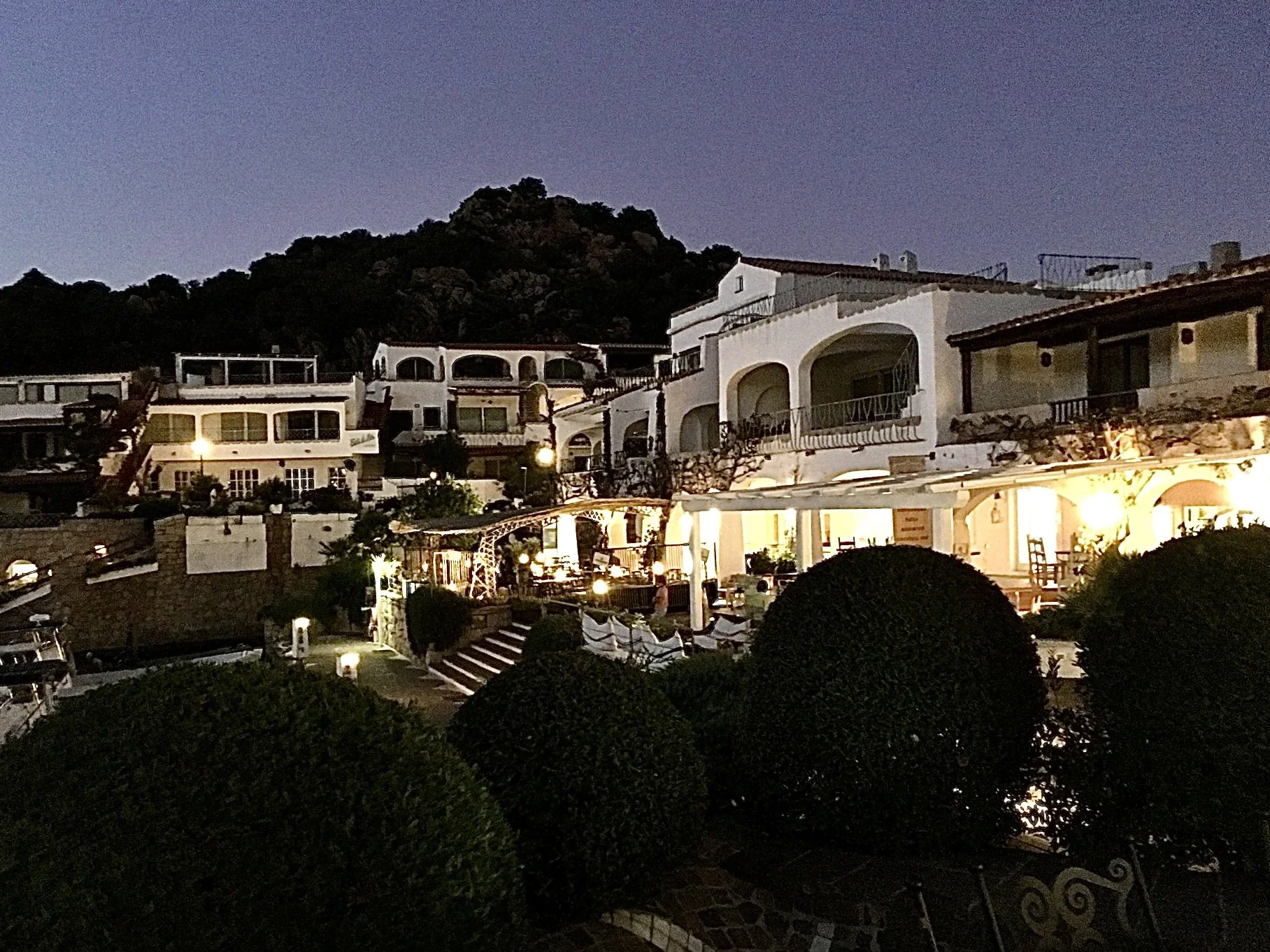
Poltu Quatu, The Hidden Port, Sardinia, Italy
Porto Vecchio
Our last stop was on the east side of Corsica at Porto Vecchio, about a 30-minute car ride from Bonifacio, the port of call before the detour to Sardinia.
Porto Vecchio a port town with an old town square, République Square, which was a short bus ride from the port. We arrived in the evening when most of the sites were closed. So mostly we wandered around the old town looking for a place to have dinner. In a few days, we would return when traveling by land to see the sites.
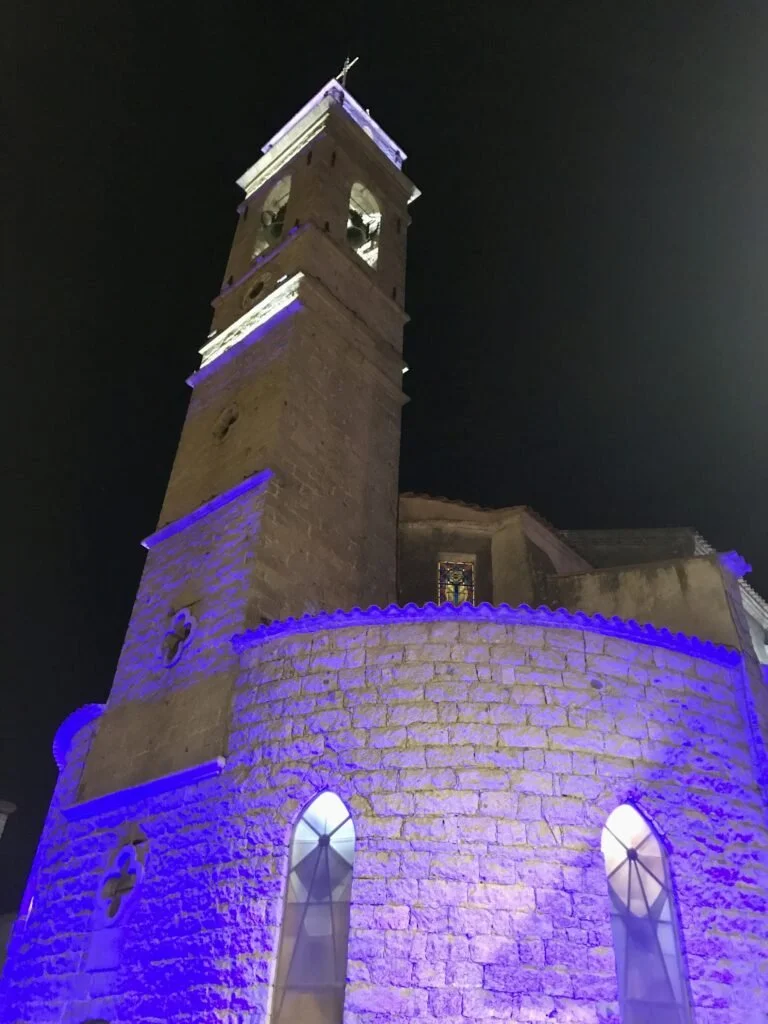
Bell Tower at Saint-Jean-Baptiste Church by night, Porto Vecchio, Corsica, France

Bell Tower at Saint-Jean-Baptiste Church by day, Porto Vecchio, Corsica, France
Saint Jean Baptiste Church is located in the center of the old town square and is named after the patron saint of Porto Vecchio. It is built on the foundations of an ancient Genoese church, and its most stunning feature is its bell tower.
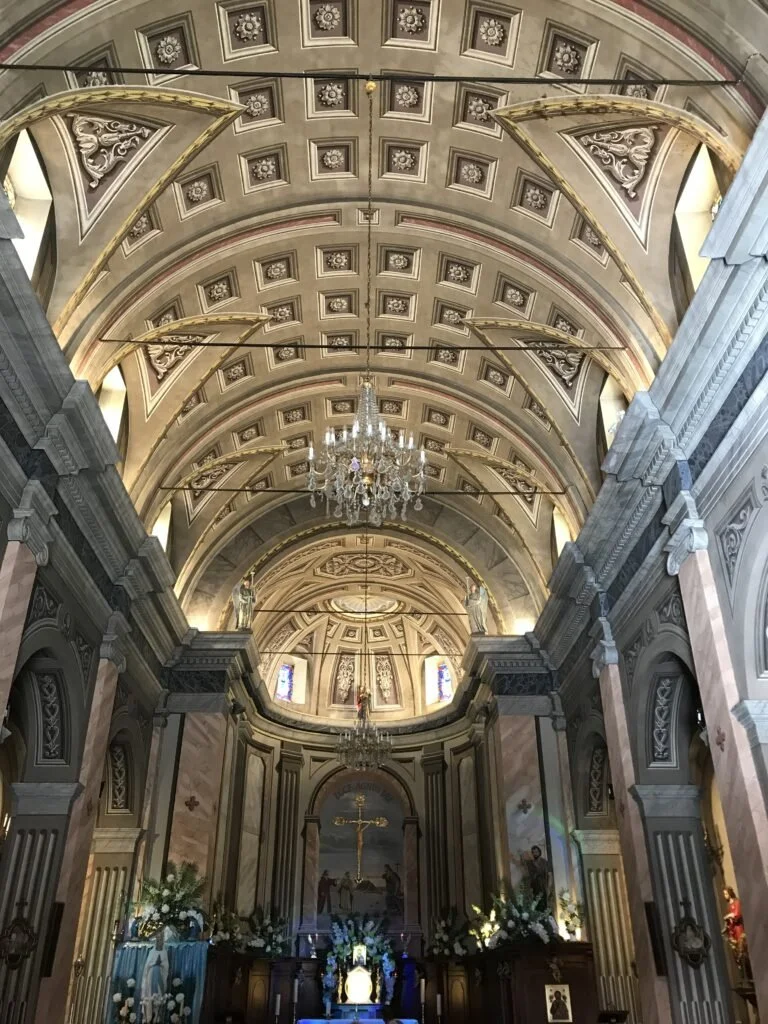
Saint Jean Baptiste Church, Porto Vecchio, Corsica, France
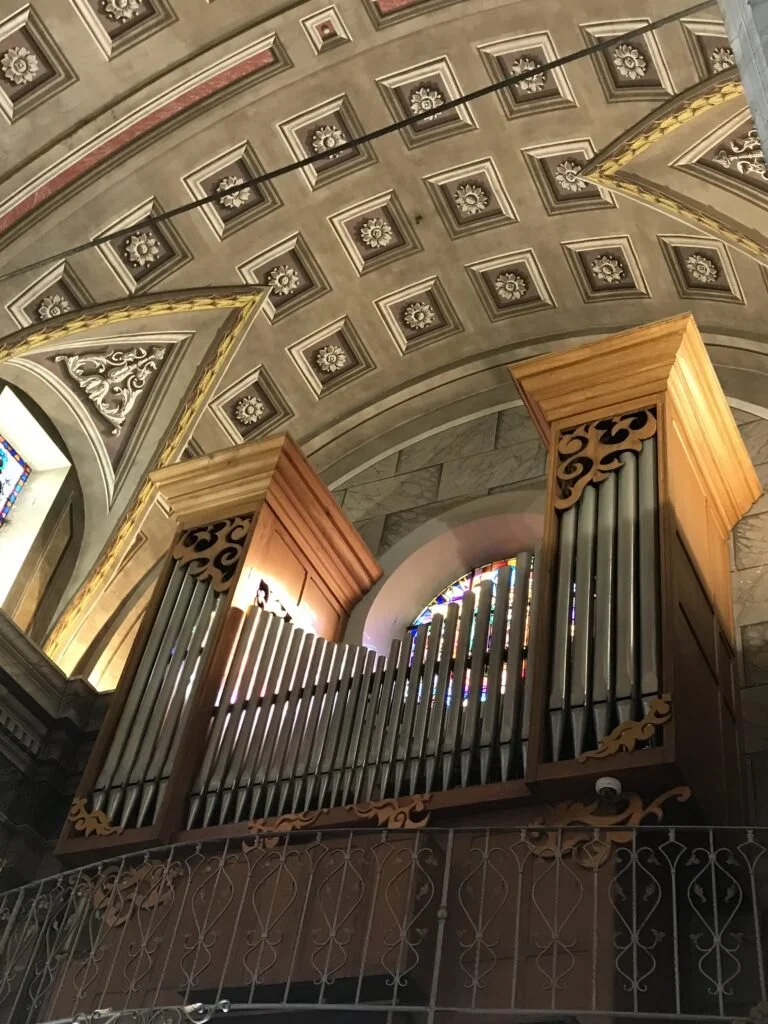
Saint Jean Baptiste Church, Porto Vecchio, Corsica, France
The Citadel of Porto Vecchio, built in 1542, provides a fortress where navigation into the port could be monitored day and night. Today it is a tourist attraction for its great views and a site for cultural events.
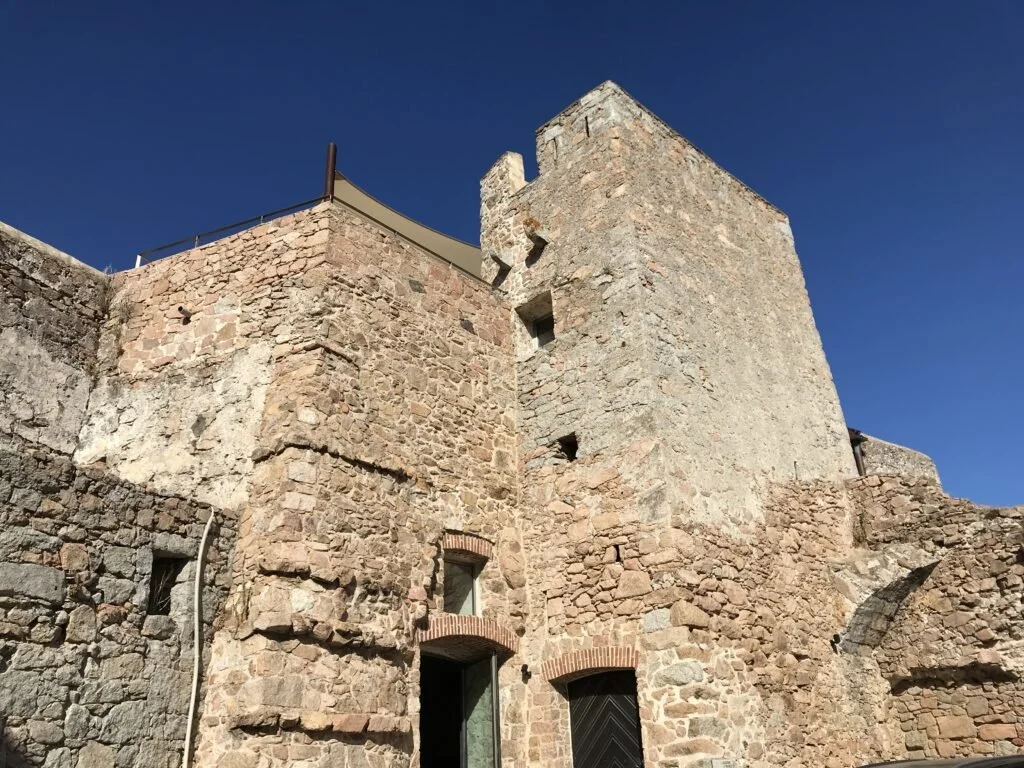
Citadel of Porto Vecchio, Corsica, France
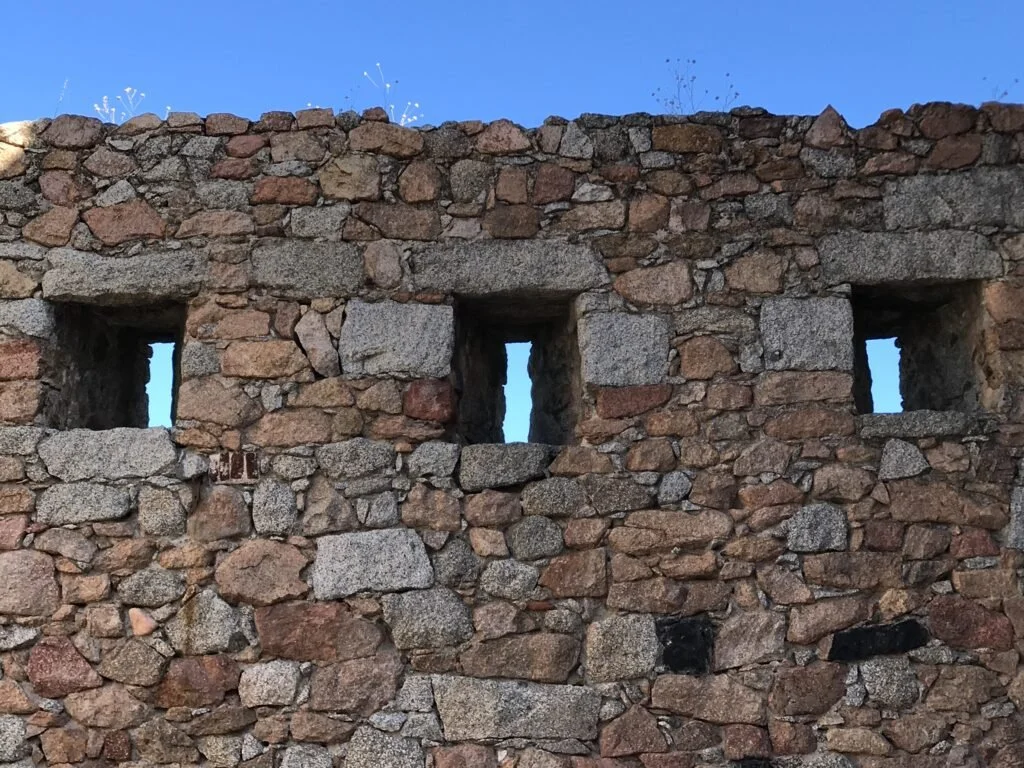
Citadel of Porto Vecchio, Corsica, France
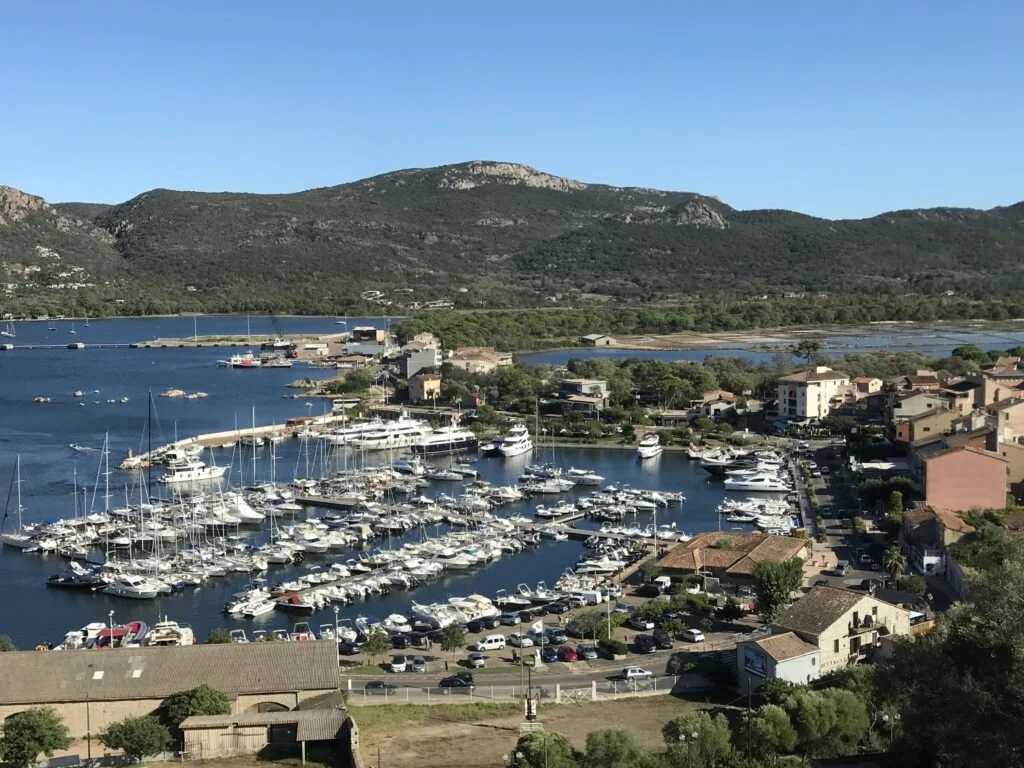
Citadel of Porto Vecchio, Corsica, France
Corsica By Land
We stayed in Bonifacio for a few extra days to see Corsica by land. The island is large and its predominantly mountain roads, so we weren’t able to travel too far in a day. This meant that we only explored the interior of the southern part of Corsica.
Traveling by land proved to be quite different in terms of perspective and culture. When traveling by sea and only visiting port towns, it’s either isolated (when at sea) or touristy (when in port). By spending a few days driving around to different places, we were able to experience the culture and people of Corsica.
Sartene
Sartene is a small town nestled in the mountains. Its history dates back to medieval times, and some granite buildings from that time still exist. The town center is known as Place de la Liberation, and on the edge of the square, there is the Sainte Marie Church with its 3-story clock tower.
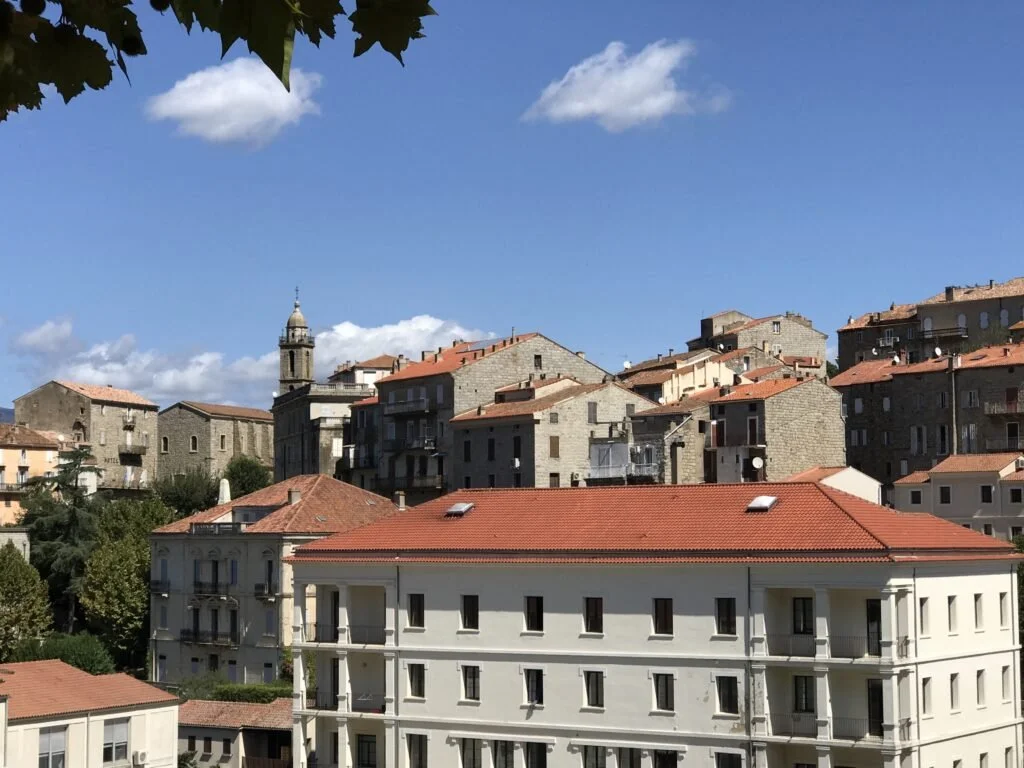
Sartene, Corsica, France
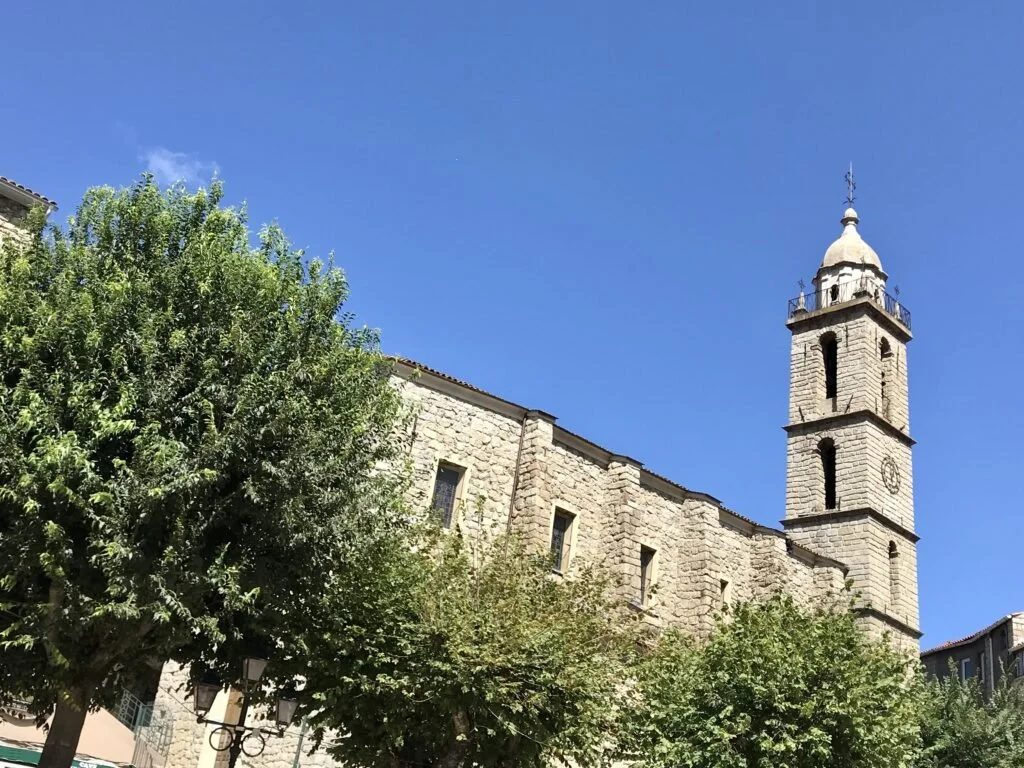
Sainte Marie Church, Corsica, France
In Sartene, we came across a bocce tournament. Streets were blocked off, as the small town made bocce courts in the middle of the road, and teams spent the day playing bocce with their friends. We had lunch amongst this energetic atmosphere, which was distinctly more Italian than French, just like the game of bocce.
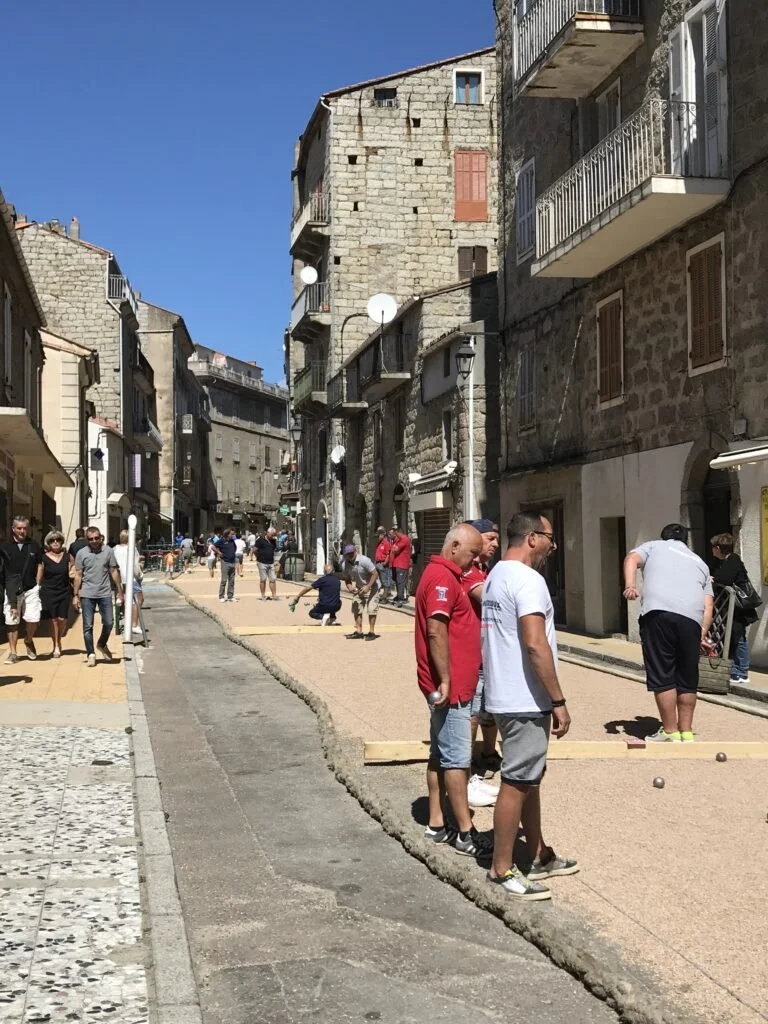
Bocce Tournament in Sartene, Corsica, France
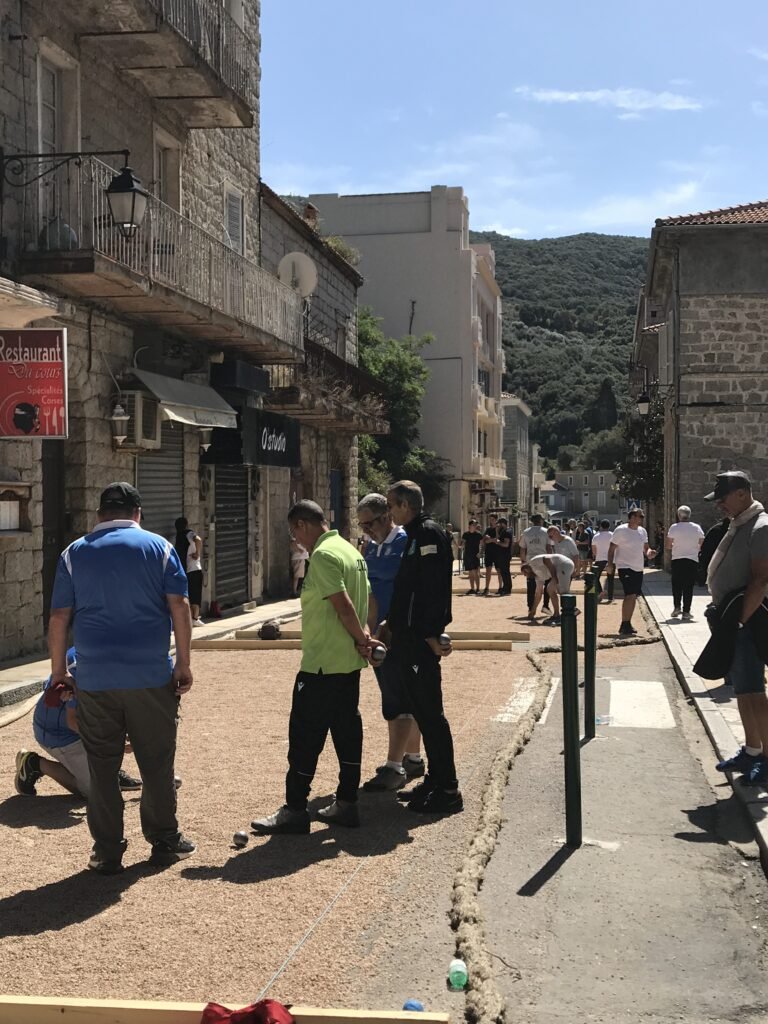
Bocce Tournament in Sartene, Corsica, France
Sainte-Lucie-de-Tallano
Sainte-Lucie-de-Tallano is a small village that sits 450 meters above sea level. Its medieval roots and original circular layout are well preserved today. However, modern conveniences, such as gas or petrol stations are blended right in with the medieval stone church, Église Sainte Lucie.
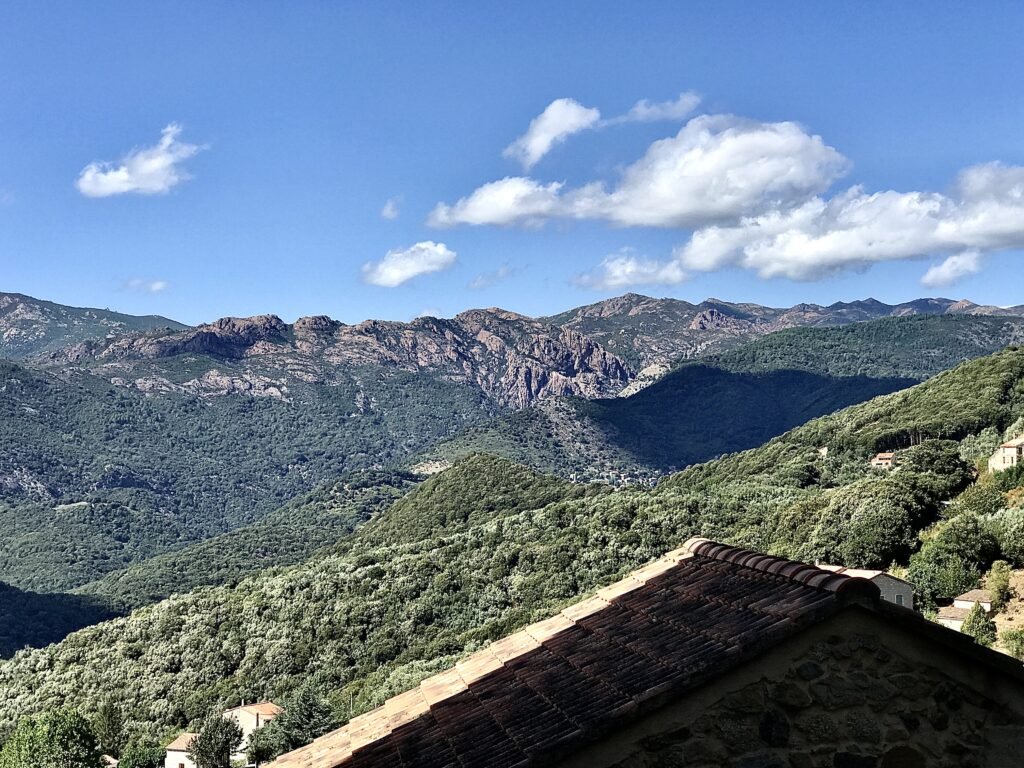
Sainte-Lucie-de-Tallano, Corsica, France
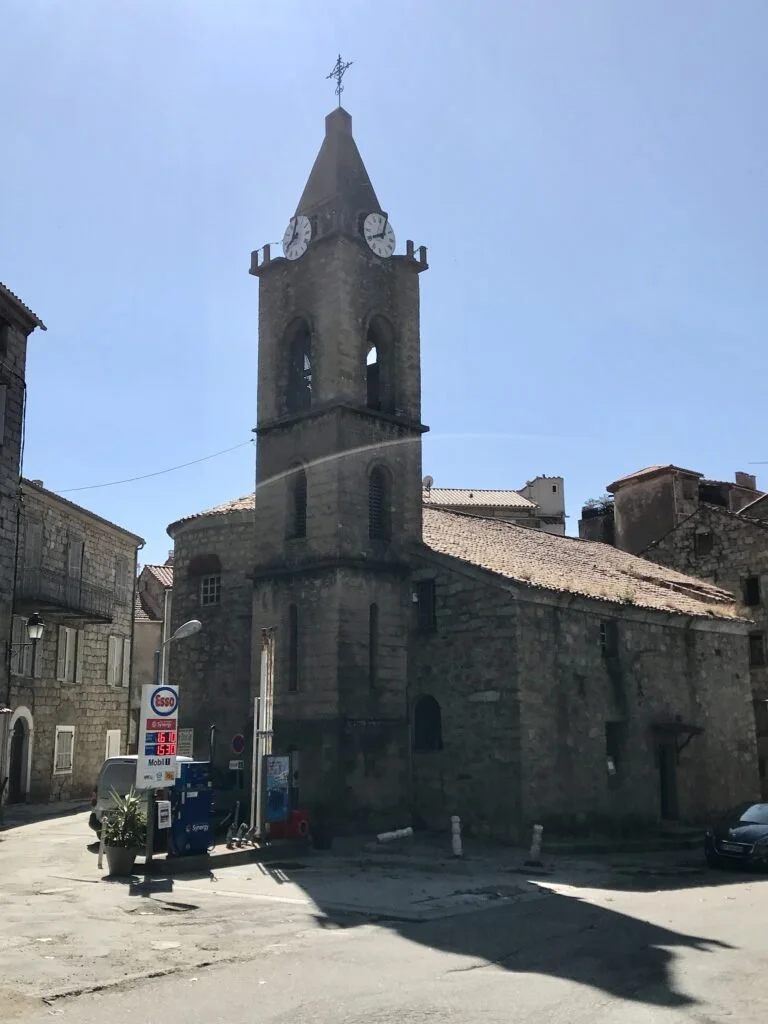
Sainte-Lucie-de-Tallano, Corsica, France
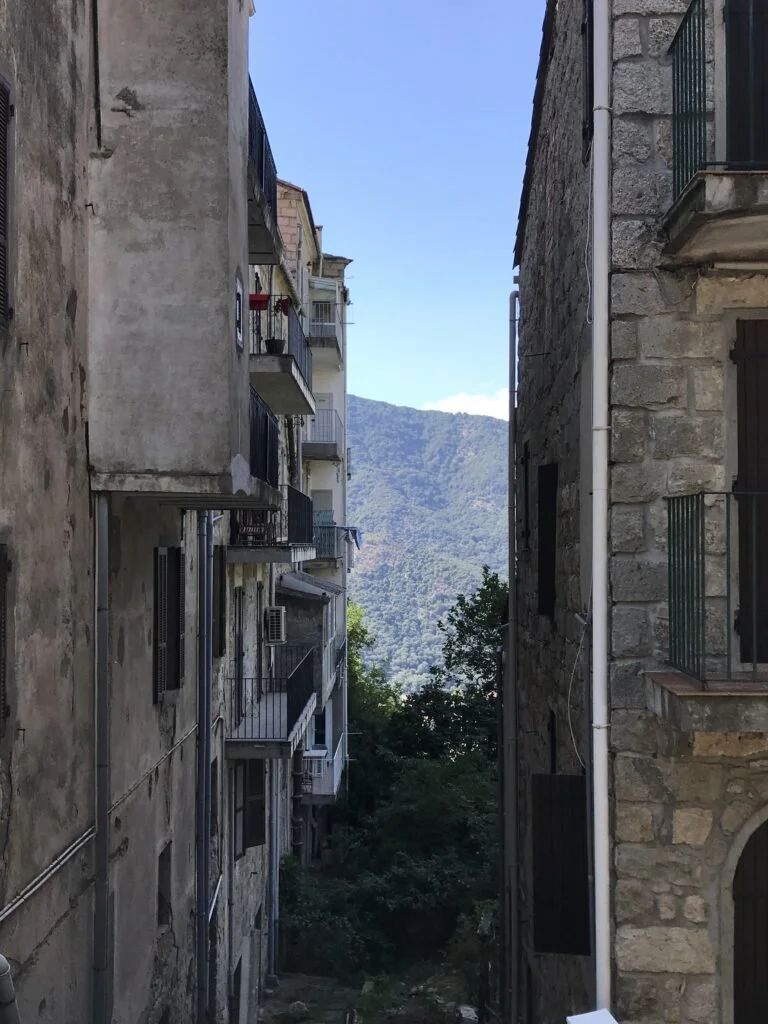
Sainte-Lucie-de-Tallano, Corsica, France
Monacia-d'Aullène
This was just a quick stop here to take a few pictures. It was marvelous to see from land where we had sailed just days before.
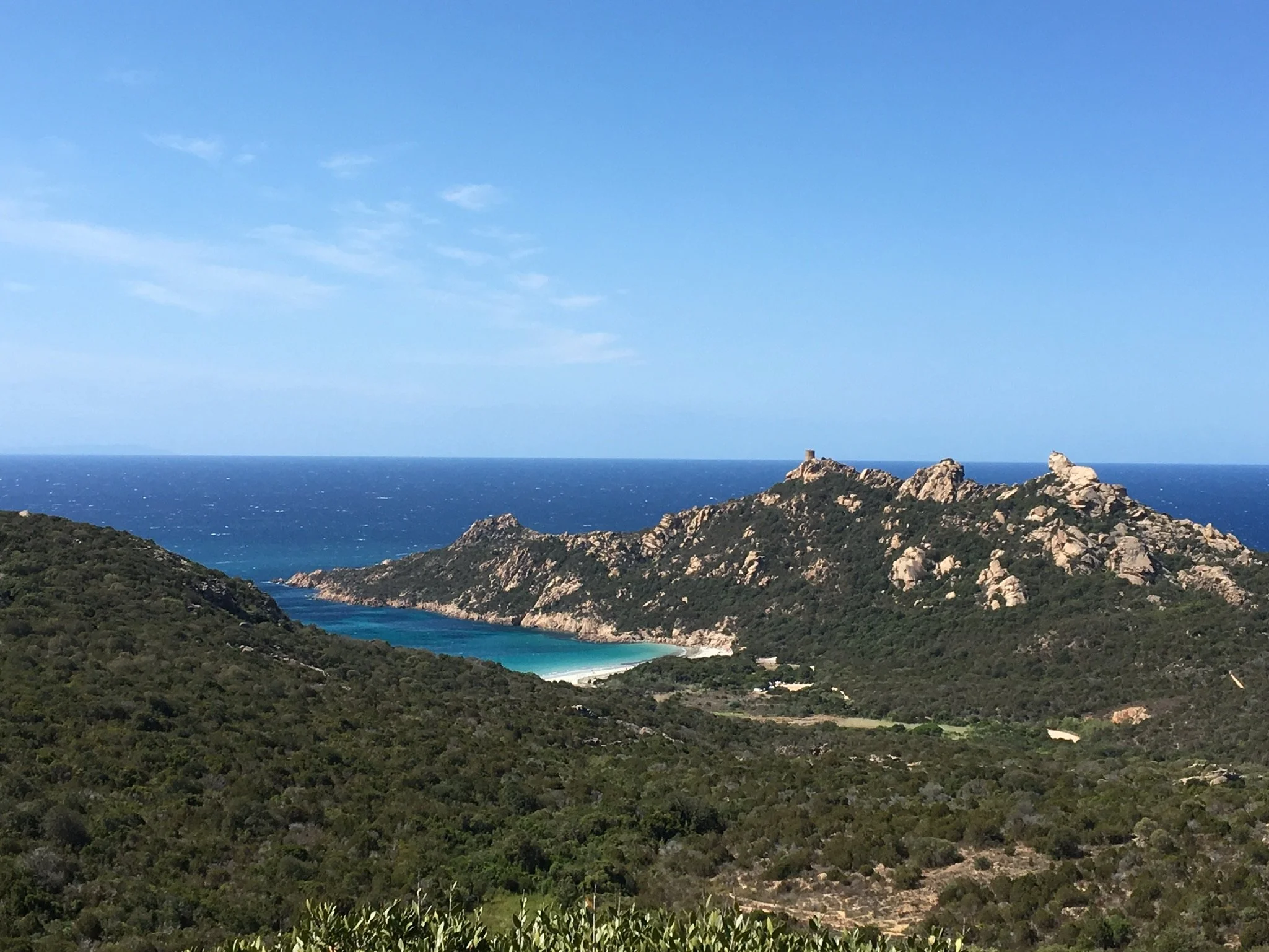
Views of the East Coast of Corsica from Monacia-d'Aullène
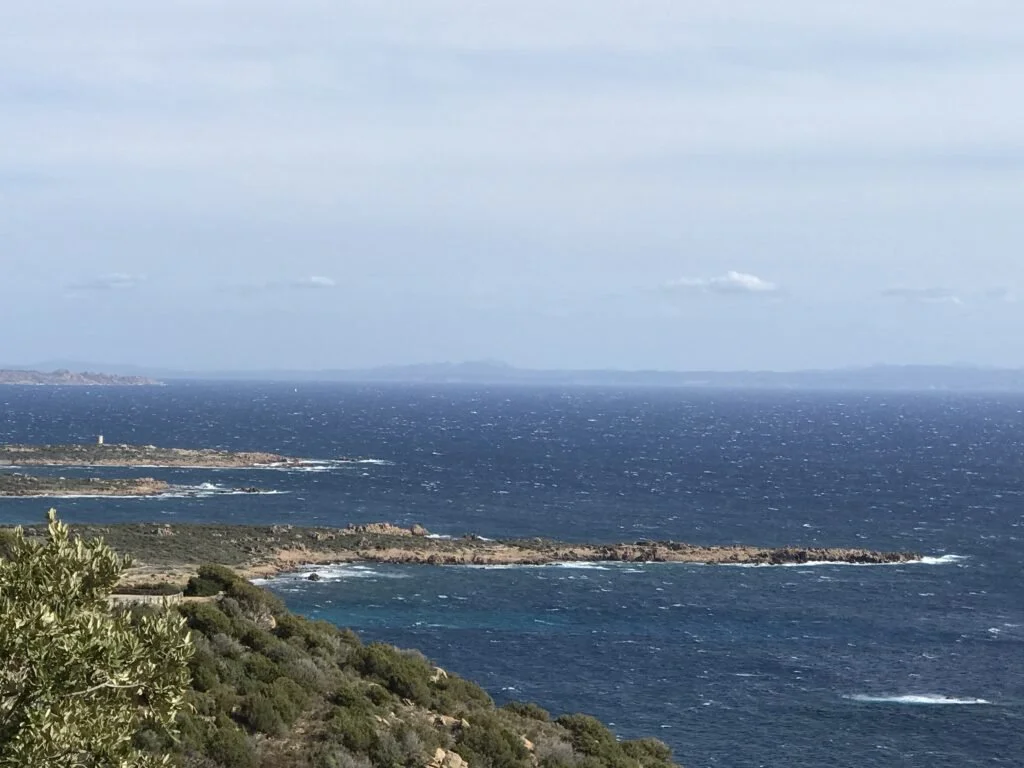
Views of the East Coast of Corsica from Monacia-d'Aullène
Zonza
Zonza is a municipality in the Barocagio-Marghese mountain chain. The village is in the mountains, but the municipality extends all the way to the east coast of the island.
In the center of the small town, there is a monument that you cannot miss. The war memorial, with a soldier atop, is dedicated to honoring the soldiers who lost their lives in World War I.
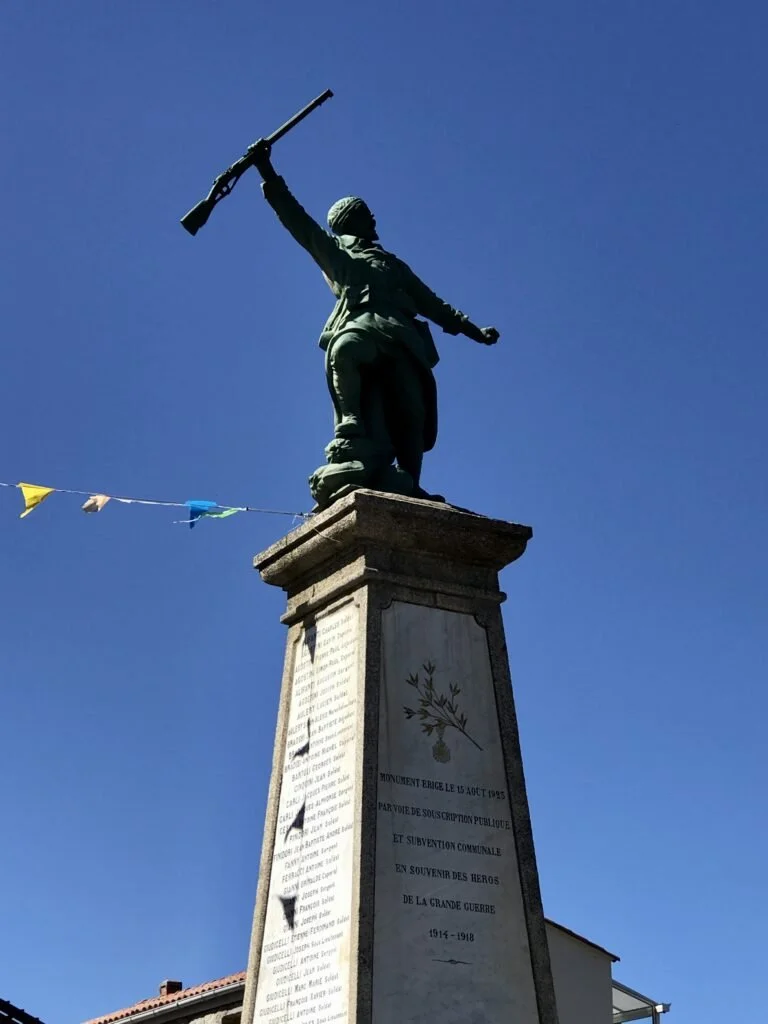
Zonza Monument, Corsica, France
We stopped in Zonza for lunch and a brief visit to the Église Paroissiale de L'assomption, translated as the Parrish Church of the Assumption.
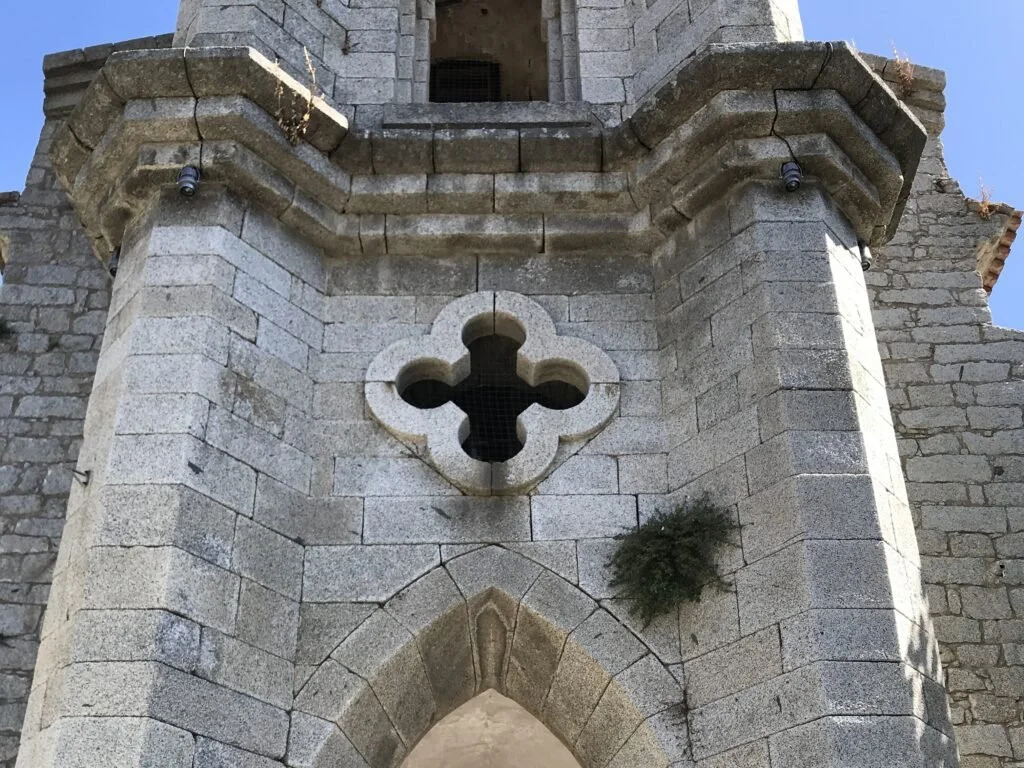
Église Paroissiale de L'assomption, Zonza, Corsica, France
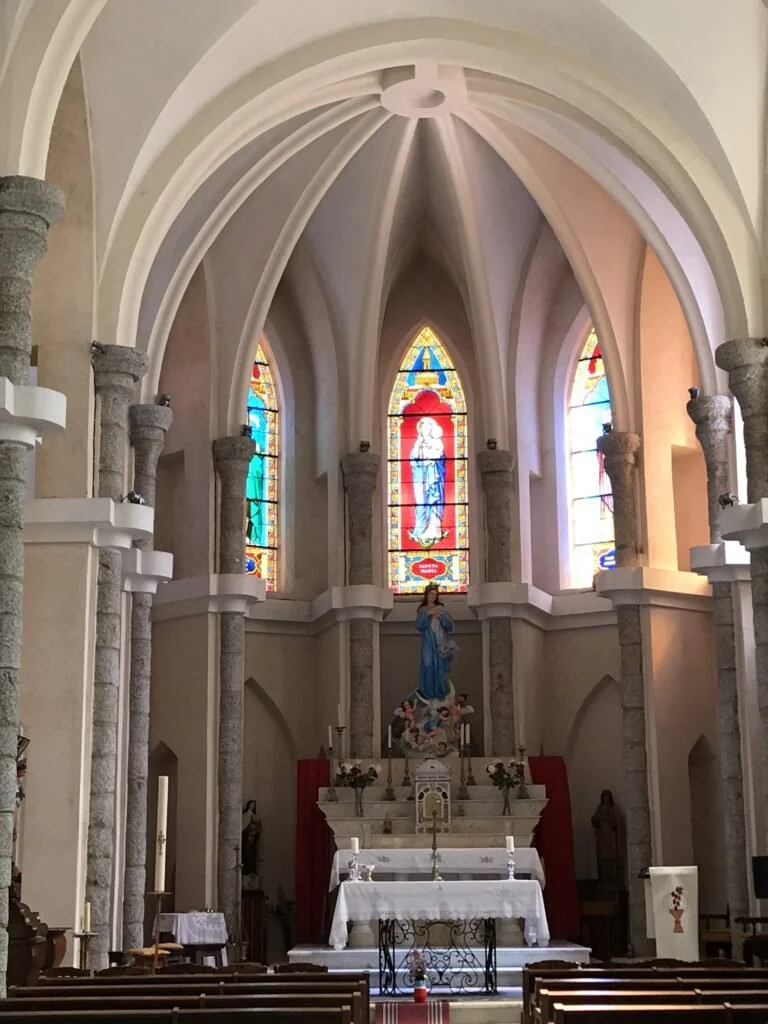
Église Paroissiale de L'assomption, Zonza, Corsica, France
The scenic drive from Zonza to Porto Vecchio warranted stops at a few picture-taking spots along the way, including the Barocagio-Marghese mountain range, Lac de l'Ospedale, a reservoir that holds the drinking water for the southeastern part of the island including Porto-Vecchio, and Wanderparkplatz, a hiking area with a view of Porto-Vecchio from a distance.
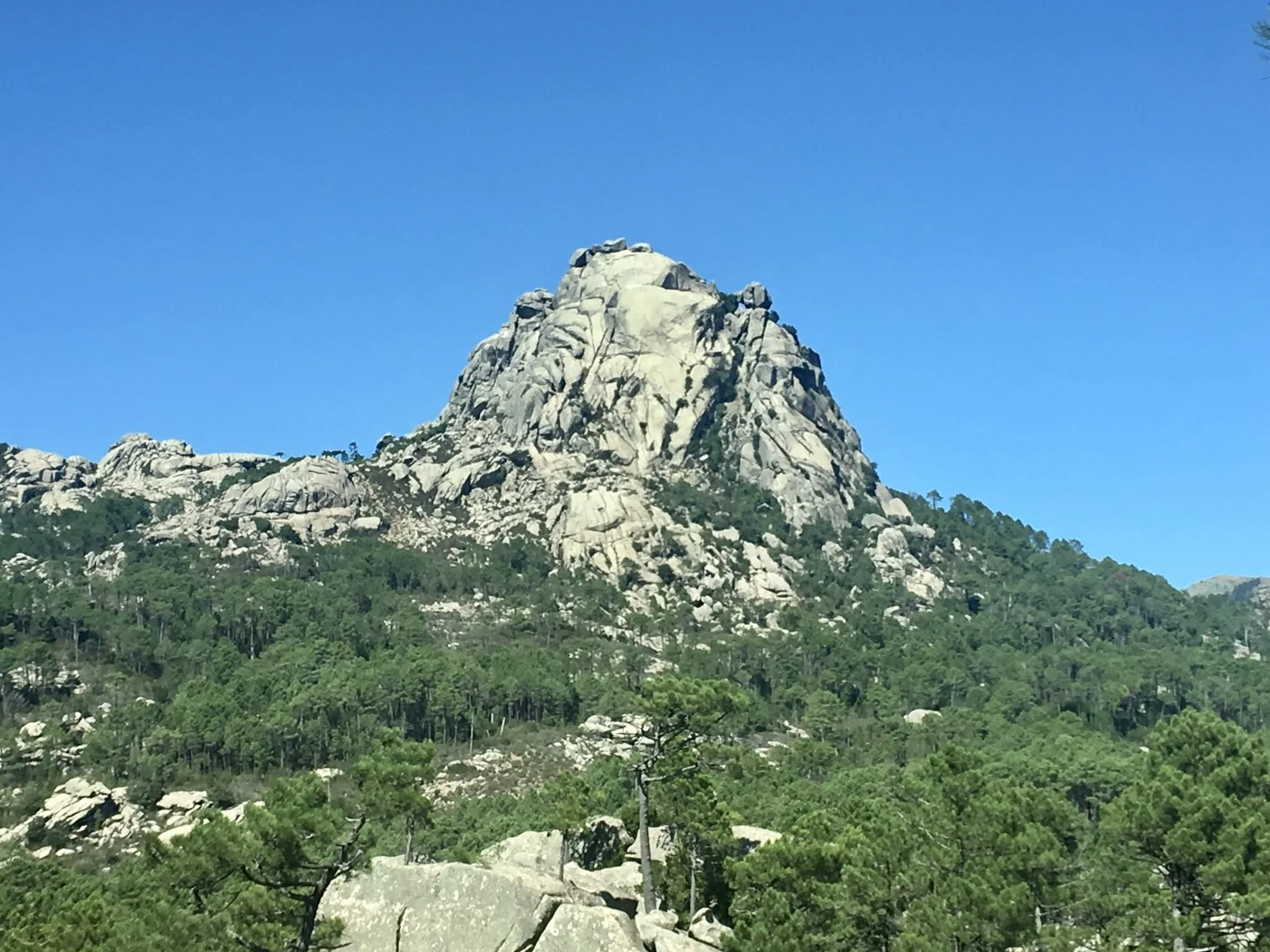
Driving through Barocagio-Marghese, Corsica, France
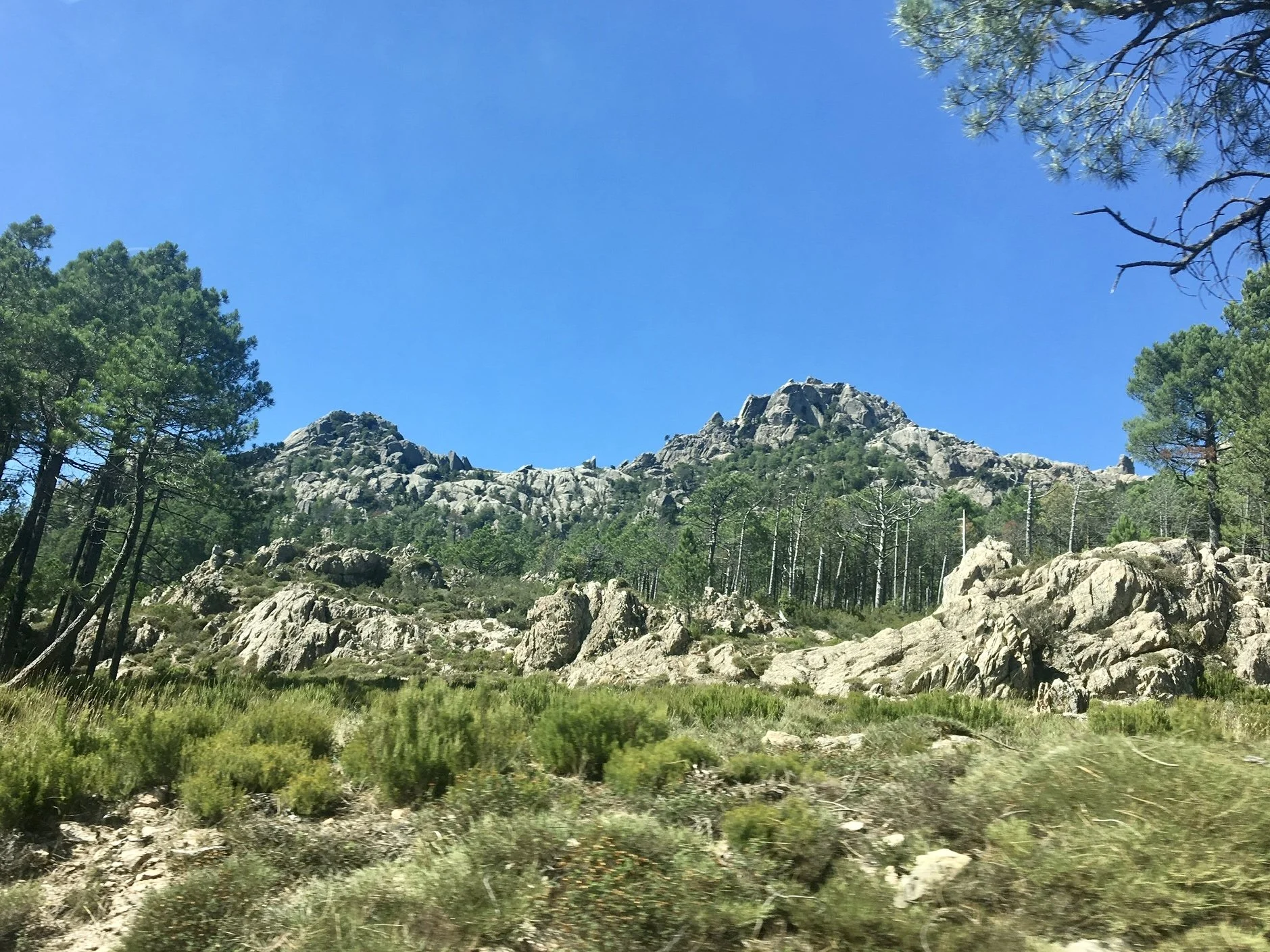
Driving through Barocagio-Marghese, Corsica, France
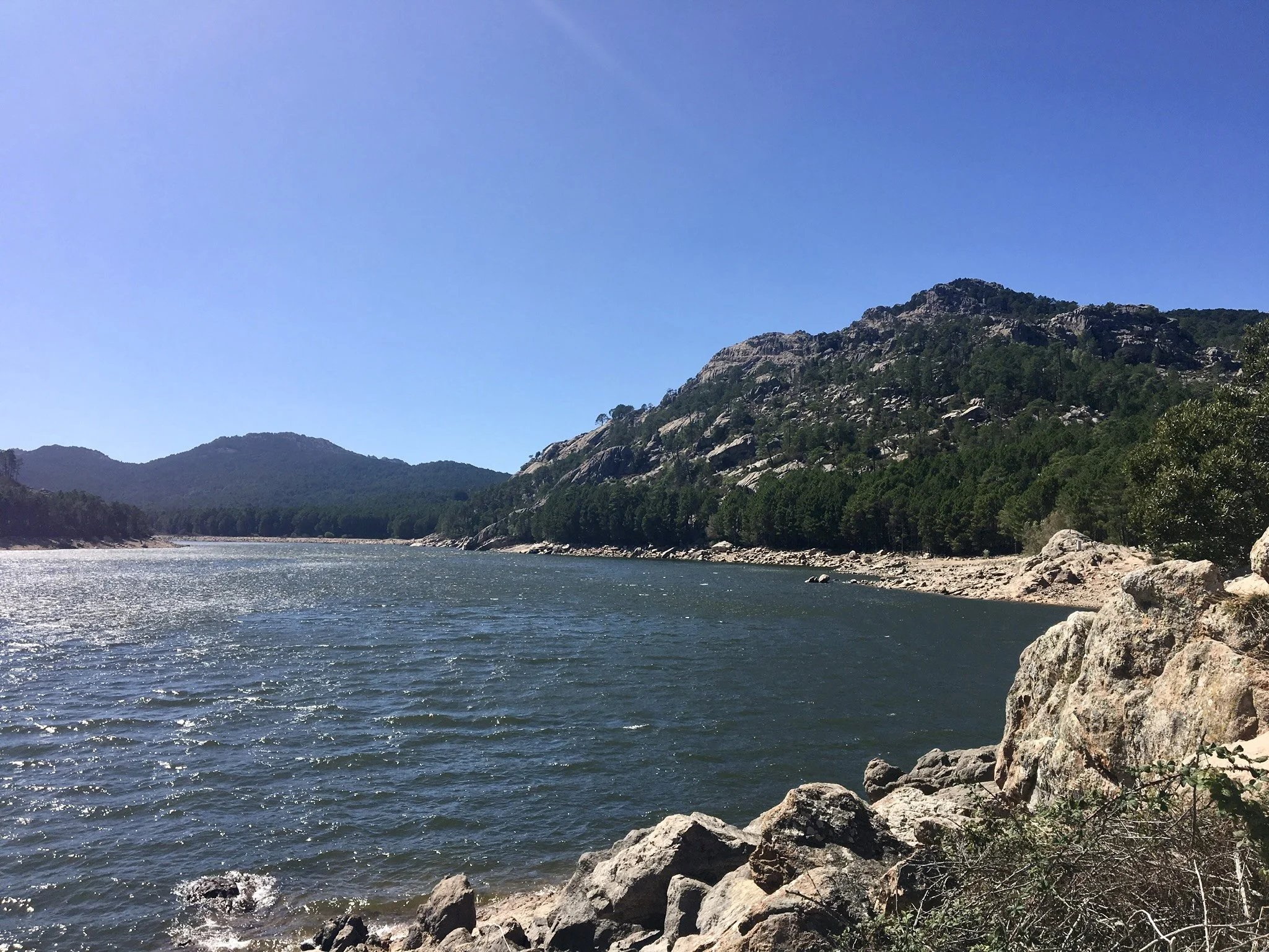
Lac de l'Ospedale, Corsica, France
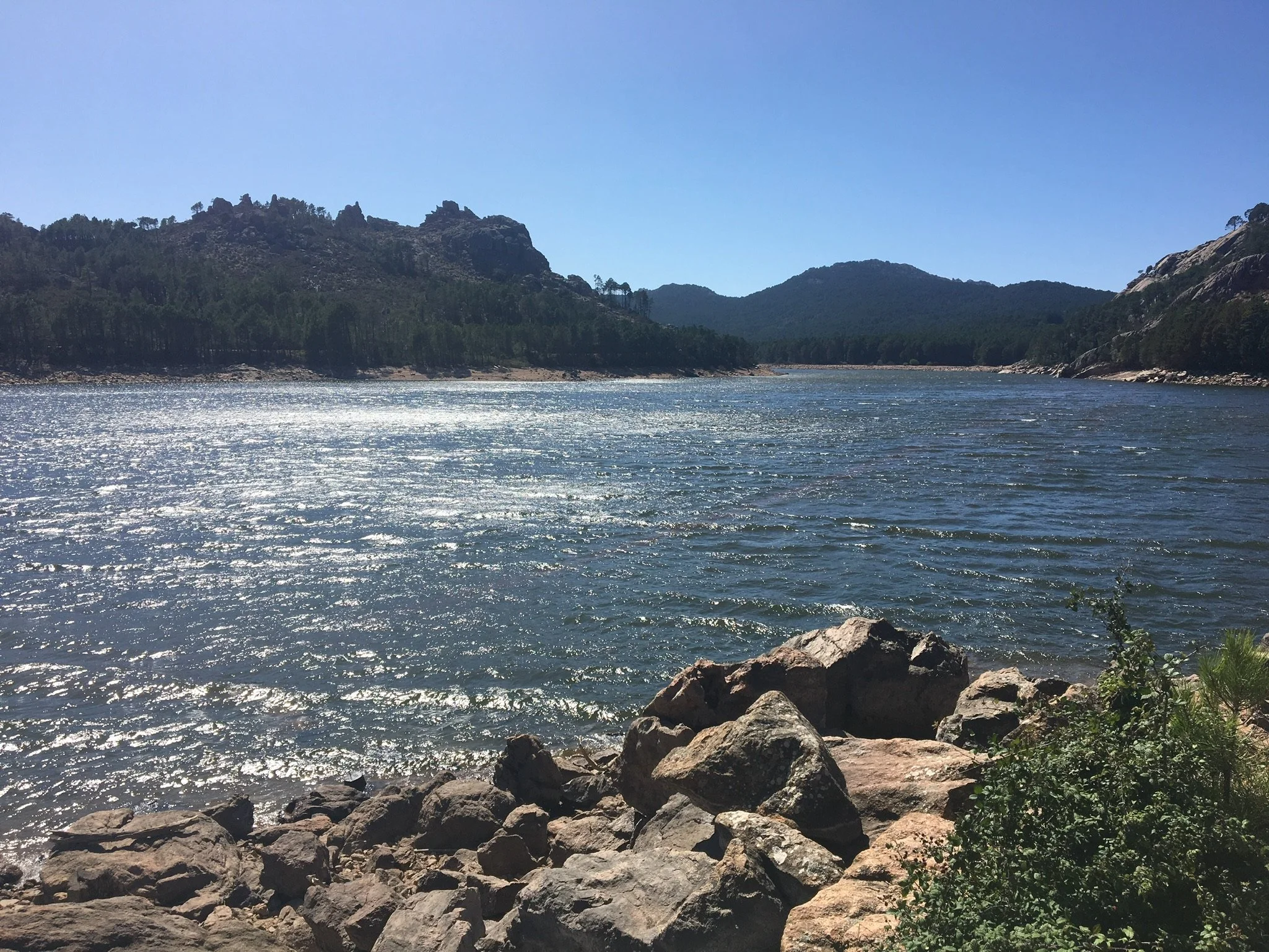
Lac de l'Ospedale, Corsica, France
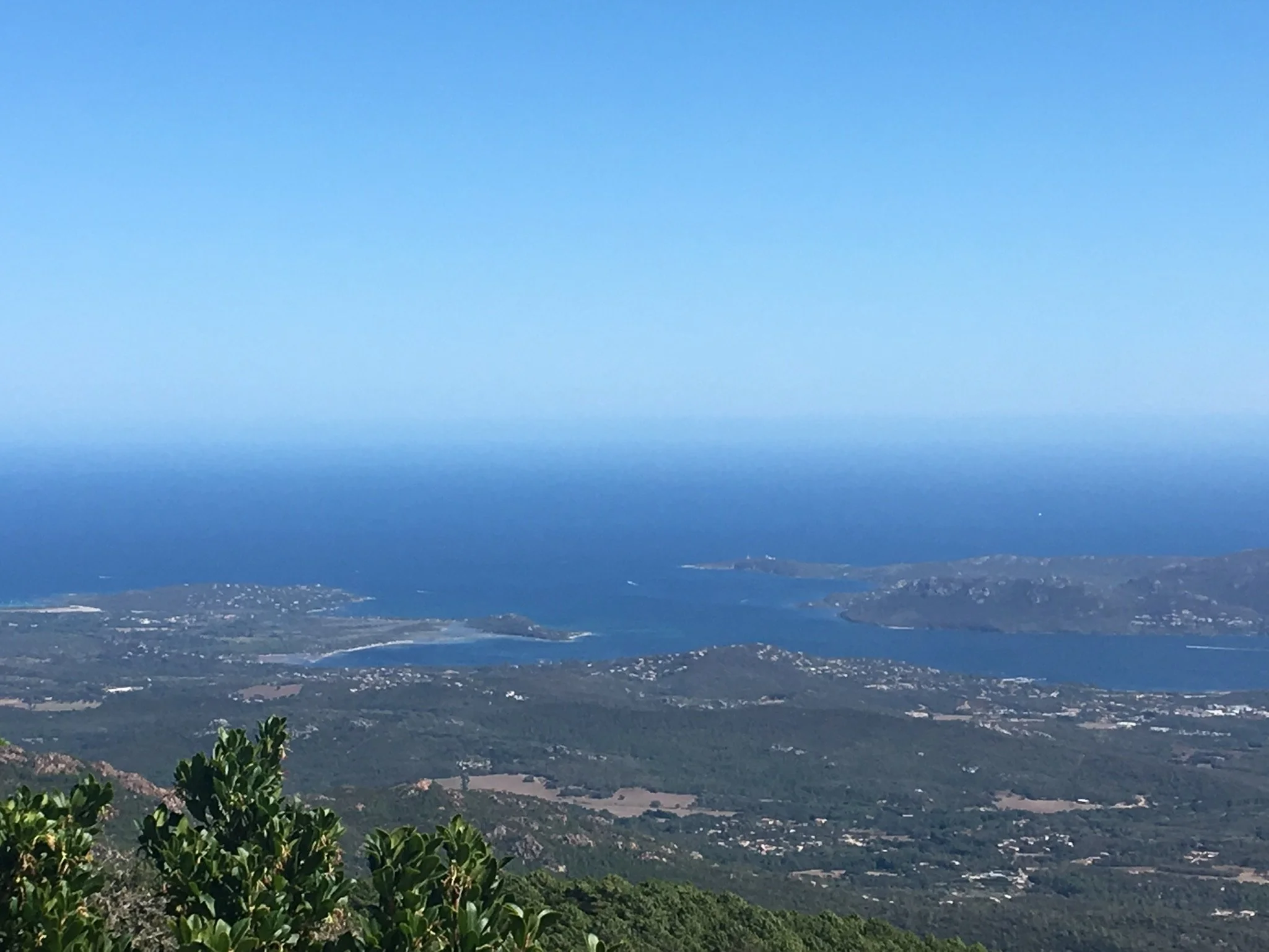
Views of Porto-Vecchio from Wanderparkplatz, Corsica, France
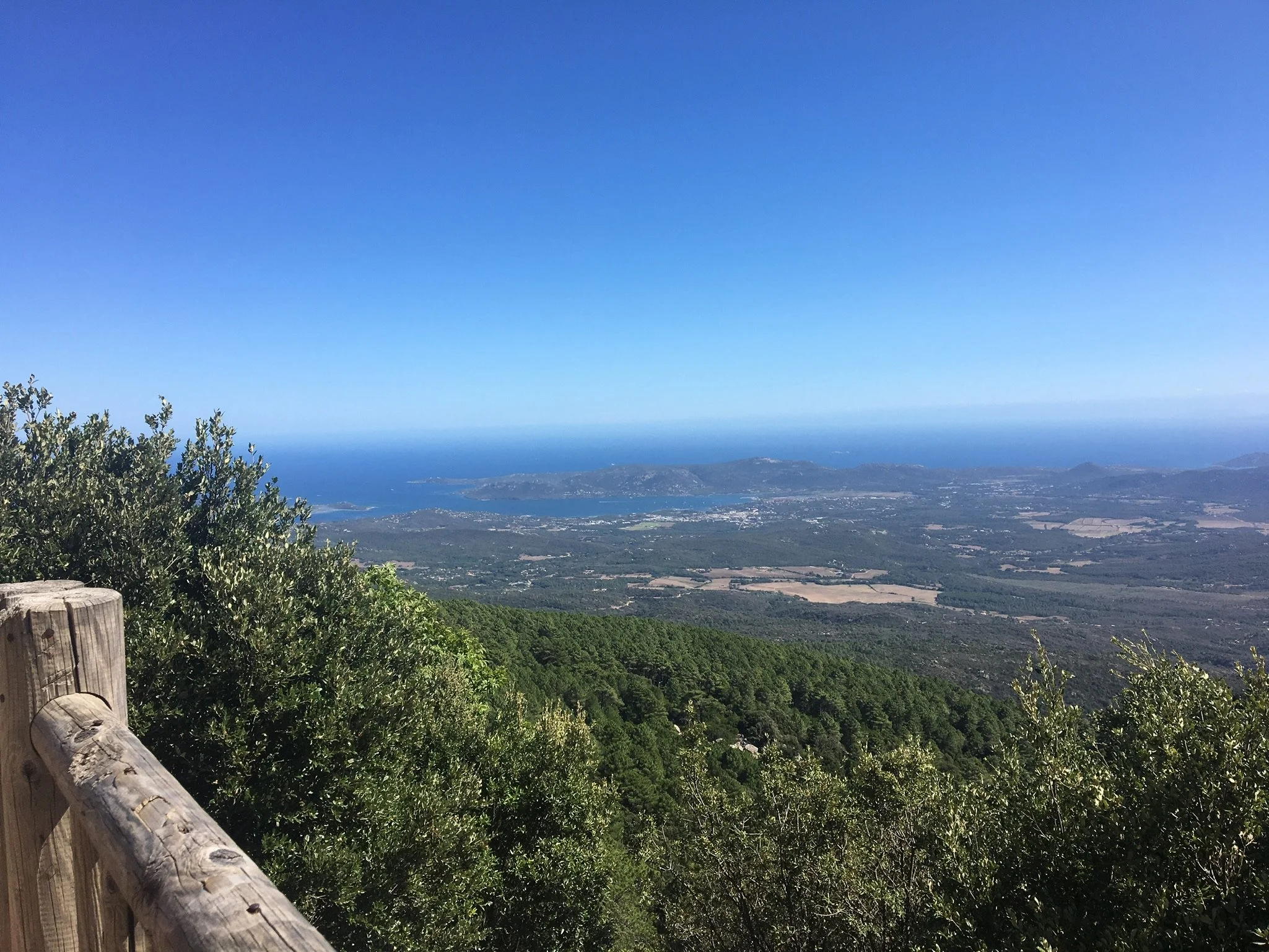
Views of Porto-Vecchio from Wanderparkplatz, Corsica, France
Lavezzi Islands
On our final day in Corsica, we hit the water again with a tour of the Lavezzi Islands on a ferry operated by SPMB from the Bonifacio port. We made a stop at one of the larger islands and had an opportunity to walk around and then settled on the beach for some relaxation and swimming before the return trip to Bonifacio.

Lavezzi Islands Tour, Corsica, France
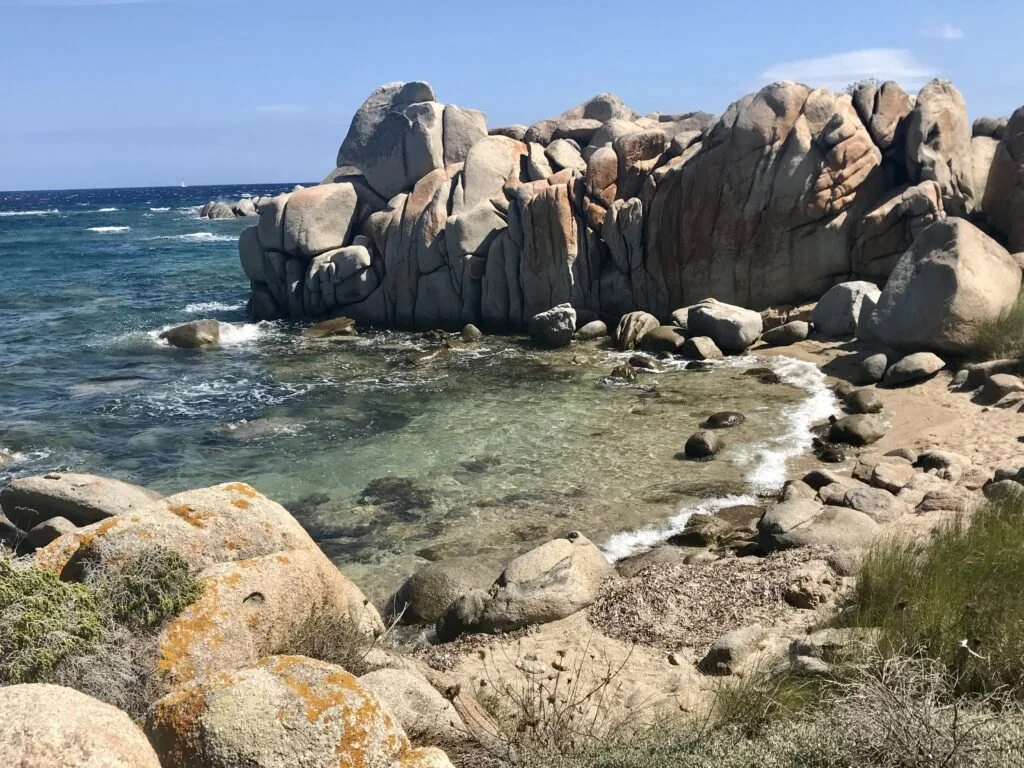
Lavezzi Islands Tour, Corsica, France
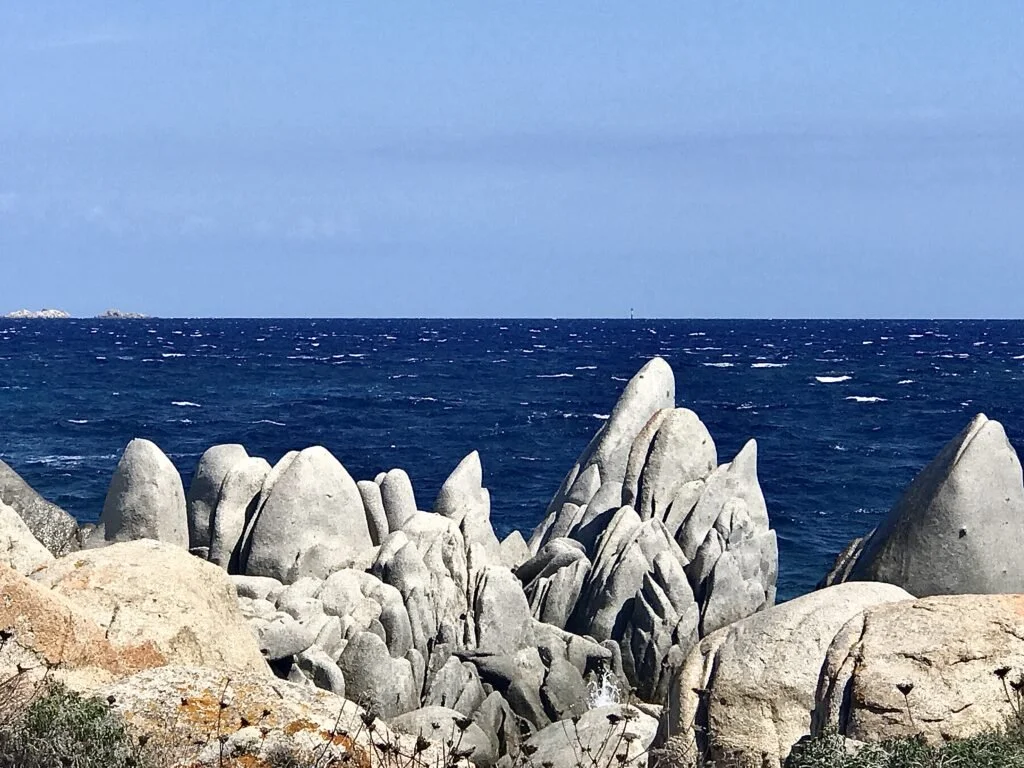
Lavezzi Islands Tour, Corsica, France
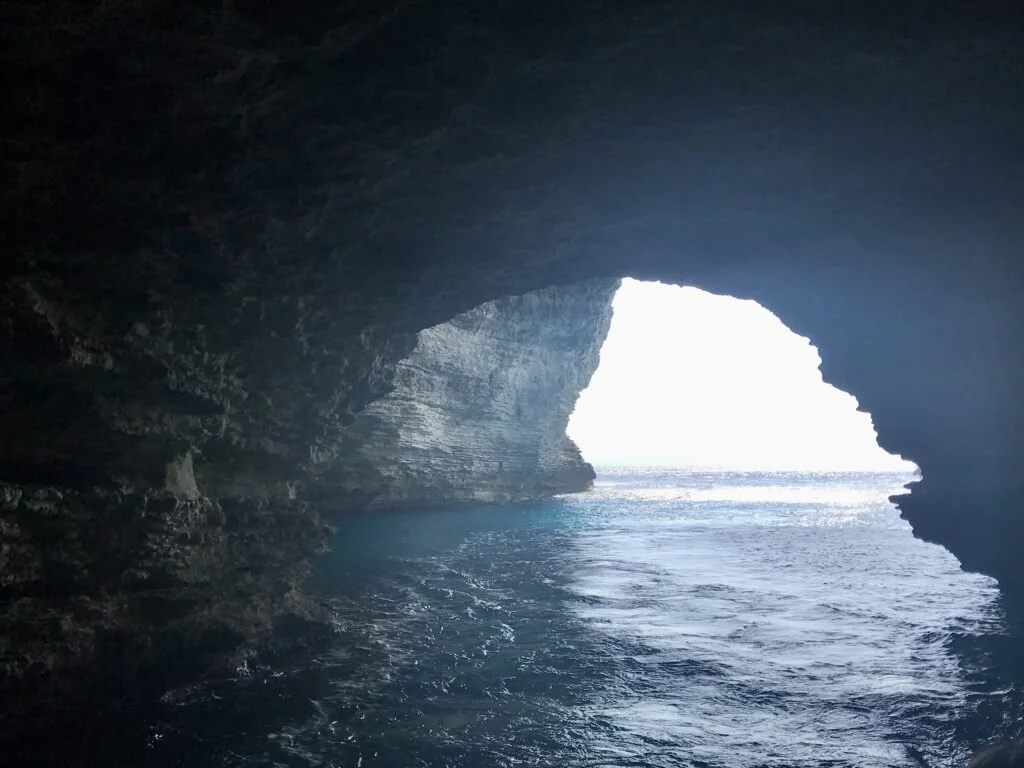
Lavezzi Islands Tour, Corsica, France
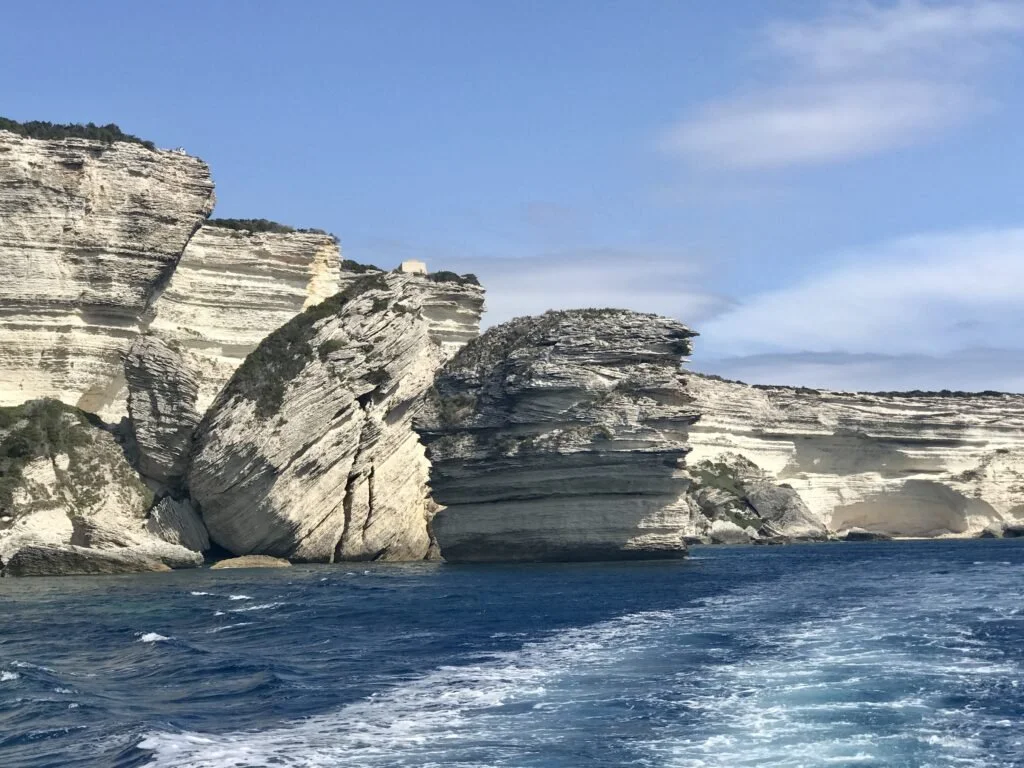
Lavezzi Islands Tour, Corsica, France
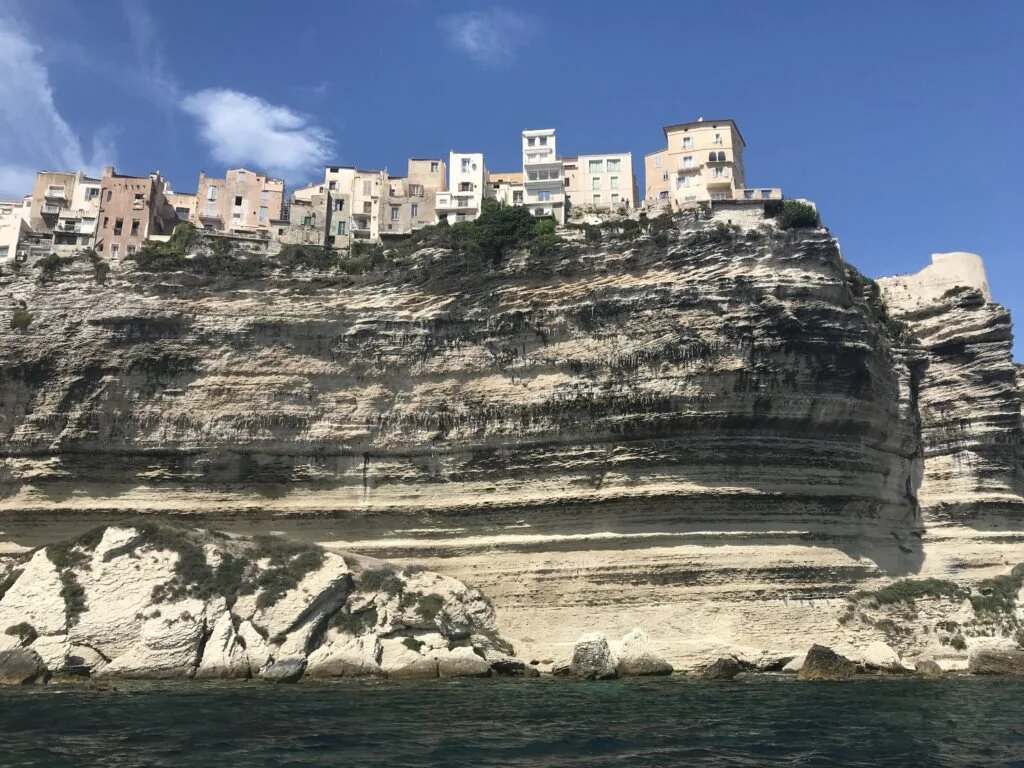
Lavezzi Islands Tour, Corsica, France
Final Sunset in Bonafacio
The sun setting on the Bonifacio cliffs on our last night was a wonderful conclusion to our Corsican getaway.
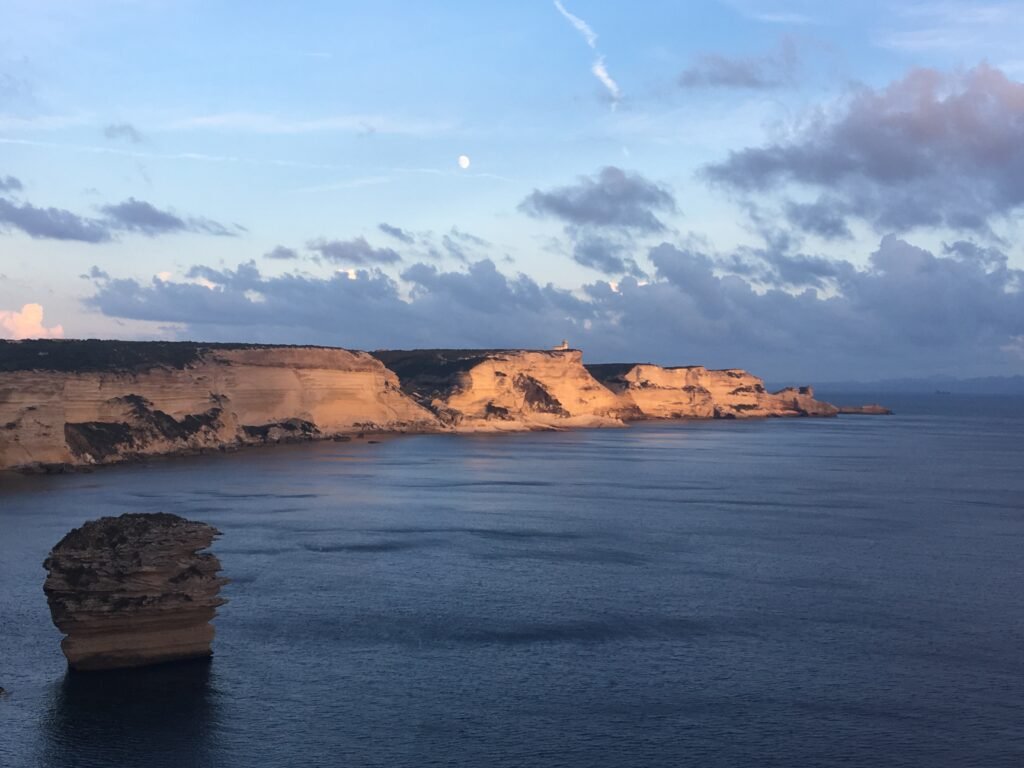
Bonifacio at Sunset, Corsica, France
💬 If you were planning a trip to Corsica, would you spend more time chasing the dramatic coastal views or delving into the island’s interior?