
🤿 The Vertical Landscape: Diving the Pitons of St. Lucia from Anse Chastanet
There are few places in the world where the transition from land to sea is as dramatic as Soufrière in St. Lucia. Staying at Anse Chastanet, you are essentially on the side of a tropical volcano, and the diving reflects that verticality. While the Caribbean doesn't always offer the sheer volume of marine life as the Indo-Pacific, St. Lucia provides a clean, healthy, and incredibly scenic underwater experience characterized by dramatic topography and hidden macro gems.
Living on the Reef: The Anse Chastanet Experience
Staying at Anse Chastanet and diving with Scuba St. Lucia, the onsite PADI 5-Star Operator, is a dive-centric experience by design. The resort is nestled in the jungle, and its proximity to the Soufrière Marine Management Area means that boat rides are typically short, often under ten minutes, and the shore diving is world-class.
The diving here allows you to focus on the complete environment above and under the water. After a morning dive, you’re back on the beach for lunch with the Pitons looming overhead. It’s a seamless way to dive, especially when the house reef (Anse Chastanet Reef) is right at your feet, featuring a shallow plateau that drops into a vibrant 60-foot slope.
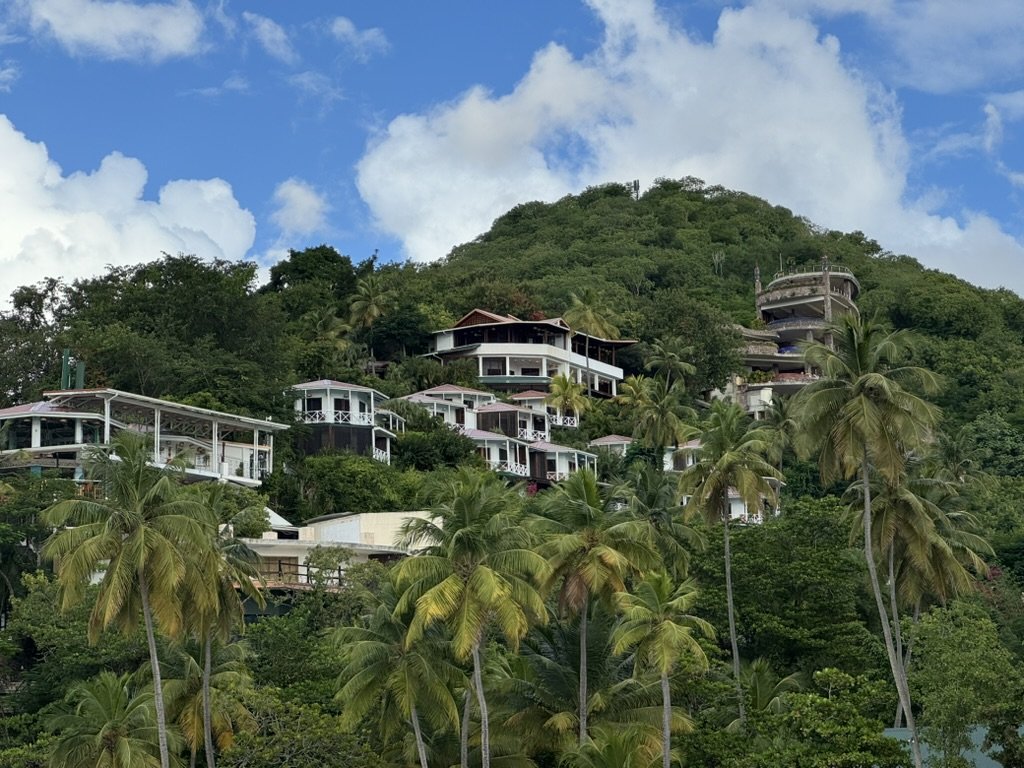
Anse Chastanet, St. Lucia
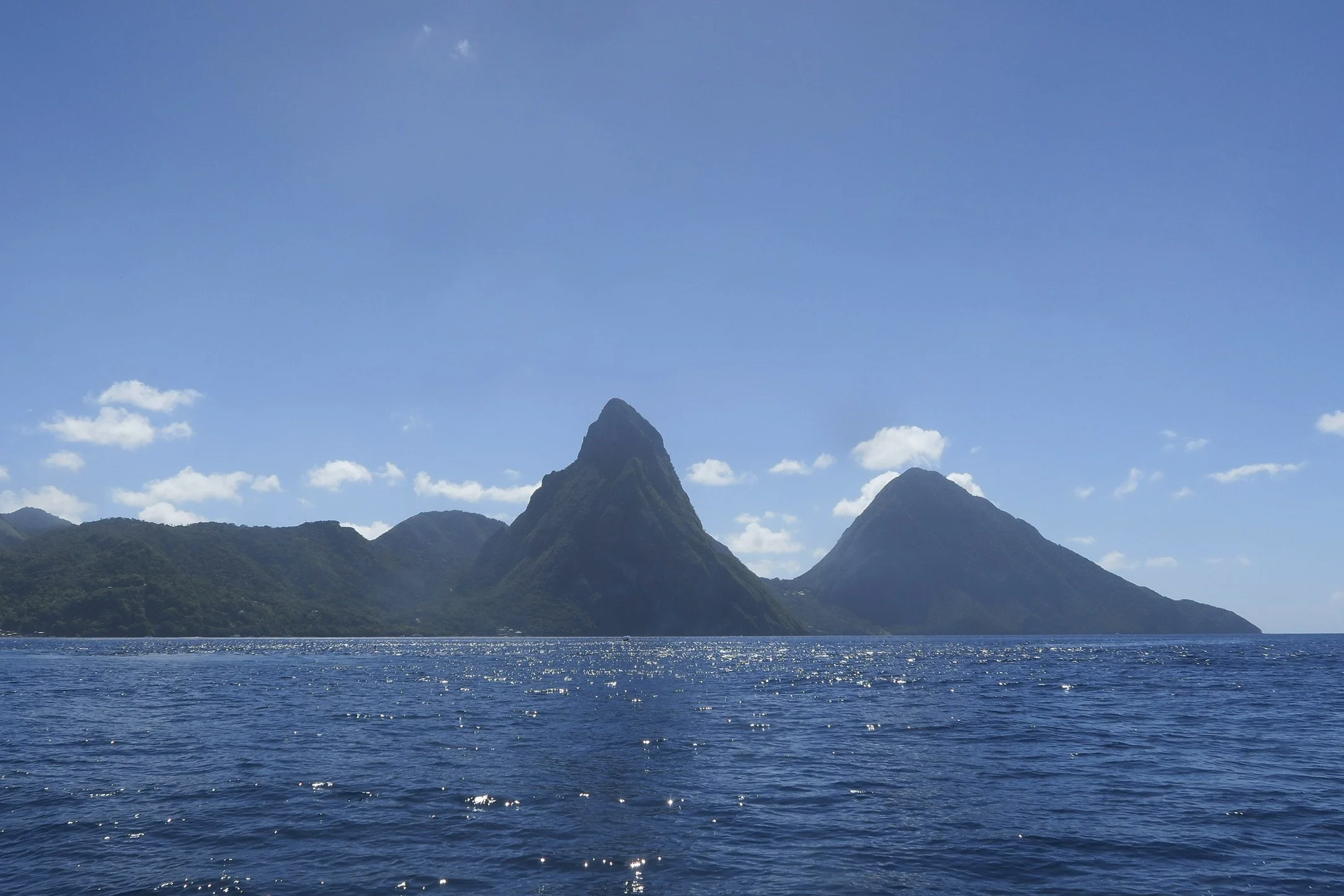
The Pitons from the Water, St. Lucia
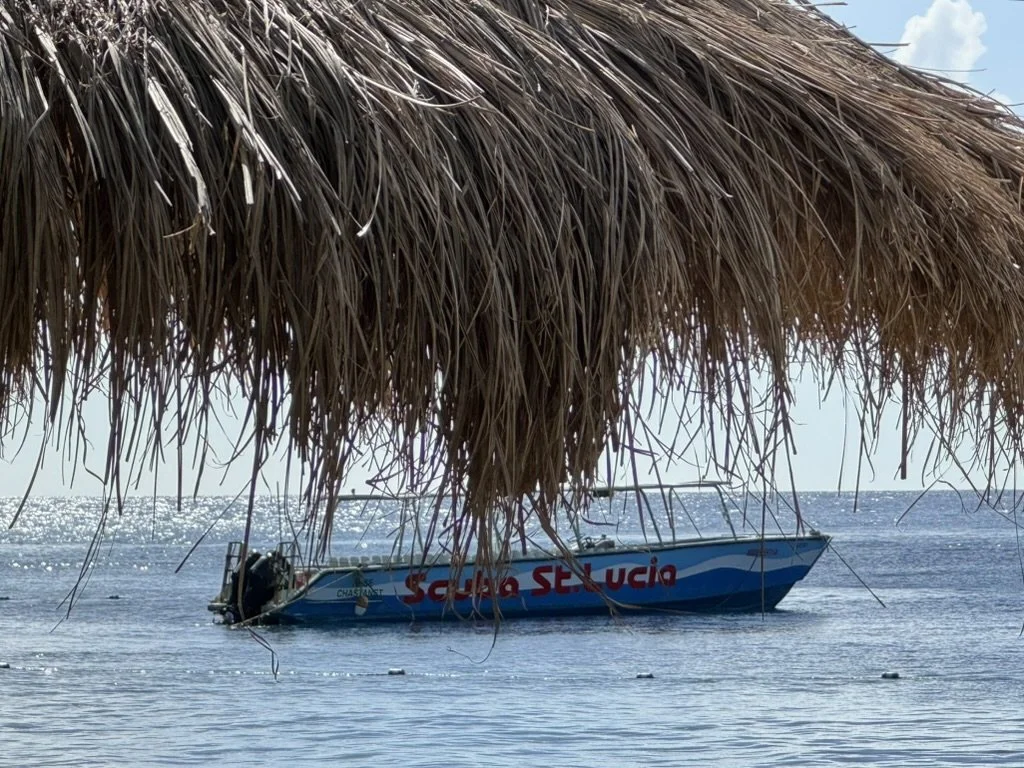
Scuba St. Lucia Dive Boat, St. Lucia
Dramatic Topography: From Spires to Wrecks
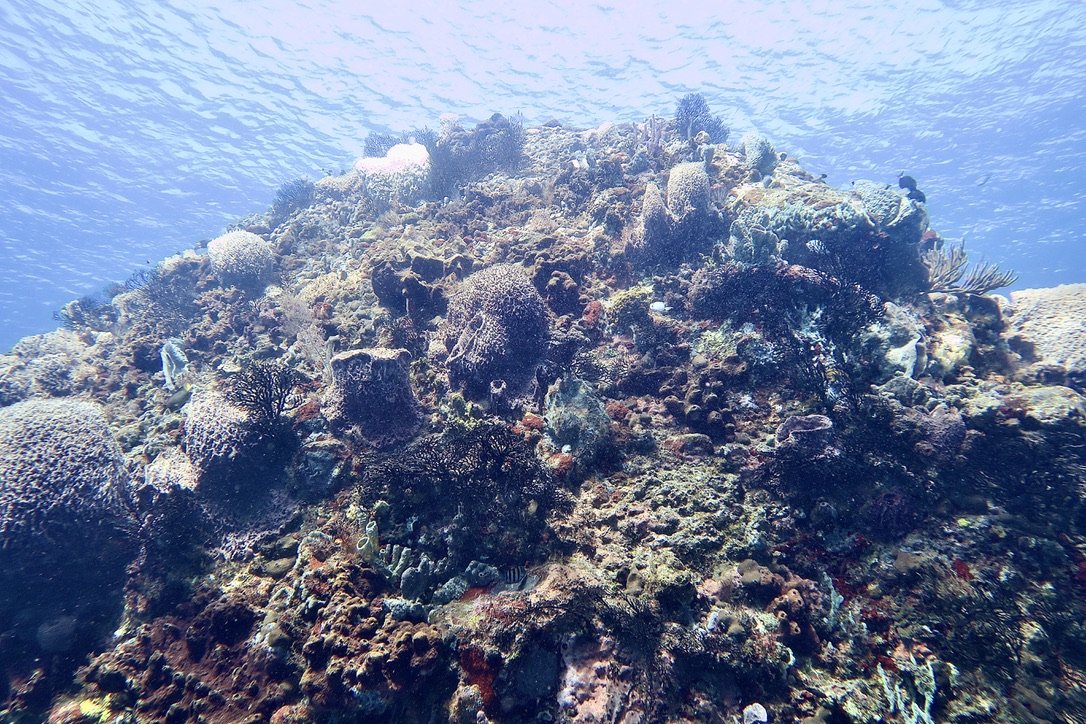
The underwater "view" is the star of the show here. The volcanic origins of the island have created a landscape of steep walls and jagged rock formations. The absence of silt and the health of the hard and soft corals make for a very "pure" diving environment.
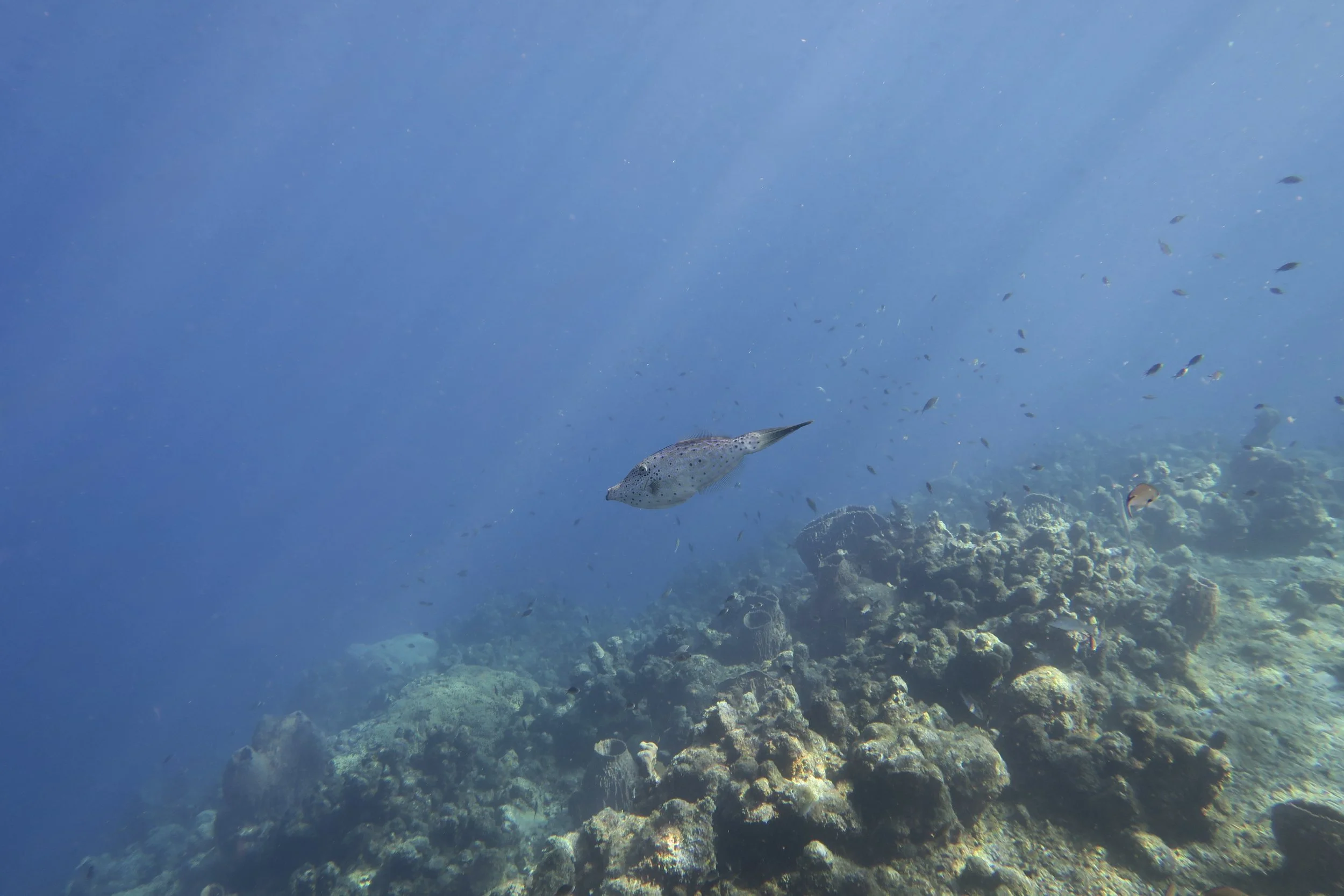
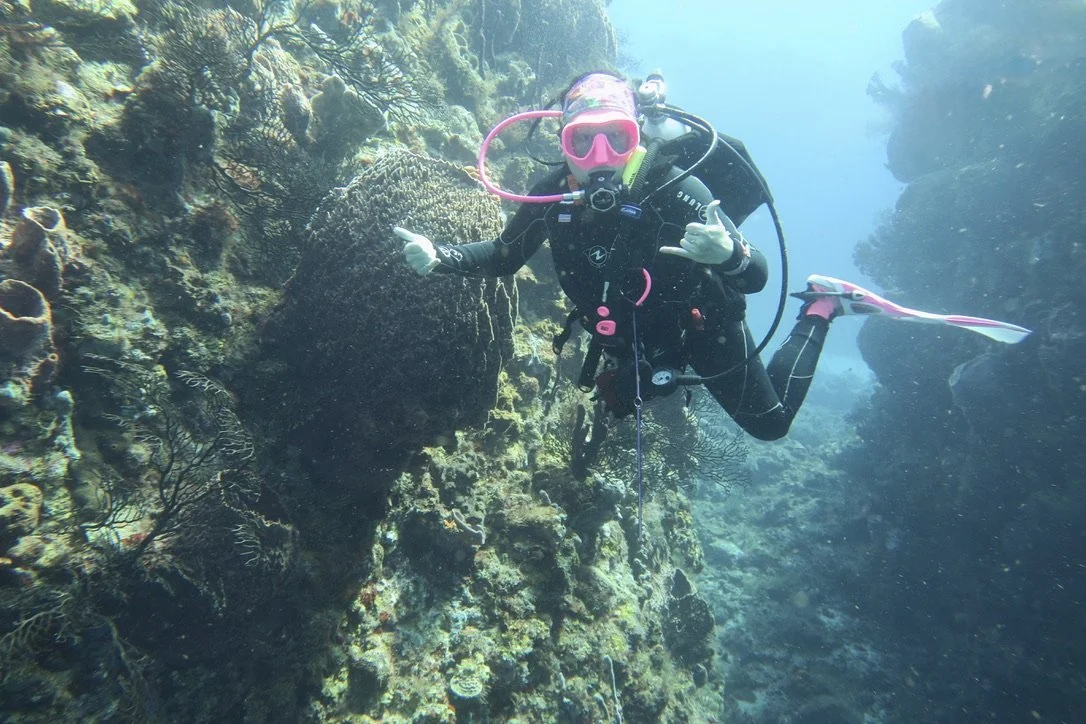
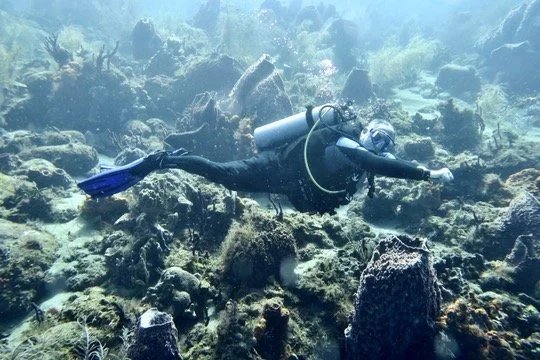
We spent four days diving, two dives a day. Here are the highlights from the eight sites that we dove:
Anse Chastanet: We kicked things off at the famous Anse Chastanet reef, with a mandatory checkout dive yards from the shore. The resort’s namesake house reef is easily one of the most convenient and healthy sites on the island. It features a shallow plateau that drops into a vibrant slope. It’s an ideal spot to slow down and hunt for smaller reef fish and invertebrates in the coral heads.
Anse Cochon (Bay of Pigs): "Anse Cochon" translates to Bay of Pigs, but don't expect any pigs. Instead, we found juvenile reef fish and plenty of macro life in the sandy patches and reef crevices. This is a shallower, relaxed dive site that rewards those who take their time to look closely.
Coral Gardens: Located at the base of the Gros Piton, and true to its name, this site is a lush garden of five-finger corals and massive brain corals. The lack of silt here makes for excellent visibility and a very "pure" Caribbean reef experience.
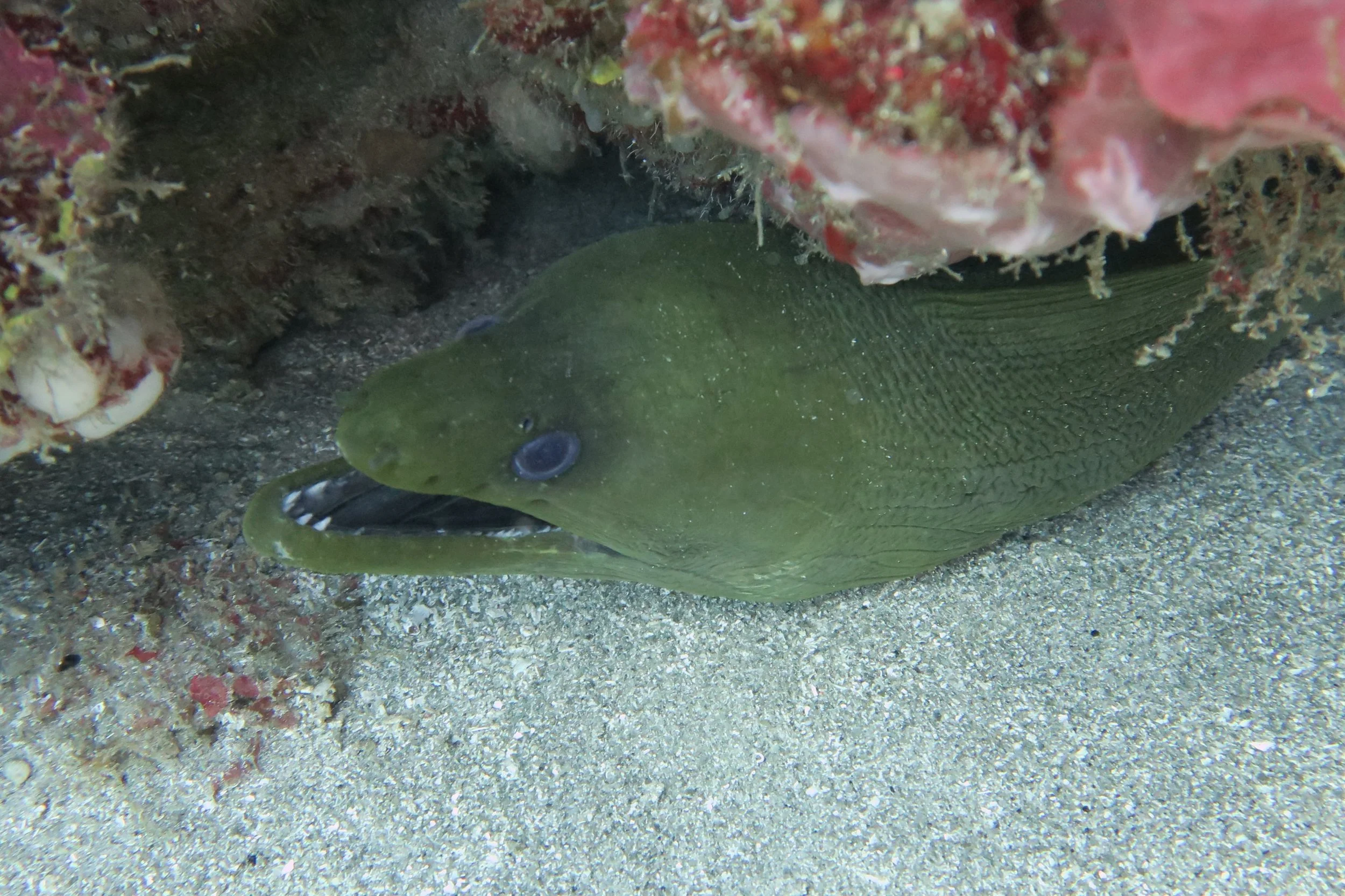
Devil’s Hole: Don’t let the name scare you! Characterized by its unique "chimney" formations and rock clusters, this site is known for its amazing visibility. It was a standout for eel sightings, and we observed several morays swimming freely across the reef rather than remaining tucked in their burrows.
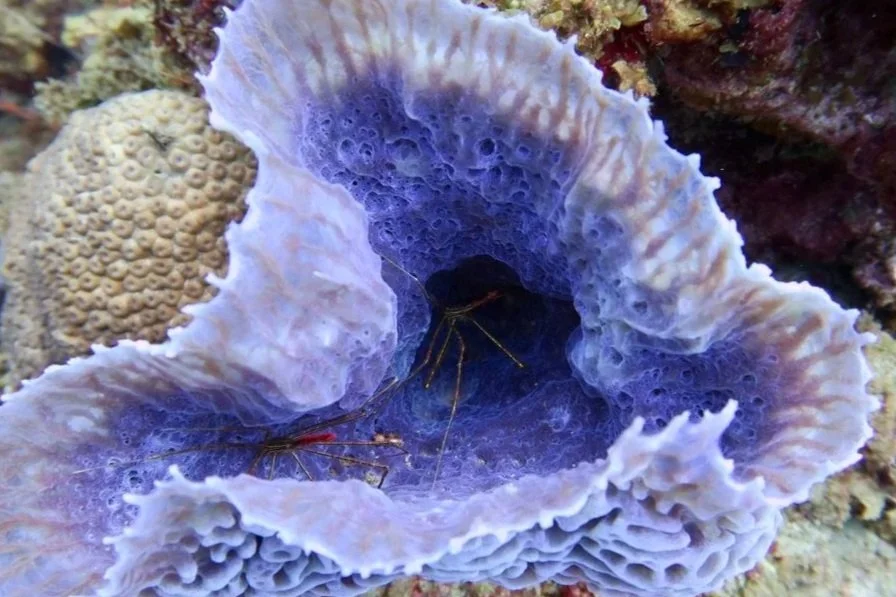
Malgré Toute: Sitting at the foot of the Petit Piton, this site offers a stunning wall-diving experience. The visual contrast is the highlight here: the dark, moody volcanic rock of the island’s foundation is juxtaposed against vibrant purple vase sponges and bright reef life.
The Pinnacles: These massive volcanic seamounts rise from the deep, draped in gorgonians and sponges. Swimming between these pillars gives you a true sense of the island’s geological scale. The "valleys" between the peaks are often filled with schools of fish and large, healthy barrel sponges.
Superman’s Flight: Positioned at the base of Petit Piton, this is a classic drift dive named after the cinematic flight path of the Man of Steel above the Petit Piton in Superman II. The current carries you effortlessly along a steep, sloping wall. It is a fantastic way to see a large expanse of the reef, including massive neon sea fans, with minimal effort.
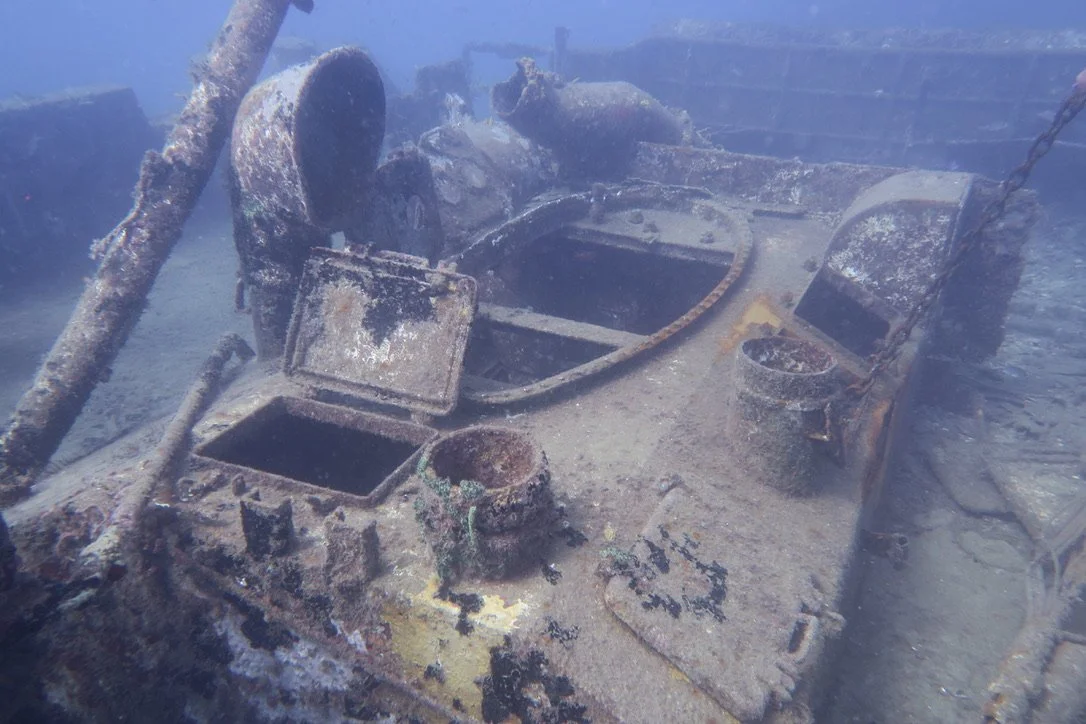
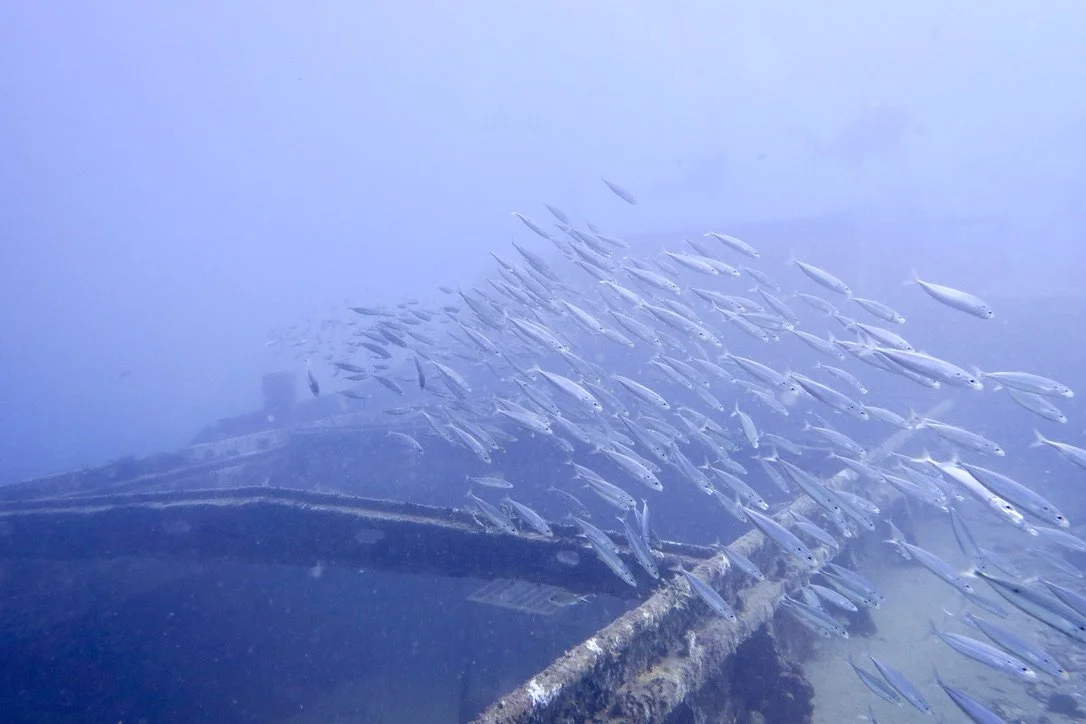
Wreck of the Lesleen M: A 165-foot freighter sitting upright on the sandy bottom provides a fantastic structural contrast to the natural volcanic reefs. Reclaimed by the sea since 1986, the ship is now completely draped in colorful sponges and soft corals. This is a two-for-one wrick dive, as after the Lesleen M, you swim to the Vicky B for a look around this smaller fishing boat that sank around 2018.
The "Hide and Seek" of Marine Life
While we did not find any large pelagics or even turtles, the reefs are exceptionally healthy and populated by a wide variety of smaller reef fish and macro marine life.
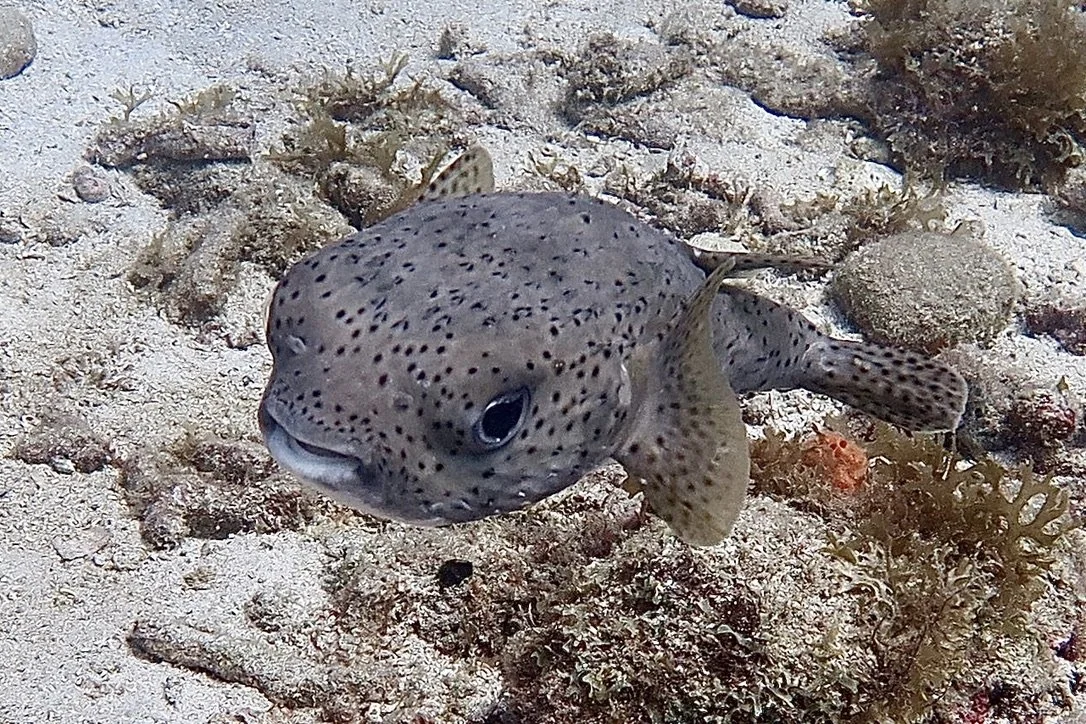
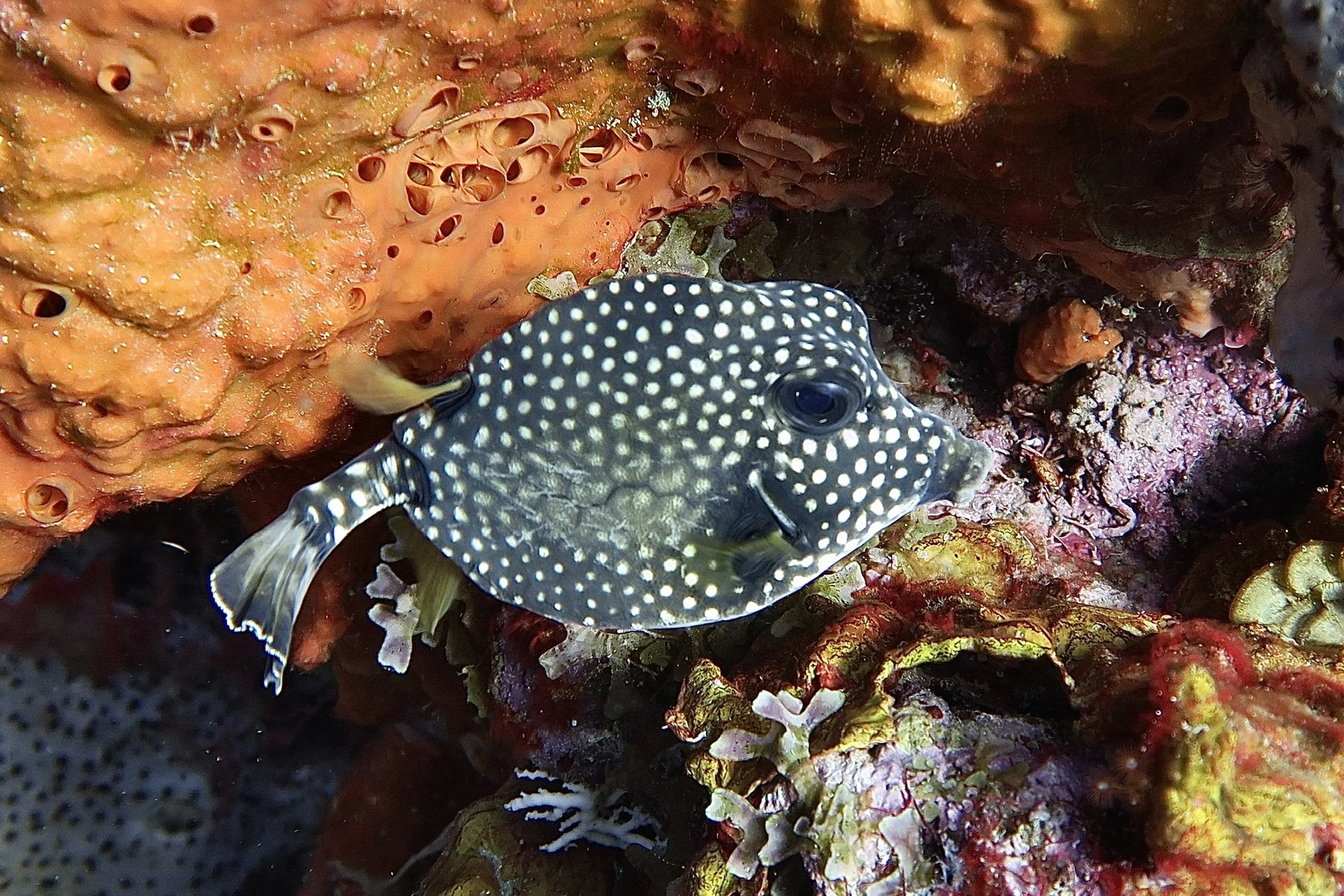

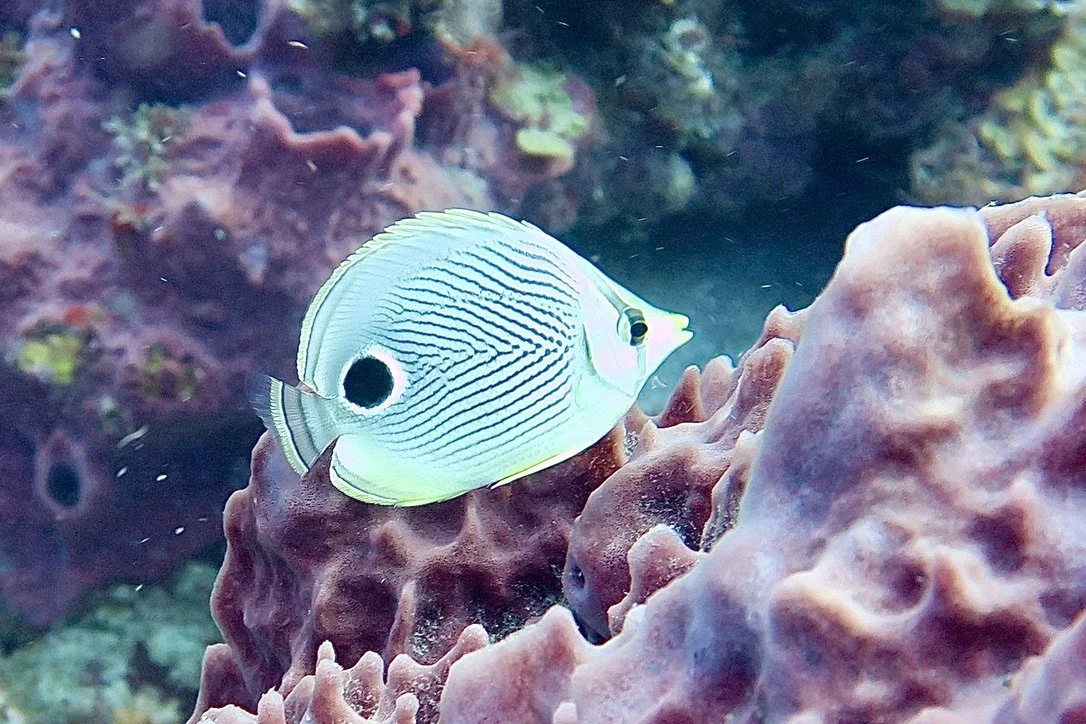
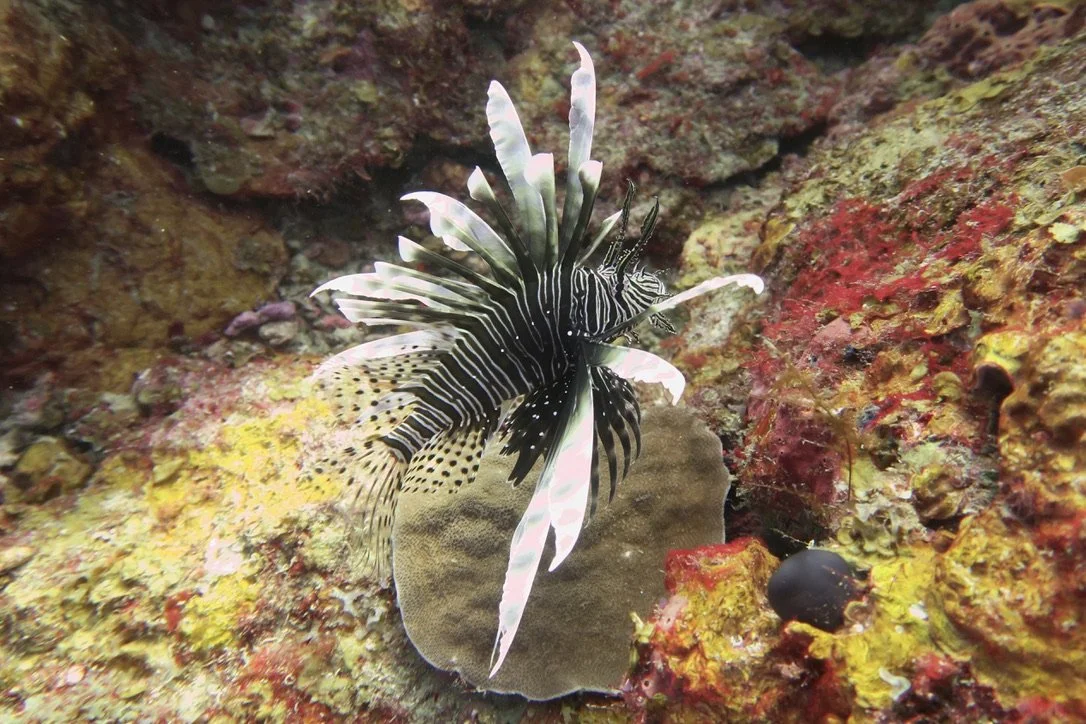
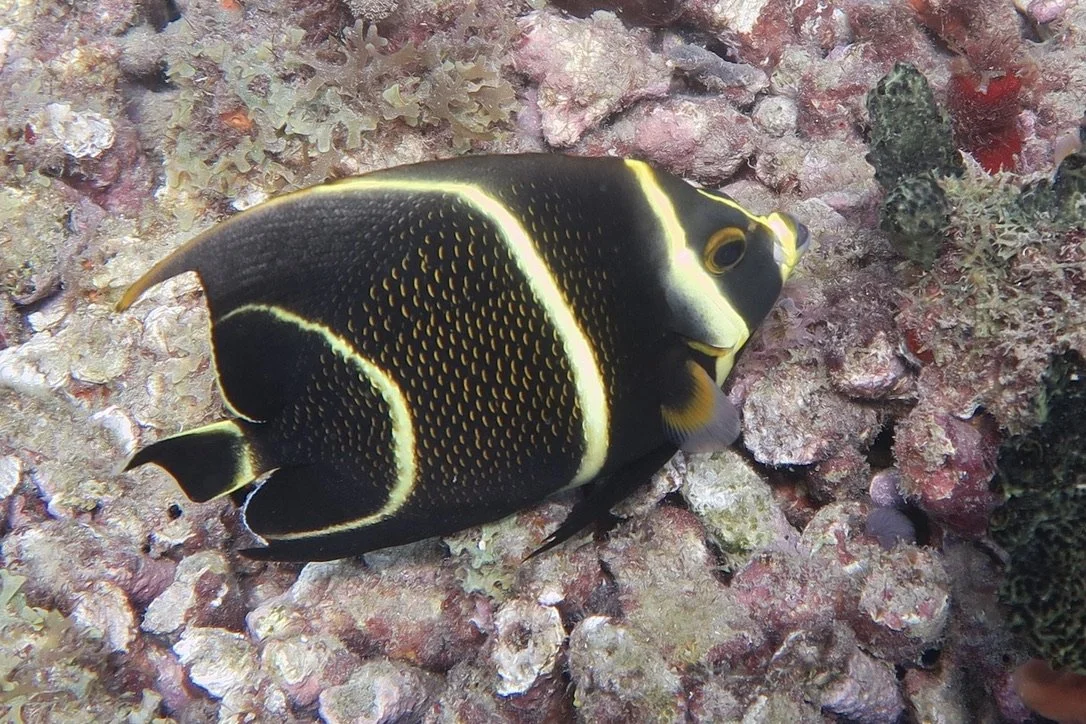
The sheer number of eels was a standout on this trip. From the Goldentail to the Spotted Moray, we saw them not just peeking from holes, but frequently swimming out in the open across the reef.
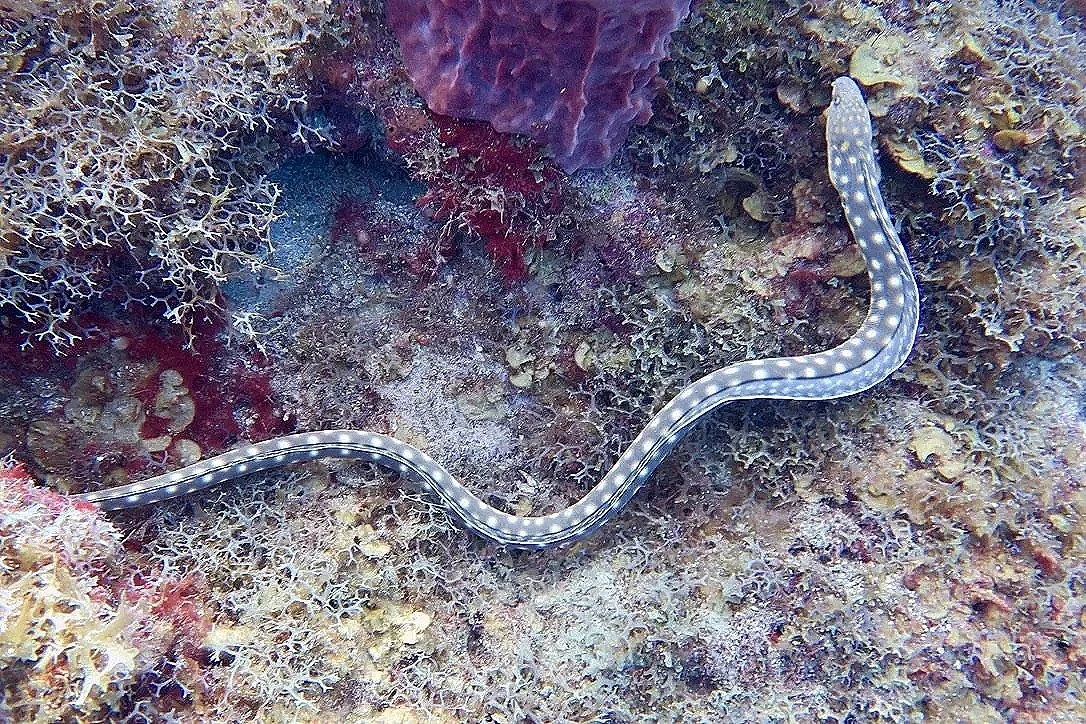
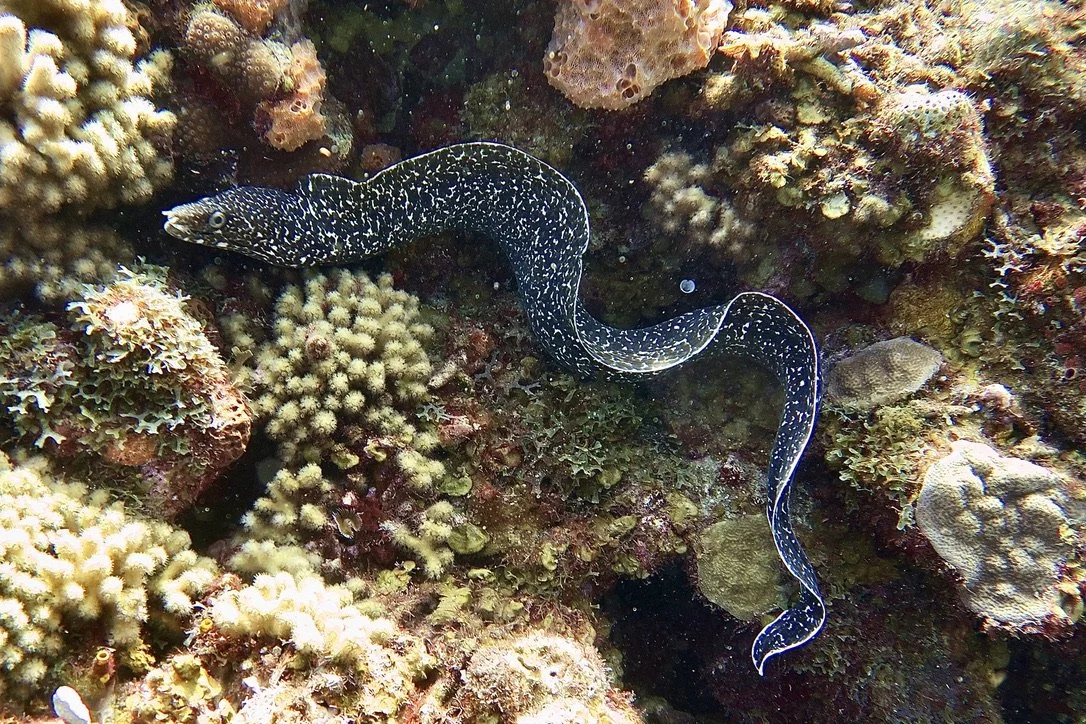
If you slow down and look closely, the macro life reveals itself:
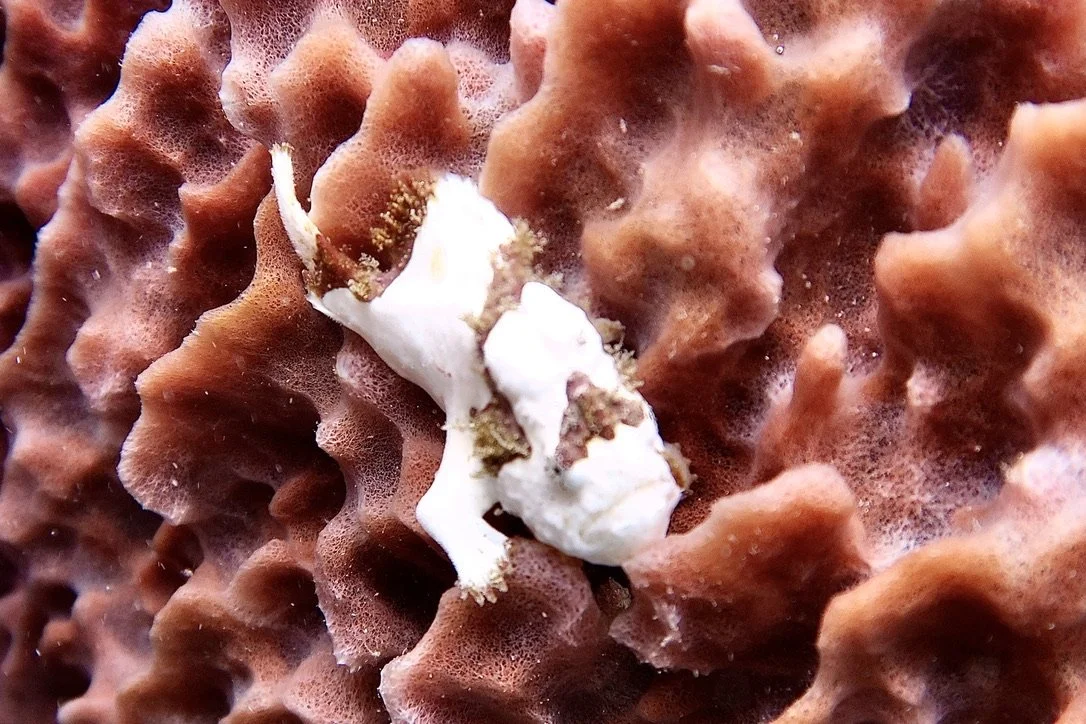
Frogfish: Perfectly camouflaged and motionless, these are always a prize find. They blend so seamlessly into the sponges that you often don't realize you're looking at a fish until it gulps.
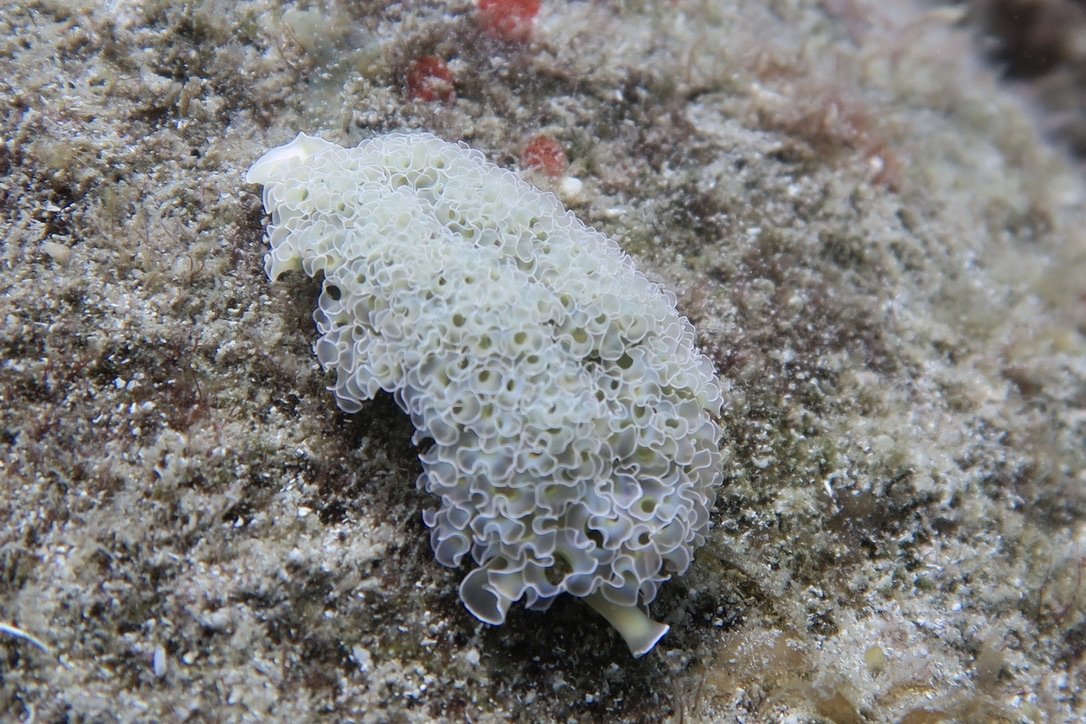
Lettuce Sea Slug: These nudibranch-like gastropods are fascinating to watch. With their ruffled, "leafy" backs (which actually help them photosynthesize), they look like tiny, vibrant scraps of neon greenery moving across the coral.
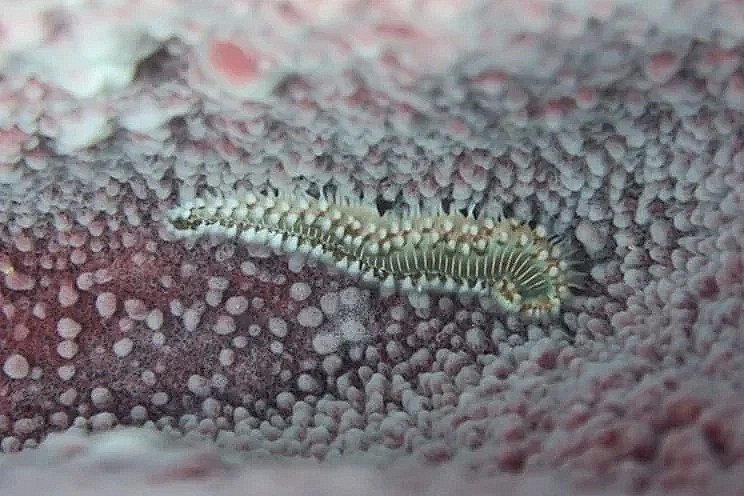
Bearded Fireworm: Striking but formidable, these bristly worms are hard to miss. Their white tufts look soft, but they are actually venomous needles. They are beautiful "look but don't touch" residents of the St. Lucian reefs.
Arrowhead Crabs: These spindly, geometric creatures were found tucked into crevices. With their pointed snouts and long, spider-like legs, they look like something straight out of a sci-fi film.
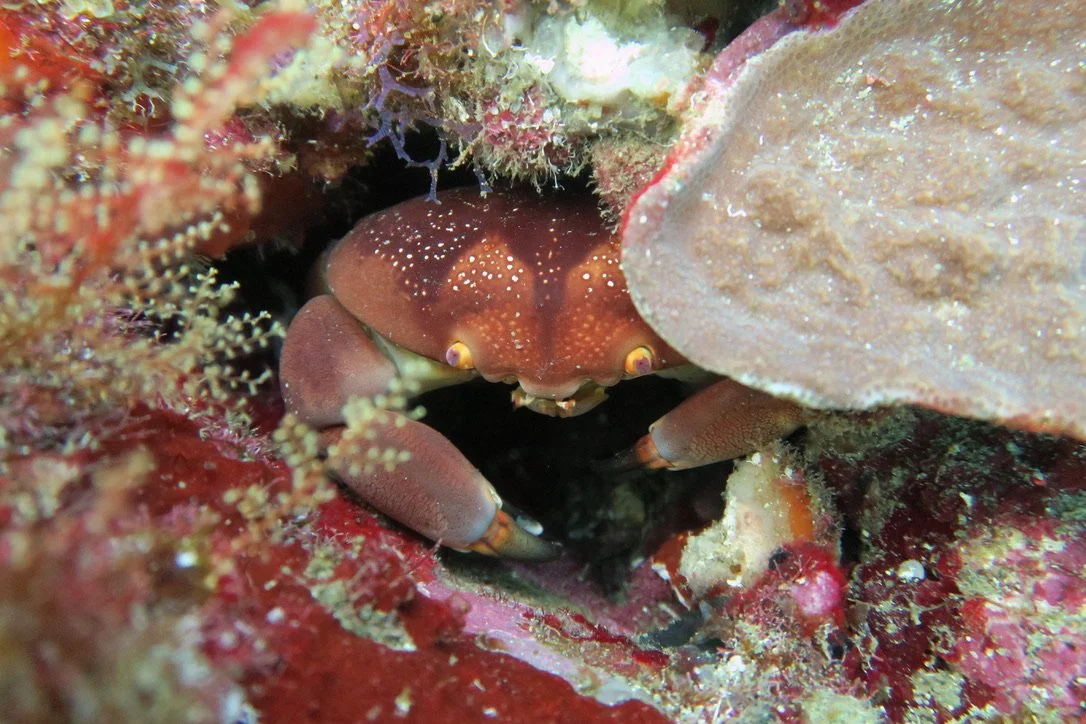
Batwing Coral Crab: A master of hiding in plain sight. These crabs have incredible carapace patterns that mimic the textures of the coral they call home, usually only revealing themselves when they move deep within the reef's shadows.
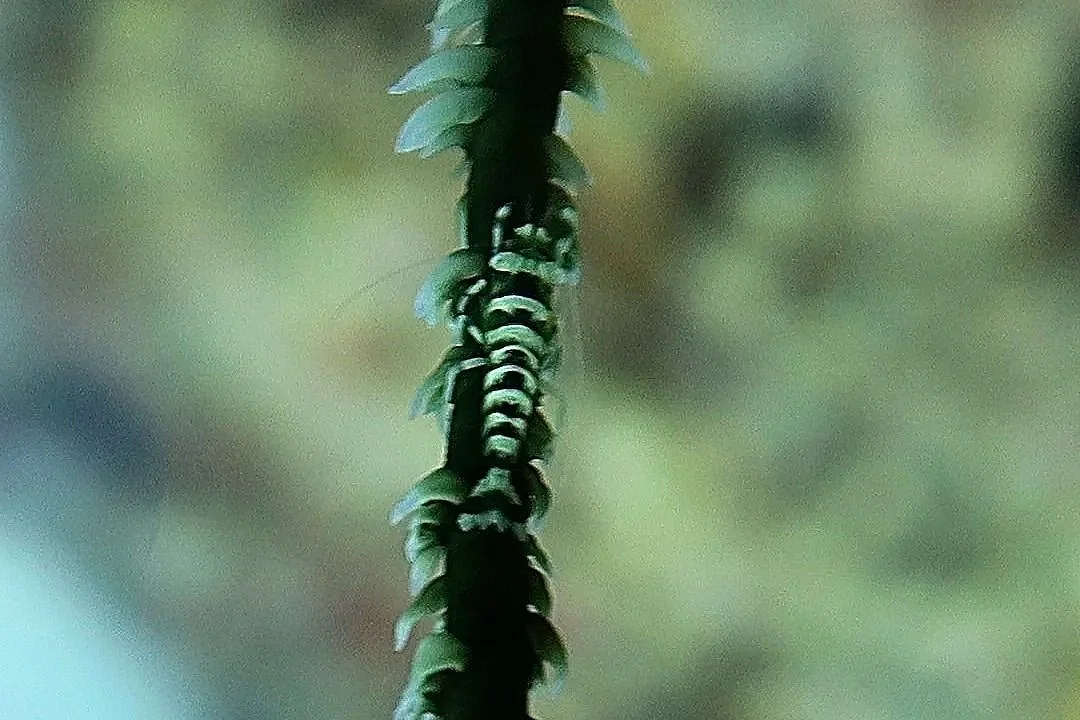
Whip Coral Shrimp: These are the ultimate test for your eyes (and your macro lens). Tiny and translucent, they live their entire lives clinging to whip corals, perfectly mimicking the ridges of their host to stay invisible to predators.
Beyond the Diving: Life at Anse Chastanet
The diving is only half the story. Staying at Anse Chastanet feels like being a guest in a sprawling 600-acre tropical estate. The resort’s architecture is famously integrated into the landscape with open spaces to keep you connected to the sounds of the jungle and the silhouette of the Pitons.
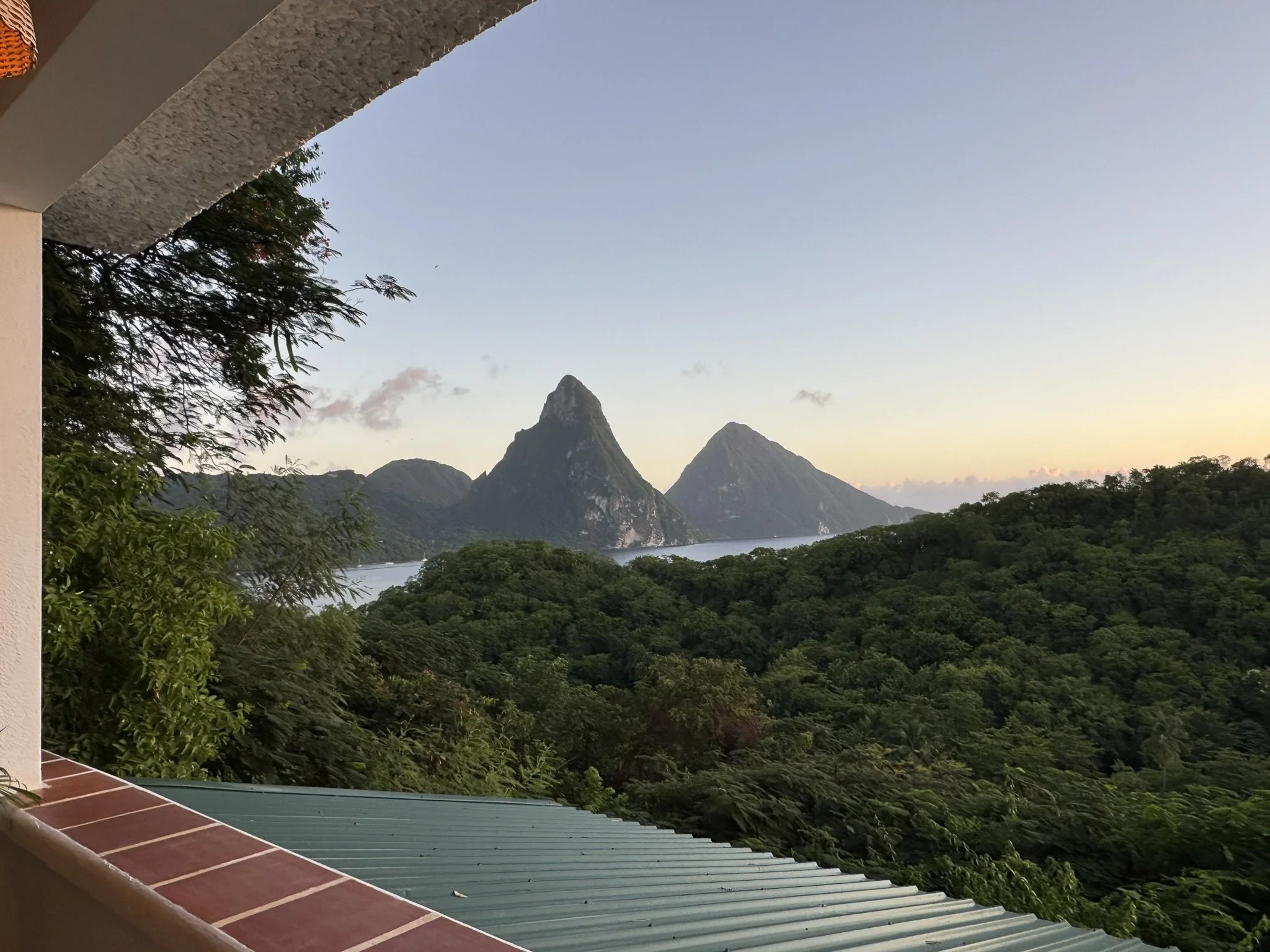
Room with a View of the Pitons, Anse Chastanet, St. Lucia
The Beaches: Two Distinct Vibes
The resort is split between two beautiful volcanic sand beaches, connected by a scenic coastal walkway.
Anse Chastanet Beach: This is the heart of the resort, home to the dive shop and the main beach bar. It’s where you’ll spend your surface intervals between dives.
Anse Mamin Beach: A short walk or boat shuttle away, this beach is more secluded and feels like a private jungle hideaway. It’s quieter, more expansive, and backed by a wall of lush tropical greenery.
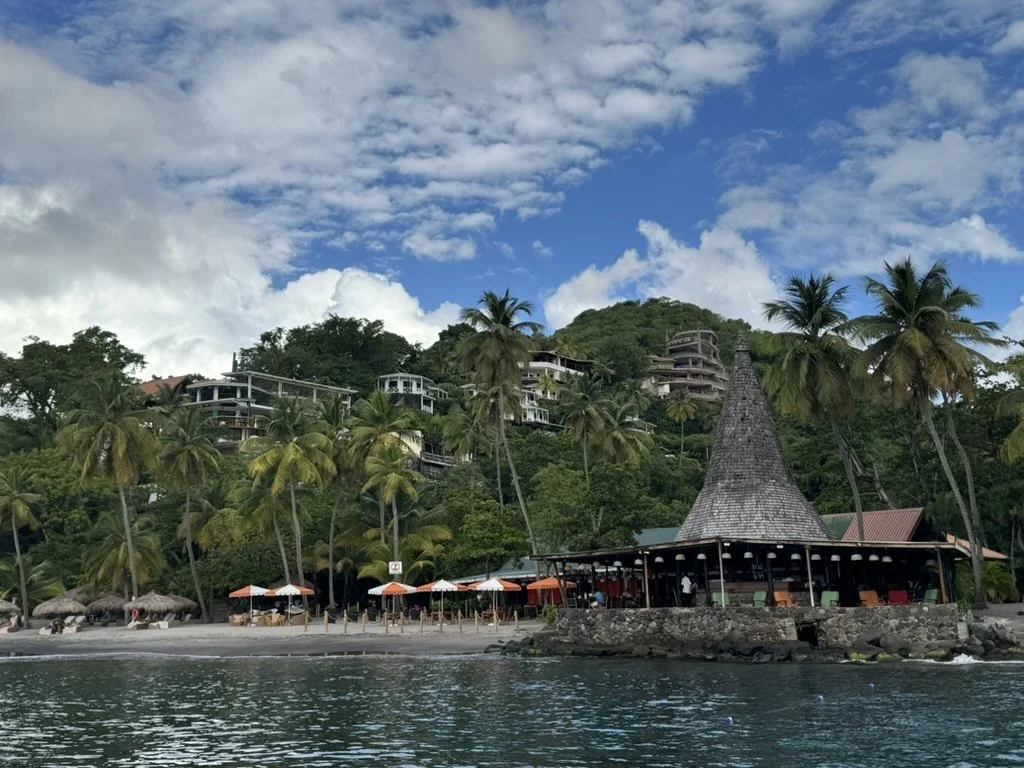
Anse Chastanet Beach, St. Lucia
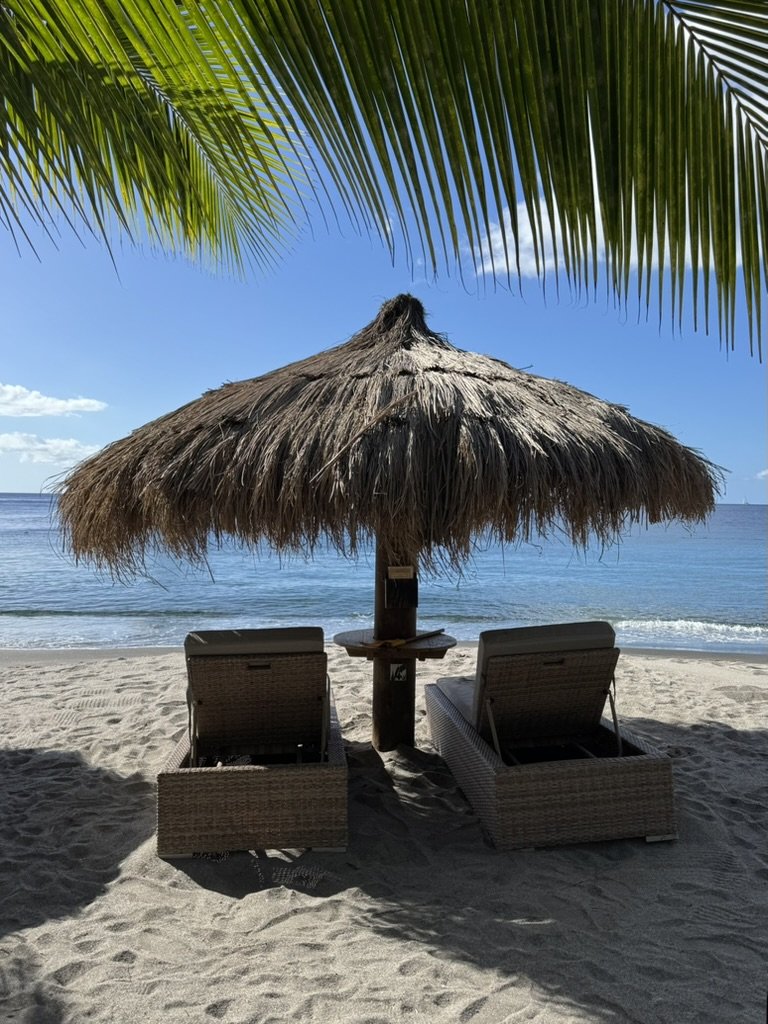
Anse Chastanet Beach, St. Lucia
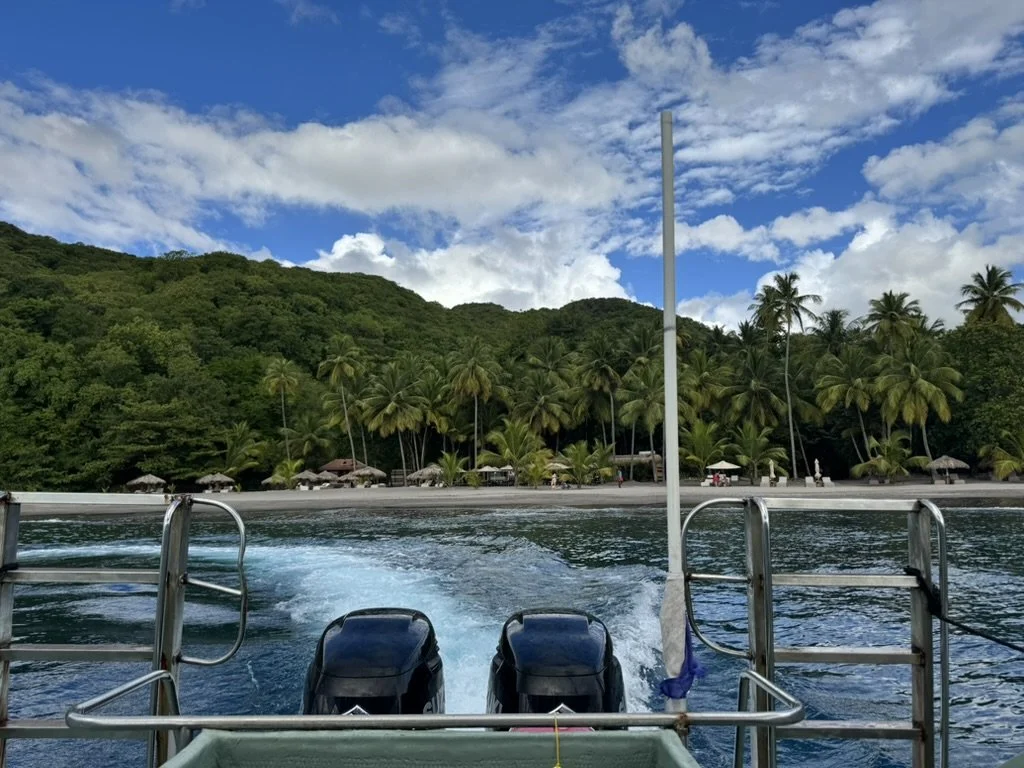
Anse Mamin Beach, St. Lucia
Dining: From Treehouses to Beachside Grills
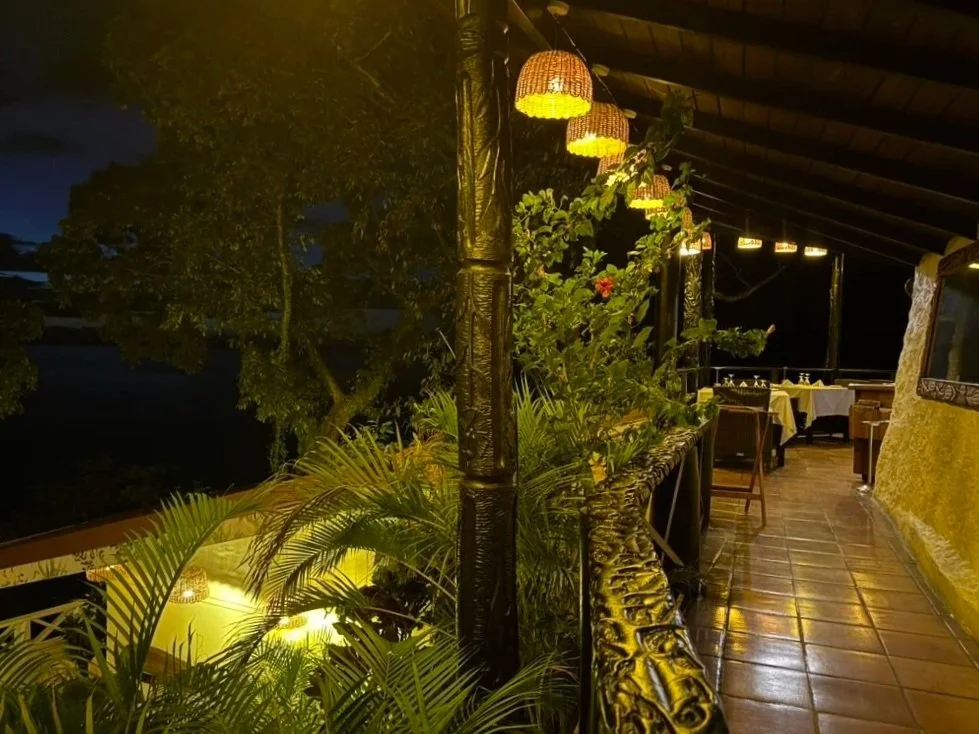
Tree House Restaurant, Anse Chastanet, St. Lucia
The food here is heavily influenced by the resort's own organic farm, Emerald Estate, which you can tour.
Balawoo: Located in the iconic open-air "treehouse" structures, serving breakfast and dinner, it allows you to dine level with the tropical canopy and the yellow-bellied bananaquits. At breakfast, they will flit around while you eat and sneak a few crumbs when you are not looking.
The Treehouse: Open-air dining with a view of the canopy, serving "Tropical World Cuisine." It’s the go-to for a more refined, quiet evening. Get there when they open, as they do not take reservations.
Trou au Diable: Located right on the beach, this is the perfect spot for a casual lunch. At night, it transforms into Apsara, an innovative East Indian-St. Lucian fusion restaurant that is a must-try.
Jungle Grill (Anse Mamin): You cannot visit without trying their famous burgers. They are widely considered the best on the island and are the perfect reward after a morning of exploring.
History in the Jungle: The Sugar Plantation
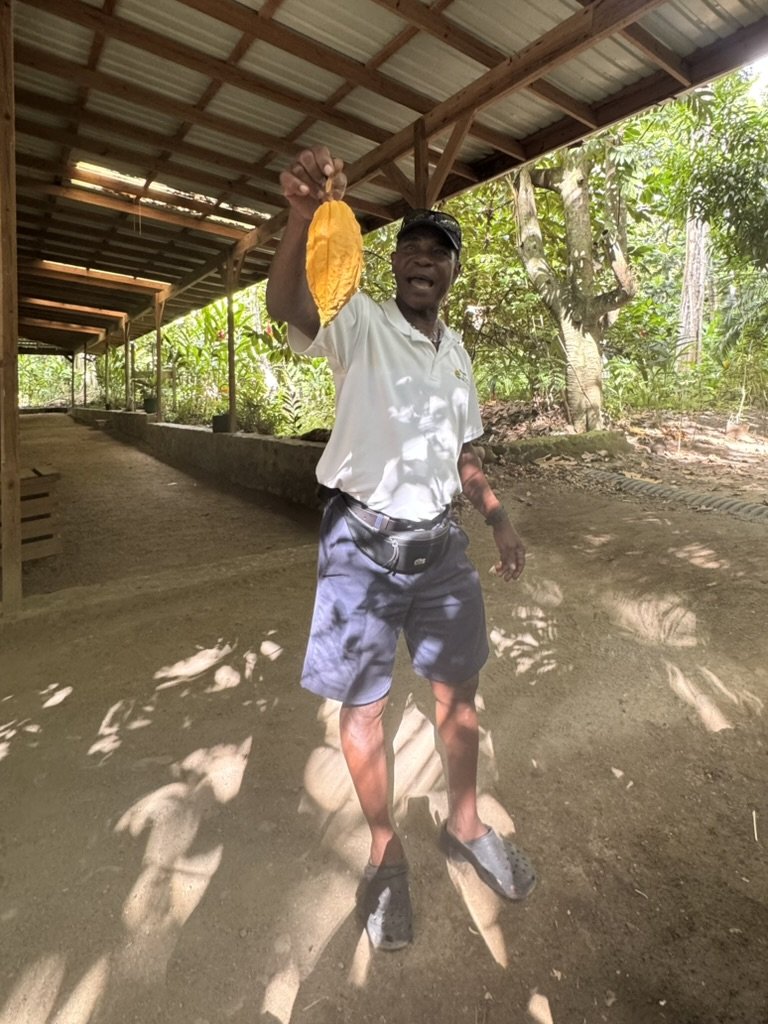
“Father Nature” with a Cacao Pod, Anse Mamin Sugar Plantation
For a change of pace, the onsite walking tours of the Anse Mamin plantation are a must. Our guide, and self-proclaimed “Father Nature,” led us through the 18th-century ruins of the old sugar mill, which have been almost entirely reclaimed by the jungle. Historical water wheels and stone structures surrounded by massive cocoa trees and wild orchids. This was a journey of the senses as “Father Nature” provided us with herbs to smell and fruits to taste from the. A truly memorable, immersive educational experience.
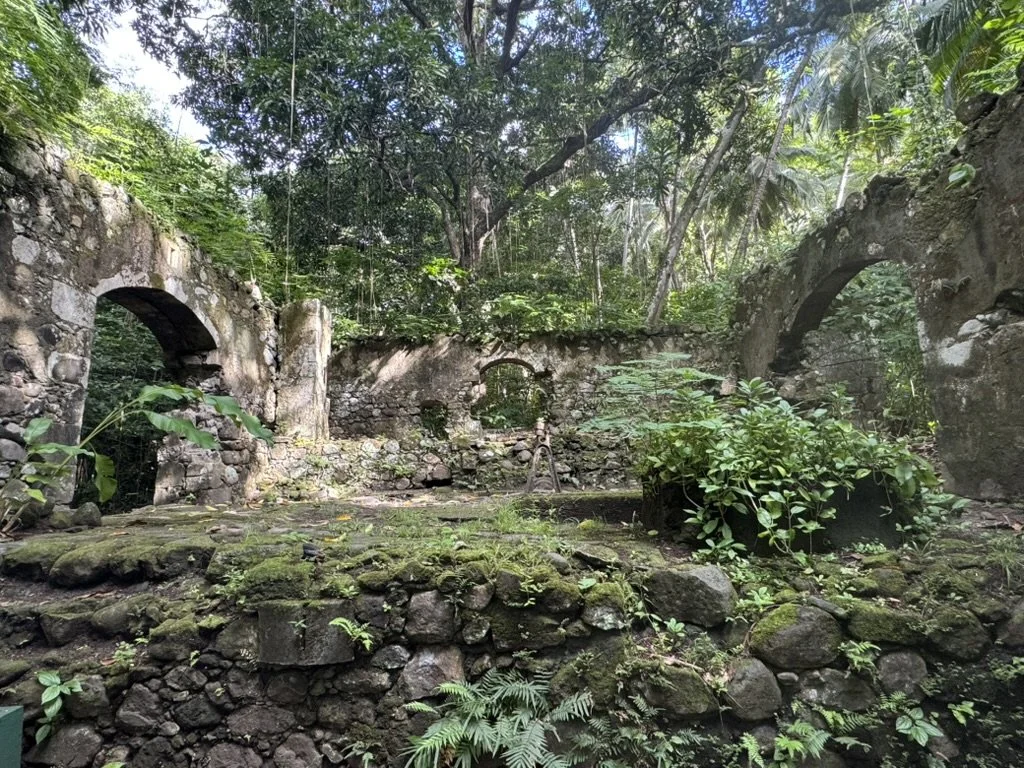
Anse Mamin Sugar Plantation, St. Lucia
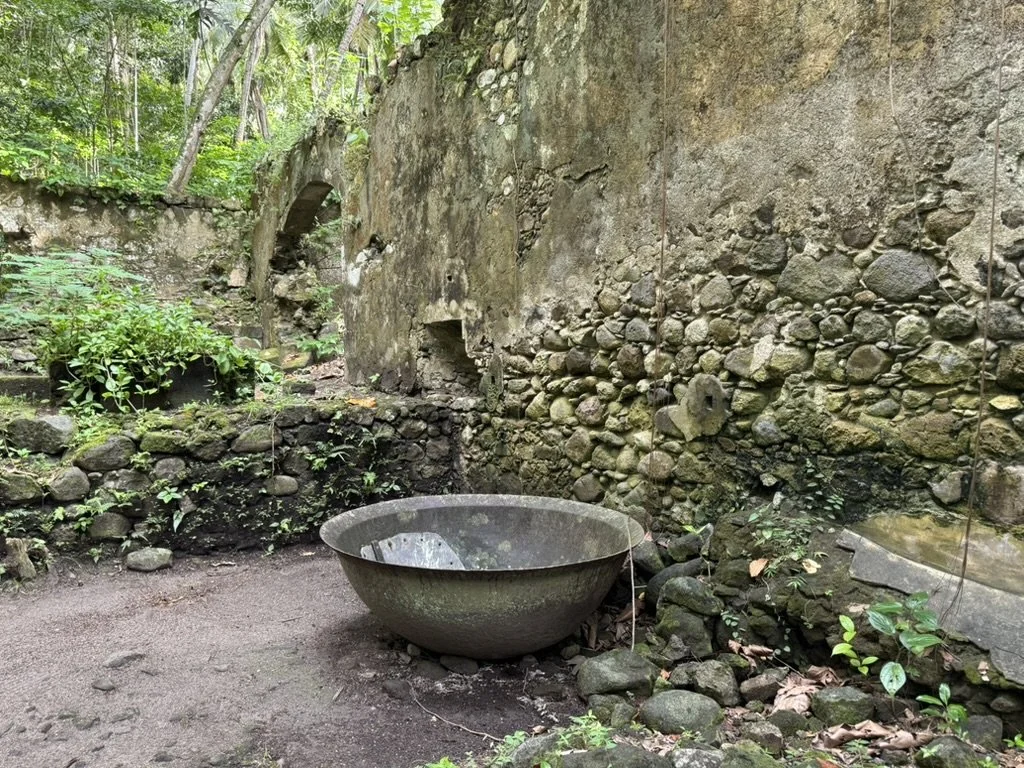
Anse Mamin Sugar Plantation, St. Lucia
The "Bean-to-Bar" Chocolate Experience
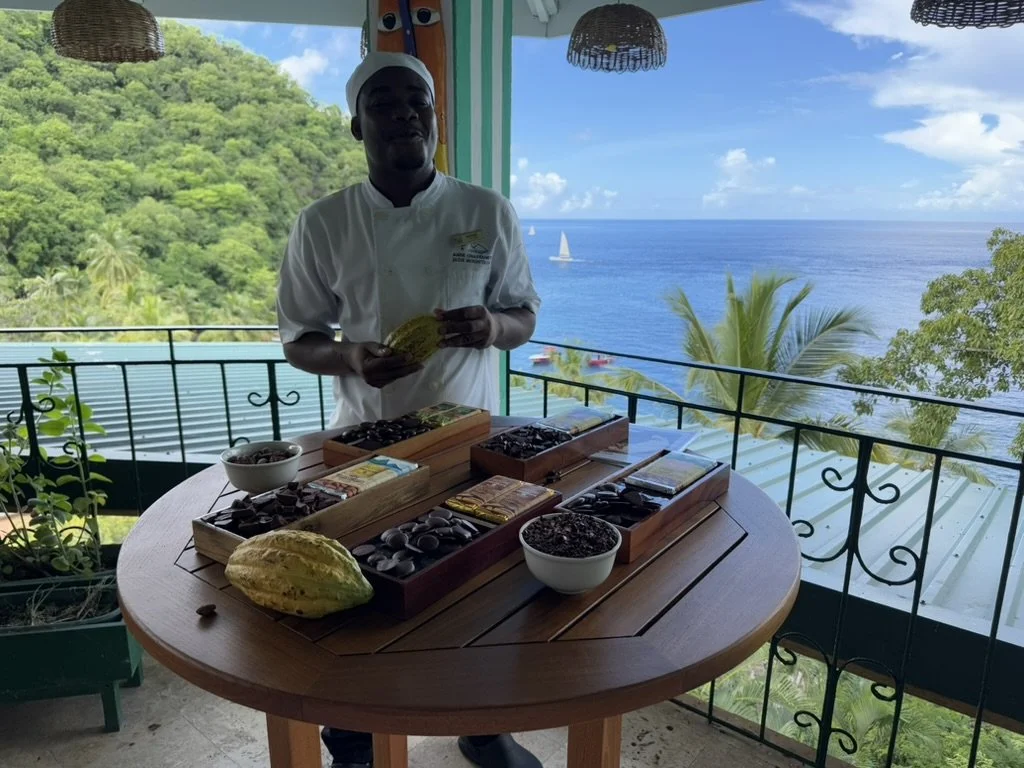
Chocolate Sensory Tasting, Anse Chastanet, St, Lucia
St. Lucia has a deep history with cacao, and the resort takes this seriously with their "Bean-to-Bar" operation. They have over 2,000 cacao trees on their organic farm, Emerald Estate. The Chocolate Sensory Tasting, which takes you through the entire flavor profile of cacao. Starting with the raw bean (which is surprisingly citrusy and tart) to the finished, dark chocolate bars, is a delicious experience.
Top Tips for Your St. Lucia Dive Trip
The Long Bumpy Road: The ride to/from the airport is about 45-50 minutes, and the road into the resort is notoriously rugged and unpaved. Be prepared for a 15-minute "St. Lucian massage" during the last part of the drive into the resort. Note that there is an option for a helicopter transfer if you want a faster option.
The Hilly Reality: One thing to keep in mind is that Anse Chastanet is built directly into the steep hillside. This architecture is what provides those world-class views of the Pitons, but it also means the resort is a maze of hilly paths and hundreds of stairs. The resort does provide a shuttle service to help with the incline, but generally, you should come prepared for a bit of a workout!
Pack for seeing the "Small Stuff": If you’re a photographer, bring your macro lens. If you like to poke under crevices, bring a small torch. The macro life are the real stars here.
Hydrate & Protect: The humidity is high, and the sun at the base of the Pitons is intense. Use reef-safe sunscreen to protect the healthy coral gardens.
Go to Anse Mamin (at least once): Take the boat shuttle or the coastal walk, and make sure you have a burger from the Jungle Grill. While this is a resort beach with resort amenities, there are no private beaches in St. Lucia, so there will be non-resort day-trippers along with the other resort guests.
💡 Final Thoughts
St. Lucia isn’t the destination if you’re looking for big-ticket marine megafauna. It’s a quiet, scenic diving destination for the observant diver who appreciates the "total package."
The real magic of Soufrière lies in the integration of the landscape and the sea. It’s about the dramatic verticality of the Pitons continuing far below the surface, the exceptional health of the hard corals, and the rewarding "treasure hunt" for macro life, from perfectly camouflaged frogfish to the unusually active eel population.
When you pair that with the immersive experience of Anse Chastanet, dining in the canopy, exploring the jungle-shrouded ruins of the Anse Mamin plantation, and having a world-class house reef just steps from your bed, you get a trip that feels more like a retreat into nature than a standard dive holiday. It’s quiet, it’s scenic, and it’s a reminder that sometimes the most beautiful things in the ocean are the ones you have to slow down to find.
